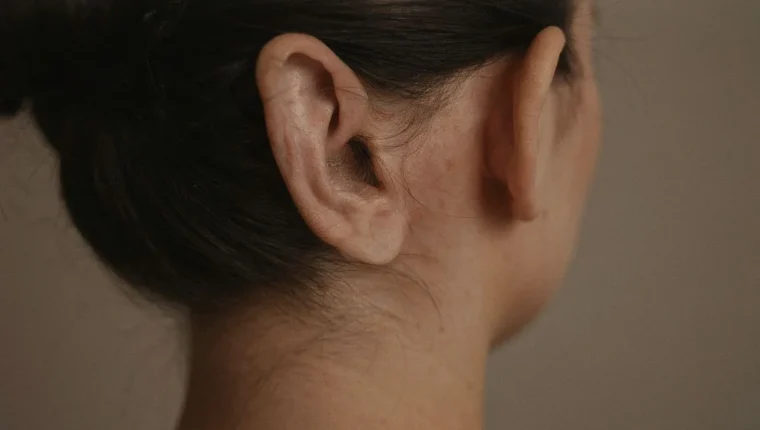
Many people researching ear correction surgery face the same confusion: ear pinning surgery and ear reshaping surgery sound almost identical, yet surgeons often recommend one over the other for different reasons. The confusion matters: the two procedures use different techniques, involve different recoveries, and deliver different results depending on what bothers you about your ears.
Choosing between them is not a matter of one being universally better. It comes down to whether your concern is mostly protruding ears, or something broader like size, shape, symmetry, or earlobe irregularities. Understanding that distinction before you sit down with a surgeon puts you in a far stronger position to ask the right questions and get the outcome you actually want.
What Is Ear Pinning Surgery and Who Is It For?
Ear pinning surgery, medically known as otoplasty, is a procedure designed to reduce the angle between the ears and the head. Surgeons typically reshape or reposition the cartilage behind the ear, bringing it closer to the skull so the ears no longer stick out noticeably. Incisions are usually hidden in the natural crease behind the ear, leaving scars that are discreet once healed.
The ideal candidate is someone whose main concern is prominent ears — ears that protrude more than roughly 2 centimeters from the head. This is one of the most common reasons people seek ear correction, and it can affect self-confidence at any age. Children with protruding ears are frequent candidates, often operated on around age five or six, once ear cartilage has developed enough to hold its new position safely. Adults benefit just as well, though adult cartilage is firmer and slightly less flexible.
It’s worth knowing that pinning has a specific purpose: it repositions, but it doesn’t change the ear’s overall size, shape, or contour. If your concern involves misshapen ears, stretched lobes, or congenital deformities, a broader set of techniques may be needed — and that’s where ear reshaping surgery comes in, which we’ll explore next.
What Does Ear Reshaping Surgery Involve?
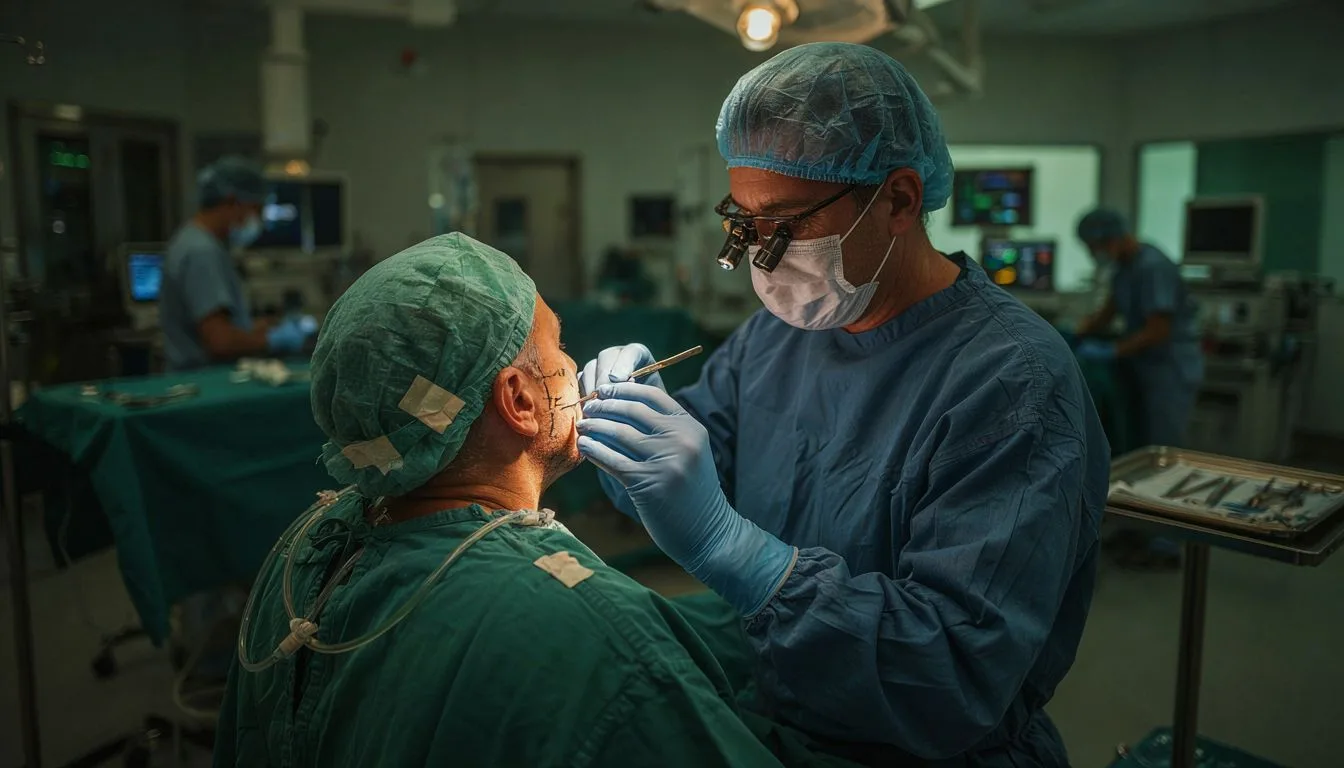
While ear pinning primarily repositions the ears, ear reshaping surgery is an umbrella term that covers a much wider range of structural corrections. Instead of focusing on how far the ears stick out, reshaping addresses the ear’s form itself — its size, proportions, and cartilage contour.
This distinction matters because prominent ears are only one of many concerns patients bring to a surgeon. Some ears are naturally oversized (a condition sometimes called macrotia), others have an underdeveloped or unfolded antihelical fold, and some carry deformities from injury or congenital differences such as a “cup ear” or Stahl’s ear. Each of these requires a different approach.
Reshaping techniques vary accordingly. A surgeon may remove excess cartilage to reduce an overly large ear, score or sculpt cartilage to create folds that never formed, or graft tissue to rebuild missing structure. Incisions are typically hidden behind the ear or within its natural creases, so scarring remains discreet.
In short, reshaping is chosen when the ear’s structure — not just its placement — is the issue. If your concern involves the ear’s shape, size, or contour rather than simply its angle from the head, this broader set of techniques is what your surgeon will draw on.
Ear Pinning Surgery vs Ear Reshaping Surgery: Key Differences Explained

At first glance, the two procedures can blur together — both are often lumped under “otoplasty,” and both change how the ears look. The real distinction lies in what each surgery corrects. Ear pinning surgery addresses a single, specific problem: ears that stick out too far from the head. Ear reshaping, by contrast, is an umbrella term covering a wider set of corrections, from resizing overly large ears to rebuilding contours damaged by injury or birth defects.
The surgical approach differs accordingly. Pinning typically involves an incision behind the ear, where cartilage is adjusted or sutured to pull the ear closer to the head. Reshaping may use the same access point, but the technique itself depends on the goal — removing excess cartilage, sculpting folds, or reconstructing missing structure entirely.
| Aspect | Ear Pinning | Ear Reshaping |
|---|---|---|
| Correction scope | Reduces how far ears project from the head | Addresses size, shape, contour, and structural defects |
| Technique | Cartilage suturing or scoring behind the ear | Varies: excision, sculpting, fold creation, or reconstruction |
| Expected outcome | Ears sit flatter against the head in natural proportion | Ears match the desired shape, size, or symmetry |
These differences matter clinically because they determine candidacy. Someone whose only complaint is protrusion usually needs pinning alone, while a patient with misshapen folds, asymmetry, or tissue loss requires a broader reshaping plan — sometimes including pinning as one step within it. Your surgeon will assess cartilage thickness, ear anatomy, and your specific goals before recommending which path fits.
Which Procedure Suits Your Ear Concerns Best?
The best way to choose between these procedures is to look in the mirror and name your actual concern, because each type of ear concern points toward a different surgical answer. A self-assessment based on your specific ear concern narrows the field before you ever sit down with a surgeon.
Consider how your situation matches these common patterns:
- Protruding ears with a normal shape usually respond well to ear pinning, since the goal is simply repositioning the ear closer to the head.
- Noticeable asymmetry between the two ears often requires reshaping techniques, because bringing the ears into balance may involve adjusting cartilage, not just angle.
- Dissatisfaction with shape — such as a misfolded helix, pointed edges, or a flattened contour — falls squarely into reshaping territory.
- Ears that feel too large may need cartilage reduction, which only reshaping procedures can address.
- A combination of concerns, like protrusion plus an unusual fold, is frequently treated with a hybrid approach in a single operation.
If your concern appears in more than one category, that is not a complication — it simply means your anatomy needs an individualized plan. Also keep in mind that some issues, such as mild prominence caused by a heavy earlobe rather than cartilage position, can only be diagnosed during a hands-on examination. Your self-assessment gives you vocabulary and direction; the surgeon’s assessment confirms which technique will actually deliver the result you envision.
Recovery Timeline: What to Expect After Each Surgery
Recovery from both procedures follows a surprisingly similar path, because both involve the same small incision territory behind the ear. In the first 24 to 48 hours, expect some throbbing, swelling, and mild bruising — discomfort is usually manageable with prescribed pain relief rather than severe.
The most distinctive phase is the compression headband or dressing period. Surgeons typically apply a protective dressing immediately after surgery, replaced within a few days by a soft headband worn snugly over the ears. This holds the corrected cartilage in its new position while it heals, usually for one to two weeks at all times, then mostly at night for several more weeks.
Here’s where the two recoveries differ slightly: ear pinning often resolves faster because cartilage is repositioned rather than cut or reconstructed. More extensive reshaping — reducing size or rebuilding folds — can mean marginally more swelling that takes longer to settle.
Most adults return to desk work within a week. Children often return to school after one to two weeks. Strenuous exercise, swimming, and contact sports should wait roughly four to six weeks, depending on your surgeon’s guidance and how well healing progresses.
Comparing Costs, Risks, and Long-Term Results
Beyond the technique itself, three practical factors shape the final decision: what each procedure costs, what could go wrong, and how lasting the outcome will be. None of these can be reduced to a single number, because cost depends on variables rather than fixed price tags — the complexity of the technique required, the type of anesthesia used, the surgeon’s experience, and the region where the clinic operates all shift the final figure. Someone needing only cartilage repositioning will typically pay less than someone requiring structural reshaping or reconstruction, which is why quoting an exact amount before an examination is rarely meaningful.
On the risk side, both procedures share the standard profile of any surgery: infection, bleeding, unfavorable scarring, and the possibility of asymmetry. Ear pinning carries an added consideration — overcorrection can pull the ear too flat against the head, an outcome skilled surgeons work carefully to avoid. Reshaping procedures that involve cartilage removal or rebuilding may, in rare cases, lead to contour irregularities as the cartilage heals. Choosing a board-certified, experienced surgeon remains the single most effective way to minimize all of these risks.
As for longevity, both procedures offer reassuring news: ear cartilage heals into its new position and the results are generally permanent. Provided the ears are protected from significant trauma during healing, most patients never require revision, making either procedure a one-time investment rather than an ongoing expense.
How to Choose the Right Surgeon and Prepare for Your Procedure
Once you have decided between the two procedures, your next job is finding the surgeon who can deliver the result you pictured. The quality of your outcome depends less on the technique itself and more on the hands applying it, which is why board certification in plastic surgery should be the first thing you verify. A certified surgeon has completed formal training and passed rigorous examinations in the exact field your procedure falls under.
- Ask specifically about their experience with ear surgery, not just cosmetic procedures in general. A surgeon who performs otoplasty regularly will have refined judgment about cartilage behavior and symmetry.
- Request to see before-and-after photos of actual patients whose starting point resembles yours. This shows you their aesthetic style, not just technical skill.
- Use the consultation to confirm the procedure choice. Describe your concern in your own words and listen carefully to whether the surgeon recommends pinning, reshaping, or a combined approach — and why.
- Prepare your questions in advance: what technique they plan to use, where incisions will sit, and what their revision policy is if adjustments are needed later.
Practical preparation matters just as much. Stop smoking well before surgery, arrange someone to drive you home and stay with you the first night, and fill any prescriptions in advance. Follow the fasting and medication instructions your surgical team gives you precisely, and plan a week or two of low-key activity so healing never feels rushed.
FAQs
What is the main difference between ear pinning surgery and ear reshaping surgery?
The main difference is that ear pinning surgery specifically sets protruding ears closer to the head, usually by adjusting or removing cartilage behind the ear's fold, while ear reshaping surgery covers a broader range of corrections, including resizing, reducing, or reconstructing the ear's overall shape and contours. In short, pinning is a type of reshaping focused on the angle of protrusion, whereas reshaping addresses other concerns like large, misshapen, or asymmetrical ears.
Which procedure is more suitable for protruding ears in children?
Ear pinning surgery (otoplasty) is generally the more suitable procedure for children with protruding ears, as it directly repositions the ears closer to the head and corrects the underlying cartilage fold. It's typically performed once the ears have reached near-adult size, usually around age 5 to 7, which also helps avoid teasing during early school years. Ear reshaping surgery is better reserved for correcting structural deformities or improving ear shape rather than simply setting protruding ears back. A pediatric consultation with a qualified surgeon will confirm which approach fits your child's specific anatomy.
How long is the recovery period after ear pinning or ear reshaping surgery?
Most patients recover from ear pinning or ear reshaping surgery within one to two weeks, with the initial discomfort and swelling noticeably subsiding after just a few days. You'll typically wear a protective headband for the first week and then mostly at night for several weeks to protect the ears while they heal. Light daily activities can usually resume within a few days, while strenuous exercise and contact sports should wait about four to six weeks. Full results become apparent once residual swelling fades, usually within one to three months.