Each year, more people ask about otoplasty in Turkey for Canadians—and for good reason. Ear surgery costs two to three times more in Canada than in Istanbul, even after flights and accommodation are factored in. But price alone shouldn’t drive a medical decision. This guide covers what Turkish clinics offer, what surgeons’ credentials mean for international patients, how recovery works when you’re thousands of kilometers from home, and where the risks lie. By the end, you’ll know whether otoplasty in Turkey makes sense for you—or whether staying closer to home is smarter. Let’s start with the numbers.
Why Canadians Are Choosing Turkey for Otoplasty
For many Canadians, the decision to travel abroad for ear surgery comes down to a simple question: why pay two or three times more for the same procedure at home? Turkey has built its reputation on answering that question convincingly. The country now performs hundreds of thousands of cosmetic procedures annually for international patients, and otoplasty has become one of the most requested operations among visitors from North America.
The appeal rests on three pillars. First, the price difference is substantial even after flights and accommodation are factored in. Second, Turkish surgeons often specialize exclusively in cosmetic procedures, performing otoplasty far more frequently than a typical general plastic surgeon in Canada. Third, the infrastructure built around medical tourism — dedicated patient coordinators, multilingual staff, and all-inclusive packages — removes much of the logistical friction that once made surgery abroad feel risky.
There is also a practical factor Canadians appreciate: accessibility. Direct flights from Toronto, Montreal, and Vancouver to Istanbul make a surgical trip manageable within a one- to two-week window, which fits neatly into most vacation allowances. Many clinics structure their aftercare so that follow-up consultations can continue remotely once patients return home.
None of this means Turkey is automatically the right choice for everyone. The quality gap between clinics can be significant, and due diligence matters more than price. But the combination of experienced surgeons, modern JCI-accredited hospitals, and genuine cost savings explains why the trend keeps growing year after year — and why more Canadians are seriously considering Istanbul for their ear pinning surgery.
Cost Comparison: Otoplasty in Turkey vs. Canada
The price gap between these two countries is often the single biggest reason Canadians start researching medical tourism in the first place. At home, ear pinning surgery typically falls between CAD $6,000 and $9,000 per ear, and most provincial health plans classify the procedure as cosmetic, meaning you shoulder the entire bill privately. In Turkey, the same operation, performed by board-certified plastic surgeons in internationally accredited hospitals, generally costs between USD $2,000 and $3,500 all-in — a difference that makes the total cost of otoplasty dramatically lower even after adding flights and accommodation.
To understand where your money actually goes, it helps to break the comparison down:
- Surgeon’s fee: Canadian plastic surgeons charge per procedure with no bundled services, while Turkish clinics build the surgeon’s fee into a fixed package price agreed before you fly.
- Hospital and anesthesia costs: Turkish package pricing usually covers the operating theatre, anesthesia, and one night of hospital observation, items billed separately in Canada.
- Aftercare and follow-up: Turkish providers typically include post-operative checkups, medication, and removal of dressings; Canadian patients pay for each follow-up visit individually.
- Travel and accommodation: Even with return flights from Toronto or Vancouver and a week in a hotel, most Canadians spend CAD $1,500–$2,500 extra — still far below the domestic price gap.
Currency also works in your favor. The Turkish lira’s exchange rate against the Canadian dollar means your CAD stretches considerably further on the ground, from airport transfers to hotel meals. When you tally everything honestly, many patients find their complete journey — surgery, hotel, flights, and incidentals — lands at roughly half of what a single Canadian quote would be, which explains why the price advantage consistently tops the list of reasons Canadians look abroad.
What Is Included in a Turkish Otoplasty Package

Most clinics in Istanbul and other major Turkish cities bundle otoplasty into an all-inclusive package, and understanding exactly what sits inside that bundle is where Canadians can spot genuine value—or spot a red flag. A typical package is built around the all-inclusive medical package model: one fixed price covering the surgery itself, the surgeon’s fee, hospital and anesthesia costs, and pre-operative testing such as blood work and an ECG.
Beyond the medical essentials, most packages add a layer of logistics designed for international patients. This usually includes airport transfers in a private vehicle, hotel accommodation for a set number of nights (commonly four to seven), a dedicated patient coordinator who speaks English, and all scheduled post-operative check-ups during your stay. Many clinics also provide compression headbands or dressings, prescribed medications for the first weeks, and a written aftercare plan you can follow once you’re back in Canada.
Quality varies, though, and the details matter more than the headline price. Before committing, ask specifically whether the quoted fee covers the anesthesiologist separately, whether follow-up consultations after you return home are included or charged, and who handles complications if one arises. A reputable clinic will answer these questions in writing without hesitation.
Some packages also throw in extras like translation services, SIM cards, or even city tours. These are nice touches, but they shouldn’t distract you from verifying the fundamentals: the surgeon’s credentials, the hospital’s accreditation, and the clarity of what happens after you fly home. A package is only worth it when its medical core is solid.
Choosing a Qualified Surgeon and Accredited Clinic
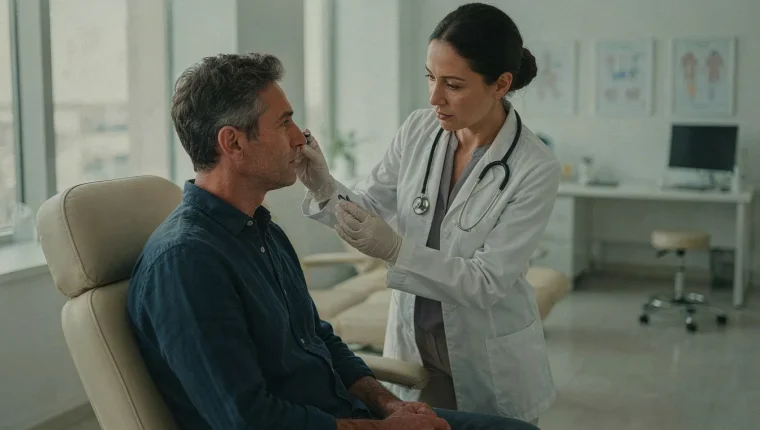
Not all clinics marketing to international patients offer the same standard of care, and this is where your research matters most. When evaluating a surgeon for otoplasty in Turkey, the first thing to verify is board certification in plastic, reconstructive, and aesthetic surgery — this confirms the doctor has completed formal residency training rather than a short course or unrelated specialty. Canadian patients should also ask how many ear reshaping procedures the surgeon performs annually; high-volume surgeons at dedicated facial plastic surgery centers tend to have more refined techniques and consistent outcomes.
Accreditation is equally important. Look for clinics operating in hospitals with JCI (Joint Commission International) accreditation, the same benchmark used to evaluate hospitals in Canada and the United States. JCI-accredited facilities follow strict protocols for sterilization, anesthesia safety, and emergency preparedness, which significantly reduces procedural risk.
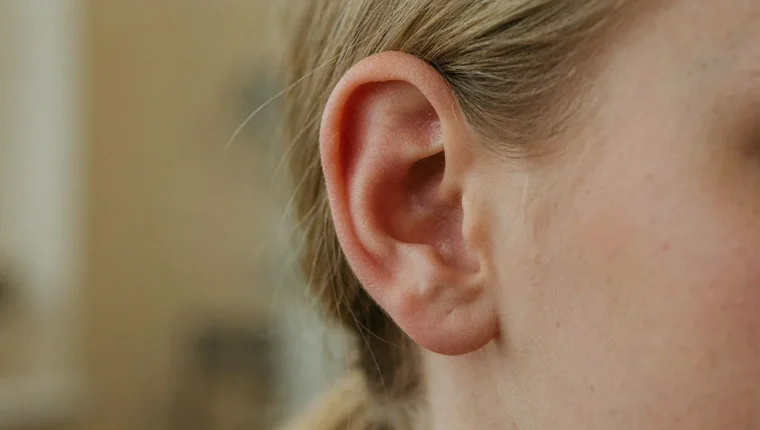
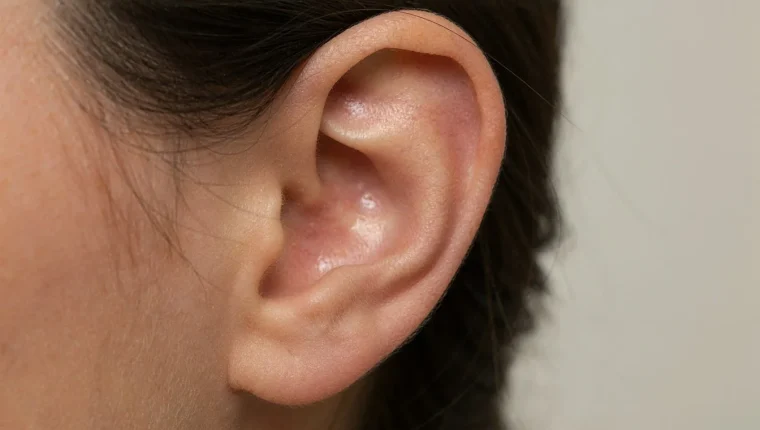
Beyond credentials, spend time on the consultation itself — even if it happens by video call before you fly. A reputable surgeon will request clear photos of your ears from multiple angles, discuss realistic outcomes, explain the surgical technique they plan to use, and openly address your questions about scarring and recovery. Be cautious if a clinic pushes same-day booking, avoids detailed medical questions, or cannot produce before-and-after photos of their own patients.
Finally, verify that the clinic carries valid medical malpractice insurance and can provide documentation in English. Taking an afternoon to confirm these details protects both your results and your peace of mind.
Travel and Recovery Timeline for Canadian Patients

A typical otoplasty trip to Turkey is shorter than most Canadians expect, but the planning around it matters more than the trip itself. Because ear surgery is an outpatient procedure with no need for general hospitalization, clinics structure the journey as a compact visit: most patients fly in one or two days before surgery and are cleared to fly home about a week later. The key constraint to understand before booking anything is the recovery timeline, since your body—not your itinerary—sets the pace.
Here is how the days usually unfold for a Canadian patient:
- Day 1 – Arrival and consultation: You land, attend your in-person assessment with the surgeon, complete bloodwork and final imaging, and confirm the surgical plan you discussed remotely.
- Day 2 – Surgery day: Otoplasty typically takes one to two hours under local or light general anesthesia. You rest at your hotel the same evening with a protective head bandage.
- Days 3–5 – Early healing: Swelling and mild soreness peak and begin to fade. Your clinic checks the ears, changes the dressing, and reviews medication schedules with you.
- Days 6–7 – Final check and clearance: Stitches are assessed, the bandage is replaced with a lighter headband, and your surgeon confirms you are fit to fly.
- Weeks 2–6 – Recovery at home in Canada: You wear a headband at night, avoid contact sports, and send follow-up photos to your clinic as instructed.
That final week in Turkey is not optional padding. Surgeons want to see how your ears are responding before you board a long-haul flight, because cabin pressure and dry air can aggravate swelling in the first days. When you land in Canada, your aftercare shifts to remote check-ins—most established clinics provide a WhatsApp or patient-portal channel and will coordinate with a local family doctor if anything concerns you. Budget a total of eight to ten days door to door, plus two weeks of light activity only once you’re home. Patients who respect that window report smoother healing and fewer surprises than those who try to compress the trip into a long weekend.
Potential Risks and How to Minimize Them
Every surgical procedure carries some degree of risk, and ear pinning surgery is no exception — even though it is considered one of the safer cosmetic operations. The most commonly reported issues include infection, asymmetry, and overcorrection, where the ear is pinned too tightly against the head, creating an unnatural “glued-down” appearance. Less frequent complications involve hypertrophic scarring behind the ear or a recurrence of prominence if the cartilage does not hold its new position. Understanding these possibilities before you fly is not a reason for anxiety; it is the foundation of a safe outcome.
The good news is that the majority of these risks are preventable, and most of the prevention happens before the surgery itself. Choosing a surgeon who performs otoplasty regularly — ideally one who is board-certified and operates in a JCI-accredited facility, as discussed earlier — dramatically reduces the likelihood of technical errors such as asymmetry. During your consultation, ask directly how many otoplasty procedures the surgeon performs each year and request to see before-and-after photos of patients with ear types similar to yours.
Your own behavior plays an equally important role. To minimize complications, Canadian patients should:
- Follow pre-operative instructions exactly, especially regarding medications and smoking, which impair healing.
- Wear the compression headband as directed during the first weeks — removing it early is one of the most common causes of cartilage shifting.
- Keep the incision sites clean and dry, and report any unusual redness, discharge, or fever immediately rather than waiting until you land back home.
- Avoid sleeping on your sides for at least two to three weeks to prevent pressure on the ears.
One risk unique to medical travel deserves honest attention: managing aftercare from a distance. This is why your clinic should provide a written follow-up plan, a direct contact channel to the medical team, and clear guidance on what to do if a concern arises once you are back in Canada. Reputable clinics treat this as standard practice — if a provider is vague about post-operative support, treat it as a warning sign and keep looking.
Real Patient Experiences: Is the Journey Worth It?
Numbers and checklists only tell part of the story. What truly answers the question of whether the trip is worthwhile comes from the people who have already made it. Canadian patient reviews of Turkish clinics reveal a consistent pattern: the overwhelming majority rate their experience highly, particularly when they chose JCI-accredited facilities and board-certified surgeons.
The most praised elements are predictable. Patients frequently mention the warmth of the medical staff, the efficiency of the scheduling, and the sense of being looked after from the first WhatsApp message to the final post-operative check. Many describe the process as more organized and personal than what they expected from a foreign healthcare system. Comments about the results themselves tend to focus on natural-looking ears and renewed confidence, especially among adults who had waited decades to address protruding ears.
Negative experiences, while less common, follow a pattern too — and they are just as instructive. Nearly all serious complaints trace back to the same root cause: choosing a clinic based purely on the lowest price rather than on surgeon credentials and verified patient reviews. A handful of patients also report communication gaps after returning home, which highlights the value of clarifying follow-up arrangements before booking.
It is equally important to read reviews critically. Look for detailed accounts that mention the surgeon’s name, the timeline of recovery, and how the clinic handled questions or complications. Be cautious of identical five-star paragraphs posted within days of each other, and prioritize reviews from patients in your own time zone who describe the full journey — from consultation in Istanbul to healing at home in Canada.
The collective verdict from Canadian patients is clear: for those who did their homework, the combination of skilled surgeons, significant savings, and a well-managed recovery made the journey genuinely worth it. The few regretful stories almost always belong to those who rushed the research phase — a reminder that the best outcome starts long before the flight.
FAQs
How much does otoplasty in Turkey cost compared to Canada, and are the savings worth the travel?
Otoplasty in Turkey typically costs between $1,500 and $3,000, while the same procedure in Canada generally ranges from $4,000 to $7,000, meaning patients can save roughly 50–60% even after adding flights and accommodation. These savings are worthwhile for many patients because Turkish clinics are internationally accredited and surgeons often perform high volumes of ear surgery. However, you should factor in the costs of a return visit or remote follow-up care if complications arise, as you won't be near your surgeon afterward.
How long should Canadians stay in Turkey after ear surgery before flying home?
Canadians should typically plan to stay in Turkey for 7 to 10 days after ear surgery before flying home. This window allows the initial healing phase to pass, lets the surgeon remove packing or sutures, and ensures any early complications such as infection, bleeding, or severe pain are addressed before air travel. Flying too soon can be problematic because cabin pressure changes during takeoff and landing may cause discomfort or affect the surgical site, so your surgeon will confirm at a follow-up visit when it is safe for you to fly.
Are Turkish clinics accredited, and how can I verify a surgeons qualifications for otoplasty?
Yes, many Turkish clinics are accredited by the Turkish Ministry of Health, and reputable hospitals often hold international accreditations such as JCI (Joint Commission International), which enforces strict standards for patient safety and surgical care. To verify a surgeon's qualifications for otoplasty, check that they are registered with the Turkish Medical Association and hold board certification in plastic, reconstructive, and aesthetic surgery. You can also request their official diploma, look them up on the Turkish Ministry of Health's database of licensed facilities, and review before-and-after portfolios along with verified patient testimonials. Choosing a surgeon who performs otoplasty regularly and operates in a fully licensed hospital or clinic significantly reduces your risk.