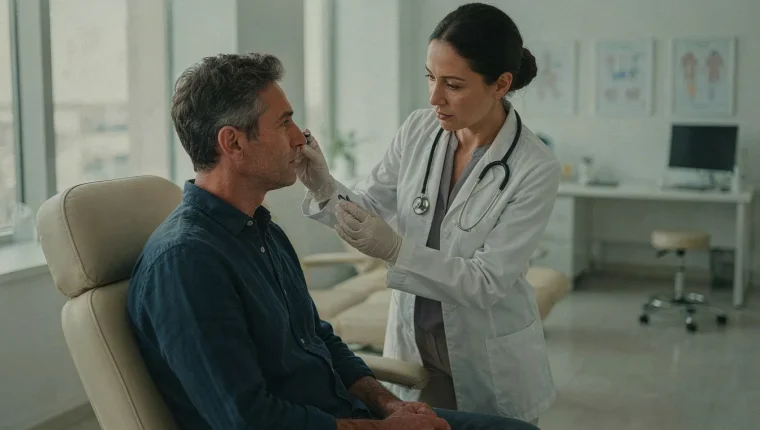
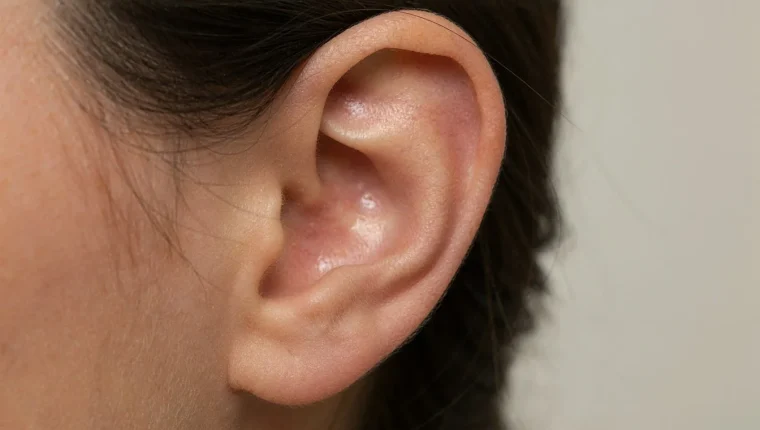
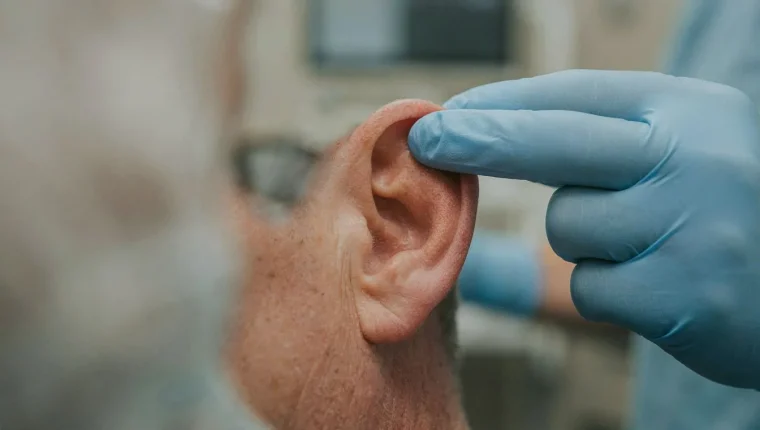
Some soreness in and around your ear is expected after otoplasty, but cartilage pain has its own character — a deep, pressure-like ache that can feel different from ordinary surgical tenderness. In most cases, it is part of healing because the cartilage was reshaped and needs time to settle. However, some cartilage pain after otoplasty can signal a problem worth acting on, such as an infection, a forming hematoma, or excessive pressure from your headband or dressing. The key is knowing which sensations fall within the normal recovery window and which ones justify a call to your surgeon the same day. Timing matters: catching complications early usually means a simple fix, while waiting can turn a minor issue into something that affects your final result. This guide explains what to expect week by week and the specific warning signs that should prompt that phone call.
Why Cartilage Pain Happens After Ear Surgery

Understanding the source of your discomfort starts with one key fact: during otoplasty, your surgeon reshapes, removes, or folds the cartilage itself—the firm, flexible tissue that gives your ear its shape. Because cartilage has a limited blood supply and heals more slowly than skin or muscle, it tends to stay tender long after the outer incisions have quieted down.
In the first days after surgery, most of the pain comes from the trauma of that reshaping. The cartilage has been scored, bent, or sutured into a new position, and the surrounding tissue responds with swelling and inflammation. This inflammatory response presses on nerve endings in and around the ear, which is why even light contact—like a headband, pillow, or hair brushing against the ear—can feel surprisingly intense early on.
Surgical technique also plays a role. Some approaches involve incisions behind the ear, while others rely on internal sutures that hold the cartilage in its new position. Those sutures create tension in the tissue, and that tension can produce aching, pulling sensations, or sharp twinges when you move your head or jaw. Chewing, in particular, often triggers discomfort because the muscles near your ear share movement patterns with the jaw.
Another factor is fluid buildup. Small amounts of blood or serum can collect between the cartilage and its covering layer, adding pressure and soreness. This is why surgeons place protective dressings and monitor ears closely in the early phase.
Knowing these mechanisms helps you judge which sensations are expected healing signals—and which ones deserve a closer look.
What Is Normal Pain During Recovery?
Knowing the difference between expected soreness and a red flag helps you recover with confidence instead of anxiety. In the first few days after otoplasty, most patients experience a throbbing or aching sensation around the reshaped ear. This is the body’s natural inflammatory response at work—blood flow increases to the healing tissue, nerve endings are sensitive, and the cartilage itself is adjusting to its new position. Far from being a warning sign, this type of pain typically signals that healing is progressing normally.
Normal post-operative discomfort usually follows recognizable patterns:
- Tenderness that peaks early: Pain is usually most intense during the first 48 to 72 hours, then gradually softens as swelling subsides and tissues stabilize.
- Sensitivity to touch and pressure: The ear may feel sore when the headband, pillow, or hair brushes against it. This is expected and fades over the first few weeks.
- A feeling of tightness or pulling: Because cartilage has been reshaped and skin repositioned, a stretched sensation around the ear is common and typically resolves as healing continues.
- Discomfort that responds to medication: Pain that eases noticeably with prescribed or over-the-counter pain relievers is generally a reassuring sign that nothing abnormal is developing.
What matters most is the trend over time. Normal pain moves steadily in one direction—toward improvement—even if it fluctuates slightly day to day. It should never intensify after the first week, and it should not come with heat, spreading redness, or a foul smell from the incision sites. Another reassuring detail: normal discomfort is usually localized to the ear itself rather than radiating outward with worsening severity.
Keeping a simple daily note of your pain level, even a 1-to-10 score, gives you and your surgeon an objective picture of your recovery and makes any unusual change easy to spot early.
Cartilage Pain After Otoplasty: Typical Timeline and Progression
Every recovery follows its own rhythm, but cartilage pain after otoplasty tends to follow a fairly predictable pattern, and understanding this timeline can replace a lot of worry with confidence. In the first 48 to 72 hours, the ear cartilage typically feels at its most tender. This is when the throbbing or aching sensation you were introduced to earlier usually reaches its peak, and the ear may look swollen and bruised as well.
By the end of the first week, most patients notice a clear shift. The sharp, pulsating discomfort begins to fade into a duller soreness, and pain medication is often needed far less frequently. Sleeping still requires some care, since rolling onto the healing ear can trigger a flare-up of tenderness, but daytime discomfort usually becomes much easier to manage.
Weeks two through four bring steady improvement. The cartilage may still feel stiff, slightly numb, or unusually sensitive to cold and pressure, which is normal while the tissue heals. Many people describe a deep, mild ache rather than true pain during this phase, especially at the end of an active day. Headbands worn at night help protect the ear during this stretch.
By the six-week mark, most residual soreness is gone or minimal, though subtle sensitivity in the cartilage can linger for several months. This slow, gradual fading is actually a healthy sign, reflecting the natural healing of reshaped tissue. If your pain instead intensifies after the first week, or if it plateaus and then worsens, that departure from the typical progression is exactly the kind of signal worth taking seriously and discussing with your surgeon.
Warning Signs That Indicate a Problem
Most ear discomfort after otoplasty fades steadily rather than suddenly, so pain that changes character — instead of improving — deserves your attention. One of the clearest warning signs of a complication is discomfort that keeps intensifying after the first few days, especially when it was previously well controlled with your prescribed medication. Pain that suddenly becomes sharp, stabbing, or localized to one specific spot on the ear can suggest pressure building beneath the skin or irritation of the healing cartilage itself.
Pay close attention to how the pain interacts with other changes in the ear. Increasing throbbing combined with growing firmness or a visibly swollen, shiny appearance may point to fluid collection or bleeding under the skin, which puts pressure on the cartilage and needs prompt evaluation. Similarly, pain that worsens when you gently press around the incision lines — or that feels hotter on one side than the other — should be reported rather than waited out.
Asymmetry is another useful clue. If one ear hurts noticeably more than the other several days into recovery, particularly alongside redness spreading beyond the incision or a low-grade fever, your body may be signaling an issue that won’t resolve on its own. Trust your baseline: you know better than anyone how your discomfort behaved yesterday compared to today.
Another red flag that often gets overlooked is pain paired with numbness that doesn’t improve, or skin that looks dusky, gray, or unusually pale around the treated area. Changes in skin color alongside worsening pain can indicate compromised blood supply to the cartilage — a rare but time-sensitive situation. When pain and appearance shift together in the wrong direction, that’s the moment to reach out rather than monitor at home for another day.
Infection Symptoms You Should Never Ignore
Infection is rare after ear reshaping surgery, but when it does develop, the cartilage itself is what’s at risk. Because cartilage has a limited blood supply, bacteria that reach it can be difficult for your body to fight off on its own, and an untreated infection can permanently soften or distort the ear’s shape. That’s why recognizing the early signals matters so much during recovery.
The clearest indicator is a change in how your ear looks and feels over time rather than on any single day. Normal post-operative symptoms follow the timeline you already know: pain peaks early, then steadily improves. An ear infection after otoplasty moves in the opposite direction — discomfort that seemed to be fading suddenly intensifies, and new symptoms appear alongside it. Watch for these signs:
- Increasing redness and warmth that spreads beyond the incision area rather than shrinking, especially when the skin feels hot to the touch days after surgery.
- Swelling that reappears or worsens after the initial post-operative swelling had already started to settle, sometimes accompanied by the ear feeling unusually firm.
- Discharge or pus from the incision sites, particularly if it is thick, yellow-green, or has an unpleasant odor; a small amount of clear fluid early on is usually normal, but anything cloudy is not.
- Fever or chills above 38°C (100.4°F), which suggest your body is fighting an infection that may be spreading beyond the surgical site.
- A foul smell or persistent throbbing that intensifies rather than dulls, even when you are taking prescribed pain medication as directed.
Trust the trend, not just the moment. One tender morning after sleeping on your ear is very different from three days of steadily mounting pain, heat, and swelling. If you notice any of the signs above, contact your surgical team the same day rather than waiting to see whether things settle. Early infections are usually treated successfully with oral antibiotics, while delayed treatment may require drainage or intravenous medication — and can compromise the cosmetic result you had surgery to achieve. When in doubt, a quick phone call to your surgeon costs nothing and protects both your health and your outcome.
At-Home Ways to Ease Ear Discomfort

While your surgeon’s instructions always come first, there are several gentle techniques you can use at home to make the early days of recovery more comfortable. The most effective of these is proper cold compress therapy, which helps reduce swelling and dull the throbbing sensation that tends to peak in the first few days. Apply a clean, soft-wrapped ice pack to the area around your ears — never directly on the skin or on the dressing itself — for short intervals of 10 to 15 minutes at a time, always following your surgeon’s specific guidance on timing.
How you position your body matters more than most patients expect. Sleeping with your head elevated on two or three pillows, or resting in a recliner for the first week, keeps pressure off your ears and improves circulation, which can noticeably ease aching overnight. Sleeping on your side is off the table during early healing, so it’s worth preparing your sleeping arrangement before your procedure.
Your prescribed pain medication works best when taken on schedule rather than waiting until discomfort builds up. Many patients find they can transition fairly quickly to an over-the-counter option such as paracetamol, but avoid aspirin or ibuprofen unless your surgeon approves them, as some medications can increase bruising or bleeding risk.
A few simple habits support comfort throughout the day. Loose-fitting shirts or button-up tops prevent painful pulling over your ears when dressing. Keeping your head bandage or compression garment clean and dry reduces irritation. Staying hydrated and eating well gives your body the resources it needs to heal, and distracting yourself with quiet activities — reading, podcasts, gentle walks — can make low-level soreness far easier to tolerate.
One important note: never place anything inside or behind your ear, apply creams or ointments to the incision sites, or adjust your dressing on your own. These well-meaning efforts can disturb healing cartilage and undo the surgical correction. If home measures stop providing relief, or your discomfort suddenly intensifies despite medication, that’s your cue to move beyond self-care and get in touch with your surgical team.
When to Contact Your Surgeon Right Away
There is a clear difference between monitoring your recovery and hoping a problem solves itself. If you notice any of the infection symptoms described above, or if your pain suddenly intensifies after days of steady improvement, picking up the phone is the right move — not an overreaction. Your surgeon would always rather evaluate a false alarm than discover a developing complication days later. When in doubt, treat the situation as a genuine surgical emergency and call immediately.
Certain situations should never wait until your next scheduled appointment. Seek urgent contact if you experience severe, escalating pain that no longer responds to prescribed medication, sudden bleeding from the incision site, one ear becoming visibly misshapen or a collection of swelling that feels firm under the skin, a fever above 38.5°C (101.3°F) alongside ear symptoms, or redness and warmth that spreads rapidly beyond the ear itself. These signs can indicate a hematoma or an active infection, and both require prompt professional attention to protect your healing cartilage and the final shape of your ear.
Beyond these urgent markers, trust your instincts about slower-moving changes. Pain that persists unchanged past the second week, a foul smell from the incision, discharge that keeps recurring, or skin that looks dusky or dusky-purple around the ear all justify a call, even without fever. Early intervention in these cases is usually simple — a course of antibiotics, a minor drainage procedure, or a scheduled check-up — and it dramatically reduces the chance of lasting damage.
Keep your surgeon’s office number saved on your phone before your operation, and know who to contact after hours or on weekends. Most clinics provide an emergency line for exactly this reason. Also remember that some symptoms belong in an emergency room rather than a phone call: high fever with confusion, uncontrolled bleeding, or intense chest pain need immediate hospital care, not a consultation slot.
Acting early is what keeps a small setback from becoming a lasting problem. Reaching out is never an inconvenience to your surgical team — it is exactly the partnership they planned for when they gave you their number.
FAQs
How much cartilage pain is normal after otoplasty?
Some cartilage pain and soreness after otoplasty is completely normal, especially during the first 3 to 7 days when swelling peaks. The ear may feel tender, throbbing, or tight, and discomfort typically improves noticeably by the end of the first week. Pain that is severe, worsening rather than improving, or accompanied by redness, warmth, or fever goes beyond normal healing. If your discomfort isn't well controlled by your prescribed pain medication, contact your surgeon.
When does cartilage pain after otoplasty signal an infection?
Cartilage pain after otoplasty typically signals an infection when it intensifies after the first few days instead of gradually improving, or when it comes with spreading redness, warmth, swelling, or discharge from the incision. Fever and pain that worsens with pressure on the ear are also warning signs. If you notice any of these, contact your surgeon right away, as cartilage infections need prompt treatment to protect your results.
Can sleeping position worsen ear cartilage pain during recovery?
Yes, sleeping position can definitely worsen cartilage pain after otoplasty. Pressing your ears against the pillow puts direct pressure on the healing cartilage, which can increase pain, cause swelling, and potentially affect your surgical results. Most surgeons recommend sleeping on your back with your head elevated for the first few weeks, often using a travel or donor pillow to keep pressure off your ears. If you find yourself rolling onto your side during sleep, waking up with increased pain or swelling is a good sign you need to be more diligent about your sleeping position.