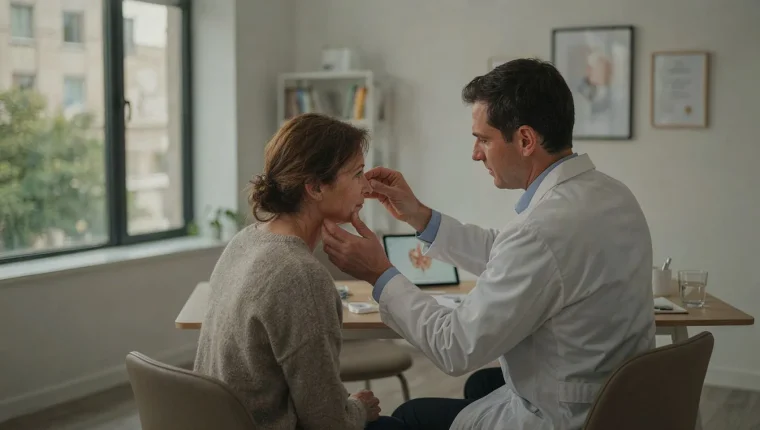
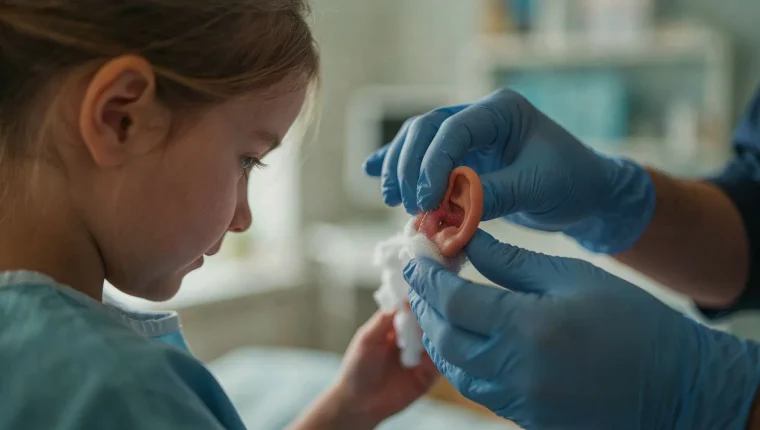
Most people who choose ear correction surgery want ears that sit closer to the head and look natural, without making surgery immediately obvious. That outcome is real, but it does not appear overnight. The otoplasty results timeline is fairly predictable: swelling settles in the first days, bruising fades within a couple of weeks, and the final shape typically becomes clear over the following months. Understanding each stage helps you plan time off work, manage expectations with family and colleagues, and recognize normal healing versus what warrants a call to your surgeon. Protecting your ears during recovery, especially by wearing the headband at night, makes a measurable difference in the long-term stability of the result. Here is how the healing process unfolds, step by step.
The First Days After Surgery: What to Expect

The first 48 to 72 hours after otoplasty are about protecting your ears, not judging them. When you remove or loosen the surgical dressing at your first follow-up visit, expect your ears to look swollen, slightly bruised, and possibly more prominent than you anticipated. This is completely normal and says almost nothing about your final outcome.
Your surgeon will likely place a protective headband or compressive dressing around your ears immediately after the procedure. This bandage serves a critical purpose: it holds the newly reshaped cartilage in position while it begins to heal and protects the area from accidental pressure while you sleep. Keep the dressing clean and dry, and resist the urge to peek underneath, however curious you may be.
During these first days, you may notice some tenderness, a feeling of tightness, and mild to moderate discomfort rather than sharp pain. Most patients manage well with the prescribed medication, and many switch to simple over-the-counter options within a couple of days. Sleeping with your head elevated on two pillows helps reduce swelling and keeps you from rolling onto your ears.
Light activity is fine, but avoid bending over, heavy lifting, or anything that sends blood pressure surging to your head, as this can increase swelling. Plan to take a few days off work or school, and arrange help at home if possible. Think of this early phase as the foundation of your recovery: the calmer and more careful these first days are, the more smoothly the rest of your healing will unfold.
Week One: Early Signs of Your New Ear Shape
By the end of the first week, most patients notice the first real glimpse of what their ears will look like — though what you see now is only a preview, not the finished result. The protective dressing usually comes off around day five to seven, and this is the moment many people describe as the first emotional milestone of recovery. The ears sit closer to the head, the fold looks defined, and the change is immediately visible. What keeps this moment grounded is understanding that the initial ear shape you see at this stage is still temporary and often looks more “done” than it will in the end.
Several things are typical during this week and are worth knowing in advance:
- The ears often appear higher or flatter against the head than intended, simply because swelling pushes them forward — this settles on its own.
- The skin may look shiny or slightly numb, a normal effect of surgical swelling that fades as circulation returns.
- Stitches behind the ear are usually still in place, and the incision line may look red or raised at this point.
- A headband or light dressing is typically worn at night to protect the ears from accidental pressure while sleeping.
- Mild asymmetry between the two ears is common early on, since swelling rarely affects both sides equally.
One detail surprises many patients: the cartilage at this stage is deliberately held in position rather than fully settled. The sutures that shape it are doing the work, so any firmness or slight stiffness you feel is part of the design, not a problem. Patience during this week pays off later, because protecting the ears now directly influences how cleanly the shape holds once the swelling finally goes down.
How Swelling and Bruising Affect the Otoplasty Results Timeline
Swelling and bruising are the two factors that most directly distort what you see in the mirror during the early stages of healing, and understanding their behavior helps you read your progress realistically. In the first days, the ears often look swollen, sometimes noticeably larger or more protruded than expected. This is not a sign of poor results — it is the body’s natural inflammatory response to the surgical adjustment of the cartilage, and it temporarily masks the true contour of your new ear shape.
Bruising typically appears around and behind the ears within the first 48 hours, may spread toward the neck or jawline, and usually fades over one to two weeks. Swelling, however, follows a slower curve: most of it resolves within the first two weeks, but subtle residual swelling can persist for several months. During this period, the ears may look slightly asymmetric, feel firm to the touch, or seem “over-corrected.” All of this is expected.
What matters for your timeline is recognizing that what you see at week one or two is not the final outcome. Swelling holds the cartilage in a temporarily exaggerated position, so judging your results too early often leads to unnecessary worry. Keeping your head elevated, sleeping on your back, and wearing your protective headband as directed all help swelling settle faster and keep both ears healing evenly.
By four to six weeks, as the swelling subsides, the ear’s real shape begins to emerge — and this is usually the first point at which you can fairly evaluate how your results are developing.
When Cartilage Settles Into Its Final Position
Cartilage is not a passive material — it has “memory,” and it tends to spring back toward its original shape after being reshaped. This is why surgeons do not consider the ear truly stable the moment the bandage comes off. The reshaped framework needs time to adapt to its new curves, and this process continues even after the early swelling has faded. Understanding this cartilage memory helps explain why your ears may look slightly different at week six than they did at week two.
During the first month, the cartilage is still relatively soft and slightly swollen, which can make the ear look sharper or more prominent than it will eventually be. As the swelling fully resolves and the tissue softens, the contours become smoother and more natural. Most surgeons point to the six-week to three-month window as the period when the ear begins to hold its shape reliably, although complete internal firming can take longer.
The cartilage remodeling phase is essentially your ear settling in. Gentle pressure, such as wearing a headband while sleeping during the recommended period, supports this process by protecting the ear from being folded or bent during sleep. Once the cartilage has stabilized, the results become permanent in the vast majority of cases, because the reshaped structure no longer tends to revert.
If you notice subtle refinements in symmetry or contour between the second and third month, this is normal settling rather than a problem — it is usually the final step toward your lasting result.
Month by Month: How Your Ears Change Over Time

Once the early healing stages are behind you, the changes become slower and far more subtle — which is exactly why tracking progress by the month is so reassuring. During this phase, the ear you see in the mirror is not the ear you will have in a year, and understanding that difference helps you stay patient instead of anxious.
Here is how the months typically unfold after ear correction surgery:
- Month one: Most visible swelling has resolved, but the ears may still look slightly puffier or redder than expected, especially along the incision lines. The new contour is clearly visible, yet the tissue remains tender to touch.
- Months two to three: Residual swelling continues to drain slowly through the lymphatic system, and the ear gradually softens. Many patients notice that one ear settles slightly faster than the other — this asymmetry during healing is normal and usually evens out.
- Months four to six: The cartilage remodeling phase deepens, meaning the reshaped framework becomes firmer and holds its position more confidently. Sensation begins returning as numb patches slowly regain feeling, often with occasional tingling.
- Months six to twelve: The final refinement stage. Fine swelling disappears, scars fade from pink to a paler tone, and the ear achieves its permanent shape and position.
One detail worth knowing during this period: ears can look “different” from week to week, and that is not a sign of something going wrong. Cartilage responds to the internal tension created during surgery by slowly adapting, softening, and reorganizing its structure over months. Photographs taken at the same angle and lighting each month often reveal progress that day-to-day observation misses entirely.
By the end of the first year, the vast majority of patients have a stable, permanent result that no further change will alter. If you are still noticing minor asymmetry or firmness at the six-month mark, resist the urge to judge the outcome prematurely — the remaining months frequently resolve exactly these kinds of concerns on their own.
Factors That Can Speed Up or Slow Down Healing
No two ears heal on exactly the same schedule, and no two patients do either. Even with an identical surgical technique, one person may see a settled, natural-looking contour at three months while another is still noticing subtle firmness at six. The single biggest influence on this variation is your body’s individual healing capacity — a combination of genetics, age, and overall health that determines how quickly tissue repairs itself and how predictably cartilage holds its new shape.
Age plays a measurable role. Younger patients generally have softer, more pliable cartilage and a more vigorous healing response, which often means the remodeling phase progresses faster. Adults can absolutely achieve excellent results, but their cartilage may take a little longer to soften into its final contour, and mature skin may adapt more slowly to the new ear position.
Lifestyle habits matter more than many patients expect. Smoking is the most significant factor that slows recovery, because nicotine constricts the tiny blood vessels that deliver oxygen to healing tissue. Poor sleep, unmanaged stress, and a diet lacking in protein and key micronutrients all work against the repair processes your body is trying to run. On the other hand, patients who stay well hydrated, eat protein-rich meals, and walk gently every day tend to move through recovery more smoothly.
Following your surgeon’s instructions is its own variable. Wearing the headband as directed, sleeping with your head elevated, and avoiding pressure on the ears are not formalities — each one protects the delicate work done during surgery. Patients who skip compression wear or accidentally sleep on their side in the early weeks sometimes see one ear drift slightly, extending their timeline.
Certain health conditions also influence the pace. Diabetes, autoimmune disorders, and any condition affecting circulation can slow tissue repair, as can certain medications. If any of these apply to you, your surgeon should know before the operation, since they may adjust your aftercare plan to compensate.
The encouraging news: most of these factors are within your control. Consistent aftercare, honest communication with your surgical team, and patience with your own body give you the best possible odds of healing on schedule.
Warning Signs That Your Recovery Is Not on Track
Knowing what a normal recovery looks like makes it much easier to recognize when something is not going the way it should. While most people move through their otoplasty results timeline without complications, a small number experience issues that deserve prompt attention from their surgeon. The key concept to keep in mind is the difference between expected discomfort and signs of a genuine complication — the former fades steadily, while the latter tends to persist or worsen.
Some pain is completely normal in the first days, but pain that intensifies after day three or four, rather than gradually improving, is a signal worth reporting. Similarly, throbbing discomfort that does not respond well to prescribed medication should never be ignored in the hope that it will simply pass.
There are several physical changes that warrant a call to your surgical team. Increasing redness around the incision sites, warmth that spreads beyond the ear, or any discharge — especially if it has an odor — can indicate an infection that needs treatment before it affects your final result. A fever accompanying these symptoms makes the situation more urgent.
Bleeding that soaks through the head bandage is another warning sign. A small spot of staining is common, but active bleeding is not, and pressure or dressing adjustments may be needed. Likewise, if one side of the head dressing feels unusually tight, causes escalating pain, or you notice numbness that does not begin to fade, the dressing may be compressing tissue and should be checked.
Skin condition matters as well. While some color change is expected during healing, skin that turns dark, appears blistered, or feels unusually cool to the touch may signal a circulation problem that requires immediate evaluation.
It is equally important to watch for asymmetry that appears late in the process. Ears are naturally slightly different, but if one ear begins to shift position or the correction visibly loosens after it had seemed stable, the cartilage may not be holding as intended — something your surgeon can address more easily the earlier it is caught.
When in doubt, contact your clinic. Surgeons would far rather answer a concern that turns out to be harmless than miss an early window to correct a developing problem. Prompt communication protects both your comfort and the quality of your long-term outcome.
FAQs
When will I see the final results of my otoplasty?
You'll notice a difference immediately after surgery, but the final results typically appear within 4 to 6 weeks once the swelling subsides. Subtle refinements in ear shape can continue for up to 3 months as residual swelling fully resolves. Since ear cartilage heals quickly, most patients enjoy their permanent, stable results well within the first few months.
How long does swelling last before the ears look natural?
Most swelling after otoplasty settles significantly within the first two weeks, and by the end of the first month your ears will already look close to their final shape. Mild residual swelling can linger for three to six months, subtly softening the contours as the ears take on their natural appearance. Final refinement becomes fully visible around the six-month mark, which is when most patients feel their ears look completely natural.
When can I return to work or school after otoplasty surgery?
Most people return to work or school about one week after otoplasty, once the initial swelling and bruising begin to settle and the head bandage comes off. If your job is physically demanding or involves heavy lifting, plan for two weeks or more so the healing ears are not bumped or strained. Swelling can linger subtly for several weeks, but this typically does not affect your ability to resume daily routines.