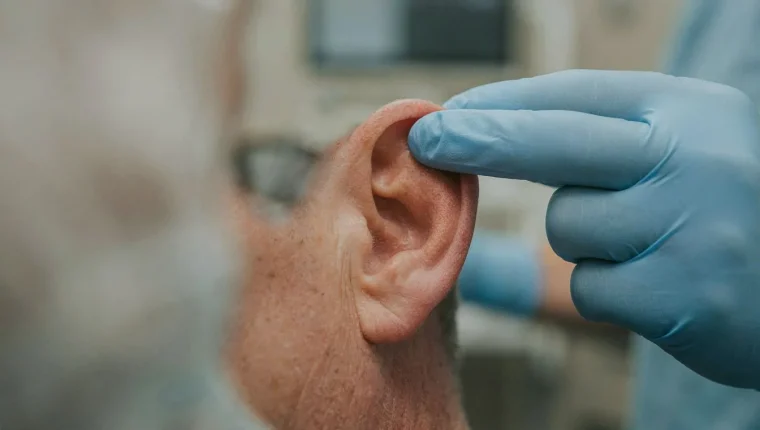
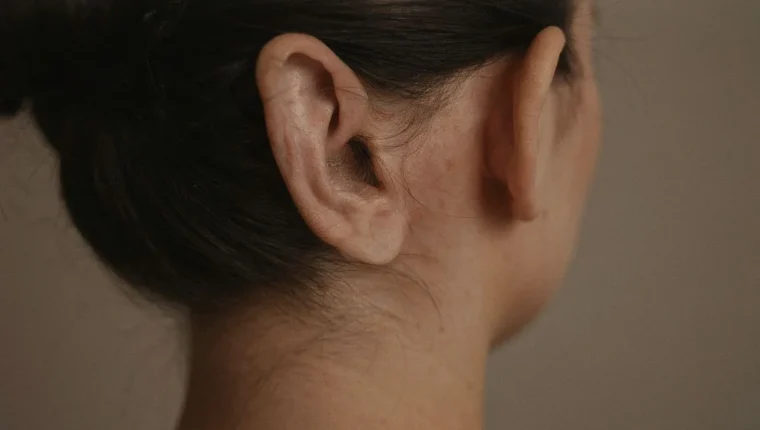
Protruding ears and a torn or stretched earlobe often bother the same person at the same time, yet scheduling two separate operations, paying twice, and recovering twice can feel unnecessary when both concerns are just centimeters apart. The good news is that combining otoplasty with earlobe repair is a well-established approach that many surgeons offer. Whether it makes sense for you depends on a few practical factors: the condition of your ear tissue, the extent of each correction, and your overall health. It is also important to consider how a combined session is planned, what healing looks like when both areas recover together, and whether doing everything at once genuinely saves you money.
Why Combine Otoplasty With Earlobe Repair in a Single Procedure
The first question most people ask is why a surgeon would even suggest fixing both ears in one go instead of spacing the work out. The answer comes down to simple practicality: otoplasty and earlobe repair operate on the same anatomical region, often within centimeters of each other. When a single combined surgical session is planned, the surgeon reshapes the cartilage and repairs the lobe in the same operative field, using the same anesthesia and the same sterile setup.
Think of what the alternative looks like. Two separate operations mean two anesthesia appointments, two sets of fees, two healing phases, and two disruptions to your routine. Combining them collapses all of that into one recovery window. The swelling and tenderness overlap, the headband or dressing protects both areas at once, and your ears settle into their final shape as a whole rather than in disconnected stages.
There is also an aesthetic argument. When protruding ears and damaged lobes are corrected together, the surgeon can balance proportions in a single view — the size, position, and shape of the ear are adjusted in harmony rather than one feature being finalized while the other still awaits treatment. The session may run slightly longer than either procedure alone, but for most patients that trade-off is easily worth it.
Who Is a Good Candidate for Combined Ear Surgery
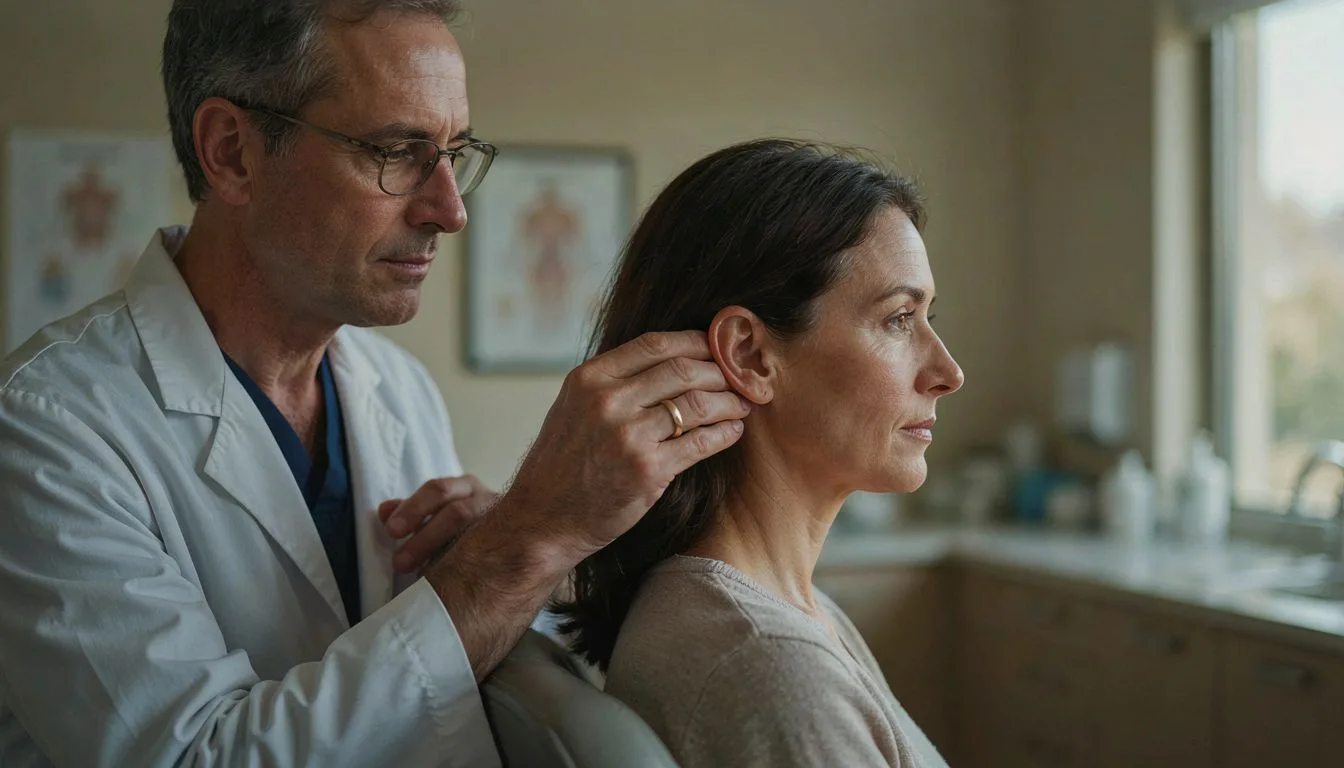
Not everyone with protruding ears and damaged lobes is automatically suited to a single combined session. The best candidates typically have two concerns that are stable and well-defined: ears whose cartilage has fully matured, and lobes with a clear problem to fix — a complete split, an enlarged piercing hole, or a stretched lobe from heavy earrings. When both issues are straightforward, treating them together is usually safe and efficient.
Surgeons also look beyond the ear itself. Healthy skin without active infection, realistic expectations, and good general healing capacity all matter, because a combined procedure asks the tissue to recover from two repairs at once. Smokers, people with poorly controlled diabetes, or anyone with a skin condition affecting the ear area may be advised to address those factors first. Adults and teenagers with mature cartilage generally combine well; young children are usually better served by otoplasty alone, with lobe repair postponed until it is actually needed.
One honest caveat: not every lobe repair belongs in the same session as ear reshaping. A badly split lobe with thin, fragile tissue sometimes heals better when staged separately. The consultation decides — a surgeon examines cartilage firmness, tissue quality, and your goals, then tells you whether one operation or two is genuinely the safer route.
What Happens During a Combined Otoplasty and Earlobe Correction Session
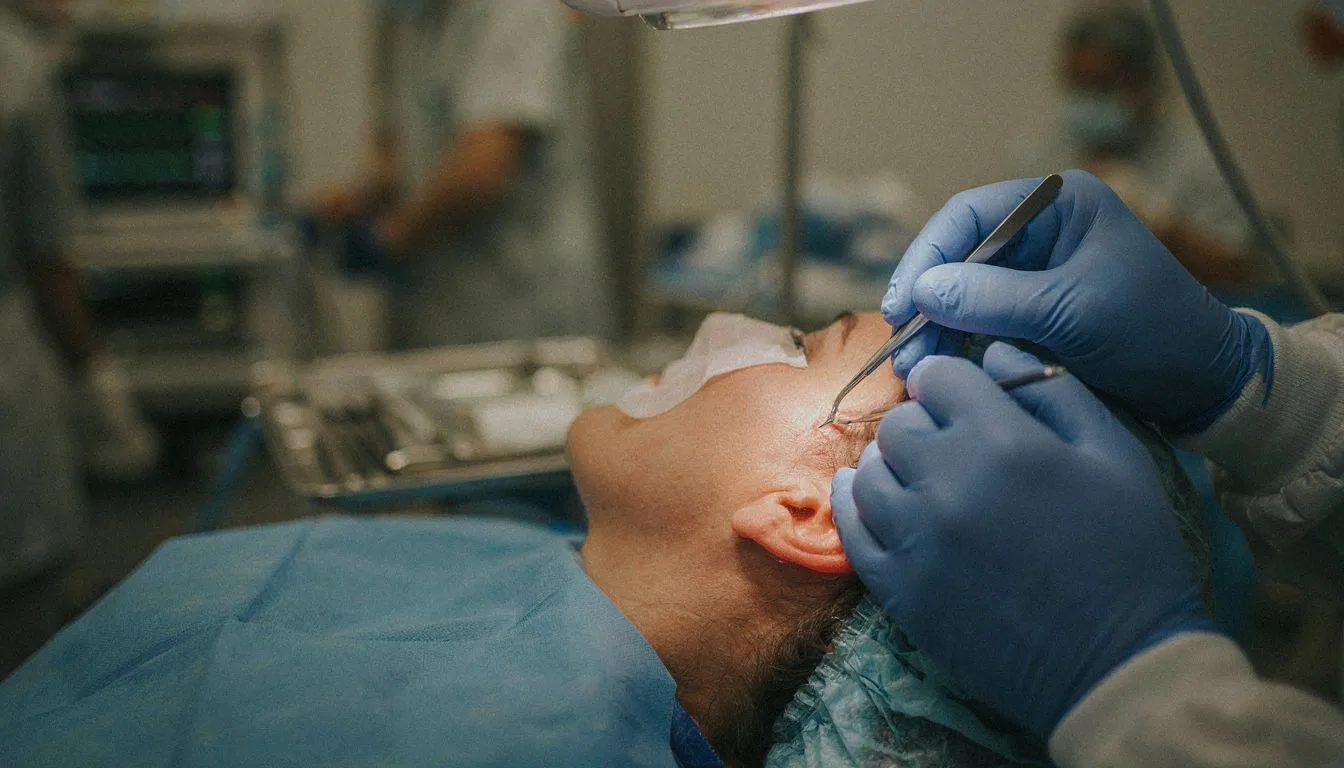
On the day of a combined surgical session, the sequence follows a clear logic: the structure is corrected first, then the detail work. Most combined ear procedures are performed under local anesthesia with sedation, though general anesthesia is an option when the patient prefers it or when the plan is more extensive. The entire session typically takes between one and a half to three hours.
The surgeon begins with the otoplasty portion, reshaping the ear cartilage through an incision hidden behind the ear. Once the new ear position is set and the cartilage is secured, the earlobe correction follows. This order matters — fixing the lobe before the cartilage work is done could mean the repaired lobe ends up misaligned with the ear’s final position.
Lobe repair itself is usually the quicker part. A torn or stretched lobe is trimmed of excess tissue, the edges are freshened, and the lobe is rebuilt in layers with fine sutures. If both ears are involved, the surgeon completes one side fully before moving to the other, keeping the two sides symmetrical throughout.
Because every case differs in anatomy and severity, the exact steps and timing vary — but the overall structure remains the same: reshape, then repair, then close. Stitches are placed in both areas, dressings are applied, and you’ll go home the same day in nearly all cases.
Can Both Ears Be Treated at the Same Time
Yes — in the vast majority of cases, both ears are treated in the same surgical session. This is actually the preferred approach for most surgeons, and the reason is simple: symmetry. Ears work as a pair, and correcting one side while leaving the other untouched creates a real risk of mismatch in position, projection, or lobe shape.
Treating both ears together allows your surgeon to compare and adjust each side during the operation, fine-tuning until the results look balanced. This is especially important when combining otoplasty with earlobe repair, since the lobe contributes significantly to how the overall ear appears.
There are situations where a surgeon may suggest staging the work — for example, if the combined procedure is expected to be unusually lengthy, or if healing issues on one side need assessing before touching the other. For most healthy candidates, though, both ears are handled comfortably in one sitting.
How Recovery Works After Combined Ear Procedures
Recovery from a combined ear procedure is one of the pleasant surprises most patients report: because both corrections heal in the same area, you go through one healing period instead of two. The first few days involve a soft dressing or headband that protects the reshaped cartilage, and you’ll be asked to sleep on your back with your head elevated to avoid pressure on either the ear cartilage or the freshly repaired lobes.
After about a week, the dressing comes off and any external stitches are removed or dissolve on their own. This is where the two procedures differ slightly: cartilage from otoplasty stays tender and swollen for several weeks, while earlobe tissue — rich in blood supply — typically settles much faster. Your surgeon may still ask you to keep the lobe area dry and free of tension, especially if the repair was done on a torn or stretched earlobe.
Most people return to desk work or school within a week to ten days. Strenuous exercise, swimming, and anything that could bend or bump the ears should wait three to four weeks. If you’re hoping to re-pierce your ears, plan on waiting at least six to eight weeks after lobe repair, and only once your surgeon confirms the tissue has fully healed — piercing too early is the most common reason a repaired lobe splits again.
What Scarring Can You Expect After Ear Reshaping and Lobe Repair
The honest answer is that most people around you will never notice them. Scars from ear surgery are among the best-hidden in all of cosmetic procedures, largely because of where the incisions are placed. In otoplasty, the incision sits in the crease behind the ear, so it faces backward and is covered by the ear itself. For lobe repair, the incision runs along the natural edge of the lobe, following lines the eye expects to see anyway.
Fresh scars are the most visible ones — pink or slightly raised for the first weeks — and this is entirely normal. Over the following months, scar maturation gradually softens their color and flattens their texture until they blend into the surrounding skin.
Final appearance also depends on personal factors: your skin type, genetics, and how your body generally heals all play a role. Some people are simply prone to thicker scars, and a good surgeon will assess this risk before operating and discuss it openly.
What you can realistically expect is a thin, pale line behind the ear and a barely visible seam along the lobe — evidence of surgery that only someone looking closely and knowing where to look would ever find.
How Much Does Combined Ear Surgery Cost and Is It Worth It
There is no single price tag for combined ear surgery, and any figure you see online should be treated as a rough reference at best. Costs vary widely depending on the surgeon’s experience and reputation, the country and city where the clinic operates, the type of facility used, whether general or local anesthesia is required, and — most importantly — how extensive each repair actually is. A subtle cartilage reshaping paired with a small lobe closure sits at a very different price point than a complex correction of both ears with significant lobe reconstruction.
What combining reliably changes is the total cost of two separate operations versus one shared session. Because the surgeon, anesthesia, facility fee, and aftercare are largely consolidated, most patients pay noticeably less than they would by scheduling otoplasty and lobe repair months apart. Add in one round of time off work, one set of follow-up visits, and a single healing period instead of two, and the saving extends well beyond the invoice.
Whether it is “worth it” ultimately depends on candidacy, not just math. If your anatomy allows both concerns to be safely addressed together, combining almost always reduces the overall burden — financial, physical, and logistical. But if your case calls for staged treatment for medical reasons, forcing everything into one session is a false economy. The honest value judgment is this: combining is usually the smarter route when your surgeon confirms it is the right route.
FAQs
Can both procedures be done in the same surgery session?
Yes, otoplasty and earlobe repair can typically be combined in the same surgery session, and this is a common approach. Combining them means you only go through anesthesia once, save on facility and anesthesia costs, and recover from both procedures at the same time. Your surgeon will evaluate the health of the ear tissue and overall treatment plan to confirm that doing both at once is safe and appropriate for you.
How long is the recovery when combining otoplasty with earlobe repair?
Recovery typically takes about one to two weeks for the initial healing, during which you'll wear a protective headband and avoid strenuous activity. Since both procedures are performed in the same session, you recover from them simultaneously rather than doubling your downtime. Most swelling and tenderness subside within a few weeks, while final results settle over the following two to three months. Following your surgeon's aftercare instructions closely helps ensure a smooth recovery for both the ear positioning and the lobe repair.
Will insurance cover a combined otoplasty and earlobe repair procedure?
In most cases, insurance does not cover a combined otoplasty and earlobe repair procedure, as both are typically considered cosmetic. Exceptions exist when the surgery corrects a functional problem or reconstructs an ear damaged by trauma, birth defect, or injury, and documentation from your surgeon can support a prior authorization request. If the earlobe repair addresses something like a torn piercing or a keloid causing symptoms, that portion may sometimes qualify for coverage. The best step is to have your surgeon's office verify benefits with your insurer before scheduling, so you know exactly what portion, if any, will be covered.