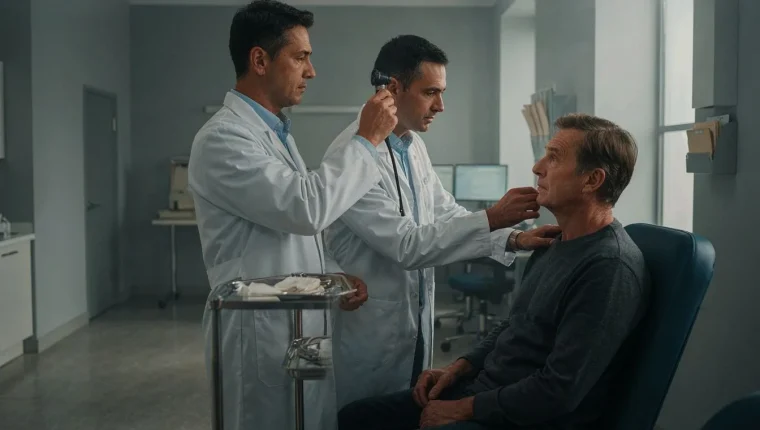
Otoplasty—ear pinning surgery—costs more in Canada than in Turkey, so more Canadians are comparing package deals abroad. If you’re comparing surgery at home with an otoplasty Turkey package for Canadians, you probably have practical questions: What’s included? What does it cost? Is the quality comparable?
This guide answers those questions directly. We’ll walk through package contents, cost comparisons, travel logistics, how to vet a surgeon, recovery timelines, and aftercare once you’re home. What it won’t do is offer medical advice or give you a personal price quote—those require a consultation with a qualified surgeon.
Ready to see whether the numbers and the logistics actually add up? Let’s start with why Turkey became such a popular option in the first place.
Why Canadians Choose Turkey for Ear Pinning Surgery
For most Canadians considering ear pinning surgery abroad, the decision starts with economics—but it doesn’t end there. Turkey has become one of the world’s busiest destinations for cosmetic procedures, and high surgical volume is a genuine factor behind that reputation. Clinics in Istanbul and other major cities perform otoplasty procedures daily, which means many surgeons there build deep, repeated experience with this specific operation rather than treating it as an occasional offering.
That experience matters, because otoplasty is a technique-sensitive procedure where cartilage shaping and symmetry determine the final result. Surgeons who operate frequently tend to refine their approach over hundreds of cases, and Turkish clinics serving international patients often showcase before-and-after galleries and patient volumes that make this track record visible before you commit.
The third driver is convenience. Most Turkish providers sell surgery as a bundled experience: consultations, the procedure itself, aftercare supplies, airport transfers, and hotel accommodation arranged through a single coordinator. For a Canadian flying thousands of kilometres, having one point of contact handle logistics removes much of the planning burden that would otherwise fall on you. These bundles—how they’re structured and what they actually include—are worth examining closely, which is exactly what the next section covers.
What's Included in an Otoplasty Turkey Package for Canadians
Most clinics in Istanbul, Izmir, and Antalya structure their offers as an all-inclusive bundle, and understanding what a typical otoplasty package actually contains is the single most useful step before comparing quotes. Prices that look similar on the surface can hide very different levels of coverage, so it pays to know both the standard inclusions and the fine print.
A well-built quote from a reputable Turkish clinic usually covers:
- Surgical fees: The surgeon’s fee, anaesthesia (usually local with sedation for otoplasty), and operating room costs bundled into one figure.
- Pre-operative testing: Blood work and a basic health screening performed at the clinic a day or two before surgery.
- Medication and dressings: Post-operative antibiotics, pain relief, and the compression headband or dressing needed in the first weeks.
- Transfers: Private airport pickups and all hospital-hotel journeys, which removes navigation stress in an unfamiliar city.
- Accommodation: Typically 4 to 7 hotel nights, sometimes with breakfast included.
- Interpreter or patient coordinator: An English-speaking contact who accompanies appointments and handles communication with the surgical team.
What catches many Canadian patients out is what sits outside the bundle. Flights, visa fees, extra hotel nights for a travelling companion, and any revision surgery are usually excluded, and follow-up appointments after you land back in Canada fall to your own GP or a local specialist. Inclusions also vary with clinic tier: hospital-based practices may include an overnight stay, while smaller private clinics discharge you the same day. Ask every provider to send a written, itemised breakdown rather than a single headline price, so you can compare each line side by side.
How Much Does Ear Reshaping in Turkey Cost Compared to Canada?

The price gap here is significant. In Canada, private otoplasty typically falls somewhere between CAD $5,000 and $8,000 once you account for the surgeon’s fee, anaesthesia, and facility charges. In Turkey, an all-inclusive ear reshaping package generally ranges from roughly USD $2,000 to $3,500—often covering surgical fees, pre-operative testing, medications, transfers, accommodation, and a patient coordinator as described earlier. For many patients, this represents savings of 40–60% even after flights are added. That headline difference is the core of the cost comparison, but it deserves a careful look rather than a quick decision.
Several factors move the number in either country. Revision or complex cases, the technique used, the surgeon’s seniority, and whether the clinic sits in Istanbul versus a smaller city all shift the final quote. Turkish packages also vary in hotel standard and the number of included nights.
Then there are the expenses that rarely make the brochure: return flights from Canada (often CAD $900–$1,500 depending on season), extra hotel nights if you stay longer than the package allows, meals, travel insurance, and spending money. Budget a realistic buffer so savings stay real.
One honest caveat: no published figure replaces a personal consultation. Clinics quote based on your photos and medical history, so treat these ranges as a planning baseline and request detailed written quotes from two or three accredited providers before committing.
Travel and Accommodation Logistics for Your Medical Trip

Most otoplasty trips from Canada follow a similar rhythm: you’ll typically need to stay in Turkey for around five to seven days. This buffer matters because your surgeon will want to remove the initial head-bandage and confirm you’re healing well before clearing you for the flight home. Book flexible or refundable tickets when possible, since final clearance depends on how your recovery progresses.
Direct flights connect Toronto, Montreal, and Vancouver to Istanbul, with connections available to Izmir and Antalya if your clinic is based there. Package transfers usually cover airport pickup, clinic visits, and hotel shuttles, so you rarely need to navigate local transport yourself—helpful when you’re still groggy from anaesthesia or wearing a protective headband.
The accommodation bundled with your package is usually a four- or five-star hotel near the clinic, booked for the length of your stay. Ask whether breakfast and a companion’s room are included, since many patients travel with a partner or friend.
Finally, check that your travel insurance covers you for medical tourism, and carry your surgical report, prescriptions, and clinic contact details in your carry-on for customs and any in-flight needs.
Choosing a Qualified Surgeon and Accredited Clinic
The quality of your outcome depends far more on who operates than on where the clinic is located. Because Turkish law allows any licensed physician to perform cosmetic procedures, verifying a surgeon’s board certification in plastic and reconstructive surgery is the single most important check you can make before committing to any package.
- Confirm the surgeon holds specialist certification from the Turkish Ministry of Health and is a member of TSPRAS (Turkish Society of Plastic, Reconstructive and Aesthetic Surgeons) or an equivalent international body.
- Ask for the specific hospital or licensed surgical facility where your operation will take place, and confirm it holds a current health tourism authorization certificate.
- Request a before-and-after portfolio of ear surgery cases performed by your actual surgeon, not the clinic’s general marketing images.
- Verify the surgeon’s name, registration number, and disciplinary record independently through official registries rather than relying on the website’s claims.
Pay close attention to how the consultation itself unfolds. A credible surgeon will examine your ears, discuss surgical technique options, explain realistic results, and honestly address risks and revision rates. Be cautious if a coordinator—who is not a doctor—rushes the medical assessment, promises perfect symmetry, or discourages you from asking questions.
Marketing materials in this industry are polished by design. Cross-check every claim you’re given: reverse-search clinic photos, read reviews on independent platforms rather than the clinic’s own site, and ask for references from past international patients. When a clinic resists verification steps, treat that resistance as its own answer.
What to Expect During Recovery After Ear Surgery Abroad
Recovery after ear reshaping is generally one of the gentler post-surgical experiences, but the first week still requires discipline. You’ll leave the clinic with soft dressings wrapped around your ears and, in most cases, a protective headband to wear at night. Sleeping with your head elevated and on your back—not on your side—protects the newly shaped cartilage, and any discomfort is usually manageable with prescribed painkillers during the first few days.
The timing of your return flight matters more than many travelers realize. Most Turkish clinics advise waiting roughly 7 to 10 days before flying, once dressings are removed and the initial swelling has started to settle. This is why many otoplasty Turkey packages for Canadians bundle a 7- to 10-night hotel stay; the recovery window is built into the trip itself, not left to guesswork.
Over the following weeks, activity restrictions loosen gradually. Light walking is fine within days, but strenuous exercise, swimming, and any sport with contact or head impact should wait four to six weeks, depending on your surgeon’s guidance. Contact sports often require a full three months.
Keep in mind that healing varies from person to person—cartilage thickness, age, and your body’s response all play a role. Your clinic will give you written instructions before discharge, and those instructions always take priority over general timelines.
Follow-Up Care and Support Once You Return to Canada
One of the most common worries Canadians share before booking is simple: what happens once the flight home lands and the clinic is 8,000 kilometres away? Aftercare rarely ends at the airport. Most established Turkish clinics provide structured remote follow-up for months after surgery—typically through WhatsApp or a dedicated messaging platform, where you send photos of your incisions at agreed intervals and the surgical team confirms healing is on track.
Before you leave Turkey, ask for your complete discharge documentation: operative notes, medication list, suture details, and written post-operative instructions. These records are what allow a Canadian provider to take over meaningfully if needed. It’s worth identifying a local family doctor or walk-in clinic before your trip, so you know exactly where to go if you notice unusual swelling, redness, or discharge.
In-person review in Turkey is rarely required after otoplasty, but reputable clinics will arrange it if complications warrant a return visit. Confirm in writing what your package covers in that scenario. Clear communication channels and organized records are what turn a surgery abroad into a safely managed outcome at home.
FAQs
Is an otoplasty in Turkey safe for Canadian patients?
Yes, otoplasty in Turkey is generally safe for Canadian patients when performed at accredited hospitals and clinics by board-certified plastic surgeons. Turkey is a leading destination for cosmetic ear surgery, with many surgeons who are members of international organizations such as ISAPS and facilities that meet JCI standards. As with any surgery abroad, safety depends mainly on choosing a qualified surgeon, verifying clinic credentials, and following pre- and post-operative instructions, including attending follow-up consultations once you return to Canada.
How much cheaper is a package compared to surgery in Canada?
A package (typically a fixed-price medical travel bundle covering surgeon fees, hospital costs, anesthesia, and aftercare) in Canada is generally 40–60% cheaper than paying for the same procedures individually or through separate billed services. Savings are largest for bundled packages like cosmetic surgery, dental work, and bariatric procedures, where clinics consolidate costs into one upfront price. Exact savings vary by procedure, province, and clinic, so comparing itemized quotes against package pricing is the best way to confirm the discount.
What is typically included in the price — flights, hotel, aftercare?
In medical tourism packages, the price typically includes the medical procedure itself, hospital or clinic fees, hotel accommodation for a specified number of nights, transfers between the airport, hotel, and clinic, and a defined aftercare period such as follow-up appointments, medications, and post-operative check-ups. International flights are usually not included, though some premium packages may offer them as an option. Most providers also cover complications insurance or a guarantee for revisions related to the procedure. Always request an itemized quote so you know exactly which services are included before booking.