Turkey’s otoplasty prices look too good to be true, so read this guide. Clinics advertise attractive headline quotes, but the final invoice often tells a different story. Many patients only discover the hidden costs of otoplasty in Turkey after they’ve already booked their flight.
Here is what this guide does: it breaks down every cost component that sits outside the advertised price — from pre-operative tests and anesthesia fees to compression garments, medications, and potential revision surgery. By the end, you’ll know precisely what questions to ask before paying a deposit.
What this guide does not cover: how to choose a clinic or the details of surgical techniques. Our focus is strictly on money — what you’ll actually pay versus what you’re promised.
Think of this as your budgeting checklist. The quote is only the beginning; the real number may surprise you.
Why the Advertised Price Rarely Matches the Final Bill

Most clinics in Istanbul, Ankara, and Izmir promote otoplasty with a single headline figure — often between $1,500 and $2,500 — designed to rank well in search results and capture inquiries. This number is usually a marketing-driven base price, not a guaranteed total. It typically assumes the simplest surgical case, local anesthesia, and a clinic-owned facility, and it frequently applies only to patients who book quickly or commit a deposit within a limited window.
How a quote is structured matters just as much as the number itself. Package pricing bundles surgery with extras like hotel transfers and aftercare, which sounds convenient but makes it difficult to see what the surgery actually costs. Itemized billing is more transparent, yet many clinics reveal the full breakdown only after you arrive in Turkey — at which point flights are booked and negotiating leverage is gone.
The conditions attached to advertised rates are where surprises breed. Quotes may exclude pre-operative tests, anesthesia fees, compression garments, or the surgeon’s fee being quoted separately from the facility fee. Patients most often discover these gaps at the payment stage, when a coordinator hands over an invoice noticeably higher than the number that convinced them to travel. Reading every offer against an itemized checklist before booking is the single most effective way to protect your budget.
The Otoplasty Turkey Hidden Costs Patients Often Overlook
What does that attractive quote leave out? In most cases, the advertised figure covers only the surgeon’s fee and basic operating costs — everything surrounding the procedure is where the true hidden costs of otoplasty in Turkey accumulate. Patients routinely discover they must pay separately for pre-operative blood work and consultations, anesthesia and hospital facility fees, post-operative medications and compression headbands, follow-up appointments, and, in some clinics, even the removal of stitches.
For international patients, the picture widens further. Flights, hotel stays, airport transfers, meals during a 7–10 day recovery window, and potential lost income from extended time off work rarely appear in any surgical quote. And if the ears need refinement, revision surgery costs are typically quoted as a separate procedure — sometimes with no discount at all.
Individually, these items may seem small, but together they often add 20–40% on top of the base price. Understanding each category in detail — starting with the fees charged before you even reach the operating table — makes budgeting far more realistic.
Consultation Fees and Pre-Surgery Medical Tests
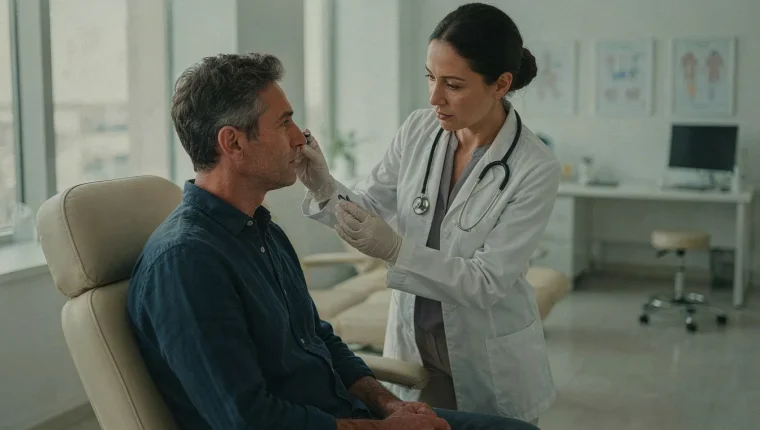
Even before the surgery day arrives, some clinics start adding to your bill. Many international patients assume the consultation is free—after all, the friendly WhatsApp coordinator seemed eager to chat at no charge. But an in-person examination with the surgeon, often required before you’re cleared for surgery, can carry a fee ranging from $50 to $150, and some clinics deduct it from your total only if you go ahead with the procedure.
Pre-operative testing is another area where invoices grow quietly. Typical requirements include blood work, an ECG, and sometimes a chest X-ray, depending on your age and medical history. Some bundles include these tests; others bill them separately at $100–$200.
Before paying any deposit, ask the clinic three direct questions: Is the surgeon’s consultation included in the quote? Are all pre-operative tests covered, and at which facility? Will I receive a written breakdown of these charges before traveling? Getting written answers protects you from discovering on arrival that “free assessment” only applied to the online photo evaluation.
Anesthesia and Hospital Charges Not Included in Quotes
Of all the line items that surprise patients after surgery, anesthesia and facility charges are among the most common. The type of anesthesia you receive has a direct impact on cost: local anesthesia with sedation is considerably cheaper, while general anesthesia requires an anesthesiologist, monitoring equipment, and sometimes an overnight hospital stay — each billed separately from the surgeon’s fee.
Many advertised quotes cover only the surgeon’s work and assume the simplest anesthesia option. If your case requires general anesthesia, or if you opt for it for comfort, expect an anesthesia fee and operating room charge to appear as distinct items on your invoice. Some clinics also add a facility fee for using their operating theater, or a higher rate if the procedure takes place in a full-service hospital rather than a clinic setting.
The reason these costs get excluded is simple: separating them makes the base price look more competitive online. To protect yourself, ask the clinic for an itemized quote that explicitly states whether anesthesia, the operating room, and any hospital stay are included. A transparent clinic will answer in writing without hesitation — and that answer tells you a great deal about how the final bill will look.
Post-Operative Medications, Dressings, and Follow-Up Visits

Once the surgery is over, many patients assume every expense ends with it — but the recovery period carries its own price tag. Antibiotics, painkillers, and antiseptic solutions are sometimes included in a clinic’s package, yet other clinics hand you a prescription and expect you to cover them out of pocket. For international patients, filling these prescriptions at a pharmacy in Turkey or after flying home can add an unexpected but manageable expense.
Then there is the compression headband, which most surgeons require patients to wear for several weeks — often only at night after the first month. Basic versions are usually provided, but replacement bands, or higher-quality ones recommended for comfort, typically come at an extra cost of $20–$50 each.
Follow-up care deserves special attention if you live abroad. Reputable clinics include in-person suture removal and early check-ups while you are still in Turkey, then switch to remote follow-up via photos or video calls once you return home. Others charge separately for each review, even for overseas patients. Before booking, ask exactly how many follow-up visits are covered, whether suture removal is bundled, and what happens if a complication appears after you have flown home — these answers reveal far more about a clinic’s real pricing than the initial quote.
Revision Surgery: Who Pays When Results Need Correction
Very few patients ask about revision surgery before booking, yet it is one of the most financially significant questions in the entire process. Ear corrections occasionally need refinement — an asymmetry left slightly uneven, or a fold that healed differently than planned. Who covers that second procedure depends entirely on the clinic, and the answers vary enormously.
Some clinics offer a free revision if it is requested within a set window, often six to twelve months after the first operation. Others provide a discounted rate but still charge for anesthesia, hospital fees, and materials. A considerable number simply treat a revision as a brand-new surgery at full price. International patients face an additional layer: flying back to Turkey for a minor correction may cost as much as, or more than, a local procedure done at home.
Before paying any deposit, ask the clinic to put its revision policy in writing — the exact timeframe, what is covered, and what you would pay for the operating room and anesthesia. A vague verbal promise of “we’ll take care of it” offers little protection once you are home and the healing has not gone as expected.
Travel, Accommodation, and Recovery Expenses to Budget For
Beyond the clinic’s invoice, the travel side of your trip deserves its own budget line. Most surgeons recommend staying in Turkey for 7 to 10 days after otoplasty — long enough for your first follow-up appointment and initial healing check before you fly. Round-trip flights vary widely by season and departure city, and you’ll need a hotel for the full stay, ideally one near the clinic. Many patients underestimate how much a two-star upgrade in comfort matters when recovering.
Don’t forget the people and logistics around you. If a companion travels with you — which most surgeons advise for the first day or two — their flights, meals, and accommodation double part of your budget. Taxis and airport transfers in Istanbul or Izmir add up quickly, so ask whether the clinic includes pickup services.
Finally, plan for recovery at home: time off work, typically a week or more for office jobs, and any help with childcare or household tasks during your first days back. Factoring these in from the start keeps your finances as predictable as your results.
FAQs
What is otoplasty typically included in the quoted price in Turkey, and what often gets left out?
In Turkey, otoplasty quoted prices typically include the surgeon's fee, anesthesia, hospital or clinic costs, pre-operative tests, compression garments or headbands, standard medications, and routine post-operative check-ups. Many all-inclusive medical tourism packages also add airport transfers, hotel accommodation, and an interpreter. Costs usually left out include potential revision surgery, treatment of complications requiring hospitalization, extended stays, and travel expenses for companion flights or extra nights. Always request a detailed itemized quote before booking to confirm exactly what is covered.
Do I need to budget separately for consultations, medications, compression bands, or follow-up visits after ear surgery in Turkey?
Yes, in most cases these items are not included in the standard quoted surgery price, so it's wise to budget separately. Initial consultations are often free or included, but prescription medications, compression headbands, and follow-up visits—especially if you return home abroad shortly after surgery—may incur extra costs. Some Turkish clinics offer all-inclusive packages covering aftercare and garments, so confirm exactly what your quoted price includes before booking.
How can I spot clinics that advertise low prices but add hidden fees later?
Ask for a written, itemized quote before committing, and insist that it covers all costs including consultations, anesthesia, tests, medications, follow-up visits, and any potential revisions. Red flags include prices quoted only verbally, pressure to pay large deposits upfront, vague "starting from" pricing, and reluctance to put guarantees in writing. Check independent patient reviews specifically mentioning unexpected charges, and confirm whether the quoted price applies to your specific case or could change after in-person examination. Legitimate clinics will transparently explain what is and isn't included before you pay anything.