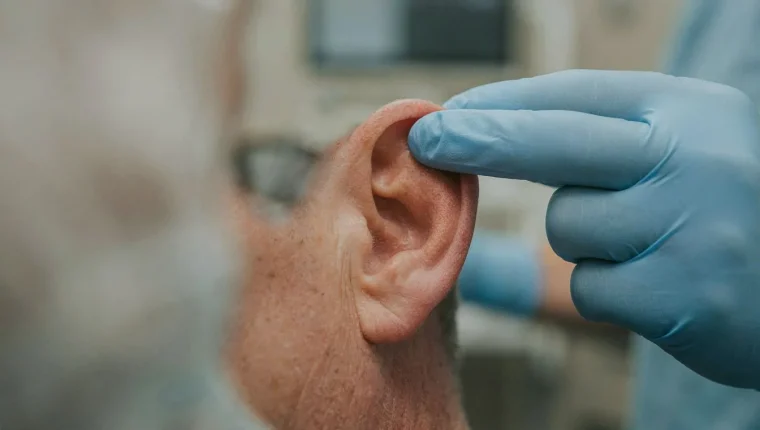
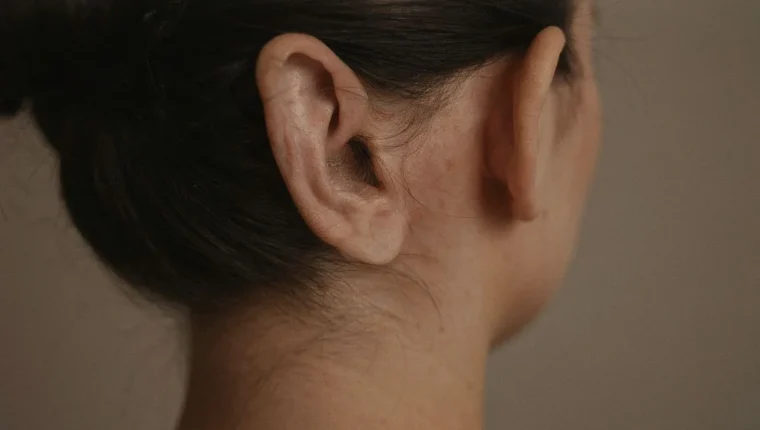
Protruding ears are one of the most common cosmetic concerns, and the good news is that you have more than one way to address them. Traditional otoplasty has been the gold standard for decades, reshaping cartilage through a small incision behind the ear. But in recent years, nonsurgical otoplasty — often done with ear stitches in younger children or fillers in adults — has become a popular alternative for those who want to avoid surgery. Each option has advantages: surgical correction delivers permanent, dramatic results, while the nonsurgical approach costs less, involves minimal downtime, and works well for mild cases. The right choice depends on your age, anatomy, budget, and how much correction you actually need. This comparison can help you decide which option fits your situation.
What Is Otoplasty and How Does It Work?
Otoplasty is a surgical procedure designed to reshape, reposition, or reduce the ears, most commonly to correct protruding ears that stick out noticeably from the head. Unlike many cosmetic surgeries that change how you look to others, it works by adjusting the underlying structure of the ear itself—mainly the cartilage that gives the ear its shape and position.
During a typical procedure, a surgeon makes a small incision behind the ear, where any scar will remain well hidden. From there, the technique depends on the problem being addressed. If the ear lacks a natural fold in the upper cartilage, the surgeon may create one using permanent internal stitches. If the deep bowl of the ear (the concha) is oversized and pushes the ear outward, a small amount of cartilage can be removed or repositioned to bring the ear closer to the head. This core step of reshaping and repositioning the ear cartilage is what defines the surgical approach.
The procedure usually takes one to two hours and can be performed under local or general anesthesia, depending on the patient’s age and preference. Children often have it done between ages five and seven, when ear growth is nearly complete, though adults make up a significant share of patients as well.
Because the changes are made to the cartilage and its anchoring stitches, the results are considered permanent. That structural durability is one of the main points of comparison when weighing this option against its non-invasive alternative, which we will look at next.
What Is Nonsurgical Otoplasty and How Does It Work?
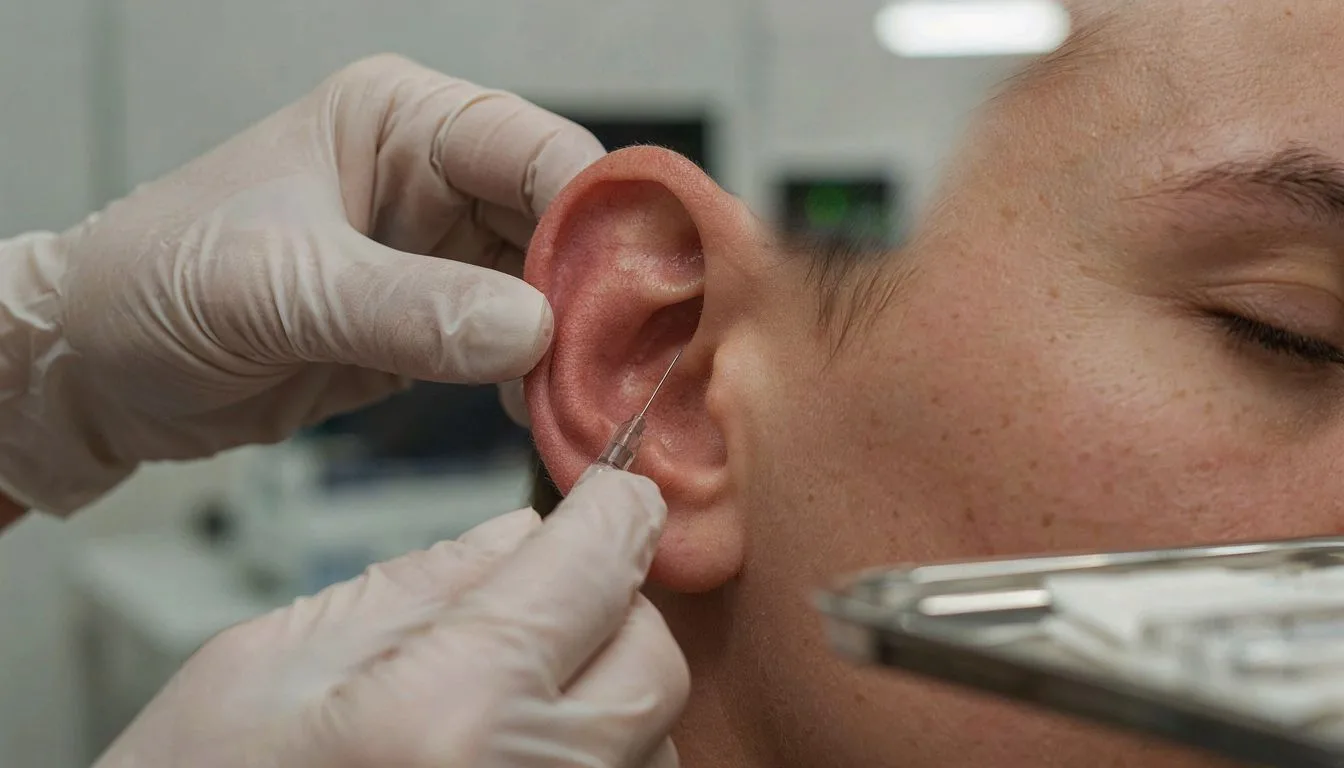
Nonsurgical otoplasty offers a way to reshape the appearance of protruding ears without a single incision. Instead of cartilage removal or repositioning through surgery, this approach relies on dermal fillers — typically hyaluronic acid-based gels — injected strategically around the ear to create the illusion of a tighter, less prominent ear. It is important to understand that fillers do not actually reposition the cartilage; they add volume in specific areas, which visually changes how the ear sits relative to the head.
The procedure itself is remarkably quick. After applying a topical numbing cream or a local anesthetic, the practitioner injects small amounts of filler along the concha (the bowl-shaped part of the ear) or behind the ear’s fold. Because the ear sits close to the skull, even one or two milliliters of filler can make a noticeable difference in how flat the ear appears against the side of the head.
Several concerns respond particularly well to this technique:
- Mild protrusion: Ears that stick out slightly, rather than dramatically, often achieve a satisfactory result with volume correction alone.
- Asymmetry after previous surgery: Fillers can fine-tune small irregularities left behind by an earlier otoplasty without returning to the operating room.
- Underdeveloped ear folds: Adding filler along the antihelical fold can create the appearance of a more defined contour.
- Lobule reshaping: Heavy or elongated earlobes can be subtly lifted and reshaped with targeted injections.
The entire appointment usually takes 30 to 45 minutes, and results are visible immediately. Since hyaluronic acid is gradually absorbed by the body, the effect is temporary — most patients maintain their results for 12 to 18 months before a touch-up is needed. There is no general anesthesia, no stitches, and no scarring, which is precisely what draws many people to this option in the first place. The technique has limits: it cannot correct severe protrusion, reshape large amounts of cartilage, or address structural deformities, so a proper evaluation matters before choosing between the two paths.
Otoplasty vs Nonsurgical Otoplasty: Key Differences Explained
Now that both approaches have been explained on their own, it becomes much easier to see where they truly diverge. The most fundamental distinction comes down to invasiveness: traditional otoplasty physically repositions and reshapes the ear cartilage through incisions, while the nonsurgical method relies on dermal fillers to add volume and visually correct the ear’s contour without touching the cartilage itself.
This difference drives nearly every other distinction between the two. Because surgery modifies the cartilage structure, it can correct a wide range of concerns — from significantly protruding ears to missing folds and large conchas. Fillers, on the other hand, work by filling and supporting, which means they can only address issues where added volume creates the illusion of a better-shaped ear.
The duration of results reflects the same logic. Surgical otoplasty delivers permanent correction, since repositioned cartilage heals into its new position. Filler-based correction is temporary by nature, typically lasting between 12 and 18 months before the body gradually absorbs the material and touch-ups become necessary.
Cost structures also differ in an interesting way. Surgery involves a higher upfront investment, while fillers cost less per session — though repeated treatments over the years can accumulate into a considerable expense of their own.
Finally, the two methods differ in what they can and cannot fix. Nonsurgical otoplasty is genuinely effective for mild protrusion, underdeveloped folds, minor asymmetry, or lobule reshaping, but it cannot dramatically reposition an ear or reduce its size. Understanding these boundaries is what allows patients to match the right technique to their actual anatomy rather than their expectations.
Who Is a Good Candidate for Each Option?
Not everyone achieves the same outcome from these two approaches, and understanding where you fit makes the decision far easier. The single most important factor in determining candidacy is the degree of ear protrusion and the underlying anatomical cause.
Surgical otoplasty is generally the right choice for individuals with significant protrusion, an absent or poorly formed antihelical fold, or a deep conchal bowl that pushes the ear outward. It is also the preferred route for adults seeking permanent correction and for children, typically aged five or older, whose ear cartilage has developed enough to hold sutures securely. Because surgery physically repositions and reshapes cartilage, it can correct even severe deformities and restore symmetry after trauma.
Nonsurgical otoplasty, by contrast, suits a narrower but important group. It works best for people with mild protrusion, subtle asymmetry, or ears that already have a reasonable structure but simply need a small cosmetic adjustment. Dermal fillers can also refine the earlobe or soften irregular contours left by a previous procedure, making it a popular touch-up option rather than a stand-alone fix for major reshaping.
Age and health status matter in both cases. Surgical candidates should be non-smokers or willing to quit, free of conditions that impair healing, and emotionally prepared for anesthesia and recovery. Nonsurgical candidates need realistic expectations about temporary results and should not have active skin infections or certain allergies near the treatment area.
If your ears protrude noticeably and you want a lifelong solution, surgery remains the gold standard; if your concern is minor and you want to test the waters without going under the knife, the nonsurgical route may be all you need.
Comparing Results: How Long Do They Last?
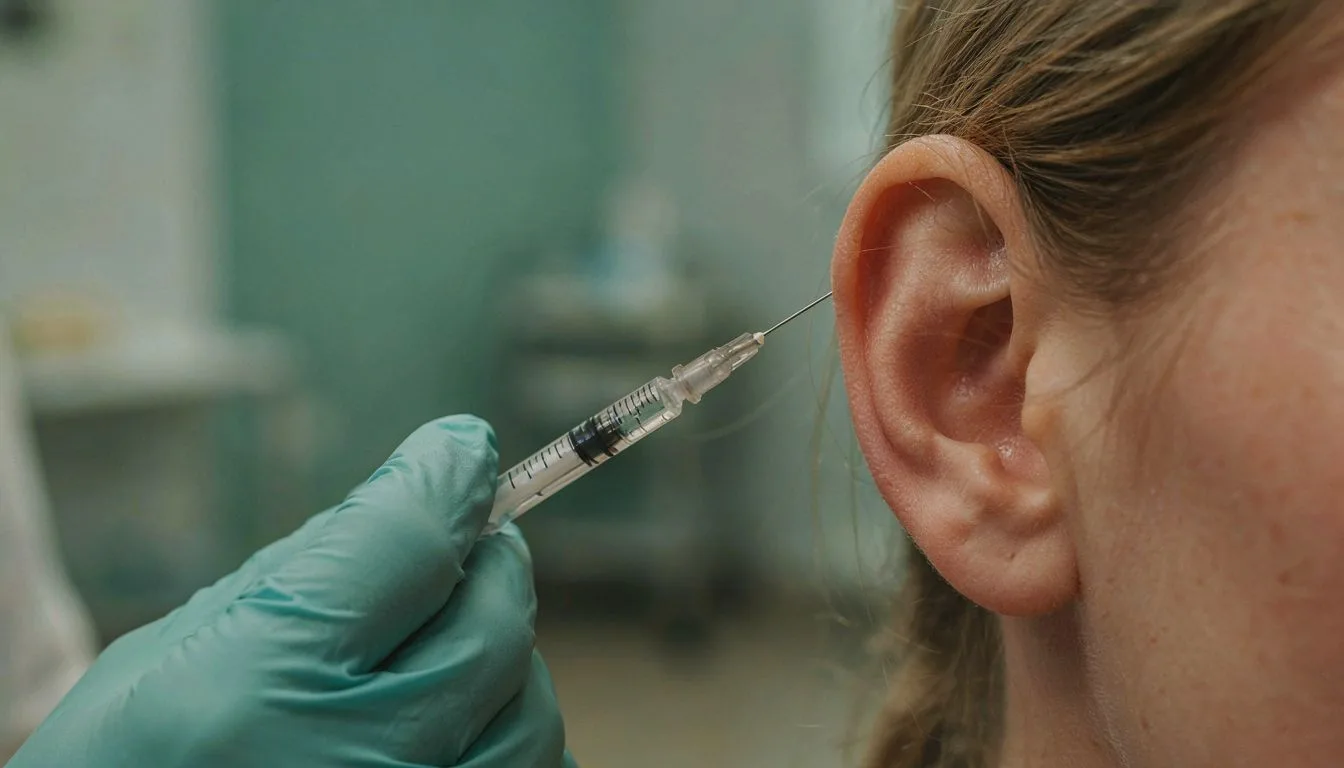
Longevity is where the gap between the two approaches becomes most obvious. Because surgical otoplasty physically repositions the ear cartilage and holds it in place with permanent internal sutures, the correction is designed to be permanent. Once the cartilage heals in its new position, the ears almost never return to their original shape, and results typically last a lifetime. Nonsurgical otoplasty, on the other hand, relies on dermal fillers that the body gradually breaks down, so its results are real but temporary by nature.
With that distinction in mind, here is what you can realistically expect from each path:
- Surgical otoplasty results: In most cases, the correction lasts permanently. Only a small minority of patients experience changes years later, usually from significant trauma or incomplete healing.
- Nonsurgical results with filler: Expect the improved contour to hold for roughly 12 to 24 months, after which the filler is absorbed and the ear gradually returns to its previous appearance.
- Maintenance requirements: To keep the nonsurgical result, patients need repeat filler sessions one to two times per year, which adds to the cumulative cost over time.
- Early stability after surgery: Surgical results can shift slightly during the first weeks while swelling resolves, but once healing completes around the three-month mark, the new ear position is stable.
- Filler predictability: Nonsurgical results tend to fade gradually rather than disappear suddenly, so patients can see the effect diminishing and schedule a touch-up before the correction is fully lost.
Cost dynamics follow the same pattern. A surgical procedure is a larger single investment, but it is paid once. Nonsurgical treatment looks affordable at first, yet the recurring sessions mean the total expense over five to ten years can approach the price of surgery, without the permanence.
It is also worth remembering that fillers work by adding volume to reshape or balance the ear, not by actually repositioning cartilage. If protrusion is caused by cartilage positioning, fillers may soften the appearance temporarily but cannot match the structural correction surgery provides. This is why many surgeons describe the nonsurgical option as an excellent preview rather than an equivalent substitute for those seeking a lasting change.
Recovery and Downtime: What to Expect
Recovery is often the deciding factor for people weighing these two options, and the difference between them is striking. Surgical otoplasty, despite being a relatively minor operation, still involves incisions, cartilage reshaping, and sutures, so your body needs real time to heal. Nonsurgical otoplasty, by contrast, has virtually no recovery period at all.
After surgical otoplasty, you can expect a head bandage worn for the first several days to protect the ears and hold them in their new position. Most patients take about a week off work or school, and swelling, bruising, and a feeling of tightness are completely normal during this window. Sleeping on your back with your head elevated helps reduce swelling, and you will need to avoid anything that bends the ears—headbands, headphones, and contact sports—for several weeks. Strenuous exercise is typically restricted for about a month, and the final contour continues to refine as residual swelling subsides over the following months.
Nonsurgical treatment follows an entirely different rhythm. Because dermal fillers are injected through a fine needle, there is no bandaging, no stitches, and no significant downtime. You can usually return to your daily routine immediately after the appointment. Mild swelling or tenderness at the injection sites may appear, but it typically settles within a day or two. The main aftercare points are simple: avoid pressing on the ears, skip intense workouts for 24 hours, and steer clear of very hot environments like saunas for a short period so the filler integrates properly.
“no downtime” does not mean “no precautions.” If you are considering the surgical route, plan around events that matter—weddings, travel, or sports seasons—so the healing phase does not collide with your calendar. And if you choose fillers, remember that schedule flexibility works both ways: touch-up appointments are quick, but they become part of your ongoing routine.
In short, surgery demands patience and planning upfront in exchange for lasting results, while the nonsurgical path fits seamlessly into a busy life but asks for periodic maintenance instead.
Which Option Is Right for You?
Choosing between surgical and nonsurgical ear correction ultimately comes down to matching the treatment to your anatomy, your goals, and how much change you actually need. The most reliable way to make this decision is an honest anatomical assessment — because the degree of protrusion and the underlying cause determine which option can realistically deliver the result you want.
If your ears protrude significantly, or if the problem stems from an underdeveloped antihelical fold or an overly deep concha, surgical otoplasty is usually the only option capable of producing a lasting, structural correction. Surgery reshapes cartilage itself, which is why its results are considered permanent. For children and teenagers, or adults who have lived with prominent ears for years, this durability often outweighs the longer recovery.
Nonsurgical otoplasty makes the most sense in narrower scenarios. Mild protrusion, minor asymmetry after a previous surgery, or subtle refinements to the earlobe can often be addressed with filler — quickly, comfortably, and without a head bandage or time away from work. If you are hesitant about surgery, or simply want to preview how a smaller change would look, filler offers a low-commitment way to test the waters. Just remember that results typically last 12 to 18 months, so maintenance appointments become part of the equation.
Practical considerations matter too. Ask yourself a few honest questions: How prominent are your ears, really? Can you accept a temporary result that requires topping up? Does your schedule allow for a week or more of visible recovery? Is cost spread over time (filler) or paid once (surgery) more manageable for you? There is no universally correct answer — only the answer that fits your specific situation.
One final note: whichever direction you lean, a consultation with a qualified facial plastic surgeon is the step that turns guesswork into a plan. An experienced specialist can examine your ear anatomy, tell you candidly whether filler will achieve what you imagine, and — in some cases — even combine both approaches to fine-tune results after surgery.
FAQs
How long do the results of nonsurgical otoplasty last compared to surgical otoplasty?
Surgical otoplasty delivers permanent results, since the cartilage is reshaped and secured with internal sutures, and corrections typically last a lifetime. Nonsurgical otoplasty, which uses ear molds or splints to reshape cartilage, works only while the cartilage is soft — in newborns it can be permanent, but in older children and adults the ear usually returns to its original shape within days to weeks once the device is removed. For adults seeking a lasting correction, surgery remains the more reliable option.
Is nonsurgical otoplasty effective for correcting prominent ears in adults?
Nonsurgical otoplasty can be effective for adults with mild to moderate ear prominence, particularly when the issue stems from an underdeveloped antihelical fold that can be corrected with an earfold implant or similar technique. It offers immediate, predictable results with local anesthesia, minimal downtime, and a much lower cost than surgical otoplasty. However, it cannot address all concerns—such as large conchal bowls, significant asymmetry, or skin excess—so adults with more complex deformities will typically achieve better, longer-lasting correction with traditional surgical otoplasty.
Which option has a shorter recovery time, surgical or nonsurgical otoplasty?
Nonsurgical otoplasty has a shorter recovery time, with most people returning to normal activities within a day or two and experiencing only mild swelling or tenderness. Surgical otoplasty typically requires one to two weeks of downtime, along with a headband worn for several weeks to protect the results while healing. If a quick return to your routine is a priority, the nonsurgical option clearly wins—though it's worth remembering that its results are temporary.