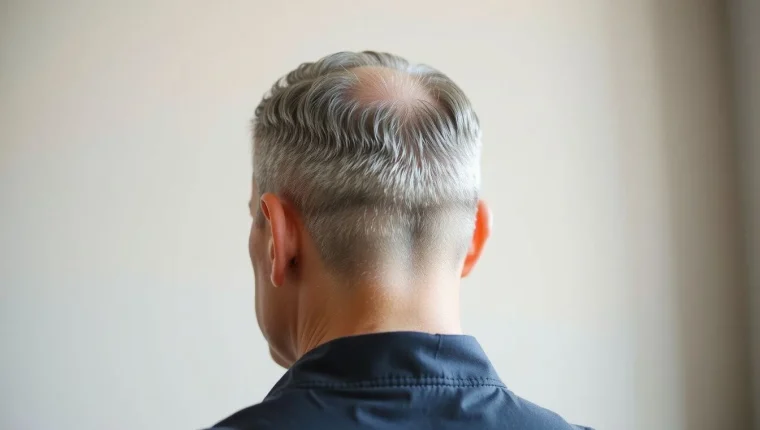
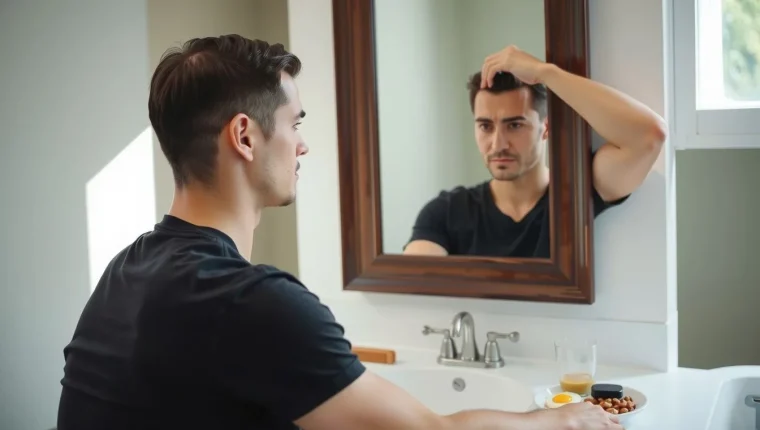
Noticing more hair in your brush, a wider part, or a thinner ponytail often gets blamed on stress or age. But in many women, hormones are the cause. Hair grows in cycles, and hormones help regulate how long each strand stays in its growing phase. When levels of certain hormones rise, fall, or shift, more follicles enter the resting phase and shed earlier than they should. The result is gradual thinning or diffuse loss that can be hard to explain. The hormones most often involved include androgens, estrogen, progesterone, thyroid hormones, and cortisol. Understanding which one is behind your hair loss is the first step toward choosing the right tests and treatment.
The Role of Androgens in Female Pattern Hair Loss
Although androgens are often described as “male” hormones, women produce them too — primarily testosterone and androstenedione, made in the ovaries, adrenal glands, and peripheral tissues. These hormones circulate at much lower levels than in men, yet they still influence skin, sebaceous glands, and hair follicles throughout a woman’s life.
What matters most in female pattern hair loss is not simply how much androgen is present, but how sensitive a woman’s hair follicles are to it. This sensitivity is largely genetically determined. A follicle with higher androgen receptor activity can respond to even normal circulating levels of testosterone by gradually shrinking, a process called miniaturization. This explains a puzzling pattern many women notice: blood tests often come back within normal ranges, yet thinning still progresses.
This follicle-level sensitivity is why androgens remain the central suspect in patterned hair loss. The typical distribution — widening of the part, diffuse thinning over the crown, and preservation of the frontal hairline — reflects which follicles are genetically predisposed to respond. It also explains why some women with elevated androgens (as in PCOS) experience significant loss, while others with normal levels do not.
Understanding this distinction matters, because it shifts the focus from simply measuring hormone levels to evaluating how a woman’s follicles are responding — the foundation for the sections that follow.
How DHT Affects Hair Follicles in Women
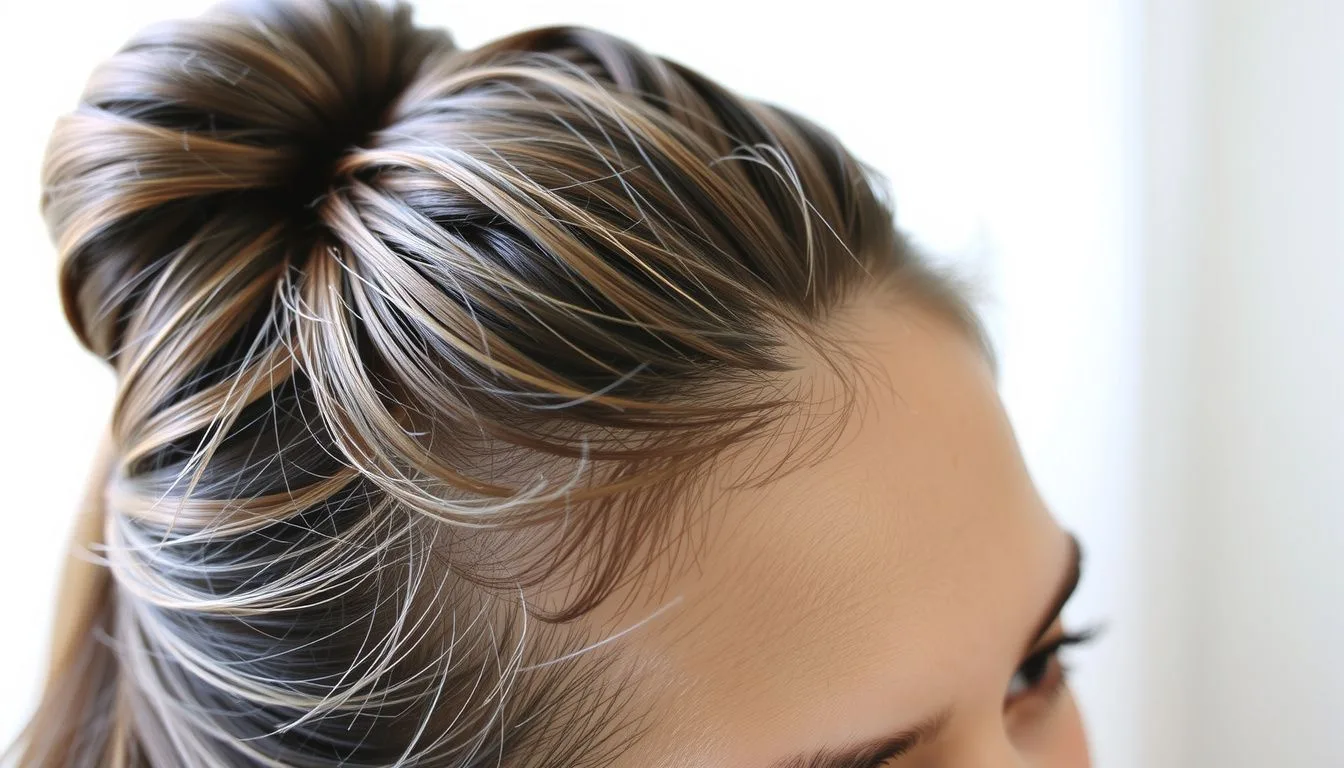
DHT, or dihydrotestosterone, is a potent androgen created when the enzyme 5-alpha reductase converts testosterone in the body. While testosterone circulates widely, DHT binds to androgen receptors in hair follicles with far greater affinity, which is why even small amounts can have an outsized effect on scalp hair.
In women with a genetic predisposition, DHT targets susceptible follicles along the frontal hairline and crown. Once it binds, it gradually shrinks the follicle in a process called miniaturization. Each growth cycle produces a hair that is thinner, shorter, and less pigmented than the last, until the follicle eventually stops producing visible hair altogether.
This is why the change is usually gradual rather than sudden. A widening part, a thinner ponytail, or a slowly receding hairline reflects years of cumulative miniaturization rather than a single trigger event. It also explains why the pattern is diffuse in women, spreading across the top of the scalp rather than forming the distinct bald patches seen in men.
Sudden, heavy shedding across the whole scalp is a different process, often linked to stress, illness, or non-androgen hormonal shifts, and it does not follow the same slow thinning pattern that DHT drives.
Estrogen, Progesterone, and Their Impact on Hair Growth Cycles
Hair does not grow continuously; it moves through a repeating growth cycle with three phases. The anagen phase is the active growing period, catagen is a short transitional stage, and telogen is the resting phase before a hair sheds. Estrogen and progesterone help keep a larger share of follicles in anagen, which is why hair often feels thicker when these hormones are stable and more prone to shedding when they fall.
Life stages that shift these hormones often show up in the hair first. During pregnancy, high estrogen and progesterone levels prolong the growing phase, so fewer hairs shed. After delivery, both hormones drop sharply, pushing many follicles into telogen at once and producing noticeable postpartum shedding a few months later. Similar patterns can follow stopping hormonal birth control or entering perimenopause, when estrogen and progesterone fluctuate and then decline.
Menopause is a common turning point. As estrogen and progesterone fall, their stabilizing effect on follicles weakens, and the balance with androgens shifts. This can lead to gradual thinning on the crown and widening of the part rather than the sudden shedding seen after pregnancy. Timing matters: shedding that begins weeks to months after a hormonal change is more likely tied to that shift than to something happening in the moment.
Thyroid and Cortisol Imbalances That Trigger Shedding
Not every hormone-related hair problem follows the patterned thinning described earlier. When shedding is diffuse — spread evenly across the scalp rather than concentrated at the part or crown — thyroid and cortisol imbalances become stronger candidates. These hormones do not miniaturize follicles the way androgens do; instead, they disrupt the timing of the growth cycle, pushing more hairs than usual into the shedding phase at once.
An underactive or overactive thyroid can both interfere with normal hair cycling. When thyroid hormone levels fall outside the healthy range, follicles may spend less time actively growing and more time resting, so hair releases sooner and regrowth lags behind. Cortisol, the body’s primary stress hormone, behaves similarly when it stays elevated for long periods. Sustained physical or emotional stress can shift the cycle toward shedding, which is why a stressful event is often followed by noticeable hair loss weeks later.
These triggers can overlap with androgen-driven loss, and thyroid or cortisol problems may occur alongside them, which makes self-diagnosis unreliable. A clinician can distinguish diffuse shedding from patterned thinning through history, examination, and targeted lab work.
When to Seek Testing and Treatment for Hormone-Related Hair Loss
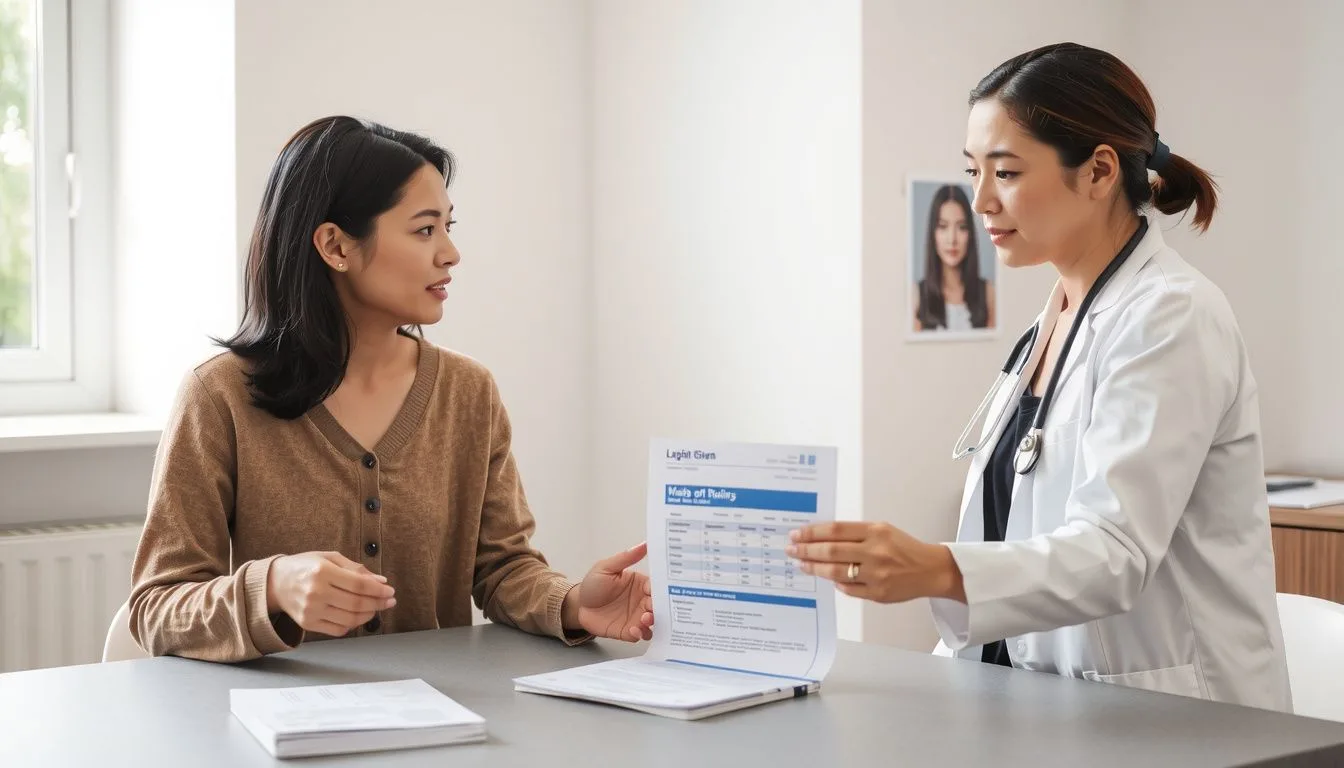
Hair loss that continues for several weeks, appears as widening part lines, or comes with fatigue, irregular periods, or unexplained weight changes deserves professional evaluation rather than guesswork. A clinician can connect your pattern of shedding to the hormones discussed above and decide which assessments are appropriate.
Testing may include blood work for androgens, thyroid-stimulating hormone, estrogen and progesterone levels, and sometimes cortisol, depending on your symptoms and life stage. The goal is to identify the actual driver, not to test everything indiscriminately.
Once a cause is found, treatment follows that finding. Options range from topical minoxidil and prescription medications to thyroid correction or hormonal therapy, and results take months. Self-treating with supplements or borrowed prescriptions can mask the real problem or delay effective care, so an informed diagnosis should come first.
FAQs
Which hormone is most commonly linked to female pattern hair loss?
Dihydrotestosterone (DHT) is the hormone most commonly linked to female pattern hair loss. DHT is a potent androgen derived from testosterone, and in genetically susceptible women it miniaturizes hair follicles on the scalp, shortening the growth phase and producing progressively thinner, shorter hairs. While estrogen and other hormones can influence hair cycling, DHT is considered the primary driver of androgenetic alopecia in women.
Can an imbalance in thyroid hormones also trigger hair thinning in women?
Yes, an imbalance in thyroid hormones can trigger hair thinning in women. When the thyroid produces too little (hypothyroidism) or too much (hyperthyroidism) hormone, it disrupts the normal hair growth cycle and can push more follicles into a resting phase, leading to diffuse shedding. This type of loss is usually temporary and often improves once thyroid levels are corrected with treatment.
How do androgen levels affect hair follicles differently in women than in men?
Androgens affect hair follicles differently in women because female pattern hair loss typically involves follicle miniaturization driven by androgen sensitivity rather than the classic androgenetic pathway seen in men. In women, conditions such as polycystic ovary syndrome can raise androgen levels and trigger thinning, but many cases of female hair loss occur with normal androgen levels, suggesting other hormonal and genetic factors are involved. This is why treatments like minoxidil and spironolactone are often used in women, while finasteride is generally avoided due to limited efficacy and potential risks.