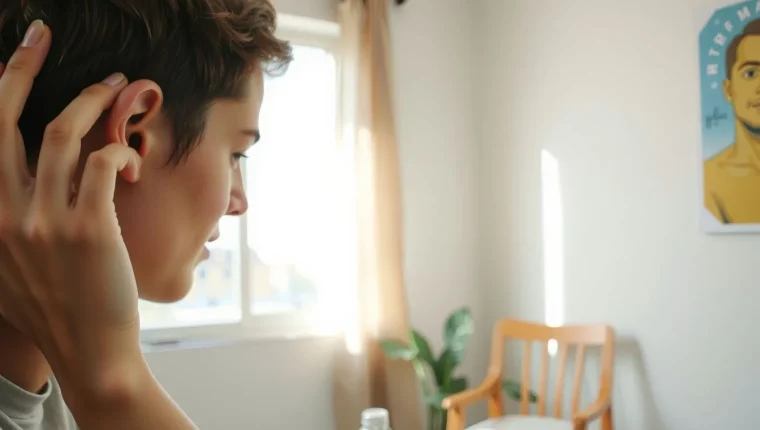
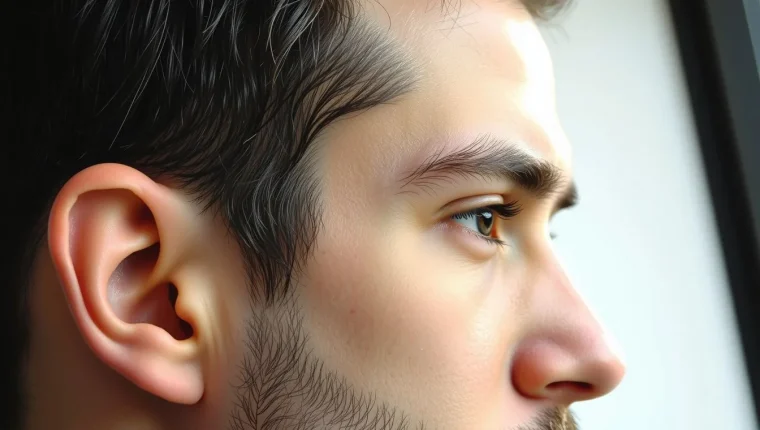
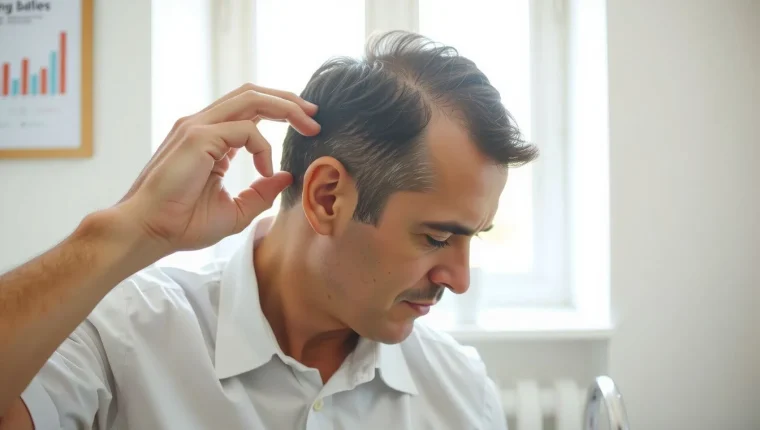
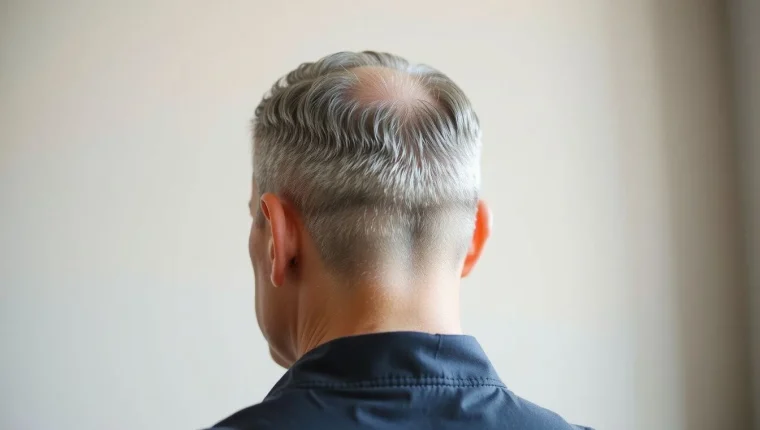
You notice it in a photo before you notice it in the mirror: the corners of your hairline sit slightly farther back than before. Maybe it is nothing. Maybe it is the start of a pattern that will keep going. That uncertainty is the hardest part, because the change is slow enough to ignore and real enough to bother you. What matters most right now is timing. Hair follicles that are thinning but still active respond far better to treatment than areas where growth has already stopped. The difference between those two states is often only months. Acting early does not mean panicking or guessing at a diagnosis. It means understanding what you are seeing, tracking it honestly, and making informed decisions while you still have the most options.
Why Early Action Matters More Than You Think
Hair follicles do not disappear overnight. They miniaturize over time, and each growth cycle becomes slightly shorter than the last. In these early stages, the follicle is still alive and still capable of producing hair — it is simply producing less of it, and producing it more slowly. That is precisely what makes this window so valuable: the structure that responds to treatment is still present.
Once thinning becomes established and the visible gap widens, the same follicles have often moved further along that process. Some may no longer produce pigmented, thick strands at all. At that point, the goal shifts from preserving what exists to working with what remains, which is a narrower and less forgiving set of options.
Acting early is not the same as panicking. It means treating the change as information. Monitoring — a few consistent photos, a note of what you notice month to month — turns a vague worry into a pattern you can actually describe. That record is what lets you recognize whether something is progressing and decide, calmly and with evidence, when a conversation with a specialist is worth having.
Recognizing the Difference Between Normal Shedding and Real Thinning
Not every strand you find is a warning sign. The scalp naturally cycles through growth, rest, and shedding phases, and losing somewhere between 50 and 100 hairs a day is simply part of that rhythm. A maturing hairline is equally common, especially in men, where the corners of the forehead gradually soften into a slightly higher, more squared shape over years rather than weeks. The distinction that matters is not whether hair is falling out, but whether the loss is following a predictable daily cycle or forming a pattern.
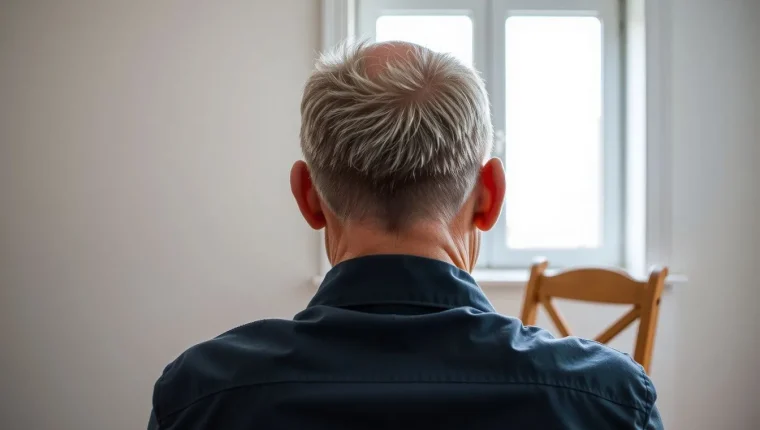
Patterned thinning tends to show up in specific places and progresses over time. You might notice the hair along the temples becoming finer and less dense, a widening part, or a scalp that catches more light than it used to. Unlike ordinary shedding, which fluctuates with stress, seasons, or diet and then recovers, patterned loss rarely reverses on its own. Density at the front edge keeps declining, and individual hairs feel thinner when you roll them between your fingers.
If you can see a clear directional change over several months rather than a temporary spike, that is your signal to seek a professional assessment. A specialist can examine the scalp, review your history, and confirm whether what you are seeing is normal variation or something worth addressing.
Lifestyle Habits That Quietly Accelerate Hair Loss

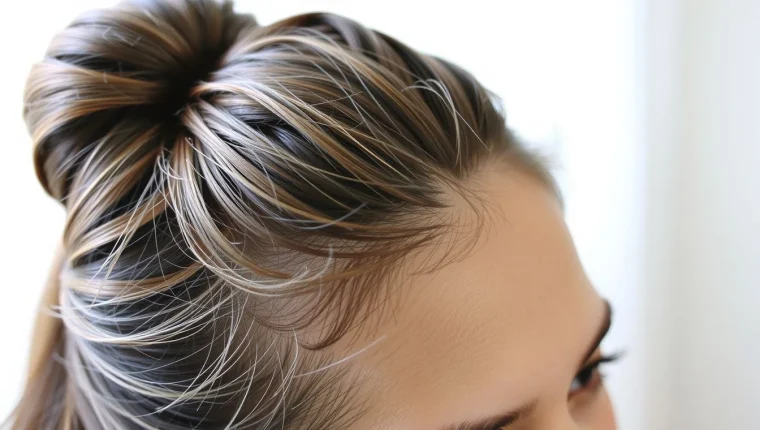
Habits rarely cause hair loss on their own, but they can add pressure to follicles that are already sensitive. The most direct factor is traction: tight ponytails, braids, or caps that pull steadily on the hairline can gradually stress the follicles along the front of the scalp. Constant friction in the same spot matters more than occasional styling.
Nutrition and circulation form a second group. Crash diets, very low protein intake, and rapid weight loss can starve follicles of the building blocks they need during a growth phase. Smoking narrows small blood vessels, which may reduce the supply of oxygen and nutrients reaching the scalp over time.
Stress and sleep belong to a third category. Chronic stress can push more follicles into a resting phase, and poor sleep tends to amplify that effect. These habits do not act alone; they stack on top of genetics and hormonal shifts.
Not every habit deserves equal worry. Tight hairstyles and extreme dieting are worth changing because the link is plausible and the fix is simple. Caffeine, occasional hats, and most shampoos are unlikely to be the main cause. If changes to these routines do not slow the thinning, the underlying driver may need medical attention rather than another lifestyle tweak.
Treatment Options Worth Discussing With a Specialist

Treatment is not something you choose from an advertisement and apply on your own. It is a decision you make with a professional who can examine your scalp, review your history, and identify what is actually driving the change. That conversation starts with understanding the broad categories of options, so you can ask informed questions rather than accept the first claim you encounter.
Most approaches fall into a few recognizable groups. Topical treatments are applied directly to the scalp and are generally used for early, mild thinning. Oral medications require a prescription and tend to suit people whose pattern is more established. Procedures such as transplantation or platelet-rich plasma are typically considered when other routes have been tried or when the loss is concentrated in a specific area. Each carries its own timeline, cost, and set of possible side effects.
What matters is not which option sounds strongest, but which fits your pattern, your health, and your expectations. Bring specific questions to the appointment: How long before I see a change? What happens if I stop? What are the realistic results for someone at my stage? A good specialist will answer these plainly and tell you when a treatment is not appropriate for you.
How to Track Your Progress and Adjust Your Plan
Tracking progress works best when it is simple enough to repeat. Take photos every four to six weeks under the same lighting, angle, and hair length, and jot a short note about shedding, scalp condition, or anything that changed. Comparing images from the same setup is far more reliable than judging your reflection from memory day to day.
Hair grows slowly, so expect gradual change rather than overnight results. A few extra strands on the pillow or a slightly different part can be normal fluctuation, not a signal to panic. Look at the trend across several months, not a single week.
If the direction holds steady or improves, continue what you are doing. If shedding increases, the hairline shifts further, or a treatment causes side effects, that is the moment to adjust — or to return to a specialist who can reassess your plan with fresh eyes.
FAQs
Is my hairline starting to recede, or is it just a maturing hairline?
A maturing hairline typically shifts back slightly and evenly on both sides without significant thinning, while a receding hairline shows deeper, uneven recession, often with thinning at the temples or crown. You can track changes by comparing photos over several months; a receding hairline tends to progress, whereas a mature hairline stabilizes. If you notice active thinning or rapid changes, treat it as early recession and consider consulting a dermatologist about options like minoxidil or finasteride.
How quickly can early treatment stop further hairline recession?
Early treatment can slow or halt further hairline recession within a few months, though visible stabilization usually takes three to six months of consistent use. Medications like minoxidil and finasteride work best when started at the first signs of thinning, since they maintain existing hair rather than regrow a fully receded hairline. Results vary by individual, so a dermatologist can help track progress and adjust the plan if recession continues.
Which daily habits make a receding hairline worse if I ignore the early signs?
Ignoring the early signs of a receding hairline while continuing habits like tight hairstyles, frequent heat styling, and harsh chemical treatments can accelerate follicle damage and permanent thinning. Chronic stress, poor sleep, and a diet low in protein, iron, and vitamin D also weaken hair growth over time. Smoking and excessive alcohol reduce blood flow and nutrients to the scalp, which worsens the recession. Addressing these habits early gives you the best chance of slowing or stabilizing further hairline loss.