Noticing more hair in your brush or a widening part is unsettling, especially when nothing obvious has changed. Hair thinning rarely comes down to one trigger. It usually develops from several forces acting at once, ranging from genetics and hormones to nutrition, medical conditions, stress, and everyday habits. Some causes are permanent, while others reverse once the underlying issue is corrected. Knowing which category applies to you helps you move beyond guesswork, find a workable next step, and know when self-observation is no longer enough.
Genetics and Hormones: The Internal Drivers of Hair Thinning
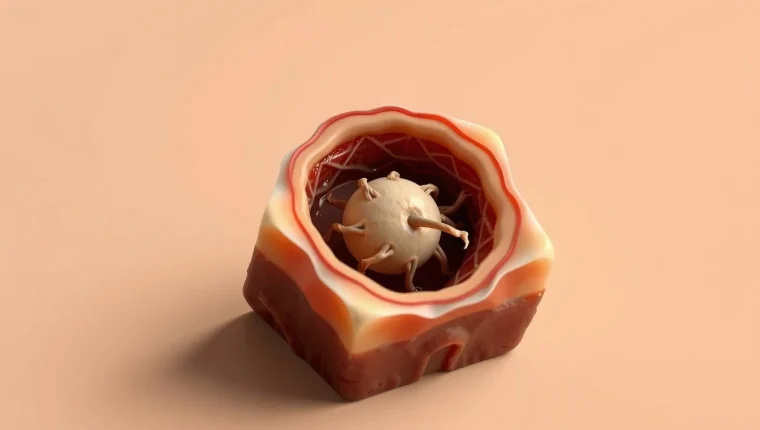
Hair thinning often begins long before it becomes visible. In many adults, the underlying script is written in their DNA. Inherited sensitivity to a hormone called dihydrotestosterone (DHT) causes follicles in certain areas of the scalp to gradually shrink with each growth cycle. Over time, these follicles produce thinner, shorter hairs and eventually may stop producing visible strands altogether. This process, known as androgenetic alopecia, typically follows a predictable pattern—a receding hairline or thinning crown in men, and a widening part or diffuse thinning over the top of the scalp in women. Because the change is gradual, it can take months or years before the extent becomes clear.
Hormones beyond DHT also influence follicle behavior. Thyroid imbalances, shifts in estrogen and progesterone during pregnancy, childbirth, or menopause, and conditions such as polycystic ovary syndrome (PCOS) can all disrupt the normal growth cycle. Unlike genetic pattern loss, hormonal shedding is often temporary and diffuse, appearing as increased daily shedding rather than a defined bald patch. The key distinction lies in the timeline: patterned thinning develops slowly and persistently, while hormonal shedding tends to be sudden and reversible once the underlying shift stabilizes.
Nutritional Deficiencies and Diet: How What You Eat Affects Hair Density
Hair is one of the fastest-growing tissues in the body, which means its follicles are constantly dividing cells with a high demand for energy and raw materials. When that supply falls short, the follicle shifts into a resting phase and the strand is shed weeks or months later. This delay is why a dietary gap rarely shows up on your scalp the same week it begins.
Several shortfalls are consistently linked to weaker growth or heavier shedding. Iron deficiency is among the most common, particularly in menstruating adults, because iron is needed for the enzymes that drive follicle division. Protein matters just as much: hair is largely keratin, and a low-protein intake pushes follicles into shedding. Vitamin D and B vitamins, especially biotin and B12, support the growth cycle, and low levels often coincide with thinning.
Eating patterns can tip this balance on their own. Very restrictive diets, crash weight loss, and sudden calorie cuts deprive follicles of nutrients faster than the body can compensate, and shedding typically appears two to three months later.
If any of this sounds familiar, the useful next step is testing rather than guessing. Suspected deficiencies should be confirmed through bloodwork, since supplementing a nutrient you already have enough of will not restore density.
Medical Conditions and Medications: Hidden Triggers of Excessive Shedding
Shedding rarely announces its trigger on the same day it begins. Hair follicles operate on a delayed cycle, so a medical event or a new prescription can push hairs into a resting phase that only becomes visible weeks or even months later. That lag is exactly what makes these causes so easy to overlook: by the time you notice the extra strands, the original trigger may feel like old news.
Several common conditions are known to disrupt the hair cycle. Thyroid disorders, both underactive and overactive, are frequent culprits, as are autoimmune and inflammatory conditions such as lupus and scalp psoriasis. Certain infections, particularly those accompanied by high fever, can also shift a large number of follicles into shedding at once. Because these conditions produce other symptoms too, the hair loss is often treated as a separate problem rather than a signal of something systemic.
Medications deserve equal attention. Blood thinners, some antidepressants, certain acne and blood pressure treatments, and hormonal therapies have all been linked to increased shedding. The timing matters here: shedding typically starts weeks after a drug is introduced or the dose is changed, which is why connecting the two requires looking back at your own timeline rather than at how you feel today.
Stress, Sleep, and Lifestyle: The Everyday Habits That Weaken Follicles

Sustained psychological stress does not damage hair directly, but it can push a large share of follicles into the resting phase of their cycle. Because hair keeps growing for weeks before it releases, the shedding that follows often appears two to three months after the stressful period itself. This delay is why telogen effluvium is so frequently misattributed to whatever product or season happens to coincide with the fallout.
Sleep and daily rhythm matter for a different reason. Follicles are among the most metabolically active structures in the body, and their repair and regrowth depend on adequate recovery. Chronic poor sleep, irregular schedules, and ongoing strain can disturb hormonal balance and reduce the resources available for normal cycling, making the scalp slower to recover once shedding begins.
Separate from these internal effects, everyday habits act mechanically. Tight ponytails, braids, or extensions that pull consistently can weaken strands along the hairline, while frequent heat styling, harsh chemical treatments, and rough brushing cause breakage that mimics thinning. These contribute directly to what you see, but they are distinct from the internal drivers covered earlier.
Realistically, lifestyle factors are often amplifiers rather than sole causes. They can worsen an ongoing process and delay recovery, but addressing them works best alongside the other causes.
When to Seek Help: Identifying the Right Time for Professional Evaluation

Some shedding is normal, but certain patterns deserve a closer look. Thinning that continues for more than a few months, widens a part, or recedes at the temples and crown suggests an underlying cause rather than ordinary fluctuation. Sudden, heavy shedding — handfuls of hair on the pillow or in the shower — is another signal, especially when it starts abruptly. A professional can distinguish a temporary shed from a progressive pattern that needs earlier intervention.
Accompanying symptoms matter just as much. Scalp pain, itching, redness, or patchy bare spots point to conditions that self-care cannot resolve. So do fatigue, unusual cold sensitivity, or changes in weight and menstrual cycles, which may reflect thyroid or hormonal shifts. Any of these alongside hair loss makes evaluation worthwhile rather than waiting.
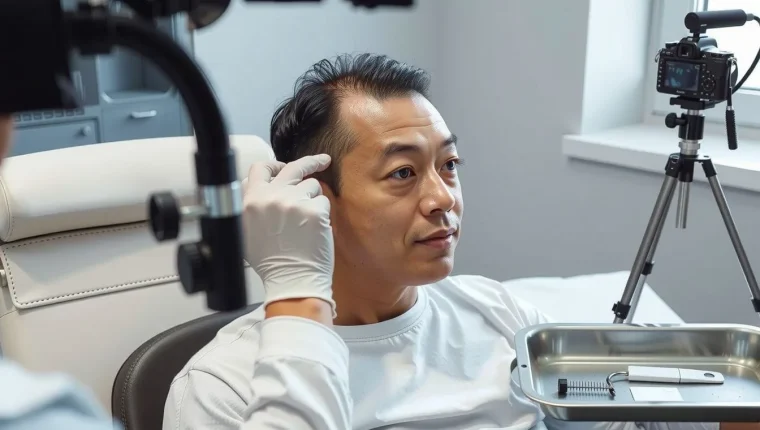
A dermatologist or trichologist typically reviews your history, examines the scalp, and may order bloodwork or a pull test. Early clarity often prevents months of guesswork and unnecessary products, so it is reasonable to book an appointment once a pattern persists or worries you.
FAQs
What are the most common hair thinning causes in women compared to men?
In women, hair thinning most often stems from female pattern hair loss driven by genetics and hormonal shifts such as menopause, pregnancy, or thyroid imbalances, along with nutritional deficiencies like low iron or vitamin D. Men more commonly experience androgenetic alopecia tied to dihydrotestosterone (DHT), which typically causes receding at the temples and crown. Women tend to see diffuse thinning across the top and part line rather than distinct bald patches, and telogen effluvium from stress, dieting, or illness affects both sexes but is especially frequent in women.
Can stress or poor diet really trigger hair thinning causes that show up months later?
Yes, both stress and poor diet can trigger hair thinning, but the effects typically appear weeks to months later because hair grows in cycles and shifts into a resting or shedding phase before visible loss occurs. Severe physical or emotional stress often pushes many follicles into this shedding phase at once, leading to noticeable thinning roughly two to three months afterward. Nutritional deficiencies, such as low iron, zinc, or protein, similarly disrupt the hair growth cycle and can cause gradual thinning that only becomes apparent over time.
Which medical conditions or medications are often overlooked as hair thinning causes?
Thyroid disorders, PCOS, iron deficiency anemia, and lupus frequently drive hair thinning without obvious warning signs. Certain medications also contribute, including blood thinners, beta-blockers, antidepressants, retinoids, and chemotherapy agents. People often attribute the shedding to stress or aging while the real trigger remains undiagnosed or unaddressed.