Finding more hair in your brush or on your pillow while your scalp is itchy, flaky, and sore is unsettling. The question is simple: can scalp psoriasis cause hair loss? The answer is not simply yes or no. Psoriasis itself does not usually attack the hair follicle directly. Inflammation, constant scratching, and harsh scale removal often weaken hairs and cause more of them to shed. The critical difference is whether that loss is temporary or permanent, because the two follow different paths and call for different responses. Understanding why it happens, how to tell the difference, and what helps can turn this worry into a manageable problem.
Understanding the Link Between Scalp Psoriasis and Hair Loss
Scalp psoriasis is a chronic inflammatory skin condition, not a hair condition. In people who have it, the immune system mistakenly speeds up the life cycle of scalp skin cells, causing them to pile up into thick, flaky patches. That inflammation lives in the skin itself, right where your hair follicles are anchored. So the question isn’t whether psoriasis targets hair directly — it’s whether the environment around the follicle is being disrupted.
In most cases, it is. The follicle is not the primary target of the disease; it is a bystander sitting in inflamed tissue. This distinction matters because it explains why hair loss with scalp psoriasis is usually a downstream effect rather than the condition attacking and destroying hair strands on its own. The inflammation, the scaling, and the way the scalp is managed all influence what happens to the hair growing through it.
That framing sets up the real question: if the follicle isn’t under direct attack, why does hair still fall out? The answer lies in what the inflammation and its side effects do to the normal growth cycle — a chain of events that determines whether shedding stays temporary or becomes something more serious.
How Scalp Psoriasis Triggers Temporary Shedding

Scratching and picking at scales is the most common trigger people recognize in their own routine. When psoriasis plaques itch or feel tight, fingers and combs often do the rest, lifting flakes and tugging at hairs rooted in inflamed skin. This mechanical trauma, layered on top of active inflammation, is what pushes follicles into a shedding phase before their normal growth cycle is complete.
Inflammation itself plays a parallel role. The immune activity that drives psoriasis keeps the scalp in a state of irritation, and that environment can shift hairs prematurely from the growing phase into the resting phase. Once enough hairs enter this resting state, they release together weeks later, which is why shedding often looks sudden and heavy rather than gradual. Stress, poor sleep, and intense worry about the condition can amplify the same shift.
The key reassurance is that this type of shedding is generally temporary. When the scratching stops and the flare settles, follicles that were only pushed off schedule can return to normal growth. What matters is reducing the triggers rather than chasing every fallen hair.
Warning Signs That Psoriasis Is Damaging Your Hair Follicles

Most shedding from scalp psoriasis stays diffuse and temporary, but certain changes suggest the inflammation is reaching deeper than the surface. One of the earliest clues is thinning that follows the shape of your plaques rather than a typical pattern like a receding hairline. If hair disappears in patchy areas that match your most stubborn, inflamed plaques, the follicle is likely being affected rather than just the visible hair shaft.
Watch how your scales behave, too. Thick, tightly adherent scales that bleed when lifted, or patches that feel tender, warm, or painful, point to active inflammation in the deeper skin layers where follicles sit. Ordinary dandruff flakes; psoriasis plaques cling. A scalp that stays red and swollen even between flare-ups is another signal that the environment around the follicle is not settling down.
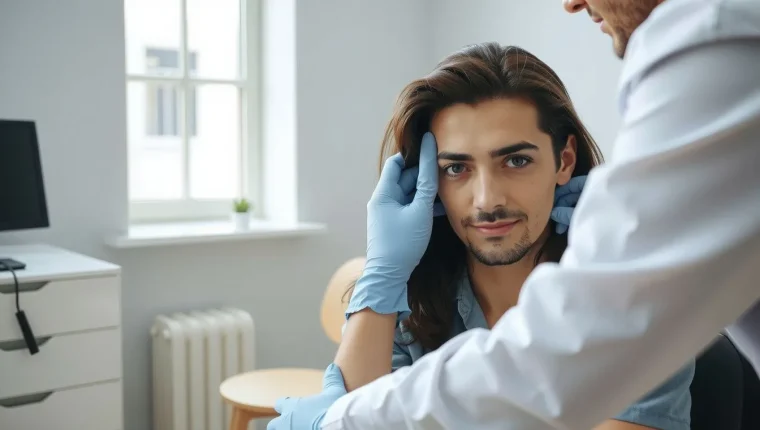
Reversible shedding tends to be spread out and improves as the flare calms. Signs that warrant a closer look include localized bald spots, a smooth or shiny patch of scalp, and hair that pulls out easily around a specific inflamed area. These do not confirm permanent damage on their own, but they are reasons to stop self-diagnosing and have a dermatologist examine the scalp directly, because early control gives follicles the best chance to recover.
When Hair Loss Becomes Permanent: Scarring and Follicular Damage
In a minority of cases, hair loss from scalp psoriasis can become permanent. The dividing line is scarring. When inflammation stays active in the scalp for long periods, it can extend deeper than the surface scales and reach the follicle itself. Repeated cycles of damage and healing may eventually replace healthy follicle tissue with scar tissue, and once a follicle is scarred over, it can no longer produce a new hair.
This outcome is not typical, and most people with scalp psoriasis never reach it. It becomes more likely when inflammation is severe, widespread, or left uncontrolled for years, especially when the scalp is repeatedly scratched or picked. That is why early, consistent control of the underlying inflammation matters: it is what protects the follicle while regrowth is still possible.
If you notice thinning that no longer recovers, smooth shiny patches, or areas where hair has stopped returning, that pattern deserves prompt medical attention rather than watchful waiting.
Treatment Options to Control Psoriasis and Protect Your Hair
Treatment for scalp psoriasis that threatens your hair has two jobs at once: quieting the inflammation that drives the condition and stopping the habits that traumatize follicles. The same approach that clears your scalp usually protects your hair, because shedding is tied to active disease rather than the strands themselves.
Dermatologists typically start with topical corticosteroids, applied directly to the scalp to reduce inflammation and slow the rapid skin turnover behind flaking and itching. Because the scalp is thick and hair-covered, your clinician may choose a foam, solution, or shampoo-based vehicle that reaches the skin instead of sitting on the strands. Other options include vitamin D analogue preparations, coal tar or salicylic acid products to loosen scale gently, and, for stubborn or widespread disease, systemic medications or biologics that calm the immune response from within.
Just as important is what you do between applications. Resist scratching, picking, and pulling off scales, since this mechanical trauma is what pushes resting hairs into shedding. Wash gently with lukewarm water, avoid harsh brushing while the scalp is inflamed, and treat stress and sleep as part of the plan, because both influence flare-ups.
Consistency matters most. When inflammation stays controlled, the temporary shedding described earlier often reverses and hair regrows, while steady treatment is also what prevents the scarring that can make loss permanent.
FAQs
Can scalp psoriasis cause hair loss?
Yes, scalp psoriasis can cause temporary hair loss, but it rarely leads to permanent baldness. The thickening and scaling of plaques can weaken hair shafts and make them fall out more easily, and frequent scratching or harsh treatments may worsen the shedding. In most cases, hair regrows once the psoriasis flare is controlled and the scalp inflammation subsides.
Does hair grow back after psoriasis-related hair loss?
Yes, hair usually grows back once the psoriasis flare on the scalp is brought under control, because the inflammation that disrupts the hair cycle is temporary rather than destructive to the follicle. Hair typically returns over several weeks to months as the skin calms and scaling decreases. If scratching, picking, or vigorous treatment has caused scarring, regrowth may be limited, so gentle scalp care matters.
How can you prevent hair loss from scalp psoriasis?
Keeping scalp psoriasis under control is the most effective way to prevent related hair loss, since the shedding is usually temporary and reverses once inflammation settles. Follow your dermatologist's treatment plan consistently, using medicated shampoos, topical steroids, or other prescribed therapies, and avoid scratching or picking at scales, which can pull out hair and worsen irritation. Managing triggers like stress and certain infections also helps reduce flare-ups. In most cases, hair regrows once the psoriasis clears, so early and steady treatment matters more than any single remedy.