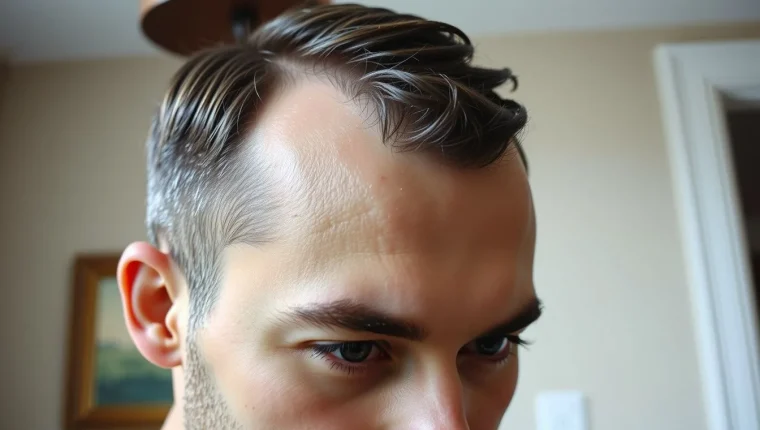
You notice it in photos before the mirror confirms it: more scalp at the temples, a part that looks wider, or a front hairline that no longer sits where it used to. Thinning and receding hairline changes are common in men and women and rarely happen overnight. What matters is figuring out what is driving the change and how far it has progressed. Some causes are temporary and manageable, while others follow a predictable pattern that responds best to early treatment. Understanding the difference between normal shedding and genuine miniaturization helps you decide whether to adjust your routine, see a doctor, or consider restoration.
Understanding the Causes of Thinning and Receding Hairlines

Hairline changes rarely happen overnight. Most begin with a slow shift in the hair growth cycle, the repeating phases of growth, transition, and rest that every follicle follows. In a healthy scalp, roughly 90 percent of hairs are actively growing at any time. When this cycle shortens or follicles spend more time resting, individual strands become finer, shorter, and less pigmented before they stop producing visible hair altogether. This process, called miniaturization, is what turns a full hairline into a thinner, higher one.
The most common driver is genetics, often inherited from either side of the family. In men, this typically follows a recognizable pattern of temple recession and crown thinning. In women, it tends to appear as diffuse thinning along the part rather than a receding edge. Hormones play a central role here: androgens such as dihydrotestosterone (DHT) can shrink susceptible follicles over time, which is why pattern hair loss is described as hormonal and genetic rather than simply age-related.
Not every cause is permanent. Telogen effluvium, a temporary shedding phase, can follow physical stress, major illness, surgery, rapid weight loss, or emotional strain, usually appearing two to three months after the trigger. Nutritional shortfalls in iron, vitamin D, zinc, or protein can also weaken hair. Tight hairstyles, frequent heat styling, and chemical treatments may cause traction or breakage that mimics a receding hairline but stems from outside the follicle.
Distinguishing these patterns matters. Gradual, patterned thinning points toward genetics and hormones, while sudden or diffuse shedding often signals a temporary trigger that may resolve once the underlying cause is addressed.
How to Assess the Stage and Pattern of Your Hair Loss
Because hair loss develops gradually, the most reliable assessment comes from comparing your own hair over time rather than judging it in a single mirror check. The goal is to describe two things clearly: the pattern of loss and how advanced it has become. Start by examining the same four areas each time — the front hairline, the temples, the crown, and the width of your natural part. Photographs taken under similar lighting, from the same angle and distance, are far more useful than memory.
- Front hairline and temples: Note whether the border has moved backward or formed a distinct M, V, or U shape.
- Crown: Check for a widening thin patch, especially where light passes through to the scalp.
- Part width: A part that grows noticeably wider suggests diffuse thinning rather than a single bald spot.
- Density: Compare ponytail thickness or the amount of visible scalp across several months.
- Rate of change: Decide whether the shift looks stable, slow, or clearly progressing since your earliest photos.
These observations translate into common descriptions clinicians already use, such as a receding hairline, vertex thinning, or diffuse thinning across the top. Bringing dated photos and a short written timeline to an appointment helps a professional confirm whether your loss is early, stable, or advancing, and which treatment options fit that stage.
Lifestyle and Nutritional Changes That Support Hair Health

Diet cannot regrow a hairline on its own, but it can influence how well the follicles you still have are able to function. Hair is a fast-dividing tissue, which makes it sensitive to shortages of iron, vitamin D, zinc, and adequate protein. A pattern worth noting is that restrictive or very low-calorie diets, rapid weight loss, and low-protein intake are all linked to increased shedding. Eating regular meals with a protein source, and getting iron from foods such as lean meat, legumes, and leafy greens, supports the growth cycle rather than replacing it.
Stress and sleep deserve the same realistic framing. Chronic stress can push follicles into a resting phase and trigger diffuse shedding, and poor sleep tends to accompany the periods when people report the most hair in the drain. These are modifiable, but the effect is usually gradual and rarely dramatic.
Harsh styling is another factor that is often overlooked. Tight pulling, frequent high-heat tools, and chemical treatments can damage or traction the hair you have. Even so, these changes support hair health; they rarely reverse the genetic and hormonal recession that drives a receding hairline, which is where medical treatment comes in.
Medical Treatments Proven to Slow or Reverse Hair Loss
Medical treatment for hair loss falls into a few broad categories, and each is designed to do something different. Some options are intended to slow or stabilize loss by interrupting the underlying process, while others aim to stimulate regrowth from follicles that are still active. Understanding this distinction matters, because a treatment that preserves existing hair is not the same as one that restores what has already been lost.
The most established medical approach works by targeting the hormonal pathway involved in pattern hair loss, and it is generally most effective when started early. Regrowth potential depends heavily on how much of the follicle remains functional, which is why results vary so widely between individuals. Some people see noticeable improvement, others mainly maintain what they have, and a minority respond very little.
Consistency is essential. These treatments are not short-term fixes; benefits typically fade if they are stopped, and visible change often takes months rather than weeks. Because side effects, suitability, and expected outcomes differ from person to person, any medical option should be discussed with a clinician rather than chosen from a general description alone.
Restoration Options for Advanced Hair Loss
When medical therapy has reached its limits, restoration focuses on either redistributing the hair you still have or adding new hair entirely. The first group includes surgical procedures such as follicular unit transplantation and follicular unit extraction, which move healthy follicles from a stable donor zone, usually at the back of the scalp, into thinning or bald areas. These approaches can rebuild a hairline and add density, but they depend on adequate donor supply and cannot create hair where the scalp has no viable follicles. Scalp reduction and flap techniques exist but are used far less often today.
The second group adds hair without surgery. Hair systems and prosthetics can produce immediate coverage and are often chosen when donor hair is limited or the loss is extensive. They require regular maintenance, replacement, and ongoing cost, and the natural look depends heavily on quality and fitting.
Suitability, cost, recovery time, and long-term upkeep differ sharply between options, and none is universally best. A qualified specialist can assess your pattern, donor density, and goals before recommending a path.
FAQs
What causes thinning and receding hairline in both men and women?
Thinning and a receding hairline most often result from androgenetic alopecia, a hereditary condition driven by the hormone DHT that affects both men and women, though it typically appears as a receding hairline and crown loss in men and as diffuse thinning along the part in women. Other common contributors include aging, hormonal shifts such as menopause or thyroid imbalance, nutritional deficiencies, chronic stress, and certain medical treatments or medications. In some cases, styling habits that pull or damage the hair, along with underlying health conditions, can accelerate the process. Identifying the specific cause helps determine the most effective treatment, which may range from topical minoxidil to prescription options and procedural interventions.
Can lifestyle changes or diet actually slow down hairline recession?
Lifestyle changes and diet cannot reverse genetic hairline recession, but they can support overall hair health and may slow additional thinning. A balanced diet rich in protein, iron, zinc, and vitamins like biotin and vitamin D helps maintain follicle function, while habits such as smoking, crash dieting, and chronic stress can worsen shedding. Managing stress, getting adequate sleep, and avoiding harsh hair treatments also reduce preventable hair loss. For true androgenetic recession, these measures work best alongside proven treatments rather than as replacements.
Which treatments work best for early thinning and receding hairline?
For early thinning and a receding hairline, FDA-approved treatments such as minoxidil (topical) and finasteride (oral) are considered the most effective options for slowing hair loss and promoting regrowth. Combining these medications often produces better results than using either one alone. Adjunct treatments like low-level laser therapy, ketoconazole shampoo, and microneedling may provide additional benefit, though evidence for these is more limited. Starting treatment early, when follicles are still active, significantly improves the chances of preserving and thickening existing hair.