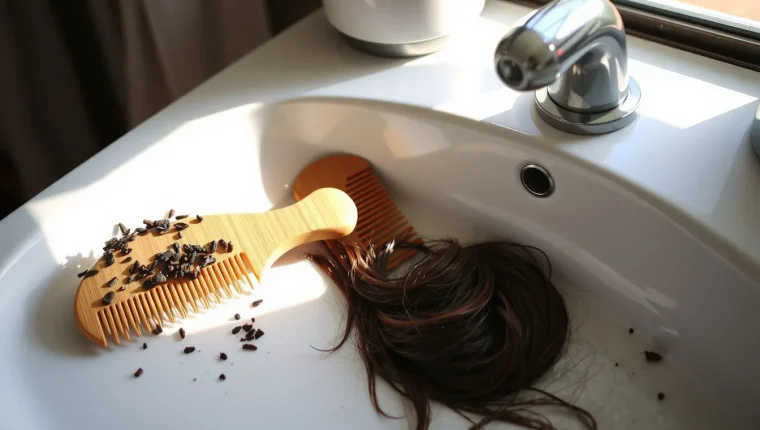
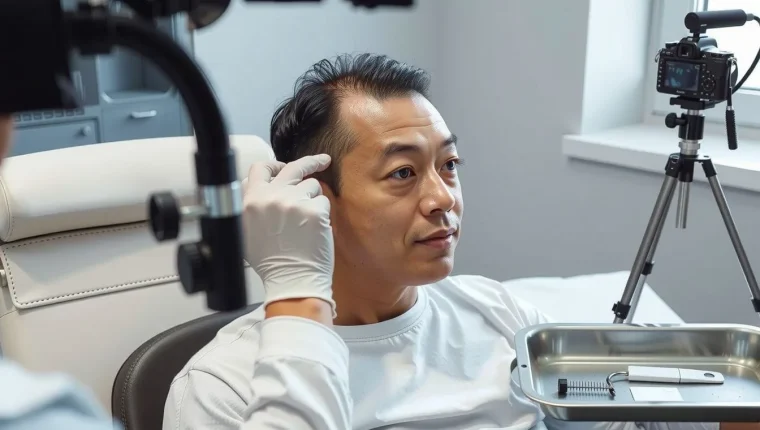
Noticing more hair in the drain or a receding hairline that keeps moving back is unsettling, and explanations often contradict each other. What causes baldness is rarely one trigger. In the most common form, pattern hair loss, three forces work together: inherited traits set how sensitive your follicles are, hormones regulate the hair growth cycle, and DHT, the androgen, gradually shrinks vulnerable follicles until they stop producing visible hair. Other factors, from medical conditions to stress and nutrition, can also thin hair or imitate this pattern. Understanding how these drivers connect makes it easier to judge what is actually happening on your scalp and what can realistically be done about it.
The Genetic Basis of Hair Loss
Baldness often clusters in families, and that pattern is real rather than coincidental. If a father, uncle, or grandfather lost hair early, the risk for a son or brother tends to rise. Yet the inheritance behind this is not a single “baldness gene” passed down in a straight line. Instead, polygenic inheritance is at work: many genes, each with a small effect, combine to shape how susceptible someone’s hair follicles are to gradual thinning. This is why two brothers can share the same parents and still follow very different timelines.
These inherited traits do not act on their own. They set the stage by influencing how sensitive a follicle is to signals that shorten its growth phase and shrink the hair it produces. A person can carry a strong genetic predisposition and still keep most of their hair for decades, while someone with a milder genetic load may notice recession sooner. Family history, in other words, informs risk rather than dictating outcome.
Genes determine susceptibility, but they need a trigger to express it. That trigger is largely hormonal, which is where the next piece of the picture begins.
How Hormones Influence Hair Follicle Health

Hormones are chemical messengers that travel through the bloodstream and influence nearly every tissue in the body, including the hair follicle. Each follicle moves through a repeating cycle of growth, transition, and rest, and hormones help regulate the timing and duration of these phases. When hormone levels shift, that cycle can be disrupted, changing how long hair grows or how thick each strand becomes.
Androgens are the hormone group most closely tied to follicle behavior. Testosterone itself is not the primary actor at the follicle; instead, it is converted into a more potent androgen that binds to receptors in susceptible follicles. This interaction can shorten the growth phase and cause follicles to produce thinner, shorter hairs over successive cycles, a process known as follicular miniaturization. Not every follicle responds the same way, which is why hormone-related thinning often follows a patterned distribution rather than affecting the whole scalp evenly.
Hormonal shifts across life stages can also alter hair growth. Pregnancy, menopause, thyroid changes, and periods of significant stress may all affect follicle cycling, sometimes triggering temporary shedding or gradual density loss. These fluctuations help explain why hair health is rarely static and why the broader picture involves both inherited sensitivity and circulating hormone levels.
The Role of DHT in Androgenic Alopecia
DHT, or dihydrotestosterone, is a potent androgen produced when the enzyme 5-alpha reductase converts testosterone in tissues such as the scalp. While testosterone circulates throughout the body, DHT is far more powerful at the receptor level, and its influence on hair is where the two hormones diverge most sharply.
In androgenetic alopecia, DHT binds to receptors inside genetically susceptible hair follicles, particularly along the front hairline and crown. Once bound, it signals those follicles to shorten their growth phase and produce thinner, shorter hairs with each cycle. Over time, this process—known as follicular miniaturization—transforms thick terminal hairs into fine, nearly invisible strands until the follicle stops producing visible hair altogether.
This is why DHT’s role differs from the broader hormonal effects discussed earlier. General hormonal shifts can alter follicle cycling across the scalp, but DHT acts with striking selectivity: only follicles genetically programmed to be sensitive respond this way. That inherited sensitivity, covered in the genetics section, determines who experiences this pattern and where on the scalp it appears.
The result is a predictable, progressive thinning that follows a recognizable pattern rather than a uniform shedding. Understanding this mechanism explains why treatments targeting DHT production or receptor binding can slow or partially reverse the process in susceptible follicles.
Other Contributing Factors Beyond Genetics and Hormones
Not every case of thinning hair traces back to inherited traits or hormonal activity. Several external and medical factors can disrupt the hair cycle independently, or make an existing genetic tendency worse. Some act quickly and reversibly, while others cause damage that persists even after the trigger is removed.
Telogen effluvium is one of the most common examples of temporary shedding. Severe stress, major surgery, high fever, rapid weight loss, or nutritional deficiencies can push a large number of follicles into a resting phase at once. The result is diffuse shedding that typically appears weeks to months after the event and often resolves once the underlying cause is corrected. Iron deficiency, thyroid disorders, and certain medications can produce a similar pattern, which is why they are frequently mistaken for ordinary pattern baldness.
Other contributors cause more lasting harm. Tight hairstyles that pull continuously on the roots can lead to traction alopecia, and repeated chemical or heat treatments may weaken the hair shaft itself. Autoimmune conditions such as alopecia areata attack the follicle directly, producing smooth patches rather than gradual thinning. In each case, the mechanism differs from the slow follicular miniaturization driven by genetics and DHT, even though the visible outcome may look similar. These factors rarely operate in isolation; they often accelerate hair loss in people who are already genetically susceptible.
When to Seek Professional Help for Hair Loss
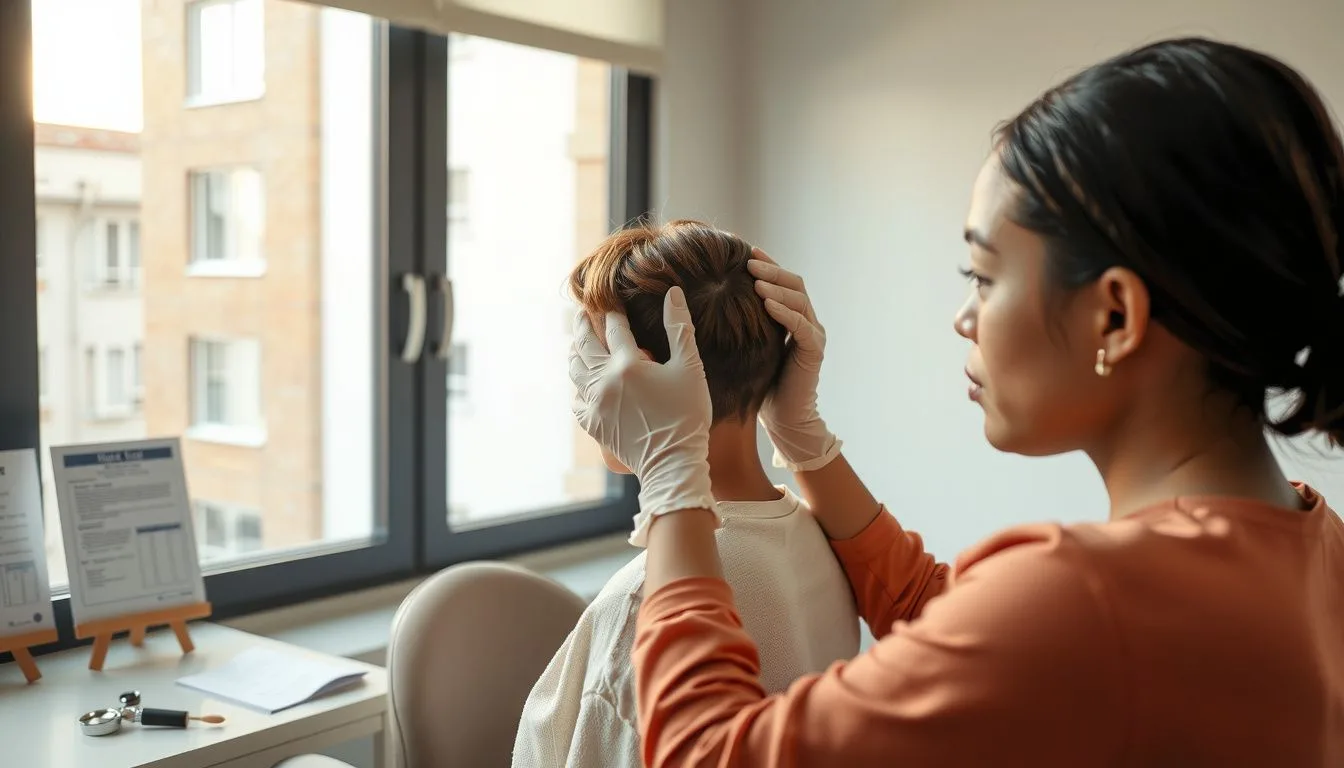
Most people who notice a receding hairline or a widening part are seeing the early stages of a familiar pattern, and a slow, gradual change over months or years is often part of a predictable process. The picture is different when hair loss arrives suddenly, appears in smooth circular patches, or comes with itching, pain, scaling, or redness on the scalp. These features point away from ordinary pattern thinning and toward something that deserves a closer look.
A professional evaluation starts with the story: when the shedding began, how quickly it progressed, what medications you take, recent illnesses, major stress, and family history. Because thyroid disorders, iron deficiency, and other conditions can mimic or worsen hair loss, a clinician may order blood work or, in some cases, a scalp biopsy. A dermatologist can distinguish androgenetic alopecia from other forms of shedding and rule out treatable causes before any plan is made.
Seek assessment if the loss is rapid, patchy, or accompanied by scalp symptoms, or if you are unsure what is driving it. An accurate diagnosis is the necessary first step before discussing any treatment.
FAQs
Is hair loss inherited from your mothers side of the family?
Male pattern baldness is strongly linked to genetics, and the X chromosome you inherit from your mother does carry the primary androgen receptor gene associated with it. However, baldness is polygenic, meaning it involves many genes from both parents, so inheriting the risk from your mother's side alone does not determine whether you will lose hair. A family history of baldness on either side raises your risk, but hormones and age also play major roles.
How do hormones like DHT trigger pattern baldness?
DHT (dihydrotestosterone), a potent androgen derived from testosterone, binds to receptors in genetically susceptible hair follicles and gradually miniaturizes them. This process shortens the growth phase and shrinks the hair shaft, so strands become finer and shorter until the follicle stops producing visible hair. Because this sensitivity is inherited, DHT drives the characteristic receding hairline and thinning crown seen in male and female pattern baldness.
Can stress or lifestyle habits really cause baldness?
Yes, stress and certain lifestyle habits can contribute to hair loss, though they are usually secondary to genetic and hormonal factors in the most common form of baldness. Severe physical or emotional stress can trigger telogen effluvium, a temporary shedding condition, and conditions like trichotillomania involve stress-related hair pulling. Lifestyle factors such as poor nutrition, smoking, and extreme dieting may also weaken hair, but for pattern baldness the primary drivers remain genetics and androgens like DHT.