Buying minoxidil is easy. Most people struggle to use it in a way that supports hair regrowth. The gap between owning the product and getting results comes down to five connected things: how the medication works at the follicle, which form suits your hair pattern and skin, how you apply it to the scalp, how consistently you keep the routine, and how long you stay with it before judging results. If you get any one of these wrong, the outcome suffers, even with a genuine product. Correct use is a practice, not a single step, and it starts before the first application.
What Minoxidil Actually Does to Hair Follicles
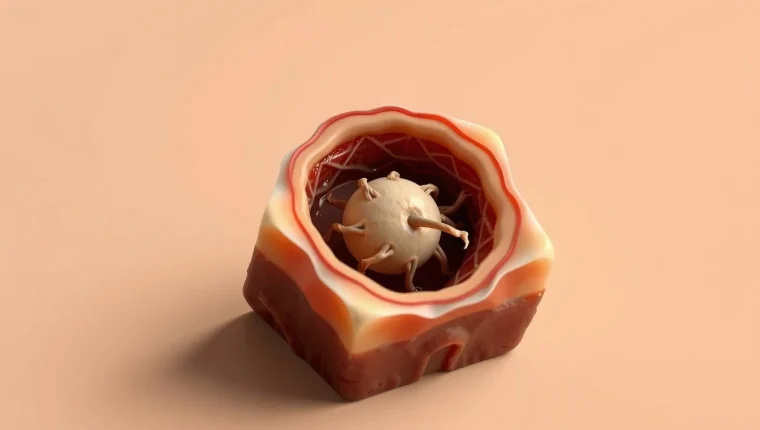
Minoxidil does not create new follicles or wake up hair that has permanently stopped growing. What it does is extend the growth phase of the hair cycle and widen the follicle itself, so each strand has more room and more time to grow before it sheds. The drug works as a potassium channel opener, relaxing the smooth muscle around the follicle and improving blood flow to the dermal papilla, the cluster of cells that signals hair to build. It also nudges resting follicles back into active growth, which is why early thinning often responds better than long-standing bald patches.
This mechanism explains two things that matter before you commit. First, the effect is not instant: hair grows slowly, so any visible change reflects a shift that started weeks earlier. Second, minoxidil only sustains growth while it is present in the follicle. Stop applying it, and the extended growth phase collapses, shedding follows, and the follicle returns to its previous pattern. The benefit is borrowed, not owned.
Forms of Minoxidil and Choosing the Right One
Minoxidil comes in several delivery formats, and the right one depends less on marketing claims than on where your thinning sits, how your skin reacts, and what you can realistically do twice a day. The two most common options are topical liquid and topical foam. Liquid is typically applied with a dropper, spreads easily across larger areas, and often contains propylene glycol, which improves penetration but can irritate sensitive scalps. Foam is lighter, dries faster, and tends to suit people who dislike residue or have reacted poorly to liquid. Both deliver the same active drug; the difference is mostly in vehicle, coverage, and tolerability.
A third option, low-dose oral minoxidil, is prescribed off-label by some clinicians. It bypasses the scalp entirely and may appeal to those who find topical application inconvenient or irritating, but it carries systemic effects that require medical supervision. It is not a self-selected alternative.
| Form | How It’s Applied | Typically Suits | Main Trade-offs |
|---|---|---|---|
| Topical liquid | Dropper directly to scalp | Larger thinning areas, precise dosing | Propylene glycol irritation, slower drying |
| Topical foam | Pump or cap to scalp | Sensitive scalps, faster routine | Harder to target small spots, less coverage per dose |
| Oral (low-dose) | Prescribed tablet | Topical intolerance or inconvenience | Systemic side effects, requires a doctor |
Match your choice to your pattern first: diffuse thinning across the crown often favors liquid for coverage, while a sensitive or reactive scalp may tolerate foam better. Once you’ve chosen a formulation, the next step is applying it correctly—dose, scalp prep, and coverage all affect how well it works.
Preparing Your Scalp and Applying the Correct Dose
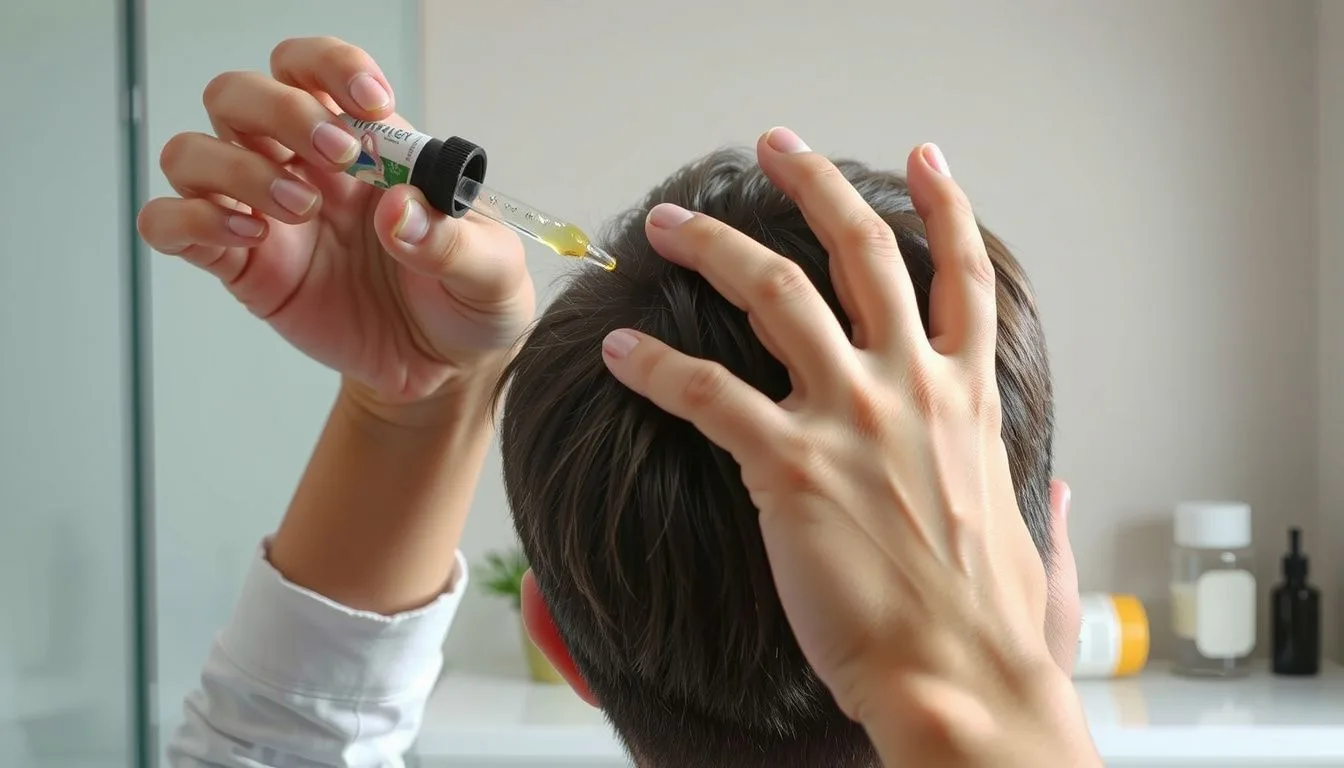
Absorption depends heavily on what is sitting on your scalp before the solution or foam ever touches it. Minoxidil needs direct contact with skin, so a clean, dry scalp gives the active ingredient the best chance to reach the follicle. If you apply it over styling products, oils, or damp hair, much of the dose can sit on residue instead of penetrating. Washing your hair, then drying it fully, removes that barrier and keeps the application predictable.
Once the scalp is ready, the next variable is how much you actually deliver. The correct dose is not a rough squeeze or a heavy spray — it is the measured amount the product instructions specify, applied evenly across the thinning area rather than concentrated in one spot.
- Measure the dose precisely. For liquid, that usually means 1 mL per application; for foam, half a capful. Guessing leads to underdosing, which slows results, or overdosing, which wastes product without adding benefit.
- Part the hair before applying. Sectioning exposes the scalp and helps the solution land on skin instead of coating the hair shaft.
- Spread it across the affected area. Use fingertips or the applicator to distribute the dose evenly over the thinning zone, not just the most visible spot.
- Wash your hands immediately. Minoxidil can cause unwanted hair growth on other body parts if it is transferred from your fingers.
- Let it dry completely. Avoid touching, combing, or lying down until the scalp is dry, so the product stays where it was placed.
These handling habits matter because small mistakes quietly undermine results: applying to wet hair, skipping the part, or rushing the dry time all reduce how much of the dose reaches the follicle. Getting the mechanics right now makes the daily routine far easier to repeat consistently.
Building a Consistent Daily Routine That Works

Consistency matters more than perfection, and the fastest way to lose consistency is to schedule minoxidil at a time that fights your existing habits. Most people do best with a single application at night, because the product needs to stay on the scalp for hours and nighttime is when you are least likely to sweat, style, or wash it away. If you wash your hair in the morning, applying after that wash is equally workable. What matters is picking one slot and defending it.
Missed doses usually trace back to the same handful of obstacles: a rushed morning, a late night, or uncertainty about whether the scalp is clean enough. Solve these in advance. Keep the bottle beside your toothbrush so the application becomes part of a routine you already never skip, and accept that a slightly imperfect application on a busy day beats a perfect one you never get around to. If you do miss a dose, simply resume at the next scheduled time rather than doubling up.
The real goal is turning application into an automatic habit — a fixed cue, a fixed action, no daily decision required. Attach it to something you already do without thinking, and the routine will hold long after motivation fades.
Timeline of Results and When to Stop Treatment
Expect the first weeks to look worse before they look better. Many users notice a temporary increase in shedding roughly two to six weeks after starting, because the treatment pushes resting hairs into a new growth phase all at once. This is a sign the follicles are responding, not a reason to quit. Early, fine “peach fuzz” may appear around eight to twelve weeks, but it often lacks density and color.
Meaningful cosmetic change usually takes four to six months, and the fullest results tend to appear around the twelve-month mark. Because individual biology, hair pattern, and adherence all vary, treat any single timeline as a general guide rather than a promise. A fair trial means applying the product consistently for at least six months before judging whether it works for you.
If you stop, the benefits fade. Hair that grew because of the medication gradually returns to its previous state over several months, since the underlying follicles still depend on ongoing treatment. Stopping is therefore a decision to make with a clinician, ideally after a full trial period, and not a reaction to a temporary shed.
FAQs
How often should I apply minoxidil for hair loss to see results?
Apply minoxidil twice daily for the topical solution or once daily for the 5% foam, following the label or your doctor's instructions, and use it consistently without skipping doses. Most people begin to see early results after 8 to 12 weeks, with more noticeable regrowth typically appearing at 4 to 6 months. Because stopping treatment usually reverses any gains within a few months, plan to continue using minoxidil long term to maintain results.
Can I use minoxidil for hair loss on wet hair or right after washing?
You can apply minoxidil to damp hair, but it is best to wait until your scalp and hair are completely dry to ensure proper absorption and avoid dilution of the solution. Applying it right after washing is fine as long as you towel-dry gently and give your scalp a few minutes to air dry. If your scalp is still wet, the medication may run off or become less effective, so patience here improves results.
What happens if I stop using minoxidil for hair loss after new growth appears?
If you stop using minoxidil after new hair growth appears, the regrown hair will gradually shed over the following weeks to months, and your hair will typically return to its previous state. Minoxidil works by prolonging the growth phase of hair follicles, so its benefits last only as long as you continue applying it. To maintain the results you have achieved, ongoing and consistent use is generally required.