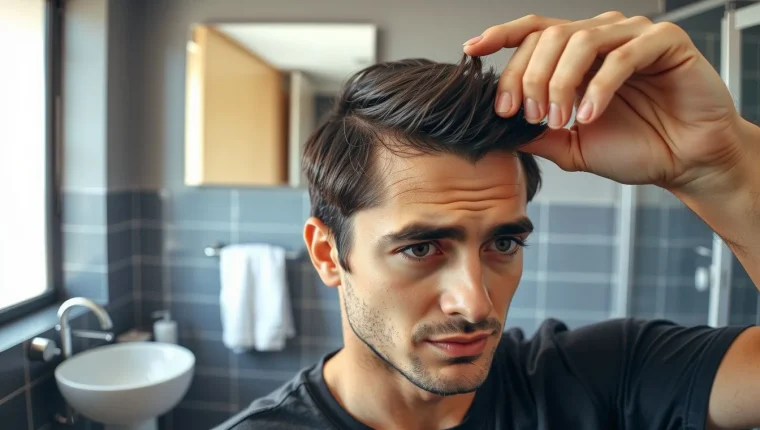
Noticing more hair in the drain or a hairline that keeps moving back raises the same practical questions: is this normal, is it permanent, and what can actually be done about it? Male pattern hair loss is common and gradual, driven largely by genetics and hormones, so it follows a predictable course. This predictability makes hair loss a manageable medical question rather than a cosmetic dead end. The main decisions involve the cause, proven medications, non-drug options, surgical procedures, and consistent long-term upkeep. Each choice has different evidence, timelines, and trade-offs, so matching them to your stage of loss helps avoid wasted money and supports real progress.
Understanding the Root Causes of Hair Loss in Balding Men
Hair loss in men rarely happens overnight; it is usually the visible result of a slow shift in the hair growth cycle. Each follicle moves through growing, resting, and shedding phases, and in androgenetic alopecia that growing phase gradually shortens while resting follicles multiply. Over time, individual strands become thinner and shorter until they stop emerging altogether.
Genetics drive much of this process, but the mechanism runs through hormones. Testosterone converts into DHT (dihydrotestosterone), which binds to susceptible follicles and miniaturizes them. This sensitivity is inherited, which is why pattern baldness tends to run in families and typically follows a predictable shape: a receding hairline and thinning crown.
Not every case fits that template. Sudden or patchy shedding, or loss that spreads evenly, can point to other triggers such as intense stress, illness, thyroid problems, or nutritional gaps like low iron or vitamin D. Recognizing whether your pattern looks hereditary or something else is the first step toward choosing a treatment that actually addresses your situation.
Which Non-Surgical Treatments Actually Work for Balding Men

When men ask which non-surgical options “actually work,” the honest answer depends on what they expect the treatment to do. Most approaches fall into three categories: slowing further loss, triggering new growth, or simply improving the appearance of hair you still have. Confusing these goals is how people end up spending money on products that never had a chance to deliver.
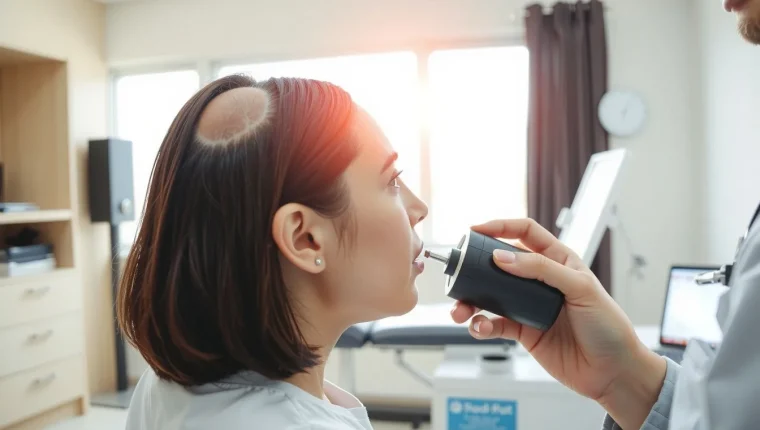
Low-level laser devices and light therapy caps have moderate evidence for slowing hair loss and mild regrowth in some users, though results vary widely and require consistent, long-term use. Scalp massage, microneedling, and certain serums show early promise, but the research remains thin, and outcomes are rarely dramatic on their own.
Cosmetic options occupy a different lane entirely. Hair fibers, tinted concealers, and strategic styling can mask thinning instantly without changing the underlying condition. They are legitimate tools for confidence, not treatments for the cause.
What separates useful interventions from expensive placebos is evidence and realistic timelines. Anything promising visible regrowth in weeks, or claiming to “cure” pattern loss without addressing its drivers, deserves skepticism. The categories with the strongest support tend to be the ones discussed next.
Comparing Proven Medications and Their Realistic Results

Two medications dominate the evidence base for androgenetic hair loss: minoxidil and finasteride. They work through different mechanisms, which explains why their results and timelines differ. Minoxidil is a topical vasodilator that prolongs the growth phase of the hair cycle, widening and lengthening existing follicles. Finasteride is an oral 5-alpha-reductase inhibitor that lowers DHT, the hormone that miniaturizes susceptible follicles. Because finasteride addresses the underlying driver of the balding process, it tends to produce more durable results, while minoxidil supports growth without altering the hormonal cause.
Realistic timelines matter as much as mechanism. Minoxidil users typically notice reduced shedding within two to three months, with visible regrowth appearing around four to six months of consistent use. Finasteride usually slows loss within three to six months, and regrowth—when it occurs—often becomes apparent at six to twelve months. Neither produces overnight change, and stopping either reverses the benefit within months.
| Medication | Mechanism | Typical Timeline | Key Trade-offs |
|---|---|---|---|
| Minoxidil (topical) | Prolongs the growth phase of the hair cycle | Reduced shedding in 2–3 months; visible regrowth at 4–6 months | Daily application; scalp irritation possible; requires ongoing use |
| Finasteride (oral) | Lowers DHT by inhibiting 5-alpha-reductase | Slowed loss in 3–6 months; regrowth at 6–12 months | Prescription required; sexual side effects in a minority; commitment to long-term use |
Side effects and adherence shape outcomes as much as pharmacology. Minoxidil is generally well tolerated, though some users experience itching or flaking. Finasteride carries a small risk of sexual side effects that resolve after discontinuation in most cases. Because both demand consistent, indefinite use to maintain results, the choice often comes down to which trade-off a man can realistically sustain—an important consideration before deciding whether other options are worth pursuing.
When to Consider Advanced Procedures Like Hair Transplants
Advanced procedures become worth discussing when the pattern of loss has stabilized and the donor area on the sides and back of the scalp still holds enough dense, genetically resistant hair to work with. A transplant moves that hair into thinning zones, so it cannot create new follicles or stop the underlying process. For men whose shedding is still active or unpredictable, waiting usually makes more sense than operating.
What the procedure can realistically do is restore density along a receding hairline or fill a thinning crown. What it cannot do is bring back the full head of hair someone had at twenty, and results depend heavily on graft counts, surgeon skill, and how much native hair remains.
Recovery involves a few weeks of visible healing and several months before transplanted growth appears, with full results often taking a year or more. Cost varies widely by clinic and session size, and many patients need a second procedure later. For candidates with stable loss and adequate donor supply, surgery can be a reasonable step, but only as part of a broader plan.
Building a Long-Term Plan to Maintain Your Remaining Hair
Maintenance is not a single decision you make once and forget; it is a routine you keep for years. The treatments covered earlier only hold ground while they are used consistently, so the real challenge is building a structure that survives busy weeks, fading motivation, and the temptation to stop when hair looks stable. Think of protection as an ongoing process rather than a finish line.
A durable plan rests on a few practical habits:
- Consistency over intensity: Applying a treatment most days beats sporadic bursts, because interrupted use often means lost ground that is hard to recover.
- Track progress objectively: Monthly photos under the same lighting reveal gradual changes that mirrors and memory tend to miss.
- Schedule periodic reassessment: A yearly check with a clinician helps confirm the plan still fits your stage of loss and overall health.
- Set realistic checkpoints: Judge results over months, not weeks, so normal fluctuations do not trigger premature quitting.
These habits turn separate treatments into one sustainable routine. Medications, non-surgical options, and any procedures you have chosen work best as parts of a single long-term strategy, adjusted as your hair and circumstances change. The goal is not perfection but steady, informed protection of the hair you still have.
FAQs
What are the most effective treatments for balding men in the early stages?
For balding men in the early stages, FDA-approved medications such as minoxidil and finasteride are the most effective first-line treatments, as they can slow hair loss and promote regrowth when the follicles are still active. Low-level laser therapy and ketoconazole shampoo may provide additional support, while healthier lifestyle habits can help reduce unnecessary shedding. Starting treatment early generally leads to better long-term results, so men should consult a dermatologist to confirm the cause of their hair loss and choose the most suitable option.
Which hair loss treatments for balding men actually regrow hair rather than just slow shedding?
Minoxidil and finasteride remain the only two treatments with strong clinical evidence for actually regrowing hair in balding men, not just slowing loss. Minoxidil extends the growth phase and can produce visible regrowth, especially on the crown, while finasteride blocks DHT to reverse miniaturization and often restores density over months of consistent use. Results vary by individual and depend on starting treatment early, so men should set realistic expectations and consult a doctor before beginning either option.
How do balding men choose between medication, laser therapy, and hair transplants?
Balding men typically start with medication such as minoxidil or finasteride when hair loss is still early or moderate, since these options are non-invasive and can slow or partially reverse thinning. Laser therapy suits men seeking a drug-free, low-risk adjunct that works best for mild to moderate cases and demands consistent, long-term use. Hair transplants become the preferred choice when follicles are permanently lost or a man wants lasting, visible density in specific areas, often combined with medication to protect remaining hair.