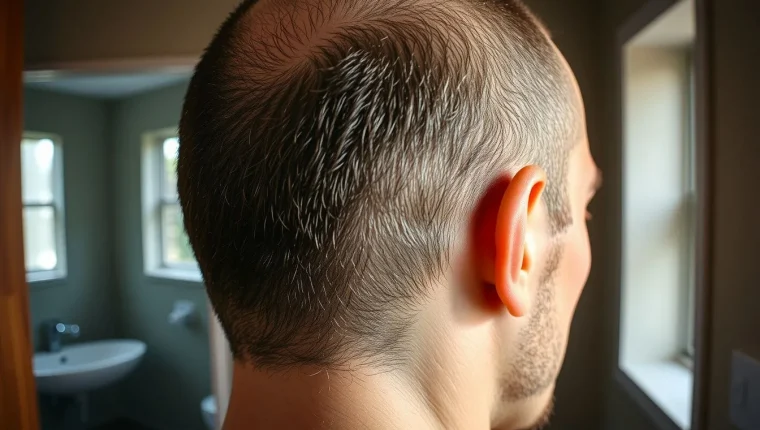
More hair in your brush or a thinner patch at the part line is unsettling, and the first question is usually simple: what is behind it? Alopecia is the medical term for hair loss, and it is not one condition with one trigger. It covers several distinct problems, including inherited sensitivity to hormones, an immune system that turns on its own follicles, illness, medication, stress, and diet. These causes often overlap, and more than one can be active at the same time. That is why hair loss is rarely explained by a single factor, and each possible cause needs to be considered on its own.
Genetic and Hormonal Factors Behind Hair Loss
Hair loss often begins with an inherited trait that most people never realize they carry. In androgenetic alopecia, the most common form of hair loss, genetics determine how sensitive certain hair follicles are to androgens—hormones such as testosterone and its derivative, dihydrotestosterone (DHT). This inherited sensitivity is the foundation on which hormonal activity produces visible thinning.
DHT binds to receptors in genetically susceptible follicles and gradually shortens the growth phase of each hair while shrinking the follicle itself. Over time, hairs become finer and shorter until the follicle stops producing visible hair altogether. Because this process depends on both a genetic predisposition and circulating hormones, it rarely acts through one factor alone; the hormone needs a receptive follicle, and the follicle needs the hormone to trigger change.
The resulting pattern is usually gradual and predictable. In men, thinning typically follows the hairline and crown, while in women it tends to appear as a widening part or diffuse thinning across the top of the scalp. This slow, patterned progression helps distinguish androgenetic hair loss from sudden or patchy shedding, which often points to different causes.
Recognizing this pattern matters because it shapes what you might expect next. If your thinning has developed slowly and follows a recognizable shape, an inherited and hormonal pathway is a reasonable possibility to discuss with a clinician.
How the Immune System Can Trigger Alopecia
In some cases, the body’s own defense network is the source of the problem. The immune system is designed to identify and attack foreign threats, but in autoimmune conditions it can mistakenly target healthy tissue — including the cells inside hair follicles that produce hair. When this happens, the follicle is treated as an intruder, inflammation builds around it, and hair production slows or stops entirely.
This immune-driven pathway differs from inherited hair loss in both timing and pattern. Instead of a gradual, patterned thinning over years, alopecia areata often appears as sudden, clearly defined bald patches on the scalp, beard, or eyebrows. In more extensive forms, the loss can spread across the whole scalp or even the entire body. The skin in affected areas usually looks normal, which is one clue that the cause lies beneath the surface rather than in the hair shaft itself.
Because the trigger is internal and unpredictable, these episodes can come and go, with regrowth followed by new patches elsewhere. This erratic, localized behavior is quite unlike the steady progression typically seen with genetic and hormonal causes. If you notice smooth, round bald spots appearing quickly, it is worth having a clinician evaluate whether an immune response is involved.
Medical Conditions and Medications Linked to Hair Loss
Several health conditions can interfere with the normal hair growth cycle, which is why unexplained thinning sometimes points to something happening elsewhere in the body. Thyroid disorders, for example, can disrupt the balance of hormones that regulate follicle activity, leading to diffuse shedding rather than distinct bald patches. Conditions such as anemia, diabetes, and lupus have also been associated with increased hair loss, and in many cases the shedding becomes noticeable weeks or months after the underlying issue develops.
Medications are another common contributor. Treatments for cancer, certain antidepressants, blood thinners, and some hormonal therapies are known to list hair loss among their possible effects. The timing matters: drug-related shedding typically appears after a delay, and whether it reverses depends on the medication and how the body responds once the trigger is removed or adjusted.
Because so many conditions and prescriptions overlap in how they present, this is one area where self-diagnosis can easily lead you in the wrong direction. A clinician can review your medical history, order relevant tests, and help determine whether an existing condition or a current medication is playing a role in your hair loss.
Stress, Nutrition, and Lifestyle Triggers

Emotional or physical stress can push a large number of hair follicles into a resting phase at the same time, leading to noticeable shedding a few months later. This pattern, known as telogen effluvium, is usually temporary and reverses once the stressor resolves, but it can feel alarming while it lasts. Major surgery, illness, bereavement, or sustained anxiety are common triggers.
Nutritional shortfalls can also weaken hair growth. Iron deficiency, low vitamin D, insufficient protein, and inadequate zinc or B vitamins may all contribute to thinning or slowed regrowth. Because hair is not essential for survival, the body often diverts limited nutrients away from follicles first.
Lifestyle habits such as crash dieting, poor sleep, smoking, and harsh hair styling tend to aggravate an existing cause rather than act alone. They rarely explain hair loss by themselves, but they can make a genetic, hormonal, or medical trigger worse.
When the Cause Remains Unknown: Idiopathic Hair Loss
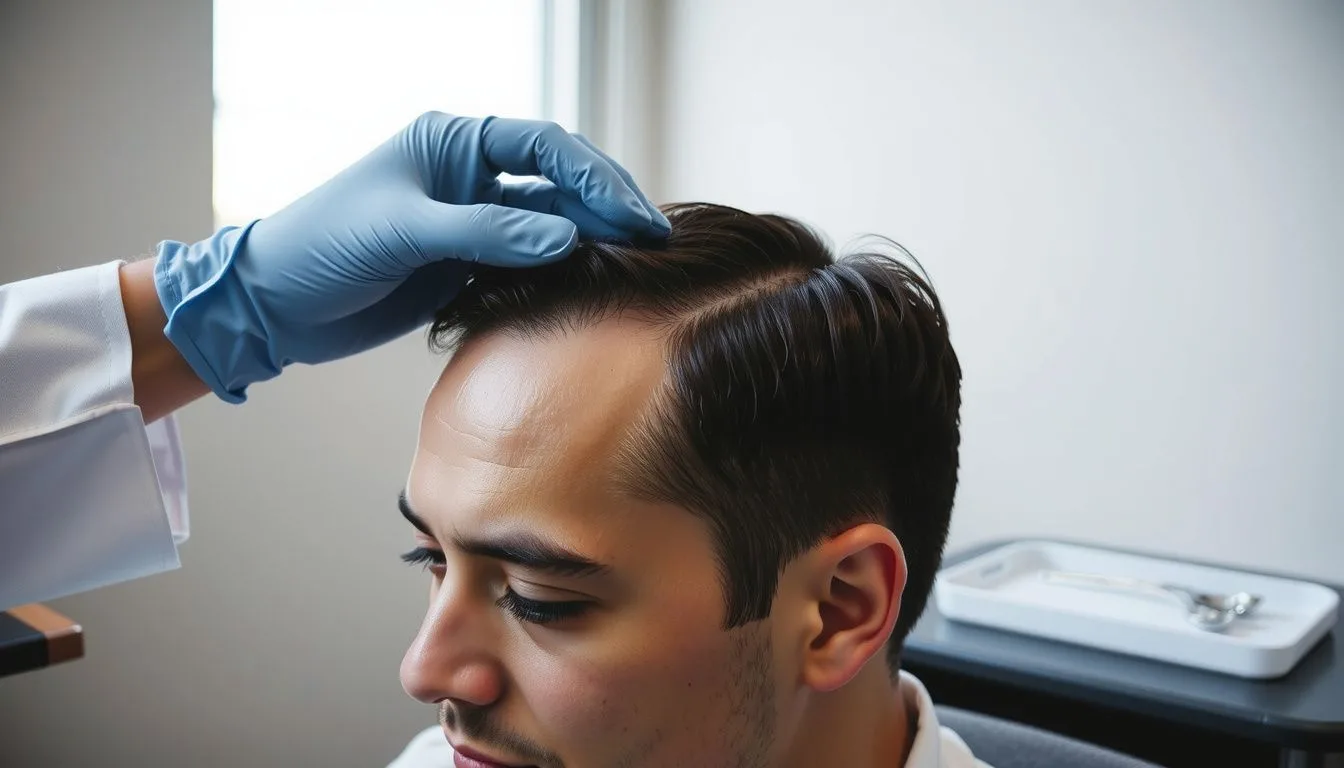
Sometimes a thorough evaluation—reviewing your history, medications, and lab work—still turns up no clear explanation. This outcome has a name: idiopathic hair loss. Idiopathic simply means the cause is unknown, and it is a recognized diagnosis rather than a sign that your doctor missed something. Many cases of unexplained thinning fall into this category, especially when common triggers like thyroid disorders or telogen effluvium have already been ruled out.
An unknown cause does not mean the situation is untreatable. Management often focuses on what can be observed and measured: the pattern and rate of shedding, scalp health, and how your hair responds over time. For many people, the condition stabilizes or improves with supportive care, even without a named trigger behind it.
The practical next step is a clinical assessment. A dermatologist can confirm that reversible causes have been excluded and discuss options matched to your specific pattern of loss.
FAQs
Can stress alone trigger alopecia, or does it only worsen an existing cause?
Stress can act as a direct trigger for certain forms of alopecia, most notably telogen effluvium, where physical or emotional stress pushes hair follicles into a resting phase and causes diffuse shedding months later. In alopecia areata, stress is widely recognized as a contributing trigger that can initiate new flare-ups in genetically predisposed individuals rather than merely aggravating an existing cause. For androgenetic alopecia, however, stress typically worsens an underlying genetic and hormonal process instead of causing it on its own. Stress can both trigger and exacerbate hair loss depending on the specific type of alopecia involved.
What is alopecia caused by in people who have no family history of hair loss?
Alopecia can develop without any family history because many triggers are environmental or medical rather than inherited. Common causes include autoimmune reactions such as alopecia areata, severe stress or illness, nutritional deficiencies, hormonal shifts, and reactions to certain medications or treatments. In these cases, the hair loss reflects an underlying trigger rather than a genetic predisposition.
Are there medical conditions or medications that can suddenly cause alopecia?
Yes, several medical conditions and medications can trigger sudden hair loss. Telogen effluvium often follows severe illness, major surgery, high fever, or intense physical or emotional stress, causing diffuse shedding a few months later. Autoimmune conditions like alopecia areata and thyroid disorders can also cause rapid hair loss, while medications such as chemotherapy agents, blood thinners, and certain antidepressants are well-known triggers.