If you have requested quotes from a few clinics in Turkey, you have probably noticed that prices for the same procedure can differ by thousands of dollars, with little explanation. An otoplasty Turkey cost quote depends on more than the surgery itself: the surgeon’s experience, the clinic’s city, the package contents, the type of anesthesia, and the surgical technique all play a role. Travel and accommodation expenses often fall outside the headline number, so the first price you see is rarely the full budget to plan for. Understanding these variables before comparing offers helps you judge which quote is fair and which hides gaps or inflated extras.
Why Is Otoplasty More Affordable in Turkey Than in Europe or the US?
The price gap between Turkey and Western countries isn’t a mystery once you look at the underlying economics. The single biggest driver is the lower operating cost structure that Turkish clinics enjoy. Surgeon salaries, staff wages, clinic rent, and especially malpractice insurance premiums are all significantly lower than in the UK, Germany, or the United States. A clinic in Istanbul can maintain international standards of equipment and hygiene while spending a fraction of what a comparable European facility would on overhead alone.
The currency exchange rate works in patients’ favor as well. When you pay in euros, pounds, or dollars, the conversion gives you substantially more purchasing power against the Turkish lira, which lowers the effective price of the same surgical work without the clinic cutting any corners.
Volume plays a role too. Turkish cosmetic surgery clinics handle a far higher number of international patients each year than most European practices, allowing them to negotiate better rates on implants, sutures, and anesthesia services, then pass some of those savings along.
It’s worth remembering, though, that a low quote alone tells you nothing about quality. Some budget clinics genuinely offer value; others cut where you can’t see it. That’s why understanding what sits behind the price—starting with the surgeon’s own credentials and reputation—is the smartest way to judge a quote fairly.
Surgeon Experience and Its Impact on Pricing
Among all otoplasty Turkey cost factors, the surgeon’s background is the one that most directly explains why two quotes for the same procedure can differ by hundreds of dollars. A surgeon who is board-certified in plastic surgery, has completed fellowship training in aesthetic or reconstructive ear surgery, and has spent years performing otoplasty specifically will typically charge more than a general surgeon offering the same operation. That premium reflects refined technique, lower revision rates, and results that look natural rather than “pinned back.”
Demand also plays a measurable role. Surgeons with strong reputations among international patients — often visible through before-and-after galleries, patient reviews, and waiting lists — can price their services higher and still fill their schedules. In practice, you are partly paying for predictability: an experienced ear surgeon is less likely to need a costly corrective procedure later.
This is why unusually low fees deserve scrutiny. If a clinic cannot verify a surgeon’s credentials, or if the price is dramatically below the market average with no clear explanation, treat it as a warning sign rather than a bargain. During your consultation, ask how many otoplasty procedures the surgeon performs annually, whether they are certified by the Turkish Society of Plastic, Reconstructive and Aesthetic Surgery, and who handles complications if one occurs. Straightforward, documented answers are worth more than the cheapest quote you will receive.
How Clinic Location Within Turkey Changes the Price
Geography matters more than most patients expect when comparing quotes within Turkey. Istanbul, home to the country’s largest concentration of private hospitals and internationally marketed clinics, sits at the top of the price range. High demand from medical tourists, premium real estate costs, and heavy investment in multilingual patient coordinators all feed into what a clinic charges. In practice, the same procedure performed by an equally qualified surgeon can cost noticeably more on Istanbul’s European side than elsewhere in the country.
Smaller cities can change that math. Clinics in Ankara, Izmir, and Antalya often quote lower prices because their overhead is lower and they compete for a smaller local and international patient base. Some patients find genuine value there, particularly if they are comfortable organizing more of their own logistics.
The trade-offs are practical rather than medical. Istanbul offers the most frequent international flights, the widest choice of English-speaking staff, and established transfer services for foreign patients. In other cities, flight connections may require a domestic layover, and aftercare coordination can be less polished. If saving a few hundred euros is worth a slightly more complicated trip, a secondary city deserves a place on your comparison list.
What Is Usually Included in the quoted Price?
Two quotes for ear pinning surgery can differ by hundreds of dollars simply because one clinic bundles more services into its package. Before comparing numbers, you need to know exactly what each quote covers, because the cheapest offer on paper rarely stays the cheapest once hidden items start appearing on your final bill. Most reputable clinics in Turkey do provide a fairly standard core package, but the details vary enough that an itemized written quote is the single most useful document you can request before committing to anything.
When a Turkish clinic sends you a proper quote, it will typically include:
- Surgeon’s fee — the cost of the operation itself as performed by your chosen surgeon, whether a junior associate or a senior specialist.
- Anesthesia charges — most quotes cover local anesthesia with sedation, though the exact type should be confirmed in writing.
- Facility costs — use of the operating room, recovery area, and basic nursing care during your time at the clinic.
- Standard post-operative checks — follow-up examinations during your stay in Turkey, usually covering the first dressing change and removal of sutures if needed.
What catches patients off guard are the items frequently left out: prescription medications, compression headbands or garments you may need to wear for weeks, and any laboratory tests required before surgery. Revision policies deserve special attention, because some clinics include a free or discounted correction if the results need adjustment, while others charge the full surgical fee again. Ask explicitly whether complications during the first year would be treated at additional cost. And if a quote mentions nothing about anesthesia or the surgical setting at all, clarify it early — those elements alone can shift your total more than any other line item.
Anesthesia and Hospital Fees as Cost Variables
Anesthesia is one of the most overlooked lines in any surgical quote, yet it can move the total by hundreds of dollars. Most otoplasty procedures are performed under local anesthesia with sedation, which is the least expensive option because it requires only an anesthetist rather than a full anesthesia team and recovery unit. General anesthesia, more common for children or anxious patients, increases the bill through the anesthesiologist’s fee, additional medications, and longer monitoring time.
The setting matters just as much. A procedure performed in an accredited hospital operating room carries higher facility charges than one done in a private clinic’s surgical suite, reflecting costs like licensed staff, emergency equipment, and sterilization standards. Neither setting is inherently wrong — reputable surgeons work in both — but you should know which one your quote assumes.
Complexity also plays a role. A standard ear pinning may need only light sedation, while a revision case or combined procedure could require general anesthesia, quietly shifting your final figure. Always ask whether the quoted anesthesia charge covers the anesthetist, medications, and recovery monitoring, or whether these appear as separate items on the itemized written quote.
The Effect of Technique Choice on Total Expenses
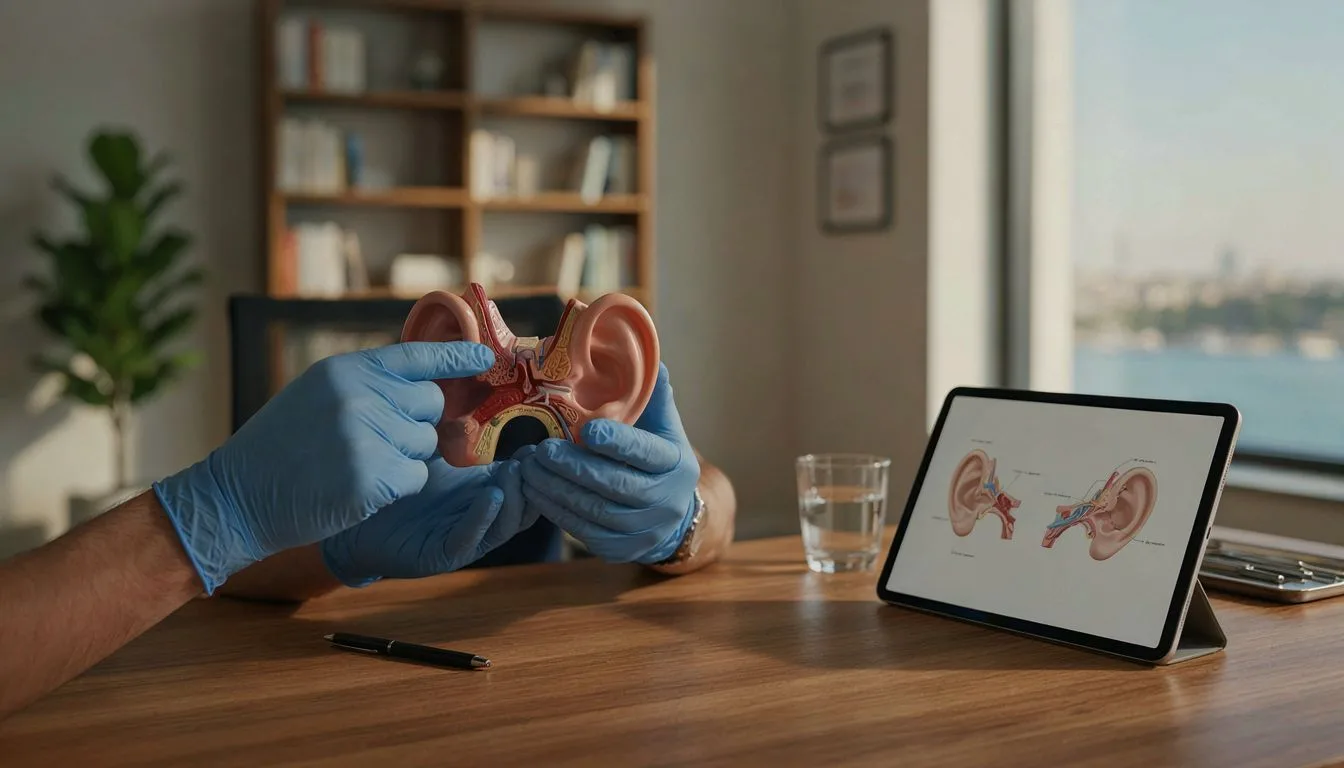
Not all ears require the same operation, and the surgical method your surgeon selects is one of the quieter but more meaningful drivers of your final bill. A standard ear pinning with a traditional post-auricular incision is typically the baseline price, while cartilage-sparing techniques and minimal-incision variants can carry higher fees because they demand greater precision and more operative time.
The state of your ears matters just as much. A primary correction on an adult with straightforward prominence is the least complex scenario. Revision surgery—correcting a previous otoplasty that left asymmetry, a residual deformity, or over-tightened cartilage—involves scar tissue, unpredictable anatomy, and extra operating time, and it is almost always quoted higher than a first-time procedure.
Technique also has a knock-on effect on the fees discussed in the previous section. A longer operation means more anesthesia time and more use of the accredited hospital operating room, both of which appear on your itemized written quote. When comparing offers, ask which technique is planned for your specific anatomy and why, since a slightly higher quote may reflect a more appropriate method rather than a more expensive surgeon.
Travel and Accommodation Costs to Factor Into Your Budget

Your surgical quote is only part of the final bill; the trip itself deserves its own line in your budget. Airfare is the biggest variable, with flights from Europe often ranging between €150 and €400 return depending on your departure city, season, and how early you book. Summer and holiday periods push prices up noticeably, so flexible dates can save real money.
Plan for a stay of roughly 7 to 10 days in Turkey. Surgeons typically want you present for the initial consultation, the operation, and several follow-up checks before you fly home. That timeframe shapes your accommodation budget: a mid-range hotel or serviced apartment in Istanbul generally runs €40–€80 per night, while Antalya and Izmir can be somewhat cheaper. Add daily expenses for meals, pharmacy supplies, and taxis or airport transfers — usually €25–€50 per day depending on the city.
Finally, build in a buffer for unexpected extra nights. Occasional delays, a follow-up appointment your surgeon wants to repeat, or simply needing more rest before flying can extend your stay by a day or two. Setting aside an extra €150–€300 keeps those surprises from derailing your finances.
FAQs
Why is ooplasty more affordable in Turkey compared to the UK or US?
Ooplasty in Turkey typically costs 50-70% less than in the UK or US, mainly because of lower operational expenses, lower surgeon fees, and favorable exchange rates rather than any difference in quality. Turkish clinics also benefit from high patient volumes, which allows them to spread costs efficiently, and government support for medical tourism keeps prices competitive. Many surgeons perform the same techniques with comparable international training and accreditation, so the lower price reflects the local economy, not a compromise in standards.
Does the surgeons experience significantly influence the final price of ear surgery?
Yes, a surgeon's experience is one of the most significant factors influencing the final price of ear surgery. Highly experienced, board-certified surgeons who specialize in otoplasty typically charge more because their expertise delivers more refined, natural-looking results and lower complication rates. While choosing a less experienced surgeon may reduce the upfront cost, the potential need for revision surgery can end up costing far more, so the higher fee is often a worthwhile investment.
Are aftercare appointments and follow-up visits included in the quoted price?
This varies by clinic, so you should ask before booking. Many reputable practices include routine follow-up visits—such as suture removal and standard post-operative checks—in the quoted price, but revision surgery, additional treatments, or extended aftercare programs often cost extra. Reputable surgeons will put their aftercare policy in writing, so request a clear breakdown of what the quote covers before you commit. If a clinic is vague about follow-up care, treat that as a warning sign, since proper post-operative monitoring is essential to a good outcome.