Considering otoplasty in Istanbul? You’re not alone. Every year, a growing number of Canadian patients travel to Turkey for ear surgery, drawn by the combination of experienced surgeons, modern clinics, and costs that are often significantly lower than at home. But choosing to have surgery abroad raises practical questions: How do you pick a trustworthy clinic? What should a Canadian patient know about travel, recovery, and follow-up care from thousands of kilometres away? In this guide, we answer exactly those questions. You’ll learn how the procedure works, what it typically costs compared to Canada, how to prepare before your flight, and which red flags to avoid when researching clinics. Whether you’re exploring otoplasty for yourself or your child, this step-by-step overview will help you plan with confidence and realistic expectations.
Why Canadian Patients Choose Istanbul for Otoplasty

For many Canadians, the decision to travel abroad for ear surgery comes down to a simple equation: world-class results at a fraction of domestic prices. Otoplasty in Toronto or Vancouver can easily run between CAD $6,000 and $10,000, while comparable surgery in Istanbul typically costs 50–70% less — even after adding flights and a hotel.
But price alone doesn’t explain why Istanbul has become a leading destination for this procedure. The city hosts one of the highest concentrations of JCI-accredited hospitals and internationally trained plastic surgeons in the region, many of whom perform ear reshaping surgery daily. High surgical volume translates into refined technique, particularly with delicate procedures like ear pinning where symmetry and natural contours matter most.
There’s also the matter of access. Canadian public healthcare doesn’t cover otoplasty when it’s performed for cosmetic reasons, and waiting lists for elective procedures can stretch for months. Private clinics in Istanbul, by contrast, often schedule surgery within weeks of your first consultation — sometimes within days for international patients on a tight itinerary.
Istanbul’s infrastructure for medical travelers is another draw. Clinics routinely provide English-speaking coordinators, all-inclusive packages covering transfers and accommodation, and aftercare protocols designed for patients flying home shortly after recovery milestones.
That said, choosing Istanbul requires diligence, not blind trust. Credentials vary between clinics, and the best outcomes come from surgeons with verified board certification and documented experience specifically in otoplasty. The sections ahead walk you through exactly how to evaluate that — starting with what the procedure actually involves and whether you or your child are suitable candidates.
What Is Otoplasty and Who Is a Good Candidate?
Otoplasty, more commonly known as ear surgery or ear pinning, is a procedure that reshapes the cartilage of the ear to correct protruding ears, asymmetry, or deformities caused by injury or birth conditions. Unlike many cosmetic operations, it is often performed on children as young as five or six, once ear growth is largely complete — which is why many parents consider cartilage-sparing otoplasty before school age, when teasing and self-consciousness can begin to affect a child’s confidence. Adults make up the other large group, frequently opting for correction later in life after years of covering their ears with hair or avoiding certain hairstyles.
Good candidates share a few common characteristics. Surgeons in Istanbul typically look for the following before approving a patient:
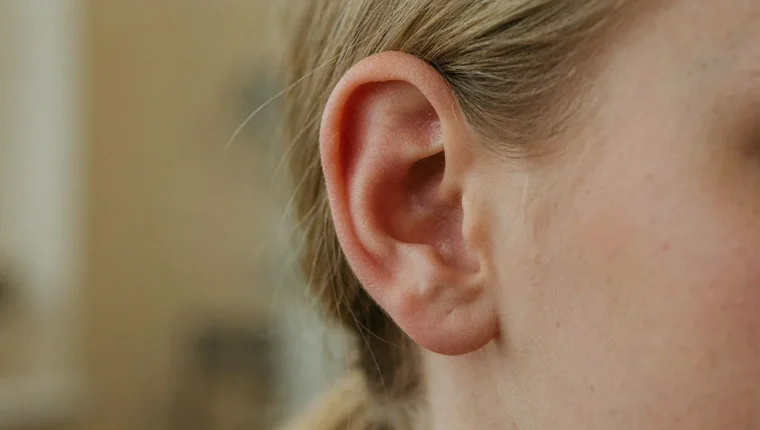
- Protruding or prominently folded ears that sit more than roughly 20–30 degrees from the head, the most frequent reason for surgery.
- Fully developed ears, which is usually the case by age five or six, allowing children to be treated safely.
- Good overall health with no untreated chronic conditions or ear infections that could complicate healing.
- Realistic expectations, meaning an understanding that the goal is natural-looking improvement in proportion and symmetry, not perfection.
- Non-smoking status or willingness to stop before surgery, as smoking slows tissue recovery.
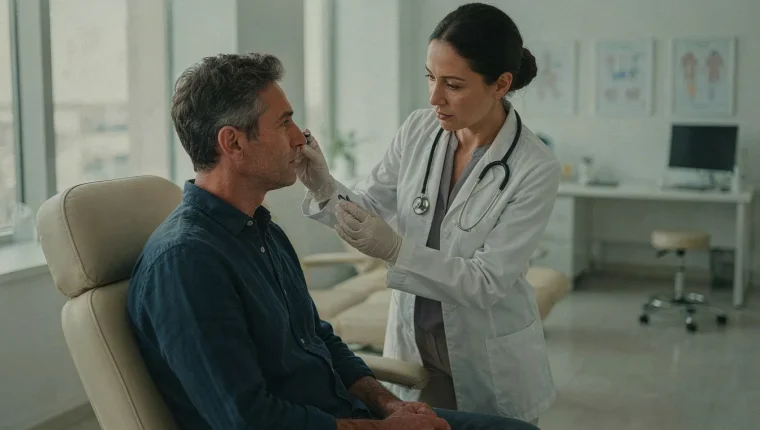
The consultation stage matters as much as the surgery itself. Reputable Istanbul clinics will review photographs of your ears, discuss whether cartilage folding or cartilage removal suits your anatomy, and explain what results are realistically achievable. Patients with unrealistic expectations, active infections, or bleeding disorders are typically advised to delay or avoid the procedure — a sign of a clinic that prioritizes safety over volume.
Understanding Ear Pinning Techniques and Surgical Options
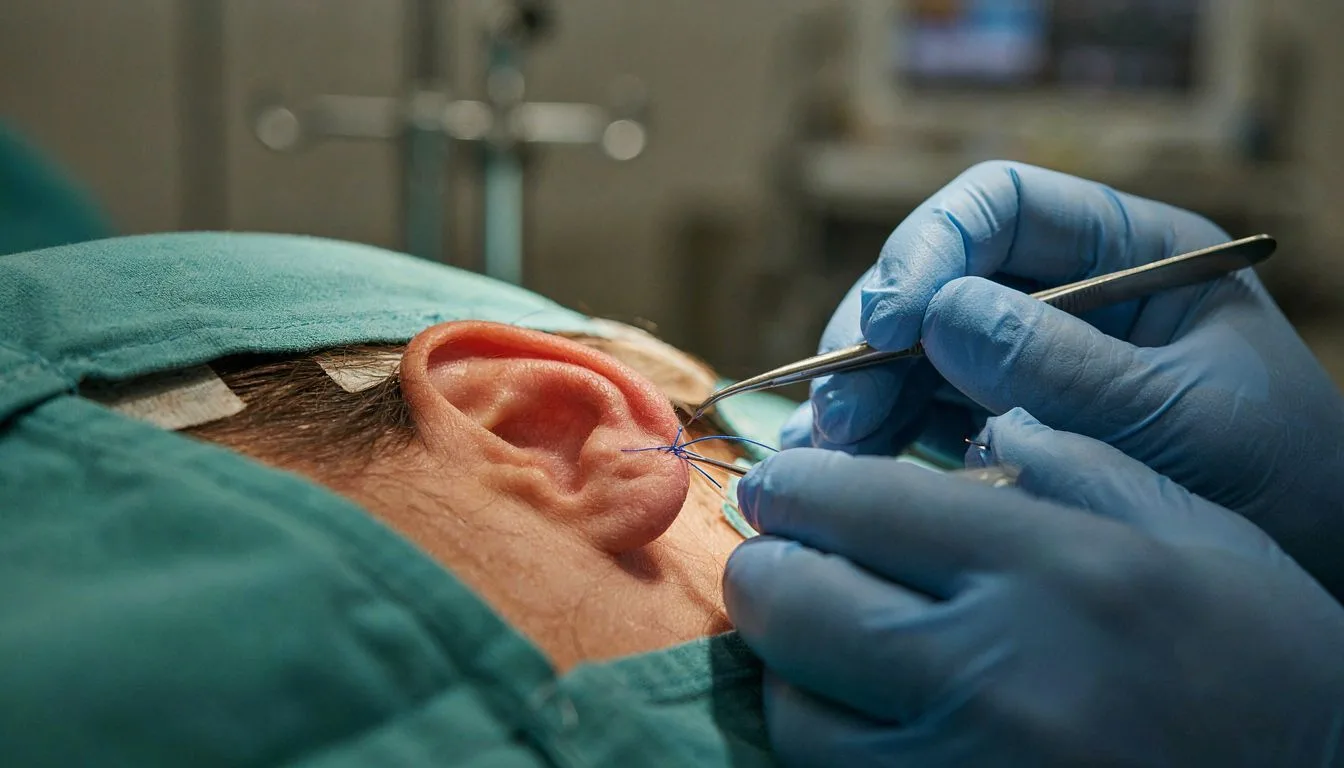
Once the decision for surgery is made, the next question is usually how the correction is actually performed. There is no single universal method; surgeons tailor the approach to the shape of your cartilage, the degree of protrusion, and whether the issue is an underdeveloped fold or an overly deep conchal bowl.
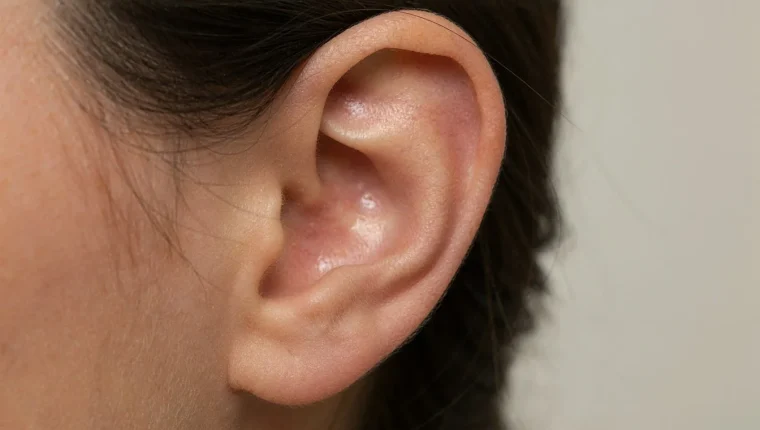
The most widely used approach today is cartilage-sparing otoplasty, which reshapes the ear using permanent internal sutures rather than cutting away cartilage. The surgeon makes a small incision behind the ear, exposes the cartilage, and places stitches that fold the ear into a more natural position. Because the cartilage structure is preserved, the results tend to look soft and organic, and the risk of sharp edges or irregular contours is lower.
Some surgeons combine this with a cartilage-cutting (scoring) technique when the cartilage is particularly stiff or thick. Scoring weakens the cartilage so it bends more easily, which can be useful in adult patients whose cartilage is less pliable than a child’s. In cases where the ear protrudes because of an enlarged conchal bowl, a small wedge of cartilage may be removed to bring the ear closer to the head.
Other options include the Mustardé technique, which creates the antihelical fold with internal sutures, and less invasive variants such as incisionless otoplasty, where sutures are placed through tiny punctures. These may suit milder cases, though they offer the surgeon less control.
Your surgeon should explain which technique fits your anatomy and why. In most cases, the operation takes one to two hours under local anesthesia with sedation, and the incision hidden behind the ear leaves a nearly invisible scar.
How Much Does Otoplasty Cost in Istanbul Compared to Canada?
When it comes to the cost of otoplasty, the difference between Istanbul and Canada can be striking. In Canada, ear surgery performed by a board-certified plastic surgeon typically ranges from CAD $5,000 to $8,000, and because it is usually considered cosmetic, provincial health plans rarely cover it. In Istanbul, the same procedure generally costs between USD $1,500 and $3,000 — often including the surgeon’s fee, anaesthesia, hospital facilities, and initial aftercare in one package price.
This gap isn’t a reflection of lower quality. Turkish clinics can offer these rates because of lower operating costs, favourable exchange rates, and a highly competitive medical tourism market that performs a high volume of procedures annually. Many surgeons in Istanbul are internationally trained and perform cartilage-sparing techniques similar to those used in Canadian hospitals.
It’s worth understanding what a Turkish package typically covers: pre-operative consultations and tests, the surgery itself, medications, a follow-up visit, and often airport transfers and a hotel stay. In Canada, each of these elements is usually billed separately, which is why the final invoice often exceeds the initial quote.
That said, budget for items not included in most Istanbul packages: your flights, additional nights of accommodation if needed, and any care required once you return home. Most patients find that even with travel expenses added, the total cost remains roughly half of what they would pay in Toronto or Vancouver. Request a detailed, itemized quote from any clinic you’re considering so there are no surprises later.
Planning Your Medical Trip: Visas, Flights, and Accommodation
Once you’ve settled on a surgeon and a price that works, the practical side of your trip comes into focus — and this is where a little organization goes a long way. Most otoplasty stays in Istanbul are short, often five to seven days from arrival to follow-up appointment, so every booking you make should support a calm, low-stress recovery rather than a packed itinerary. Clinics that regularly treat international patients usually offer a coordinator who helps arrange these details, but it helps to understand the pieces yourself.
The good news for Canadians is that travel to Turkey is straightforward. Since 2020, Canadian passport holders no longer need an e-Visa or any visa for stays of up to 90 days in Turkey for tourism or medical purposes. Your passport simply needs to be valid for at least 150 days beyond your entry date. Still, confirm current requirements with the Turkish embassy or your clinic before booking, as entry rules can change.
Flights are the next piece. Direct routes from Toronto, Montreal, and Vancouver to Istanbul make the journey manageable — roughly ten to eleven hours from eastern Canada. A few practical tips worth keeping in mind:
- Book flexible or refundable fares. Surgery dates occasionally shift for medical reasons, and a flexible ticket protects you from costly rebooking fees.
- Plan your return around your follow-up. Most surgeons want to see you once or twice before you fly home, so book your departure after your final check is confirmed.
- Upgrade to extra legroom if you can. Keeping your head elevated and being able to shift comfortably matters in the first days after ear surgery.
- Avoid connecting flights with tight layovers. Fatigue and airport stress are the last things you need while healing.
For accommodation, choose a hotel or serviced apartment near your clinic — many Istanbul facilities partner with nearby hotels and offer discounted medical-patient rates. Ask for a quiet room away from elevators and street noise, since you’ll be sleeping with a protective head bandage for the first several nights. Properties in Şişli, Nişantaşı, or near the Bosphorus in Beşiktaş put most major clinics within a short, gentle walk. If you’re traveling for otoplasty for yourself or your child, an apartment with a small kitchen makes recovery meals and medication schedules much easier to manage. Finally, carry printed copies of your surgery confirmation, prescriptions, and clinic contact details in your carry-on, and keep your phone charged with a Turkish SIM or eSIM so your surgical team can always reach you.
Recovery Timeline and Aftercare After Ear Surgery
Recovery after otoplasty is one of the reasons the procedure appeals to international patients: it is generally straightforward, with most adults returning to desk work or school within a week. Knowing what to expect day by day helps you plan your return flight, your follow-up schedule, and your first weeks back home in Canada with confidence.
Immediately after surgery, your ears will be wrapped in a protective dressing or headband. This serves two purposes: it protects the newly shaped cartilage and helps the skin settle into its new contours. You may feel some soreness, tightness, or a mild throbbing sensation for the first few days, which is usually well controlled with prescribed pain medication. Sleeping with your head elevated and avoiding pressure on your ears makes a noticeable difference in comfort during this stage.
At your first follow-up appointment, typically three to five days after surgery, your surgeon will remove or adjust the dressing and examine the incisions. Many Canadian patients schedule this check just before flying home, which is why earlier planning advice suggested booking your return around your follow-up rather than the other way round. Once cleared, you’ll usually be given a soft compression headband to wear at night.
The most important part of long-term success is protecting the ears during the first six weeks. Cartilage-sparing otoplasty reshapes tissue that is still healing, and pressure or trauma during this window can affect the result. Keep these guidelines in mind:
- Avoid any contact with the ears — no headphones, glasses resting on the ears, or contact sports for at least a month.
- Wear the headband consistently while sleeping, usually for two to four weeks.
- Wash your hair carefully, keeping incisions dry until your surgeon approves.
- Avoid swimming and heavy lifting until cleared, typically around week four.
Most swelling settles within a few weeks, though subtle changes continue for several months. Minor asymmetries during early healing are normal and almost always smooth out. If you notice increasing pain, one ear becoming significantly more swollen than the other, or fever, contact your clinic right away — reputable Istanbul clinics provide direct messaging channels for international patients long after they’ve flown home.
By your six-week check, either in person or via video consultation, most patients receive full clearance, and the results — naturally positioned ears that no longer draw unwanted attention — become a permanent part of daily life.
Choosing a Safe, Accredited Clinic in Istanbul
The final step in your planning is the one that matters most: verifying that the clinic you’ve chosen is genuinely safe and properly accredited. Turkey’s medical tourism sector is large and largely reputable, but quality varies, and a little due diligence goes a long way toward protecting your health and your investment.
Start with the surgeon’s credentials rather than the clinic’s marketing. A qualified plastic surgeon in Turkey should be board-certified, typically through the Turkish Board of Plastic, Reconstructive and Aesthetic Surgery, and ideally a member of organizations such as ISAPS (International Society of Aesthetic Plastic Surgery) or EBOPRAS. You can often verify these memberships directly on the societies’ websites, which is far more reliable than a badge on a clinic’s homepage.
Accreditation is your next checkpoint. Look for hospitals and clinics holding JCI (Joint Commission International) accreditation, the gold standard for international patient safety. JCI-accredited facilities in Istanbul are audited regularly for surgical standards, infection control, and patient rights — the same benchmarks you’d expect from a major Canadian hospital.
Beyond credentials, do a deeper dive before you commit:
Ask for the surgeon’s specific experience with otoplasty, including before-and-after photos of their own patients — not stock imagery. Request a video consultation so you can gauge communication and comfort level. Confirm that a written treatment plan, itemized quote, and aftercare schedule are provided before any payment. Read independent reviews from past international patients, especially those from Canada, and be cautious of clinics that pressure you to book quickly or offer prices dramatically below the market range.
Finally, make sure the clinic offers genuine follow-up support after you fly home. A reputable provider will give you direct contact details for post-operative questions, a clear escalation plan if complications arise, and documentation you can share with your family doctor in Canada. Clinics that plan for your recovery after you leave Istanbul are showing you exactly how they value patient safety — and that’s the clearest signal of all that you’ve chosen well.
FAQs
How much does otoplasty cost in Istanbul compared to private clinics in Canada?
Otoplasty in Istanbul typically costs between $1,500 and $3,000, while private clinics in Canada generally charge CAD $5,000 to $8,000 or more for the same procedure. This makes Turkey roughly 50–70% cheaper, even after adding travel and accommodation expenses. The lower price reflects Turkey's lower operational and labor costs rather than reduced quality, as many Istanbul clinics are internationally accredited and perform high volumes of otoplasty. Prices vary by surgeon experience and technique, so patients should request detailed quotes from specific clinics.
Is it safe for Canadian patients to travel to Istanbul for ear pinning surgery, and how are clinics vetted?
Yes, Istanbul is a generally safe destination for Canadian patients seeking ear pinning surgery, as the city performs a high volume of cosmetic otoplasty procedures in internationally accredited hospitals staffed by board-certified plastic surgeons. Reputable clinics are vetted by verifying surgeon credentials through the Turkish Medical Association, checking JCI or TEMOS accreditation, and reviewing verified patient testimonials on independent platforms rather than the clinic's own marketing. Many providers also offer all-inclusive packages covering airport transfers, accommodation, pre-operative testing, and follow-up consultations, which adds structure and accountability to the process. Canadians should still confirm the surgeon's specific otoplasty experience and arrange aftercare instructions with a local doctor before flying home.
How long should I stay in Istanbul after otoplasty before flying back home?
Most patients can safely fly home 7 to 10 days after otoplasty in Istanbul, once the initial swelling and dressing have been managed and your surgeon confirms the ears are healing well. Some clinics may clear you to travel as early as 5 to 7 days after the procedure, but a full week gives time for your first follow-up appointment before departure. Pressurized cabin air can increase discomfort during the early healing phase, so the longer stay also makes the flight more comfortable. Always get final clearance from your surgeon before booking your return flight.