Otoplasty — ear pinning surgery — is a procedure where the surgeon’s skill matters. Unlike many cosmetic operations, the results are visible every day, and uneven ears or unnatural folds are hard to hide. That is why choosing the right otoplasty surgeon in Turkey matters.
Turkey has become one of the most popular destinations for ear reshaping surgery, attracting thousands of international patients each year. But with hundreds of clinics competing for your attention, how do you separate genuinely experienced surgeons from clever marketing?
You’ll learn which credentials count, which questions to ask during your consultation, and which red flags to avoid. Whether you’re considering surgery for yourself or your child, a few minutes of research now can make all the difference in your final result.
Why Choose Turkey for Otoplasty Surgery
Turkey has become one of the most popular destinations in the world for cosmetic ear surgery, and the reasons go well beyond the attractive price tags. The country has built a genuine reputation in aesthetic medicine, with Istanbul alone hosting dozens of clinics that perform ear reshaping procedures every week. This high surgical volume matters: surgeons who perform otoplasty regularly tend to refine their technique in ways that directly benefit outcomes like natural-looking ear symmetry.
Cost is the factor most patients notice first. In the UK, US, or Western Europe, ear pinning surgery often costs between $4,000 and $8,000, while comparable treatment in Turkey typically ranges from $1,500 to $3,000 — usually with accommodation, transfers, and aftercare bundled into the package. That price difference reflects lower operating costs and favorable exchange rates rather than lower standards, which is why so many international patients feel comfortable making the trip.
Accessibility is another practical advantage. Turkey is within a short flight of Europe, the Middle East, and much of Asia, and most clinics offer all-inclusive packages covering airport pickup, hotel stays, interpreter services, and follow-up appointments. For a procedure that requires only about a week of recovery before returning home, this makes planning straightforward.
Quality control has also improved significantly. Turkish hospitals serving international patients are often accredited by JCI, and experienced surgeons frequently hold international memberships and training credentials. The combination of skilled specialists, modern facilities, and transparent pricing is exactly why so many people researching an otoplasty surgeon in Turkey end up shortlisting the country — and why the next step, knowing what qualifications to demand, matters so much.
Qualifications to Look for in an Otoplasty Surgeon
Not every doctor who offers ear surgery holds the same training, and this is where many patients get tripped up when researching an otoplasty surgeon in Turkey. The single most important credential is board certification in plastic, reconstructive, and aesthetic surgery — a qualification that confirms the surgeon completed formal residency training and passed national examinations in the specialty, rather than learning cosmetic procedures through short courses or observation alone. This certification should be considered the non-negotiable foundation of your search, because it verifies a standardized level of surgical education that shorter, informal training routes simply cannot match. Once you have confirmed it, you can move on to evaluating the finer points that distinguish one qualified candidate from another.
Beyond that baseline, here is what separates a well-qualified surgeon from a merely convincing one:
- Specialized experience with ear surgery: A surgeon who performs otoplasty regularly — ideally dozens of cases per year — will be far more familiar with the nuances of cartilage reshaping than someone who treats ears occasionally.
- Hospital privileges: Surgeons who hold operating rights at accredited hospitals have been independently vetted, which adds a layer of accountability beyond their private clinic.
- Membership in professional bodies: Affiliations such as the Turkish Society of Plastic, Reconstructive and Aesthetic Surgeons (TPRECD) or international societies like ISAPS signal ongoing education and adherence to ethical standards.
- Genuine before-and-after work: A qualified surgeon can show you a portfolio of their own otoplasty patients, consistently lit and photographed from multiple angles, not stock or heavily edited images.
- Comfort with revision cases: Surgeons who handle corrective ear surgery are often the most technically confident, because revision work demands a deeper command of anatomy.
It is also worth paying attention to how the surgeon communicates during your first contact. A properly trained specialist will explain the specific technique they plan to use — whether cartilage-sparing or cartilage-cutting — and why it suits your anatomy. Vague answers, pressure to book quickly, or reluctance to discuss their training are practical red flags that matter just as much as any certificate on the wall.
Taken together, these credentials and signals give you a reliable framework for comparing candidates. A surgeon who meets all these points — formal certification, consistent ear surgery experience, hospital accreditation, professional affiliations, an honest portfolio, and confident handling of complex cases — is more likely to deliver a safe procedure and a natural, symmetrical result that you will be happy with for years to come.
How to Verify a Surgeon's Credentials and Certifications
Once you know what qualifications to look for, the next step is confirming they actually exist. In Turkey, the most reliable starting point is the surgeon’s board certification through the Turkish Medical Association (TTB) and its relevant specialty society. Plastic surgeons trained in Turkey must complete an accredited residency program to earn board certification, and legitimate surgeons will list this openly on their clinic website. If you can’t find it stated anywhere, that’s a signal to ask directly.
Most well-established surgeons are members of organizations like the Turkish Society of Plastic, Reconstructive and Aesthetic Surgery (TPRECD) or the International Society of Aesthetic Plastic Surgery (ISAPS). Both bodies maintain member directories you can search yourself — a five-minute check that many patients skip.
A practical verification checklist looks like this:
Ask for the surgeon’s medical license number and specialty diploma details, and request copies of certificates before committing to travel. Reputable clinics expect this request and respond without hesitation; evasiveness or vague “we work with the best doctors” answers are worth taking seriously as a warning sign.
Check whether the surgeon operates in a licensed hospital or an accredited private clinic. Turkey’s Ministry of Health regulates and inspects medical facilities, and clinics serving international patients are typically registered under medical tourism programs — this registration is public.
Cross-check the surgeon’s claimed experience against independent sources. Look at their ISAPS profile, published work, or conference participation, and compare it to what the clinic’s marketing materials claim. Consistency across platforms builds confidence; discrepancies deserve clarification.
Finally, verify the exact name of the person who will perform your surgery. In some clinics, the doctor you speak with during consultation is not the one operating — confirming this in writing protects you from an unpleasant surprise on the day of surgery.
Evaluating Before-and-After Photos and Patient Reviews
Once you’ve confirmed a surgeon’s credentials, the next step is seeing the results with your own eyes — and reading between the lines of what former patients say. Before-and-after galleries are one of the most revealing tools you have, but only if you know how to look at them critically.
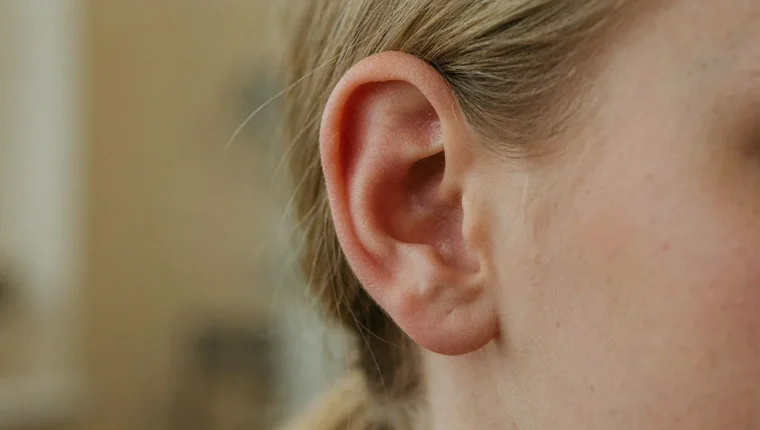
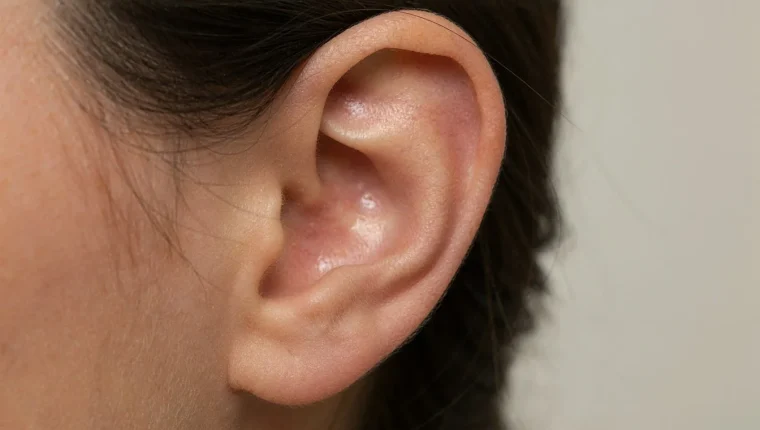
Start by checking whether the photos come from actual otoplasty cases rather than other ear or facial procedures. The images should show consistent angles, lighting, and framing — typically a straight-on view and a side profile taken both before and after. If a gallery only shows flattering angles or heavily styled hair covering the ears, treat that as a warning sign.
Look for cases similar to yours. Ear protrusion, asymmetry, and earlobe concerns each require different surgical approaches, so a surgeon who demonstrates strong results in your specific type of correction is a far better match than one with a general gallery. Ask whether the photos show patients at least six months post-surgery, since ears can look perfect in early healing and change as swelling subsides.
Patient reviews add another layer of evidence. Focus less on star ratings and more on patterns: repeated mentions of clear communication, honest expectations, and how the clinic handled complications or follow-up care. A handful of complaints about long-term support after you’ve flown home is worth taking seriously.
When reviewing an authentic before-and-after portfolio, you’re essentially auditing the surgeon’s real-world skill — something no certificate can fully show. Request photos from cases resembling yours during your consultation, and don’t hesitate to ask how many otoplasties the surgeon performs each year.
Key Questions to Ask During Your Initial Consultation
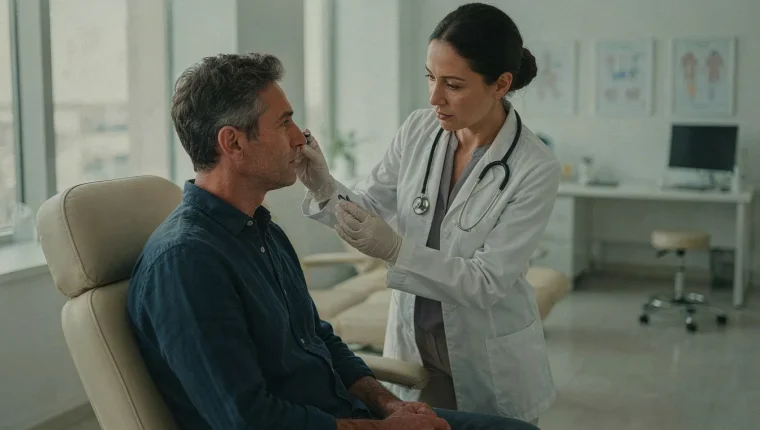
The consultation call is where a promising profile turns into a real working relationship — or reveals itself as a marketing front. By this stage, you’ve already verified board certification and reviewed an authentic portfolio, so treat the conversation as your final filter before committing. A good consultation for otoplasty should feel like a two-way medical interview: the surgeon asks about your anatomy, your goals, and your medical history, while you assess whether their answers are specific, unhurried, and honest.
Come prepared with written questions, and pay as much attention to how you’re answered as to what is said. These are the areas worth covering:
- Surgical technique — Ask which method they plan to use for your ears (for example, cartilage-sparing or cartilage-cutting approaches) and why that choice suits your anatomy. A surgeon who explains technique in plain language demonstrates genuine mastery.
- Revision policy — Ask how often their patients need touch-ups, what a revision costs, and whether they’d handle it themselves. Willingness to discuss revision cases openly is a strong sign of experience and accountability.
- Anesthesia and facility — Confirm who administers anesthesia, their qualifications, and which accredited hospital or clinic the procedure takes place in. Don’t accept vague answers here.
- Recovery timeline — Request specifics: how long the dressing stays on, when you can fly home, and what activities to avoid. Realistic timelines build trust; promises of “no downtime” should raise concern.
- Realistic outcomes — Ask what can and cannot be achieved for your particular ears. A trustworthy surgeon will sometimes talk you out of an unrealistic expectation rather than simply agree.
Language support matters too. Ask whether a dedicated translator will be available during the consultation, on surgery day, and at follow-up visits — not just for the sales conversation. Misunderstandings about your goals are one of the most common causes of dissatisfaction, so clarity in communication is a medical issue, not a courtesy.
Finally, notice what the surgeon asks you. A thorough consultation for otoplasty should include questions about ear infections, keloid history, bleeding tendencies, and your motivations for surgery. If the entire call focuses on pricing and travel dates rather than your health, consider that a clear signal to keep searching.
Understanding Costs and What's Included in Turkey

Cost is one of the main reasons patients look at Turkey in the first place, but the number you see in an advertisement is rarely the number you should plan around. Otoplasty in Turkey typically ranges from roughly $1,500 to $3,500, compared to $4,000–$8,000 in the UK or US — but the real question is what that price actually covers.
Reputable clinics usually work with all-inclusive packages, which bundle the surgeon’s fee, anesthesia, hospital or clinic facility costs, and standard post-operative care into a single quote. However, packages vary widely, and the cheapest offer often omits essentials. Before committing, ask the clinic to itemize exactly what you’re paying for.
A complete package should generally include:
The surgeon’s fee and anesthesia costs Pre-operative tests and consultations Compression garments or headbands Post-operative medications Follow-up appointments during your stay Airport transfers and accommodation (in many clinics)
Just as important is knowing what’s *not* included. Watch for hidden extras such as additional consultations after you return home, treatment of complications, revision surgery fees, and translation services. Some clinics offer revision coverage for a set period — typically one year — while others charge separately, which is why the revision policy you discussed during consultation should be confirmed in writing.
Payment structure matters too. Most Turkish clinics require a deposit to secure your surgery date, with the balance paid on arrival. Ask whether the quoted price is fixed or subject to change after in-person examination, and get the final figure documented before you travel.
Finally, treat an unusually low quote as a warning rather than a bargain. Prices dramatically below market rate often reflect inexperienced surgeons, substandard facilities, or costs that will reappear later as add-ons. A fair, transparent price from a board-certified surgeon with hospital privileges is worth more than the cheapest option on the market — your ears are not the place to economize on safety.
Planning Your Travel and Recovery in Turkey

Once you’ve chosen your surgeon and agreed on a price, the practical side begins: flights, accommodation, and the days surrounding your surgery. Most clinics offering all-inclusive packages will handle much of this for you — airport transfers, hotel bookings, and transportation to appointments — but it’s still worth confirming exactly which logistics are covered before you book anything yourself.
Timing matters more than many patients realize. Plan to arrive at least one or two days before your procedure. This buffer allows for your final in-person consultation, pre-operative tests, and a chance to rest after travel. Flying long-haul and going straight into surgery the next morning is neither comfortable nor ideal for your body.
Otoplasty recovery is relatively gentle compared to other surgeries, but it still shapes your itinerary. You’ll typically need to stay in Turkey for about seven to ten days after the operation. Your surgeon will want to remove the dressing, check the ears, and confirm you’re healing well before clearing you to fly. Pressurized cabins during the first days can cause discomfort and swelling, so don’t book a return flight too early.
A few practical points worth arranging in advance:
Pack loose, button-up shirts — pulling anything over your head will be off-limits while the protective headband and dressings are in place. Bring your prescribed medications in your carry-on, along with your surgeon’s contact details and post-operative instructions in writing. If you’re traveling alone, ask whether the clinic provides a companion or nurse for the first 24 hours, since many require someone to stay with you the first night.
During the first week, sleep with your head elevated, avoid touching the ears, and wear the headband exactly as instructed — usually around the clock at first, then at night for several weeks. Mild swelling and bruising are normal and fade steadily.
Book your follow-up plan before you leave Turkey. Find out how your surgeon handles remote check-ins, when suture removal happens if it hasn’t already, and what photos they’ll want at each milestone. A clear aftercare channel is just as important as the surgery itself — it’s what turns a good result into a lasting one.
FAQs
How do I verify that an otoplasty surgeon in Turkey is board-certified and properly qualified?
Ask the surgeon directly for their diploma, specialty certificate, and registration number with the Turkish Medical Association (Türk Tabipleri Birliği), then verify that registration through the association's official doctor search system at ttb.org.tr. Confirm they hold a recognized specialization in plastic, reconstructive, and aesthetic surgery (Plastik, Rekonstrüktif ve Estetik Cerrahi), which in Turkey requires around nine years of training after medical school. You can also cross-check their membership in the Turkish Society of Aesthetic Plastic Surgery (Estetik Plastik Cerrahi Derneği) and request before-and-after photos of their own otoplasty cases.
What should I look for when reviewing before-and-after photos from Turkish clinics?
When reviewing before-and-after photos from Turkish clinics, look for consistent lighting, angles, and backgrounds across images, as inconsistent conditions can exaggerate results. Check that the photos show the same patient by verifying matching features like hairlines, moles, or body marks, and ask for unedited, full-resolution images. Look for a large volume of cases similar to yours, ideally spanning various ages, hair types, or body characteristics, and request photos taken at least 12 months after the procedure, since results mature over time. Be cautious of stock photos, watermarked images from other clinics, or galleries that only show flattering close-ups.
How much does otoplasty cost in Turkey compared to the UK or the US?
Otoplasty in Turkey typically costs between $1,500 and $3,000, while the same procedure in the UK usually runs £3,000–£6,000 and in the US $3,000–$8,000 or more. This means patients can often save 50–70% by choosing Turkey, even after adding flights and accommodation. The lower price reflects Turkey's lower operating costs and favorable exchange rates rather than reduced quality, as many Turkish clinics are internationally accredited and surgeons perform high volumes of ear surgery.