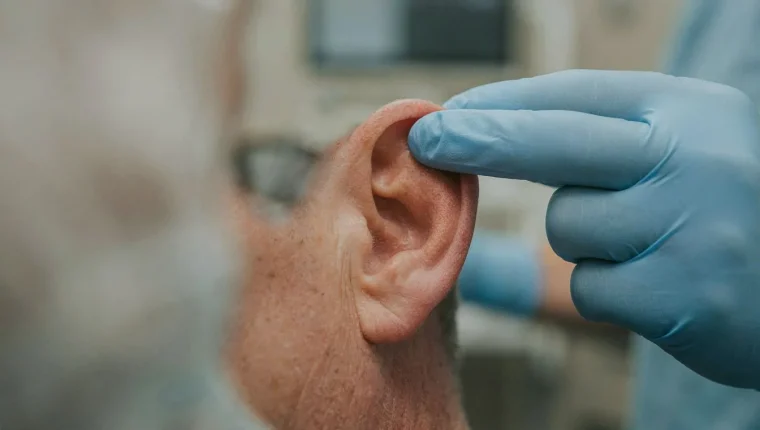
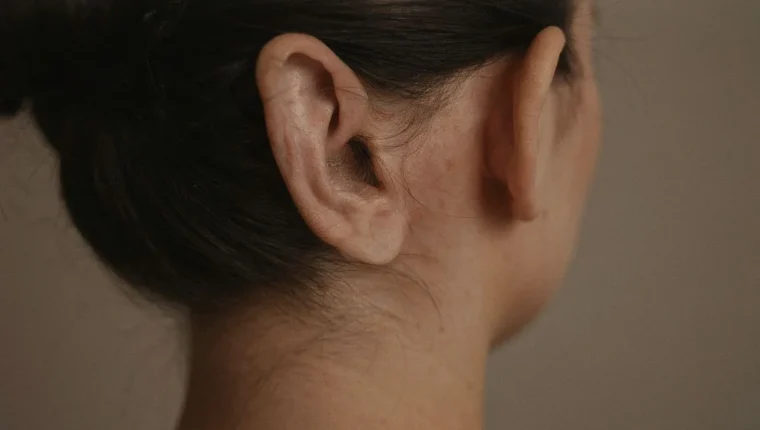
Protruding ears can affect how you feel about photos, haircuts, and everyday conversations. Whether it’s a lifelong concern or something you’ve noticed in your child, the question eventually becomes practical: is ear pinning surgery worth it? That’s not a small decision. Like any operation, otoplasty has benefits and limitations, and the right answer depends on your age, health, and expectations. The reality is more nuanced than flawless before-and-after photos suggest. Weighing the ear pinning surgery pros and cons means understanding what the procedure can realistically change, its risks, who makes a good candidate, and why timing—childhood versus adulthood—matters. It also helps to know what happens during the surgery, step by step, so the process feels less intimidating. Making an informed choice starts with looking at all of it clearly.
What Is Ear Pinning Surgery and Who Performs It?
Ear pinning surgery, medically known as otoplasty, is a procedure that reshapes or repositions the ears so they sit closer to the head. For protruding ears, the surgeon typically adjusts the cartilage — either by folding it back or removing a small amount — to create a more natural angle. The surgery is usually done under local or general anesthesia and takes one to two hours.
Not every doctor who offers cosmetic procedures is qualified to perform it. Otoplasty should be carried out by a board-certified plastic surgeon or, in some cases, a facial plastic or ENT (ear, nose, and throat) surgeon with specific training in ear reconstruction. Certification from a recognized surgical board means the surgeon has completed formal training, passed rigorous examinations, and maintains ongoing education in the field.
Credentials matter because the ear is a delicate structure with thin skin and precise contours. A skilled, qualified surgeon reduces the risk of asymmetry, over-correction, or visible scarring. Before committing, ask about the surgeon’s specific experience with otoplasty, review before-and-after photos of their own patients, and confirm they operate in an accredited facility.
Ear Pinning Surgery Pros and Cons: An Honest Overview
Every cosmetic procedure involves a trade-off, and ear pinning surgery is no exception. On the positive side, otoplasty offers a permanent correction, visible improvement immediately after healing, and results that often carry a meaningful boost in confidence — especially for children and teens who have felt self-conscious about protruding ears for years.
On the other hand, it is still surgery. It involves anesthesia, recovery time, a small but real risk of complications such as infection, asymmetry, or overcorrection, and costs that are usually not covered by insurance when done for cosmetic reasons. There is also the possibility of a less-than-perfect result, which is why choosing an experienced, qualified surgeon matters so much.
The honest answer is that for most healthy candidates with realistic expectations, the benefits outweigh the drawbacks — but that judgment should come after weighing both sides carefully. The next two sections look at each side of the trade-off in depth, so you can form your own picture before deciding.
The Key Benefits of Otoplasty for Protruding Ears
The most immediate benefit patients notice is the change in ear position. Otoplasty reshapes or repositions the cartilage so the ears sit closer to the head, and it can correct asymmetry so that both ears look balanced rather than one drawing attention more than the other. Once the swelling settles, the results are generally considered permanent, since the reshaped cartilage holds its new form as you age.
But the physical change is only part of the story. Many people who have spent years covering their ears with hats, long hair, or careful camera angles describe a genuine sense of relief afterward. Choosing a short haircut or tying your hair back without a second thought may sound like a small thing, yet for someone who has felt self-conscious since childhood, it can feel like reclaiming a piece of everyday freedom.
Confidence gains are real but should be kept in perspective. Otoplasty can improve how you feel about your appearance, but it works best when the goal is correcting a specific feature rather than expecting it to transform your whole self-image. Patients with realistic expectations tend to report the highest satisfaction, which is exactly why the next section looks at the limitations just as honestly.
The Risks and Limitations You Should Weigh Before Surgery

No surgical outcome is ever guaranteed, and ear pinning is no exception. Understanding what can go wrong—and what the procedure simply cannot do—is part of making an honest decision rather than an emotional one.
The most common effects are temporary and expected. You’ll notice swelling, bruising, and soreness around the ears for the first week or two, along with some numbness that gradually returns over several weeks or months. These are normal parts of healing, not signs of a problem.
Serious complications are rare, but they deserve your attention. These include infection, bleeding under the skin, visible or thickened scarring, and in uncommon cases, an allergic reaction to the sutures or anesthesia. Some patients also experience prolonged skin sensitivity or an ear shape that changes slightly over time as cartilage settles.
Then there are the honest limitations. Perfect symmetry is not a realistic promise—ears are naturally uneven, and surgery aims for improvement, not mirror-image matching. Results may also differ from what you imagined, and while dissatisfaction is uncommon, it does happen. In a small percentage of cases, the ear can partially return toward its original position, requiring a revision procedure.
The encouraging news is that most of these risks shrink dramatically when you choose a board-certified, experienced surgeon and follow your aftercare instructions closely—keeping dressings intact, avoiding pressure on the ears, and attending every follow-up. Careful preparation and patient recovery protect both your results and your peace of mind.
Who Makes a Good Candidate for Ear Pinning Surgery?

Candidacy for ear pinning comes down to three things: the shape of your ears, your overall health, and the realism of your expectations. The procedure responds best to ears that protrude due to an underdeveloped or missing antihelical fold, an overly deep conchal bowl, or a combination of both. If your concern is primarily the angle at which your ears stick out rather than their size, otoplasty tends to deliver satisfying, natural-looking results.
Surgeons also look for candidates in good general health, free of conditions that impair healing such as uncontrolled diabetes or active infections in the ear area. Non-smokers or those willing to stop smoking during recovery heal more predictably. Children are often excellent candidates, particularly once their ears have fully developed around age five or six — a topic we will explore in more depth shortly.
Equally important is mindset. A strong candidate profile includes realistic expectations: otoplasty repositions and reshapes the ears, but it cannot make them perfectly symmetrical, and no two ears ever look identical. On the other hand, surgery may not be advisable if your protruding ears stem from a hearing-related condition that needs separate evaluation, or if you’re seeking the procedure to satisfy someone else rather than yourself. A thorough consultation with a qualified surgeon is the most reliable way to confirm whether your situation fits the profile.
When Is the Right Age to Consider Ear Pinning?
Timing matters with otoplasty, and the reason comes down to anatomy. By around age five or six, a child’s ears have reached most of their adult size and the cartilage is stable enough to reshape safely. That’s why many surgeons consider the early school years an ideal window: the correction is durable, and it happens before teasing or self-consciousness can take a toll on a child’s confidence.
Operating early isn’t the only sensible path. Some families prefer to let the child take part in the decision, which often means waiting until the teenage years or later. Surgery performed on a willing, motivated patient tends to come with an easier recovery and a stronger sense of ownership over the result.
Adults, meanwhile, should not assume they’ve missed the boat. Cartilage remains workable throughout life, and adults frequently achieve excellent, lasting outcomes—though healing can be slightly slower than in children, and the ear’s firmness may mean the surgeon works a little differently.
The practical answer: once the ear is fully developed, age itself rarely disqualifies anyone.
How the Ear Pinning Procedure Works Step by Step
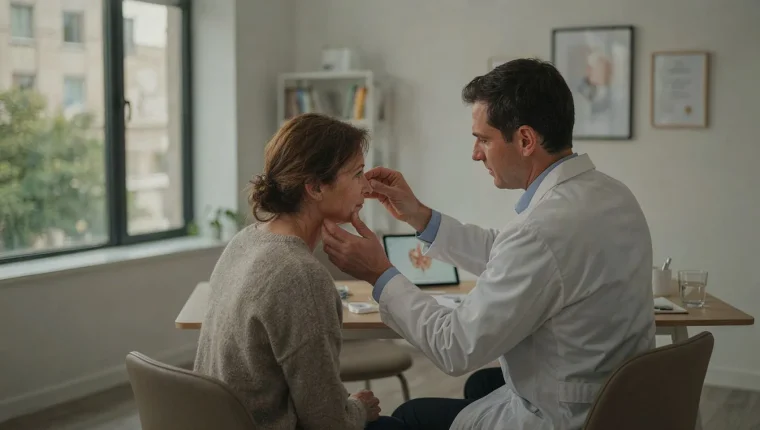
Much of the anxiety around ear surgery comes from not knowing what actually happens, so here’s the journey from start to finish. It begins with a surgical consultation, where your surgeon examines your ear cartilage, photographs the area, and discusses the position and shape you’d like to achieve. This is also when you’ll receive personalized instructions about medications, smoking, and what to arrange for your recovery at home.
On the day of the procedure, anesthesia is tailored to the patient: children typically receive general anesthesia, while adults often need only local anesthesia with sedation, meaning you stay comfortable but awake. The surgeon then makes a small incision, usually hidden in the crease behind the ear, and reshapes or removes cartilage before securing the ear in its new position with internal stitches. The incision is closed, and the entire process generally takes one to two hours.
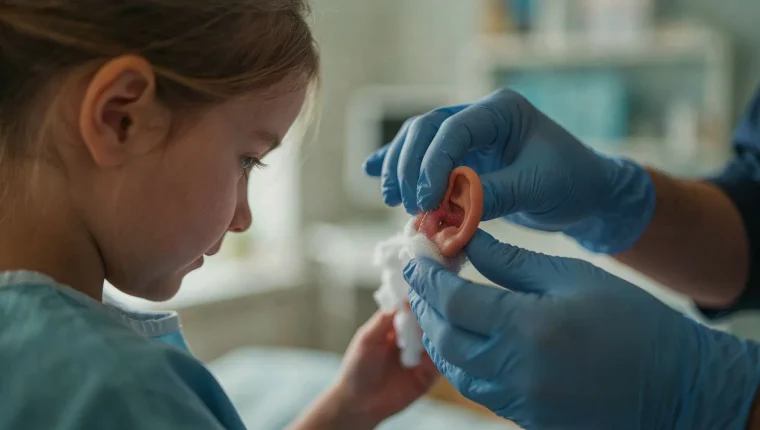
Afterwards, a protective dressing is placed around your head to support healing, and you’ll go home the same day in most cases. Expect some tenderness and pressure in the first days, sleeping with your head elevated, and keeping the dressing dry until your follow-up appointment reveals the results taking shape.
FAQs
How long does recovery take after ear pinning surgery?
Most people return to work or school within about a week after ear pinning surgery, though a protective headband is typically worn for several weeks, especially at night, to protect the ears while they heal. Full recovery, including the resolution of swelling and tenderness, usually takes around 4 to 6 weeks. Strenuous activities and contact sports should generally be avoided for at least a month to protect the results. Following your surgeon's aftercare instructions closely can help ensure a smooth and speedy recovery.
Is ear pinning surgery permanent, or can ears revert to their original position?
Ear pinning surgery (otoplasty) is generally considered permanent, as the cartilage reshaping and repositioning made during the procedure are designed to hold for a lifetime. The results do not revert on their own, and most patients enjoy a lasting improvement in ear projection. Significant trauma to the ears after surgery or, rarely, incomplete healing can affect the outcome, so following your surgeon's aftercare instructions is important. For the vast majority of patients, however, the correction stands the test of time.
What are the main risks and complications associated with the procedure?
The main risks of ear pinning surgery include infection, bleeding, asymmetry between the ears, overcorrection, and possible recurrence if the ear returns toward its original position. Less common complications involve numbness, skin necrosis behind the ear, or a reaction to the sutures, and in rare cases a follow-up procedure may be needed to refine the result. Choosing an experienced, board-certified surgeon and following aftercare instructions closely significantly lowers these risks. Most side effects, such as swelling, bruising, and temporary soreness, are mild and resolve within a few weeks.