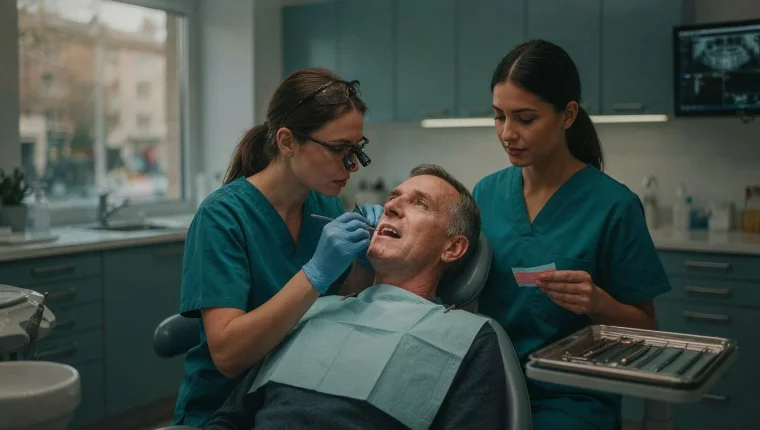
Most people who put off a dental crown aren’t worried about the cost or the chair time. They’re worried about pain. That concern is understandable, but it’s also the main reason patients delay a procedure that usually protects a badly damaged tooth from far worse problems down the road. For most patients, dental crowns pain is mild, brief, and predictable. The tooth is numbed before any shaping begins, so the appointment itself is typically no more uncomfortable than a standard filling. Afterward, you may feel tenderness around the gum line, some sensitivity to cold, and a dull ache that fades within days, not weeks.
“usually mild” isn’t the same as “never uncomfortable.” The experience shifts depending on the stage you’re in, how your nerves respond, and how well your bite is adjusted. Knowing what belongs to normal healing and what signals a real problem is what separates an anxious week from a calm one.
How Much Pain Should You Expect During a Dental Crown Procedure?
Here is the honest answer most patients want before they sit in the chair: with modern local anesthesia, a dental crown procedure should not involve sharp, sudden pain. What you will feel is a series of distinct sensations, and knowing them in advance takes most of the fear out of the appointment.
The visit usually unfolds in a predictable rhythm. The injection itself is the moment people brace for, but it lasts only seconds and feels more like a brief pinch or sting than true pain. After that, the numbing takes hold and the preparation begins. As the dentist reshapes the tooth, you will notice pressure, vibration, and the cool spray of water — all normal, all expected. None of it should register as pain. The less comfortable stretches tend to cluster around gum retraction, when the tissue is gently pushed away from the tooth, and toward the end, when holding your jaw open for a long stretch leaves the muscles tired and achy.
Your own sensitivity matters too. A tooth that is already inflamed, a history of dental anxiety, or simply a lower pain threshold can make the same procedure feel different from one person to the next. If something does break through, raise your hand — your dentist can pause and top up the anesthesia before continuing.
What Happens to Nerves and Tissue When a Tooth Is Prepared for a Crown

When a dentist prepares a tooth for a crown, the outer layer of enamel is reduced to make room for the restoration. Enamel itself has no nerve supply, so trimming it does not hurt. The sensitivity comes from what lies beneath: dentin, a porous layer packed with microscopic tubules that connect to the tooth’s inner nerve chamber. Once dentin is exposed, temperature changes can travel through those tubules and trigger a brief, sharp sensation. This is why a freshly prepared tooth may feel tender or reactive before the permanent crown is cemented.
The gums can also react. To shape the tooth near the gumline, the dentist often retracts or gently moves the soft tissue aside. That manipulation can leave the gums feeling sore, puffy, or slightly tender for a few days, much like after a deep cleaning. It is a mechanical irritation rather than damage, and it typically settles on its own.
Deeper within the tooth, the pulp — the tissue containing nerves and blood vessels — may become mildly inflamed. This response depends largely on how much tooth structure was removed and how close the preparation came to the pulp. Minor inflammation usually calms down once the tooth is protected by a well-sealed crown. When irritation is more pronounced, it can linger or intensify, which is a different situation worth watching for.
Pain Levels From Temporary Crowns Versus Permanent Crowns
Temporary and permanent crowns rarely produce the same sensation, and most patients notice the difference within the first few days. A temporary crown is usually made of acrylic or resin, materials that are thinner and less precisely shaped than the final restoration. Because of this, it can feel bulky in your mouth, and its edges may sit slightly above or below the gumline. Those margins are a common source of mild twinges, especially when you bite down or brush near the gum. Cold sensitivity is also more noticeable at this stage, since the prepared tooth underneath is still adjusting.
The permanent crown often brings a different pattern. When your dentist cements it, you may feel a brief wave of pressure as the crown seats fully over the tooth. Some people describe a dull ache that fades within minutes, while others feel nothing at all. The more telling moment comes afterward, when you test your bite. If the crown sits too high, every chew concentrates force on that single tooth, producing soreness that can mimic a throbbing toothache. A quick adjustment usually resolves it.
Fit and bite are the two factors that most often explain why one stage hurts more than the other. A loose temporary or a high permanent crown will both cause discomfort, but for different reasons and in different spots. If soreness after the permanent crown is placed lingers beyond a few days, that timing and pattern are worth tracking, and the next section covers what a normal recovery window actually looks like.
Managing Discomfort During the Appointment: Anesthesia and Sedation Options
The most direct way to control discomfort during a crown appointment is local anesthesia, and it works well for the vast majority of patients. Your dentist numbs the tooth and the surrounding gum with an injection, waits for the tissue to go fully numb, and then begins preparation. If you feel sharp sensation at any point, say so immediately — a top-up is quick, routine, and nothing to feel awkward about. Numbness can fade faster in inflamed tissue or for patients who metabolize anesthetic quickly, so early feedback keeps the appointment comfortable from start to finish.
For anxiety rather than pain, sedation options give you a sliding scale of calm. Nitrous oxide, often called laughing gas, takes effect within minutes and wears off just as fast, so you can drive yourself home. Oral sedation uses a pill taken before the visit and leaves you drowsy but responsive. IV sedation is the deepest option and is usually reserved for longer procedures, strong gag reflexes, or significant dental fear; it requires an escort and a ride home.
Whatever your preference, the conversation matters as much as the drug. Tell your dentist about past numbing problems, current medications, and any anxiety you feel — even if it seems minor. That information shapes the plan, and you stay in control of what happens next.
What Normal Soreness After Crown Placement Feels Like and How Long It Lasts

Once the anesthesia wears off, most people describe the first day or two as a mild, dull ache rather than sharp pain. The gum tissue around the crown often feels tender and slightly swollen, especially right at the margin where the crown meets the gum line. Your tooth may also feel “aware” of itself—a subtle bruised sensation when you bite down or tap the area. This is normal healing, not a sign that something went wrong.
Bite sensitivity is another common early complaint. Because your bite is adjusting to the new crown, you might notice that the tooth feels slightly high or that pressure lands unevenly when you chew. That sensation usually settles as your jaw adapts and the crown seats more comfortably into your natural bite pattern.
As for how long this lasts, the timeline is fairly predictable for most patients:
- Days 1–3: Peak soreness, gum tenderness, and bite awareness.
- Days 4–7: Most discomfort fades as tissue settles and your bite adapts.
- Weeks 2–4: Cold sensitivity may linger longer, often improving gradually.
Cold sensitivity deserves its own mention because it tends to outlast the other symptoms. You might wince at ice water or a cold breeze for a few weeks after placement. This happens because the nerve inside the tooth is still calming down from the preparation process. In most cases, it eases on its own without any intervention.
What separates normal soreness from something worth a phone call is the direction of change. Routine discomfort should steadily improve day by day. If the ache is intensifying instead of fading, or if you notice throbbing, swelling, or pain when you’re not even chewing, that pattern doesn’t fit the normal healing timeline and deserves a closer look from your dentist.
Warning Signs That Dental Crown Pain Is Not Routine
Most post-crown soreness stays mild and fades on schedule, but a handful of symptoms sit outside that pattern and deserve a closer look. A throbbing pain that pulses with your heartbeat, swelling in the gum or jaw, fever, or a persistent bad taste in your mouth can point to an infection developing under or around the crown. These signs rarely improve on their own and usually need professional treatment.
Sharp pain when you bite down or chew is another distinct signal. It often means the crown sits slightly too high, so your bite lands unevenly and concentrates force on that tooth. A high bite can irritate the ligament that cushions the tooth and, if left uncorrected, may make the whole area feel tender for weeks. A simple adjustment at the dental office typically resolves it.
Severe pain that never eases, or numbness that lingers well beyond the expected recovery window, is more concerning. Persistent numbness may suggest nerve involvement rather than ordinary tissue irritation. If pain escalates instead of fading, or if it wakes you at night, that pattern does not match routine healing and warrants prompt review. Trust your instincts: when something feels clearly wrong, it is worth a call. The next section covers exactly what to do and who to contact when these warning signs appear.
Relief Strategies and When to Call Your Dentist About Persistent Discomfort
Once the crown is seated, the most useful thing you can do is give the tooth a calm, predictable environment for the next week or two. For everyday soreness, an over-the-counter pain reliever such as ibuprofen or acetaminophen is usually enough, taken exactly as directed on the label. If you have stomach, kidney, or heart conditions, or you take blood thinners, check with your dentist or pharmacist before reaching for ibuprofen. A saltwater rinse — roughly half a teaspoon of salt in a cup of warm water — can soothe tender gum tissue around the crown margin, especially if the area was irritated during preparation. Swish gently for about thirty seconds, then spit; there is no need to rinse with plain water afterward.
Food choices matter more than most patients expect. Stick to soft, room-temperature foods for the first few days: yogurt, scrambled eggs, mashed potatoes, soup that has cooled, and soft pasta. Skip anything very hot, very cold, or hard, because a freshly prepared tooth often reacts sharply to temperature and biting force. Chewing on the opposite side gives the crown and the tissue beneath it time to settle. If a temporary crown is in place, avoid sticky foods like caramel or chewing gum, which can pull it loose.
Contact the dental office if the discomfort is getting worse instead of better, if it lasts beyond about two weeks, if it wakes you at night, or if you notice swelling, a bad taste, or a crown that feels loose or high when you bite. Those patterns point to something that needs a professional look rather than more patience at home.
FAQs
How much dental crowns pain should I expect during the procedure itself?
You should feel little to no pain during the procedure itself, because the dentist numbs the area with local anesthesia before preparing the tooth. Most people report only pressure, vibration, or mild sensitivity rather than actual pain. If you do feel discomfort, tell your dentist right away so they can add more anesthetic.
Does getting a temporary crown hurt more than the permanent one?
Getting a temporary crown usually does not hurt more than the permanent one, because the tooth is already numbed during the same appointment when it is shaped and fitted. Any soreness afterward typically comes from the gum tissue and prepared tooth rather than the crown itself, and it tends to ease within a few days. The permanent crown is placed later, when the area has largely healed, so it often feels more comfortable.
What can I do at home if dental crowns pain lasts longer than a few days?
If pain from a dental crown persists beyond a few days, contact your dentist promptly, because lingering discomfort often signals an underlying issue such as a poorly fitting crown, a cracked tooth, or nerve irritation that home care cannot resolve. In the meantime, you can manage symptoms with over-the-counter pain relievers like ibuprofen, rinse with warm salt water, and avoid chewing on that side or eating very hot, cold, or hard foods. Do not attempt to adjust or remove the crown yourself, and seek urgent care if you develop swelling, fever, a bad taste, or severe throbbing pain.