You just paid to have a tooth restored, but it still hurts when you drink cold water. That reaction is more common than most people expect. A crowned tooth is not dead; it sits in living bone, connects to a living nerve, and has just undergone drilling, impression-taking, and cementing. Tooth sensitivity after dental crowns usually lasts for a predictable period, and the sensations tend to fade as the pulp settles and the bite adapts. But “usually” is not “always.” Some sensitivity points to a high spot on the crown, a margin that is not sealing, or a nerve that was already inflamed before the crown went on. Knowing which cause you are dealing with changes what you do next.
Why Crowns Can Trigger Short-Term Sensitivity
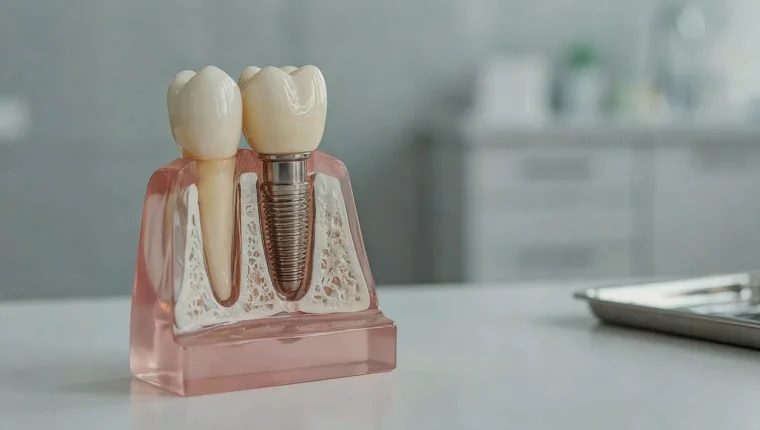
A crown doesn’t sit on a raw, exposed tooth. It covers the visible portion, restoring the shape and surface the tooth lost. But beneath that shell, the tooth’s living structure—dentin and the pulp chamber with its nerve—remains exactly where it was. That inner tissue is what reports sensation, and the crown itself doesn’t numb it.
So why does a freshly crowned tooth feel different? Two reasons dominate. First, preparing a tooth for a crown means removing some outer enamel or existing structure. That reduction can leave dentin closer to the surface, and dentin contains microscopic tubules that connect to the nerve. When those tubules are disturbed or temporarily exposed, temperature and pressure travel inward more readily than they did before.
Second, the nerve and surrounding tissue are responding to the procedure itself. The physical work of shaping the tooth, the impression process, and the placement of a temporary or permanent crown all create mild inflammation. An inflamed nerve is simply more reactive. It fires more easily in response to a cold drink or a firm bite.
This is why the first days and weeks after crown placement often feel different from before. The tooth isn’t damaged by design; it’s reacting to change. That short-term reactivity is typically part of the healing process, not a sign that something went wrong.
Common Triggers: Hot, Cold, and Biting Pressure
A newly crowned tooth rarely reacts to everything at once. Most people notice that one specific stimulus sets it off — a sip of coffee, a bite of ice cream, or the simple act of chewing — while other sensations feel completely normal. That pattern is not random. The type of trigger, how long the sensation lasts, and whether it lingers after the stimulus is gone all point toward what is actually happening inside the tooth.
Mapping your own sensitivity to its trigger is the first useful step, because stimulus-specific sensitivity behaves differently depending on which nerve fibers are responding.
- Cold: A quick, sharp flash from cold drinks or air is the most commonly reported trigger. It usually fades within seconds and tends to improve as the pulp settles.
- Heat: Warmth that produces a dull ache or a throb that outlasts the sip is less typical of simple healing and deserves closer attention.
- Biting pressure: A sharp jolt when you chew usually signals a bite that sits too high or a crown that is not fully seated, rather than nerve irritation.
- Sweet or acidic foods: A brief twinge from sugar or citrus often reflects exposed dentin near the crown margin.
- Spontaneous pain: Discomfort with no trigger at all does not fit the healing pattern and is a different conversation entirely.
Duration matters as much as the trigger itself. A sensation that appears and disappears with the stimulus suggests a tooth that is still adapting. One that builds, lingers, or wakes you at night tells a different story — and that distinction is worth tracking before your next appointment.
Normal Healing Timeline Versus Warning Signs
Sensitivity that follows a predictable downward curve is the reassuring kind. In the first days after cementation, a crowned tooth often reacts to cold or pressure because the pulp and surrounding ligament are still settling. Over the following one to two weeks, most people notice that each stimulus produces a weaker and shorter twinge, and that comfortable gaps between reactions grow longer. By roughly two to four weeks, cold sensitivity typically fades, while tenderness on biting resolves as the ligament adapts to the new crown contours. The key word here is direction: what matters is not whether you feel something today, but whether that something is getting smaller over time.
Sensitivity that holds steady, intensifies, or appears after a quiet period moves in the opposite direction and deserves closer attention. The table below contrasts the two courses.
| Normal healing timeline | Warning signs |
|---|---|
| Mild cold or pressure sensitivity in the first days | Pain that is severe from the start |
| Reactions grow weaker week by week | Reactions stay the same or worsen |
| Discomfort fades within two to four weeks | Discomfort persists beyond a month |
| Triggered only by specific stimuli | Spontaneous or throbbing pain |
| No swelling, no bad taste | Swelling, gum tenderness, or a foul taste |
| Biting feels gradually more even | The crown feels high or the bite shifts |
A tooth that hurts less each week is healing on schedule. A tooth whose discomfort plateaus, spikes, or wakes you at night is not following that curve, and that pattern is what separates ordinary recovery from a problem worth investigating.
How Bite Misalignment and Cement Issues Contribute
A crown that sits too high or makes contact unevenly changes the way force travels through the tooth. Every time you bite, the crowned tooth takes more load than its neighbors, and that repeated pressure is transmitted straight to the periodontal ligament — the cushion of tissue anchoring the root. A ligament that is being hammered with each chew becomes inflamed, and inflammation there reads as a dull ache or a sharp twinge on biting. This is why sensitivity from a high bite tends to show up during function rather than at rest, and why it often appears or intensifies days after the appointment instead of settling down.
Cement and marginal fit create a second, separate pathway. The cement layer bonds the crown to the prepared tooth and seals the gap at the margin, where crown meets natural tooth. If that seal is incomplete, or if excess cement is left behind near the gum, the underlying dentin can be exposed to temperature changes, saliva, and bacteria it was never meant to meet. Exposed dentin conducts sensation directly, so a marginal leak produces the kind of sensitivity that lingers, shifts location, or worsens over weeks.
Both problems share a signature: the discomfort does not follow the fading pattern of ordinary healing. It persists, returns, or arrives late. That is your cue that the crown itself, not the tooth’s recovery, is driving the sensation.
Underlying Tooth Problems That Crowns Can Expose

A crown does not create a cavity, an inflamed nerve, or a cracked root — but it can hide one. When a tooth is prepared for a crown, the outer layer is reduced and the remaining structure is sealed under a rigid shell. If decay was already present, if a fracture extended below the gum line, or if the pulp was already stressed, that problem does not disappear when the crown is cemented. It simply becomes masked.
This is why sensitivity that persists past the expected healing window can feel confusing. The crown looks intact, the margins seem clean, and nothing obviously changed. Yet the tooth underneath may be responding to residual decay, a hairline crack that opens under biting force, or pulpitis that was already developing before the crown was placed. A crown can also unmask a problem by changing how force travels through the tooth, concentrating pressure on a weakened area that previously tolerated normal loading.
These conditions share one trait: they do not resolve with time alone. Healing sensitivity fades as the pulp calms and the ligament adapts. Sensitivity from an underlying problem tends to stay steady, return after temporary improvement, or worsen with specific triggers. That pattern is the signal to look beneath the crown rather than at it.
When Tooth Sensitivity After Dental Crowns Needs Professional Attention
Waiting is only reasonable while the pattern still looks like healing. Once the signals shift, the decision stops being about patience and becomes about timing — and a few specific developments are enough to justify a call rather than another week of watching.
Book an appointment if you notice any of the following:
- Pain that is getting worse instead of fading. Sensitivity that deepens after the first week, rather than easing, points to an active problem rather than normal recovery.
- Spontaneous or throbbing pain. Discomfort that arrives without any hot, cold, or biting trigger suggests the pulp is involved, not just the surface.
- A crown that feels high or shifts your bite. A tooth that meets its neighbor too soon, or a crown that rocks or moves, needs adjustment before it damages the tooth or the opposing one.
- Visible damage or a loose fit. A chipped margin, a gap you can catch with floss, or a crown that feels detached means the seal protecting the tooth has failed.
- Swelling, a bad taste, or gum changes. These suggest infection or inflammation that will not resolve on its own.
What you cannot determine at home is the cause behind the symptom. A dentist can test the pulp’s response, check the crown’s marginal fit, and image the tooth to see whether the issue sits in the crown, the cement layer, or the tooth itself. That distinction decides whether the fix is a simple bite adjustment or something deeper — a question worth answering early rather than late.
Home Care and Professional Treatment Options for Lasting Relief

Relief usually comes from two directions at once: what you do at home to calm the nerve, and what a dentist does to fix the cause. On your own, start by removing the triggers you already mapped — ice water, very hot drinks, and hard biting on that side. Switch to a soft-bristled brush and a desensitizing toothpaste, which blocks fluid movement inside the exposed dentin tubules that carry sensation. Give it a few weeks of consistent use; this is supportive care, not a cure for a mechanical problem.
If sensitivity lingers or worsens, the professional path depends on what the exam finds. A bite adjustment is the most common fix: the dentist lightly reshapes the high spot so the crown meets the opposite tooth evenly, and pressure sensitivity often fades within days. When the margin is the culprit, the crown may need reseating or replacement with fresh cement and a tighter seal. For exposed dentin at the gumline, a bonding agent or fluoride varnish can shield the surface. If the pulp itself is inflamed, a root canal removes the source rather than masking it.
Notice which option fits your pattern. Sensitivity that tracks a high bite or a poor seal responds to mechanical correction, while pain from the nerve responds to treatment of the tooth itself. Matching the fix to the cause is what turns temporary relief into a lasting one.
FAQs
How long does tooth sensitivity after dental crowns usually last?
Most people notice crown-related sensitivity fading within a few days to a couple of weeks as the tooth and surrounding gum settle. If the nerve was irritated during preparation, mild twinges when biting or drinking something cold can linger for several weeks, and that is still considered normal. Sensitivity that persists beyond about a month, keeps worsening, or comes with sharp pain usually points to a bite that needs adjusting or an underlying nerve issue, so it is worth having your dentist take a look.
Why does my crowned tooth still feel sensitive when I bite down?
A crowned tooth can still feel sensitive when you bite down if the underlying dentin or pulp is irritated, since the crown only covers the outside of the tooth and doesn't shield the nerve inside. This often happens when the bite is slightly too high, concentrating force on one spot, or when the tooth is still adjusting in the days and weeks after cementation. If the sensitivity lingers beyond a few weeks or comes with sharp pain, your dentist should check the bite and the crown's fit.
Which signs suggest that tooth sensitivity after dental crowns needs professional attention?
Seek professional attention if sensitivity lasts longer than a few weeks, worsens over time, or comes with pain when biting down, a loose or shifting crown, or visible swelling and gum tenderness. Sharp pain that lingers after hot or cold drinks, or sensitivity that suddenly appears months after the crown was placed, can point to decay, a failing margin, or nerve involvement rather than normal healing. Any of these signs warrants a dental visit so the crown, bite, and underlying tooth can be checked before the problem progresses.