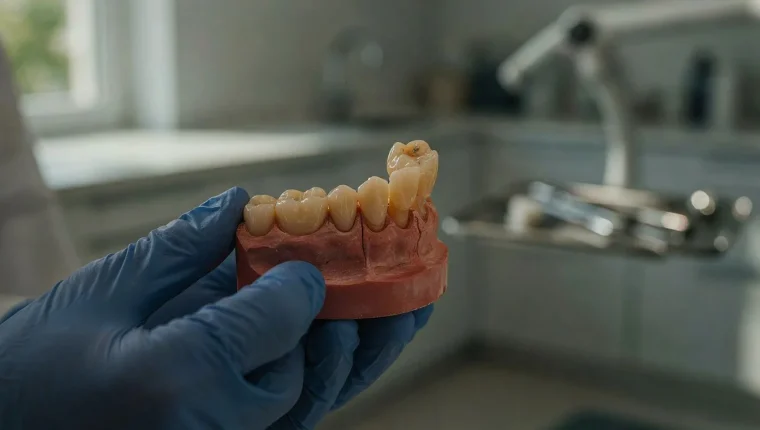
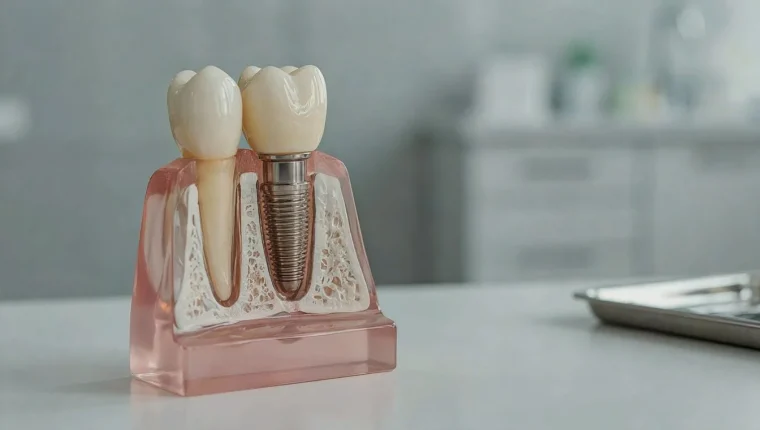
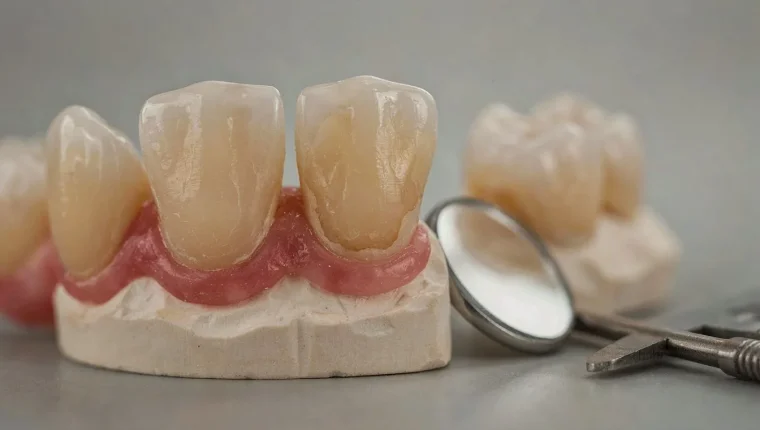
If you live in the United States and need multiple crowns, the price difference between a local dentist and a clinic abroad can be hard to ignore. A single crown at home often runs over $1,000, and that figure climbs fast when several teeth are involved. Patients search for dental crowns Turkey packages for Americans because they want fixed prices, short treatment times, and a reason to trust the work.
But a package is only as good as what it includes. Some quotes cover the crown, the lab, and the hotel. Others quietly leave out x-rays, temporary crowns, or the second visit many patients need. Knowing what separates a real deal from a thin one saves you money and stress.
Below, we break down how these packages work, what a fair price looks like, and the questions to ask before you book a flight.
Why Dental Crowns in Turkey Appeal to American Patients
Americans start looking at overseas dental care for a fairly practical reason: the price gap is hard to ignore. A single crown in the United States can run from roughly $1,000 to $2,500 or more once you factor in the dentist’s fee, the lab work, and any build-up or root canal treatment underneath it. In Turkey, the same procedure is frequently quoted at a fraction of that figure, and the quote usually bundles the crown, the appointment, and often the transfer and hotel stay into one number. For patients who need several crowns rather than one, that difference stops being a curiosity and starts being the deciding factor.
Cost alone would not persuade most people to get on a plane. What makes Turkey credible is that it is not a fringe destination — it has a dense, well-established private dental sector, particularly in Istanbul, Antalya, and Izmir, with clinics that treat international patients as a core part of their business rather than an occasional exception.
Several factors reinforce that appeal:
- Volume and specialization. Clinics that place crowns daily develop efficient workflows, on-site or closely partnered labs, and faster turnaround than a small U.S. practice sending cases out.
- Speed. Many crowns, including zirconia and E-max, can be designed, milled, and fitted within a single trip of five to seven days.
- Materials access. Turkish labs work routinely with modern ceramics and CAD/CAM technology, so patients are not limited to older metal-based options.
- Coordinated logistics. Airport pickups, translators, and hotel arrangements are standard parts of the treatment experience, which removes much of the friction of traveling abroad for care.
The honest counterweight is that quality varies. Turkey has excellent clinics and mediocre ones, and the marketing does not always distinguish between them. The appeal is real, but it rewards patients who verify credentials, ask about lab partners, and request documented before-and-after cases rather than choosing purely on the lowest advertised price.
How All-Inclusive Dental Crown Turkey Packages for Americans Are Structured
When a clinic in Turkey advertises an all-inclusive crown package, the word “inclusive” is doing real work. It signals that the price quoted up front is meant to cover the clinical and logistical pieces a patient would otherwise assemble separately — and for Americans flying in for treatment, that bundling is what makes the trip predictable. The structure of these packages follows a fairly consistent logic across established clinics, even when the final numbers differ.
Most packages are built around a core of clinical services, then layered with travel-related support. What varies is how much of the second layer is genuinely included versus offered as an optional add-on.
- Diagnosis and treatment planning: Panoramic X-rays, sometimes a CBCT scan, an oral examination, and a written plan that specifies which teeth need crowns and what material is recommended.
- The crown work itself: Tooth preparation, impressions or digital scans, temporary crowns where needed, and the final cemented or bonded restorations.
- Laboratory fees: Zirconia, e.max, and metal-ceramic crowns are fabricated by dental labs, and reputable packages state whether lab costs sit inside the quoted price or are billed separately.
- Airport transfers and accommodation: Many clinics include pickup from the airport and a set number of hotel nights, often near the clinic, so appointments are not disrupted by long commutes.
- Interpretation and coordination: A English-speaking coordinator or translator who manages scheduling, answers questions between visits, and accompanies the patient during key appointments.
- Follow-up and warranty terms: A defined warranty period on the crowns, plus a contact channel for problems that arise after the patient returns home.
The treatment timeline is the element that shapes everything else in the package. Because most crowns require at least two visits — preparation and fitting — the number of days a package covers is usually calculated around that gap, which is why hotel nights and transfer counts are tied to the clinical schedule rather than offered as a flat travel allowance. A package that includes five nights of accommodation is implicitly telling you how long the clinic expects the work to take.
It is worth reading the exclusions as carefully as the inclusions. Flights, meals, travel insurance, and treatment for complications unrelated to the crowned teeth are commonly left out, and some packages exclude root canal therapy or extractions that may become necessary once the dentist examines the tooth in person. Knowing which items sit outside the bundle prevents the kind of surprise that turns a fixed price into a moving one.
Typical Savings Compared to U.S. Dental Crown Prices
Price is where the comparison gets concrete. A single crown in the United States commonly runs somewhere between $1,000 and $2,500 per tooth, and that range climbs fast once you factor in buildup material, a root canal, or a specialist instead of a general dentist. In higher-cost metros, a full-ceramic crown from a private practice can easily land at the top of that band before insurance contributes anything.
Turkish clinics quote for the same category of restoration at a fraction of that figure, and the gap holds even after you add flights. A typical all-inclusive arrangement covering the crown, laboratory work, transfers, and several nights of accommodation often prices out below what a single U.S. crown costs on its own. Where a patient needs multiple crowns, the difference compounds rather than stays flat, because the per-unit price abroad is lower and the travel cost is paid once.
Several forces explain the spread. Laboratory overhead in Turkey is substantially lower, and clinics that produce high volumes negotiate material costs down further. Currency exchange rates also work in the American patient’s favor at the point of payment. What does not change is the material itself: zirconia, e.max, and porcelain-fused-to-metal are the same internationally sourced products you would receive at home.
Insurance is the wildcard. Most U.S. dental plans will not reimburse treatment performed overseas, so the honest comparison is out-of-pocket against out-of-pocket. For patients without coverage, or those who have already exhausted an annual maximum, that comparison usually favors traveling. For patients with generous coverage and a single crown, the savings can narrow to the point where staying local makes more sense. Running your own numbers, including airfare and time away from work, is the only way to know which side of that line you fall on.
Choosing a Qualified Clinic and Dentist for Your Crown Work
Volume alone tells you nothing about who will actually prepare your teeth. Turkey has thousands of dental practices, and the gap between an excellent crown provider and a mediocre one rarely shows up in advertising. What separates them is verifiable clinical structure: a licensed dentist with prosthodontic training or documented crown experience, an in-house or partner laboratory with consistent quality control, and a written treatment plan that specifies materials, margins, and expected longevity before you commit.
Start with registration and credentials. Turkish dentists must be registered with the Ministry of Health, and clinics treating international patients typically hold health tourism authorization. Ask for the dentist’s diploma, specialty certification, and professional association membership. A provider who hesitates to share these documents is a warning sign, not a privacy concern.
Then examine the clinical workflow. The strongest clinics use digital impression scanning rather than messy traditional molds, which improves crown fit and reduces the need for remakes. Ask whether the laboratory is on-site or outsourced, who handles shade matching, and how many revision appointments are included if the crown does not seat properly.
Finally, treat communication and warranty as clinical criteria, not extras. Request before-and-after cases of similar restorations, confirm who answers your questions after you fly home, and read the warranty terms carefully. A clear, written warranty covering the crown and the underlying work signals a clinic confident in its own standards. If any of these answers feel vague, keep looking — the right provider will welcome the scrutiny.
The Dental Crown Procedure During a Short Stay Abroad
Most crown work is spread across two or three appointments, and fitting those into a trip that lasts a week or less requires the clinic to compress the schedule without skipping steps. The first visit usually combines consultation, imaging, and tooth preparation, while the final visit handles the fitting and bonding of the finished crown.
Understanding the appointment sequence helps you judge whether a proposed itinerary is realistic or rushed.
- Consultation and imaging: The dentist examines the tooth, takes X-rays if needed, and confirms whether a crown is the right solution or whether a root canal must come first.
- Tooth preparation and impressions: The tooth is reshaped under local anaesthetic, and digital impression scanning captures the prepared surface for the laboratory.
- Temporary crown placement: A provisional crown protects the prepared tooth between visits, so you are not left with an exposed surface during your stay.
- Fitting and cementing: The finished crown is checked for fit, bite, and shade, then bonded permanently once you and the dentist are satisfied.
- Same-day or accelerated options: Some clinics use chairside milling to design, produce, and place a crown within a single long appointment.
Local anaesthetic means the preparation and fitting appointments are typically comfortable, though mild sensitivity around the gum line for a few days afterward is normal. If the crown sits on a tooth that needs endodontic treatment, that step adds time and may extend your stay or require a staged plan across two trips.
Before you fly home, ask for written aftercare instructions and confirm how the clinic handles a crown that feels high or loose once you are back in the United States. A reputable provider will document the shade, material, and cement used, which helps any dentist near you adjust or repair the crown later without starting over.
Materials and Techniques Used in Turkish Crown Treatments
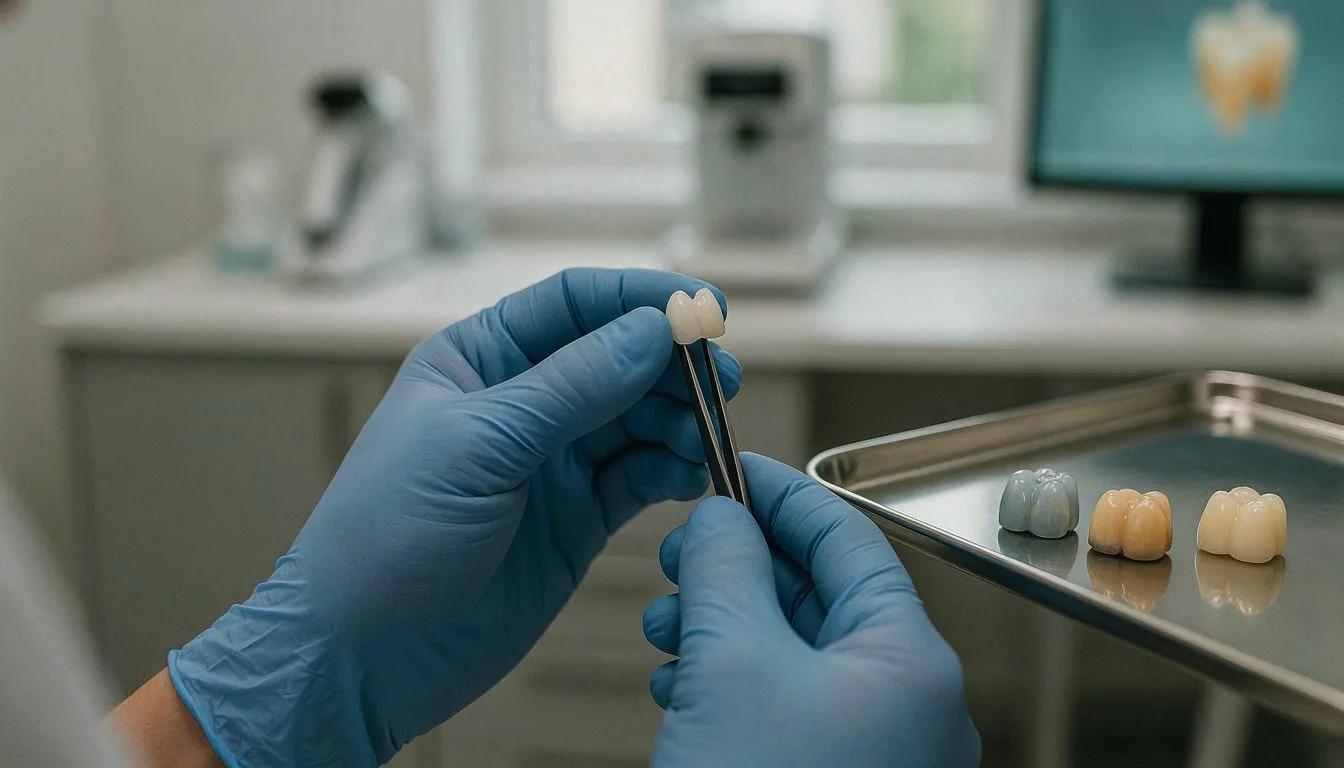
What actually goes into a crown matters as much as who places it, and Turkish clinics tend to work with the same material families you would encounter in the United States — just at a different price point. The most common choices are zirconia, lithium disilicate (often sold under the brand name E.max), and layered porcelain fused to metal. Each has a distinct profile: zirconia is prized for strength and is frequently used on back teeth where biting forces are heaviest; lithium disilicate offers a more translucent, natural look and is popular for front teeth; porcelain fused to metal remains a durable, budget-friendly option that hides a metal core beneath a ceramic surface.
Technique has shifted noticeably in recent years. Many clinics now use digital impression scanning instead of the older putty-and-tray method, which reduces the discomfort of the impression stage and produces a file that a milling machine can read directly. Some practices mill the crown in-house, while others send the digital file to a partner laboratory. Either way, the workflow shortens the gap between preparation and fitting — a real advantage when your trip has a fixed return date.
Shade matching is handled with a guide and, in better clinics, a photograph taken under neutral light so the lab can fine-tune the color. For visible front teeth, this step deserves your attention: a crown that fits perfectly but reads slightly too bright or too grey will stand out.
Two practical points are worth raising with your dentist before work begins. First, ask which material is being recommended and why — the answer should reference the tooth’s position and your bite, not simply cost. Second, confirm the warranty terms attached to that specific material, since coverage can differ between zirconia and layered porcelain. A clinic that answers both questions clearly is usually one that stands behind its laboratory work.
Planning Travel, Scheduling, and Aftercare Around Your Appointment

Once your treatment dates are confirmed, the practical work shifts to fitting a dental trip into normal life. Most clinics expect you to arrive a day or two before the first appointment, so build that buffer into your flights rather than booking an arrival on the morning of your consultation. Passport validity, visa rules, and travel insurance that covers dental complications are worth checking weeks ahead, not days.
Schedule the trip so you can stay for the full timeline your dentist outlines. A single-visit crown may need only a few days on the ground, while staged work usually requires a second trip several weeks later for final placement. Ask the clinic to send a written day-by-day plan before you book anything, and treat that document as the anchor for your calendar.
Aftercare begins the moment you leave the chair. Expect some sensitivity around the prepared tooth, and follow the clinic’s guidance on avoiding hard or sticky foods while a temporary crown is in place. Keep the treating dentist’s direct contact details, plus a local dentist you can reach if something loosens after you fly home.
Confirm how warranty and follow-up work if a crown needs adjustment months later. Reputable providers document this in writing, including whether you must return to Turkey or whether a partner dentist abroad can handle minor fixes. Save your radiographs, material certificates, and invoices — they matter if you ever need to prove what was placed.
Finally, plan a realistic recovery window. Most patients return to work within a day or two, but booking a light schedule for the first 48 hours after cementing makes the whole process far less stressful.
FAQs
How much can Americans typically save on a dental crowns Turkey package compared to prices in the US?
A dental crown package in Turkey typically costs between $150 and $400 per crown, while the same treatment in the United States often runs from $800 to $2,500 per crown. This means American patients commonly save 50% to 80%, and packages that include multiple crowns, hotel stays, and transfers can still total less than the price of a single US crown.
What is usually included in a dental crowns Turkey package for Americans, such as hotel stays and airport transfers?
Most dental crown packages in Turkey for American patients typically bundle the crown treatment with hotel accommodation and airport transfers, often alongside clinic transportation. Many clinics also include preliminary consultations, X-rays, and a temporary crown while the permanent one is being made. Packages vary in hotel quality and number of nights, so patients should confirm exactly which services and materials are covered before booking.
How many days should Americans plan to stay in Turkey to complete dental crown treatment?
Most Americans should plan to stay in Turkey for about 7 to 10 days to complete dental crown treatment, since the process typically requires two visits: one for preparation and impressions and a second, usually 5 to 7 days later, for fitting and cementing the permanent crown. Some clinics use same-day CAD/CAM technology to deliver crowns in as little as 3 to 5 days, but a 7- to 10-day window provides a safer buffer for adjustments, lab work, or unforeseen delays.