You need to cover a damaged, cracked, or heavily worn tooth, and your dentist recommends a crown. The choice between porcelain and other materials often comes down to appearance, durability, and cost. Porcelain crowns are popular because they match the natural color and translucency of your teeth, especially on front teeth or in areas visible when you smile.
Still, they are not the right answer for everyone. They can wear down opposing teeth, sometimes chip under heavy bite force, and usually cost more than metal or porcelain-fused-to-metal options. Understanding the porcelain crowns pros and cons helps you decide with clear expectations instead of guessing.
The best candidates tend to be people who need a crown on a visible tooth, have a stable bite, and want the most natural look. If you grind your teeth at night or need a crown on a back molar that takes heavy pressure, a different material may serve you better. Your specific situation, not a general rule, should guide the final call.
What Porcelain Crowns Are and How They Differ from Other Crown Types

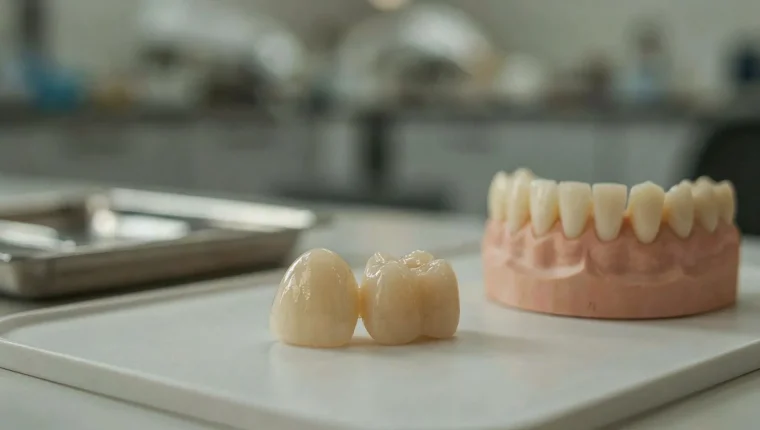
A dental crown is a custom-made cap that fits over a prepared tooth, restoring its shape, size, strength, and appearance. Porcelain crowns are made primarily from dental ceramic, a material engineered to mimic the light-scattering properties of natural enamel. This is why they blend so seamlessly with surrounding teeth, unlike metal crowns that can appear as a dark or gray line near the gum.
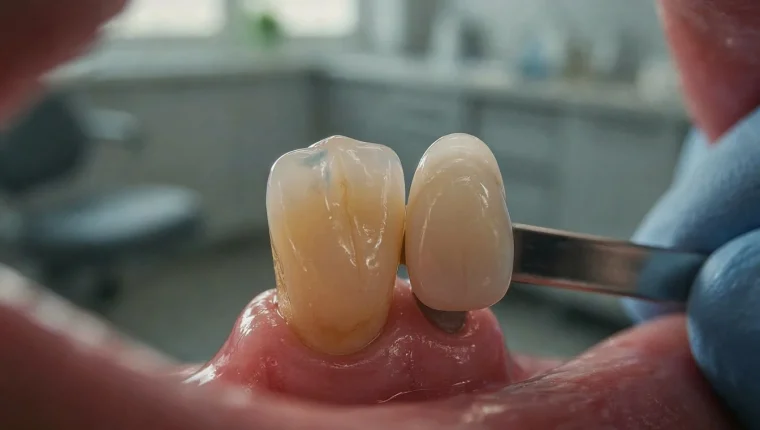
What sets porcelain apart is how it interacts with light. Natural teeth are slightly translucent, meaning light passes through them rather than simply bouncing off. Porcelain crowns replicate this optical behavior, which is why they are often chosen for visible front teeth where aesthetics matter most. Other crown types, such as full metal or porcelain-fused-to-metal, use a metal substructure that blocks light transmission and can create a duller, more opaque look.
Porcelain crowns also differ in how they are fabricated. Many modern versions are milled from solid blocks of ceramic using digital scanning and CAD/CAM technology, allowing for a precise fit with fewer appointments. Traditional porcelain-fused-to-metal crowns require a metal framework layered with ceramic, which can chip over time. All-ceramic and zirconia-based crowns offer higher strength while keeping the tooth-colored appearance.
From a biological standpoint, porcelain is generally well tolerated by gum tissue. Metal crowns, particularly those containing base metals, may occasionally trigger sensitivity or a grayish tint along the gumline. Porcelain’s biocompatibility and natural aesthetics explain why it remains a leading choice for both single crowns and implant restorations, especially in the smile zone where appearance and function must work together.
Key Advantages That Make Porcelain Crowns a Popular Choice
What makes porcelain crowns stand out in everyday dentistry is not a single feature but a combination of qualities that patients notice immediately and benefit from over years. Because the material is translucent, it mimics the way natural enamel reflects light, so a restored tooth blends into the smile instead of announcing itself. That optical match matters most on front teeth, where shade and texture are constantly on display, yet it also helps premolars and other visible teeth look consistent with their neighbors.
Beyond appearance, porcelain offers practical advantages that shape the treatment experience itself:
- Natural aesthetics: Layered porcelain can be matched to the exact shade, translucency, and surface texture of surrounding teeth, which is difficult to achieve with opaque metals.
- Biocompatibility: The material is generally well tolerated by gum tissue, so allergic reactions and sensitivity linked to metal alloys are rarely a concern.
- Stain resistance: The glazed surface resists coffee, tea, and tobacco discoloration better than many composite materials, helping the crown keep its original color.
- Strength for visible teeth: Modern porcelains, especially zirconia-reinforced versions, provide solid fracture resistance in the areas where chewing forces are moderate.
- Versatile placement: Porcelain crowns work well for single restorations, implant crowns, and bridges, giving dentists flexibility across different clinical situations.
These benefits explain why porcelain remains a first-line option when a tooth needs full-coverage protection but the patient also cares about appearance. The material’s translucency is central to that reputation, since it allows light to pass through the crown much as it does through natural enamel. Still, the same properties that make porcelain attractive also introduce trade-offs in certain positions, which is why the next section examines the drawbacks and limitations worth weighing before treatment.
Potential Drawbacks and Limitations to Consider Before Treatment
Porcelain crowns are not risk-free, and knowing where they tend to fall short helps you walk into treatment with realistic expectations. The most common complaint involves the material itself: although modern porcelain is strong, it is still more brittle than metal or zirconia, and it can chip or fracture under heavy biting forces, especially in back teeth or for people who grind their teeth at night.
Another limitation is the preparation required. Fitting a porcelain crown usually means removing a layer of healthy enamel, and that tooth structure never grows back. If the crown later fails, the underlying tooth may need a larger restoration or even a root canal. Some patients also notice increased sensitivity to hot and cold after the procedure, which can linger for weeks or, in rarer cases, become a longer-term issue.
Porcelain can also wear down the opposing natural teeth faster than metal crowns do, and its surface may cause more abrasion over years of use. Color matching is another practical concern: while porcelain blends well, it does not change color after placement, so if you whiten your other teeth later, the crown may stand out. Finally, porcelain crowns typically cost more than base-metal options and may not be fully covered by insurance, particularly when the crown is considered cosmetic rather than medically necessary.
These trade-offs do not make porcelain a poor choice, but they do mean the decision should weigh durability, cost, and long-term maintenance alongside appearance.
Ideal Candidates for Porcelain Crowns and Who Should Avoid Them

Not everyone with a damaged tooth is automatically a good fit for a porcelain restoration. The strongest candidates tend to be people who need to restore a visibly damaged front tooth, since this material’s translucent, tooth-colored finish blends most convincingly where it matters most. If you have a chipped, cracked, or heavily discolored incisor, canine, or premolar, or if you’re covering a large filling or a root canal treated tooth in the smile zone, porcelain is often an excellent match. Candidates also do well when they have healthy gum tissue, a stable bite, and enough remaining tooth structure to support the crown, along with realistic expectations about the care and cost involved.
Certain habits and conditions make porcelain a weaker choice. People who grind or clench their teeth heavily, bite their nails, or chew on ice and hard objects put the material at constant risk of chipping or fracture, especially when no protective night guard is used. Those with severe bruxism, an unstable bite, or teeth positioned where they absorb intense biting forces, such as molars, may get better durability from a metal or zirconia option.
Poor oral hygiene is another caution. If active gum disease or untreated decay is present, that needs to be resolved before any crown is placed, since a restoration can’t succeed on an unhealthy foundation. Heavy smokers and patients with uncontrolled conditions that impair healing may also face higher complication rates and should weigh the trade-offs carefully with their dentist.
The honest takeaway is that porcelain shines brightest where appearance and function meet in the visible part of your mouth, while back teeth under heavy load often call for a tougher material. A candid conversation with your dentist about your bite, habits, and goals is the surest way to know which side of that line you fall on.
How Porcelain Crowns Compare with Metal and Ceramic Alternatives
Choosing between porcelain, metal, and ceramic crowns often comes down to where the tooth sits in your mouth and how much you value a natural look. Full metal crowns, usually made from gold alloys or base metals, are the workhorses of restorative dentistry. They resist wear remarkably well and rarely fracture, which is why they have historically been placed on back molars where grinding forces are highest and visibility is lowest. The trade-off is obvious: a dark metallic restoration stands out against enamel, and some patients also notice a gray shadow along the gumline over time.
Porcelain-fused-to-metal (PFM) crowns sit in the middle ground. They combine a metal shell for structural support with a layered porcelain exterior for a tooth-colored finish. They are stronger than all-ceramic options in high-load areas, but the opaque metal core blocks light, so the result looks flatter and less lifelike than all-ceramic crowns. Over years of use, the porcelain can also chip away from the metal edge, exposing a thin dark line near the gums.
All-ceramic and zirconia crowns are the closest match to natural teeth. Their translucency mimics how real enamel scatters light, and they contain no metal at all, which matters for patients with sensitivities or those who simply dislike the idea of metal in the mouth. The main considerations come down to material behavior:
- Metal crowns offer the greatest durability and the lowest risk of fracture, but their color makes them a poor fit for front teeth.
- PFM crowns balance strength and appearance at a moderate cost, though the metal core can dull the final shade.
- All-ceramic crowns deliver the most natural aesthetics and work well for visible teeth, but they demand more careful handling in heavy bite zones.
- Zirconia crowns pair high strength with a tooth-colored finish, making them a strong option for both front and back teeth.
For a visibly damaged front tooth, an all-ceramic or zirconia crown usually wins on appearance alone. For a second molar hidden behind your cheek, a metal or PFM crown may serve you just as well at a lower price. The right choice depends on bite force, gum health, and how much the visual result matters to you.
Durability, Care, and Long-Term Maintenance Expectations
How long a porcelain crown lasts depends far less on the material itself than on how it is loaded and maintained day to day. Most porcelain and all-ceramic crowns perform well for 10 to 15 years, and many exceed that range when the underlying tooth stays healthy and the bite is stable. What shortens lifespan is rarely the ceramic — it is the environment around it.
Two forces drive most premature failures. The first is parafunctional grinding or clenching, which concentrates heavy cyclical loads on a material that resists compression far better than shearing. The second is recurrent decay at the margin, where the crown meets the natural tooth. That junction is the weakest point of any restoration, and once bacteria settle there, the crown may need replacement even though the ceramic is intact.
Daily care follows the same logic as caring for natural enamel:
- Brush twice daily with a soft-bristled brush and non-abrasive fluoride toothpaste.
- Clean interproximally once a day with floss, interdental brushes, or a water flosser to protect the margin.
- Avoid biting ice, hard candy, nutshells, and unpopped popcorn kernels, which cause localized chipping.
- Wear a night guard if you grind — this single step measurably extends crown survival.
- Limit very dark beverages and tobacco if the crown sits in the aesthetic zone, since the cement line can discolor over time.
Professional maintenance matters just as much. Twice-yearly examinations let your dentist check marginal integrity, probe for decay, and assess the opposing bite before small problems escalate. A crown that feels high, catches floss, or shows a visible crack deserves prompt attention rather than watchful waiting.
Refinishing a small chip is often possible without replacing the entire crown, which is one practical advantage of porcelain over metal in the visible smile line. When replacement is necessary, the procedure is straightforward but removes additional tooth structure, so preserving the original crown through consistent care is always the better outcome.
Factors That Influence Cost and Insurance Coverage
What you actually pay for a porcelain crown rarely comes down to a single number. Several variables stack on top of each other, and understanding them helps you plan ahead instead of getting surprised at the front desk.
The biggest driver is laboratory fabrication and the material chosen. A standard porcelain-fused-to-metal crown typically costs less than a full porcelain or zirconia crown, because the all-ceramic options require more precise milling, layering, and shade matching. If your dentist uses a chairside milling unit, you may pay a premium for same-day convenience but save on the temporary crown and second visit. Geographic location matters too: urban practices with higher overhead charge more than rural clinics for the same procedure.
Additional fees often appear when the case is complex. These can include:
- Core buildup if too little healthy tooth remains
- Post and core placement for a severely broken-down tooth
- Gum contouring or crown lengthening to expose enough structure
- Bite adjustments or a night guard to protect the new crown
Insurance coverage follows a predictable pattern. Most dental plans classify crowns as a major restorative service, which means they typically cover 50% of the allowed fee after your deductible is met. Some plans pay 50% to 80% depending on the annual maximum and whether the crown is deemed medically necessary rather than cosmetic. A crown on a visibly damaged front tooth is usually covered; one placed purely to improve appearance is not.
Watch for frequency limitations. Many insurers will only pay for one crown per tooth every five to seven years, and pre-authorization is often required before treatment begins. If you skip that step, the claim may be denied even when the crown was justified. Ask your dentist’s office to submit a pre-treatment estimate so you see your exact out-of-pocket cost in writing. Payment plans and dental savings programs can bridge the gap when coverage falls short.
FAQs
What are the main porcelain crowns pros and cons compared with other tooth-colored restorations?
Porcelain crowns offer the best color match and translucency of any tooth-colored restoration, which makes them ideal for front teeth where appearance matters most. They are also highly durable and stain-resistant, though they cost more than composite bonding or porcelain veneers and require removing more healthy tooth structure. Unlike veneers, which only cover the front surface, crowns fully encase the tooth, so they work better for teeth that are heavily damaged, cracked, or root-canal treated. The main trade-off is that porcelain can wear down opposing natural teeth faster than resin-based options.
Which patients are the best candidates for porcelain crowns, and who may need a different option?
The best candidates for porcelain crowns are patients with a heavily damaged, cracked, or root-canal-treated tooth who want a natural-looking, stain-resistant restoration and have healthy enough gums and bone to support it. People who grind or clench their teeth, have a severe porcelain or metal allergy, or need a crown on a molar bearing heavy bite force may do better with a metal or zirconia crown instead.
How long do porcelain crowns typically last, and what can shorten or extend their lifespan?
Porcelain crowns typically last between 10 and 15 years, and many make it to 20 or more with good care. Their lifespan shortens with habits like grinding your teeth, chewing ice or hard candies, poor oral hygiene, and gum disease, while regular dental checkups, a night guard if you clench or grind, and solid brushing and flossing can push them well past the average.