Choosing dental veneers in Turkey involves more than comparing package prices or looking at before-and-after photos. The consultation lets you check whether veneers suit your oral health, smile goals, and long-term expectations. A qualified dentist should assess your teeth and gums, explain suitable materials, discuss how much preparation may be needed, and show how the proposed design will fit your face and bite. You also need clear information about the clinic, treatment timeline, costs, travel arrangements, and aftercare. Focused questions help you compare providers fairly and avoid committing to a plan that does not match your needs.
What to Expect from a Dental Veneers Consultation in Turkey

A well-structured consultation begins with your medical and dental history. Tell the dentist about previous restorations, tooth sensitivity, clenching or grinding, medications, allergies, and any concerns affecting your oral health. You should also explain what you want to change about your smile and how natural or noticeable you want the result to look.
The clinical assessment usually includes an examination of your teeth and gums, your bite, existing fillings or crowns, and the amount of healthy tooth structure available. The dentist may take clinical photographs, digital scans, and X-rays where appropriate. These records help evaluate how veneers could fit within your overall smile rather than relying on photographs or a brief visual inspection.
Ask how your smile goals will be translated into a treatment plan. A dentist may discuss tooth proportions, gum contours, colour, and the relationship between your upper and lower teeth. If a mock-up or digital preview is offered, clarify whether it represents the expected shape accurately and whether you can request changes before treatment begins.
Before agreeing to treatment, make sure the proposed preparation is explained clearly. Ask which teeth would be altered, how much enamel may be removed, and what temporary arrangements are involved. You should receive time to review the plan, alternatives, possible limitations, and consent documents. A thorough clinical examination and treatment plan should come before any final decision or irreversible procedure.
Are You a Suitable Candidate for Veneers?
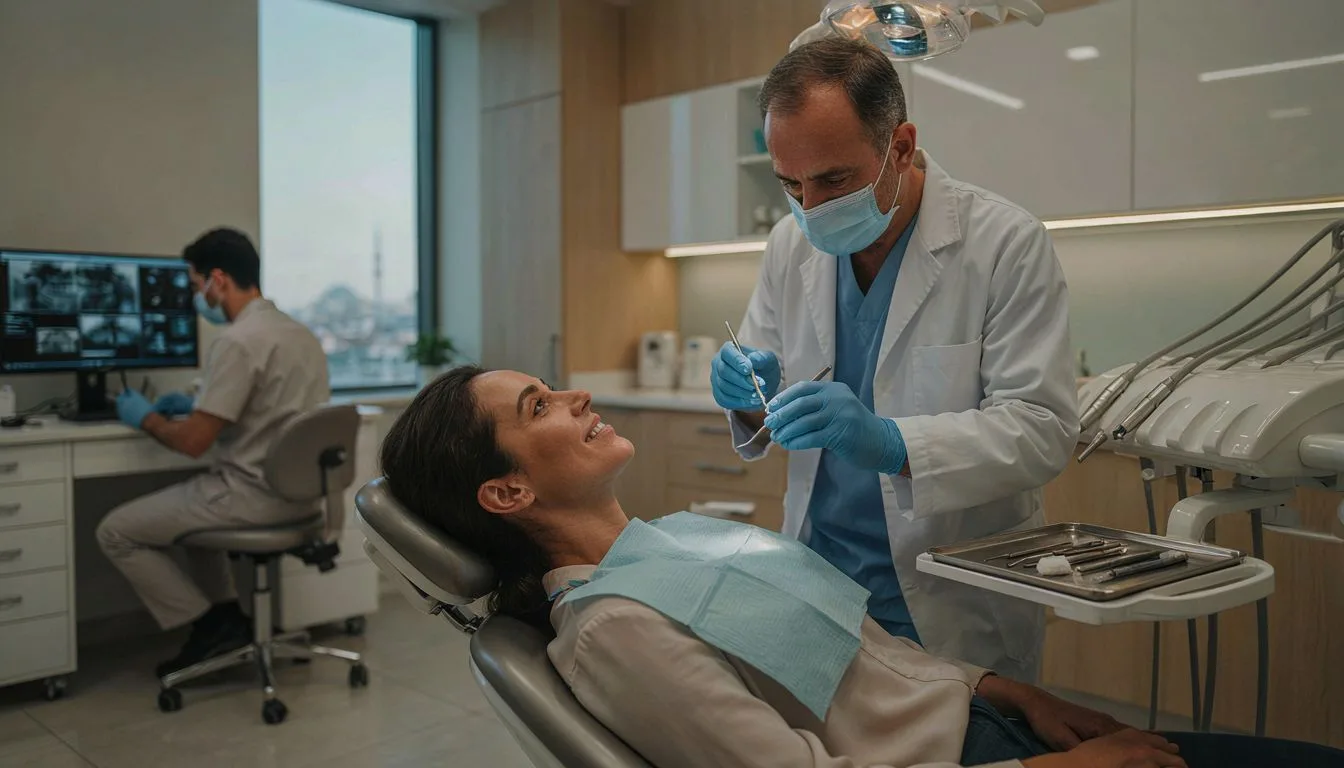
Suitability for veneers depends on more than wanting a brighter or more even smile. Your dentist should first determine whether the teeth and supporting tissues can safely receive them. Adequate healthy enamel is important because veneers often bond most predictably to enamel, while extensive previous restorations or insufficient tooth structure may affect the plan.
Active decay, gum disease, untreated infection, significant cracks, or severe sensitivity should generally be addressed before cosmetic treatment. A dentist should also assess tooth wear and the way your upper and lower teeth meet. Grinding, clenching, or an unstable bite can place excessive force on veneers and may require protective treatment or a different restorative approach.
Your goals also need to be separated from problems that require another type of care. Discolouration or minor shape concerns may be suitable for veneers, whereas crowding, spacing, gum irregularities, or weakened teeth could call for orthodontic, periodontal, or restorative assessment first. Ask whether alternatives such as whitening, bonding, orthodontics, or crowns could preserve more natural tooth structure.
Before agreeing to preparation, discuss the long-term implications of enamel removal. Veneers are not usually a reversible choice, and they may eventually need repair or replacement. A responsible dentist should explain the expected maintenance, limitations, and risks clearly rather than presenting veneers as a universal solution.
Which Veneer Material and Design Best Fit Your Smile?
Material selection should follow the appearance you want and the way your teeth will be used, rather than a package label or a photograph of someone else’s smile. Porcelain veneers generally offer lifelike translucency and strong stain resistance, while composite veneers may require less intervention and can often be repaired or modified more easily. The right option depends on the individual tooth, the proposed preparation, your bite, and the dentist’s experience with that material.
Ask how the planned shade will interact with your complexion, lips, and existing teeth. A natural design usually includes subtle variation in translucency rather than an identical, opaque shade across every tooth. Shape, width-to-length proportions, symmetry, and the amount of tooth shown when you speak or smile should also be assessed in relation to your facial features. Ask whether the laboratory will be involved in designing the veneers and who will approve the final contours.
Before agreeing to treatment, clarify how much preparation is expected, whether any enamel will remain, and what changes would be difficult or impossible to reverse. Ask how the veneers could be repaired or replaced if one chips, and whether the proposed design can accommodate future adjustments. These questions are especially important when comparing porcelain and composite options, because their handling and repair pathways differ.
Where available, request a digital preview, wax-up, or temporary mock-up before definitive veneers are made. Examine the proposed length, edge position, speech, and overall balance in ordinary lighting, and ask for changes before the final design is approved. A preview cannot guarantee the exact finished result, but it gives you and the clinical team a practical way to discuss expectations.
What Should You Ask About Costs, Treatment Time, and Travel?
Before booking flights, ask for an itemized quotation rather than relying on a single package price. It should specify the consultation, diagnostic records, temporary restorations, laboratory work, veneer fitting, and any additional treatment that might be required. Also ask whether medicines, replacement temporaries, or adjustments are charged separately.
Request a written schedule showing the number of visits, the expected time between preparation and fitting, and any review period. Clarify what happens if your teeth or gums are not ready, the laboratory needs more time, or treatment cannot safely proceed during the trip. A clear cancellation and refund policy is especially important before making non-refundable travel arrangements.
Confirm whether accommodation, airport transfers, interpreting, insurance, and revisions are included or excluded. Ask when payments are due, which payment methods are accepted, and which documents you will receive for your records. Finally, check how much time the clinic recommends before flying home, allowing for fitting, evaluation, and any necessary adjustment rather than planning a return journey immediately after treatment.
How Are Aftercare, Adjustments, and Follow-Up Managed?
Before leaving Turkey, confirm the planned review schedule and how adjustments will be arranged if your bite feels uneven or a veneer causes discomfort. Ask who will handle post-treatment communication, how quickly the clinic responds, and whether remote assessment is available after you return home.
Request clear guidance on brushing, flossing, sensitivity, bite monitoring, and whether a night guard is appropriate. Continue routine examinations with a local dentist, while keeping the treating clinic informed of any changes. Clarify warranty terms in writing, including exclusions, required evidence, deadlines, and responsibility for travel or local repair costs. For urgent concerns, establish whether your local dentist should provide immediate care first and how the Turkish clinic will assess repair or replacement decisions afterward.
FAQs
What should I ask during a dental veneers consultation in Turkey?
Ask about the dentist’s qualifications, experience with veneers, the proposed material, treatment stages, expected results, longevity, maintenance, and total cost. Confirm whether you need any preparatory work, how many visits are required, what happens if a veneer chips or fails, and whether follow-up care is available after you return home. Request before-and-after photos of comparable cases and a written treatment plan.
How can I verify the dentist’s qualifications and clinic accreditation?
Check the dentist’s license through your national or regional dental regulatory authority, and confirm their education, specialty training, and professional certifications. Verify that the clinic holds current accreditation from a recognized healthcare organization, and ask for documentation or check the accrediting body’s online directory. You can also review inspection records, professional memberships, and independent patient feedback.
What costs, treatment stages, and aftercare are included in the consultation plan?
The consultation plan typically includes an assessment, treatment recommendations, estimated costs, treatment stages, and expected timelines. It may also cover follow-up appointments, aftercare instructions, medication guidance, and post-treatment support, although inclusions and fees vary by provider. Confirm the exact package details and any additional charges before proceeding.