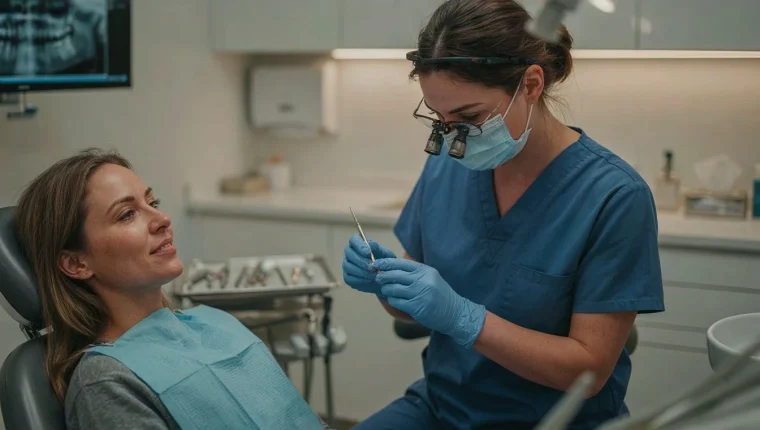
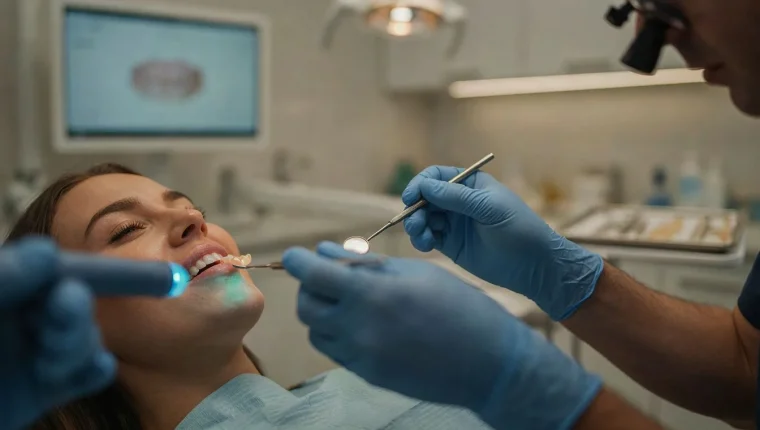
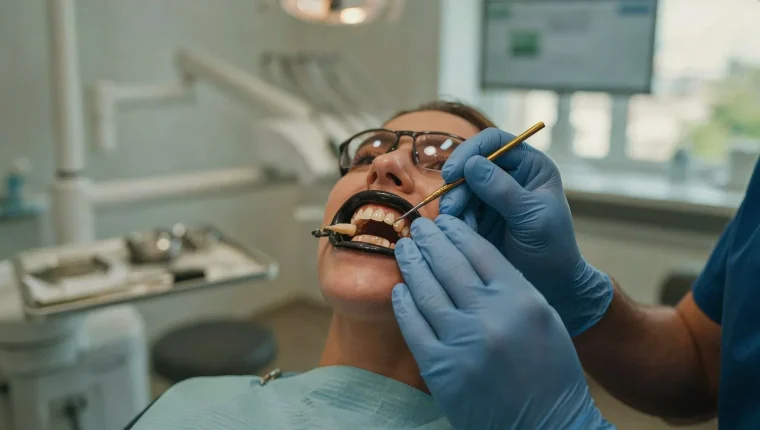
A chipped dental veneer is more than a small cosmetic flaw. The missing material can leave a sharp edge, change your bite, or expose the tooth beneath the veneer to irritation and further damage. The right response depends on the chip’s size, location, symptoms, and effect on normal function. A minor surface chip may only need smoothing or a simple repair, while pain, sensitivity, looseness, or damage extending toward the tooth can require faster attention. Until a dentist assesses it, avoid biting hard foods with that tooth and do not try to file, glue, or reattach the veneer yourself. Prompt professional evaluation can help protect the underlying tooth and clarify whether repair, replacement, or another treatment is appropriate.
What Causes Veneer Chipping After Dental Veneers?
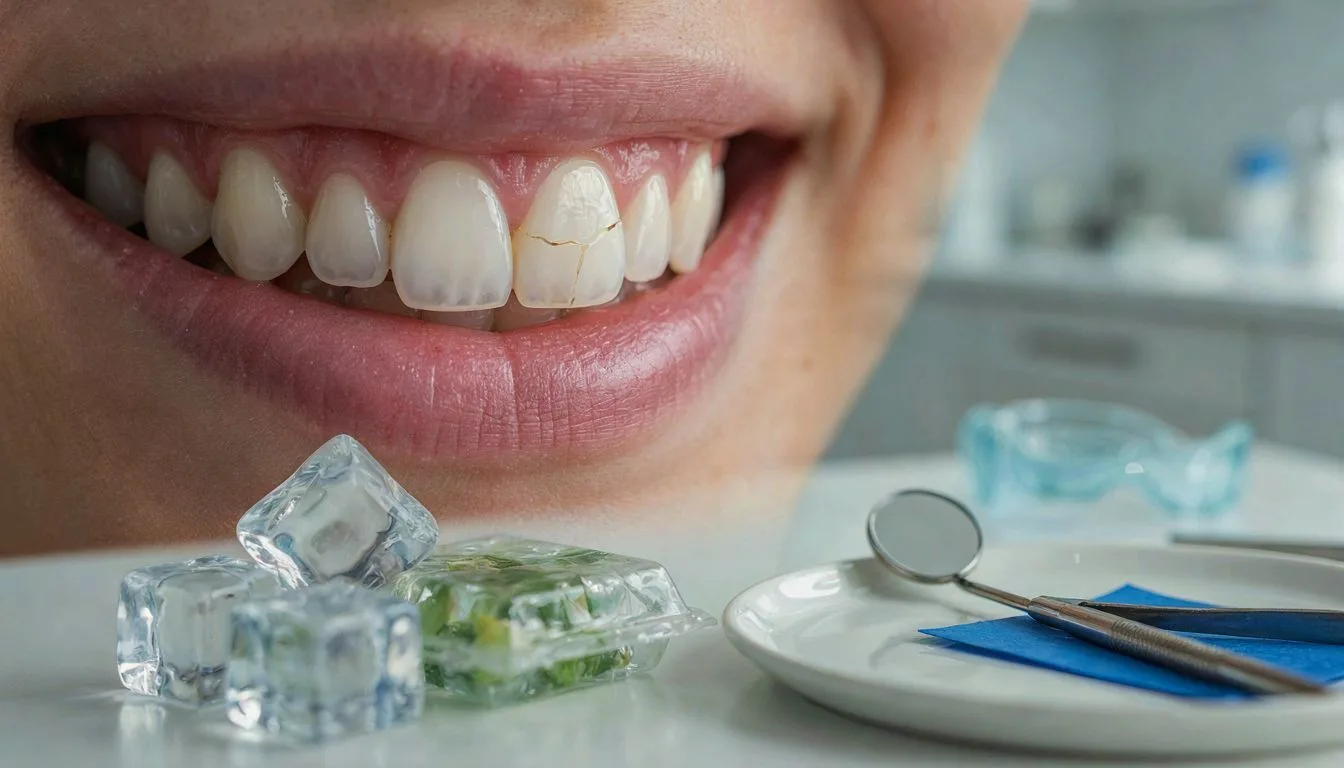
A veneer can chip when the force placed on it exceeds what its ceramic or composite material can tolerate. Biting hard foods, chewing ice, or using the front teeth to open packaging can create concentrated pressure at the edge. A blow to the mouth, even from a minor accident or contact during sports, may also fracture the veneer or loosen it from the tooth.
Repeated stress is another common contributor. Teeth grinding or clenching, particularly during sleep, can load veneers thousands of times and make small weaknesses more likely to develop into visible chips. An uneven bite may place excessive force on one veneer instead of distributing pressure across the teeth. This can happen if the opposing tooth contacts the veneer too early or too heavily.
The material and placement also matter. Porcelain veneers can be strong but remain vulnerable to sharp, localized forces, while a veneer with insufficient support, incomplete bonding, or a less-than-ideal fit may be more prone to damage. The condition of the underlying tooth can contribute as well, especially if decay, an old filling, or weakening beneath the veneer affects its support.
Appearance alone cannot identify the cause. A chip may result from one obvious event, gradual grinding, or a combination of factors. A dentist can examine the veneer, bite, bonding, and underlying tooth to determine whether occlusal stress—excessive force when the teeth meet—is contributing and whether it needs to be addressed.
How Serious Is a Chipped Veneer?
Not every chipped veneer is a dental emergency. A very small defect limited to the visible porcelain may be mainly cosmetic, especially if the veneer feels smooth, remains stable, and does not affect your bite. Even then, the damage should not be ignored, because a rough area can wear the opposing tooth or become more noticeable over time.
Concern increases when the chip leaves a sharp edge, changes the way your teeth meet, or causes sensitivity to cold, heat, or pressure. These signs may indicate that the damage extends beyond the veneer or that the natural tooth underneath is no longer fully protected. Pain when biting, persistent discomfort, looseness, or swelling deserves a more careful assessment because the issue may involve the underlying tooth rather than porcelain alone.
The most important distinction is whether the natural tooth is exposed. Exposure can increase sensitivity and may allow irritation or decay to develop if the damaged area is not evaluated. A veneer that has fractured substantially, moves when touched, or exposes a sharp fragment also carries a greater risk of soft-tissue injury. The urgency depends on the symptoms and extent of damage, so a dentist should assess significant changes rather than relying on appearance alone.
What to Do Immediately After a Veneer Chip
Act promptly, but avoid trying to fix the veneer yourself. A chipped edge can be sharp, and pressure applied to the area may enlarge the defect or irritate the tooth and gums. Until a dentist can assess it, the priority is to limit further stress, protect the affected area, and keep it comfortable. The following steps can help prevent additional damage while you arrange professional care.
- Protect the area: Do not bite hard foods with the affected tooth, and avoid chewing ice, pens, fingernails, or other firm objects.
- Save the fragment: If a piece has come off, place it in a clean container and bring it to the appointment. Do not attempt to reattach it with household or dental glue.
- Reduce irritation: If the edge feels sharp, chew on the opposite side and avoid repeatedly touching it with your tongue or fingers.
- Manage discomfort carefully: Rinse gently with lukewarm water and use an over-the-counter pain reliever only as directed on its label, if it is normally safe for you.
- Clean gently: Continue brushing with a soft-bristled toothbrush, using light pressure around the damaged area rather than avoiding oral hygiene completely.
Choose softer foods temporarily and keep very hot or cold items away from a sensitive tooth. These measures are only interim safeguards: do not file, reshape, or bond the veneer at home. Professional assessment is needed to determine whether the chip affects the veneer alone or the tooth beneath it. A dentist can evaluate the damage, address any sensitivity or sharp edges, and recommend the appropriate repair or replacement.
When to Call Your Dentist
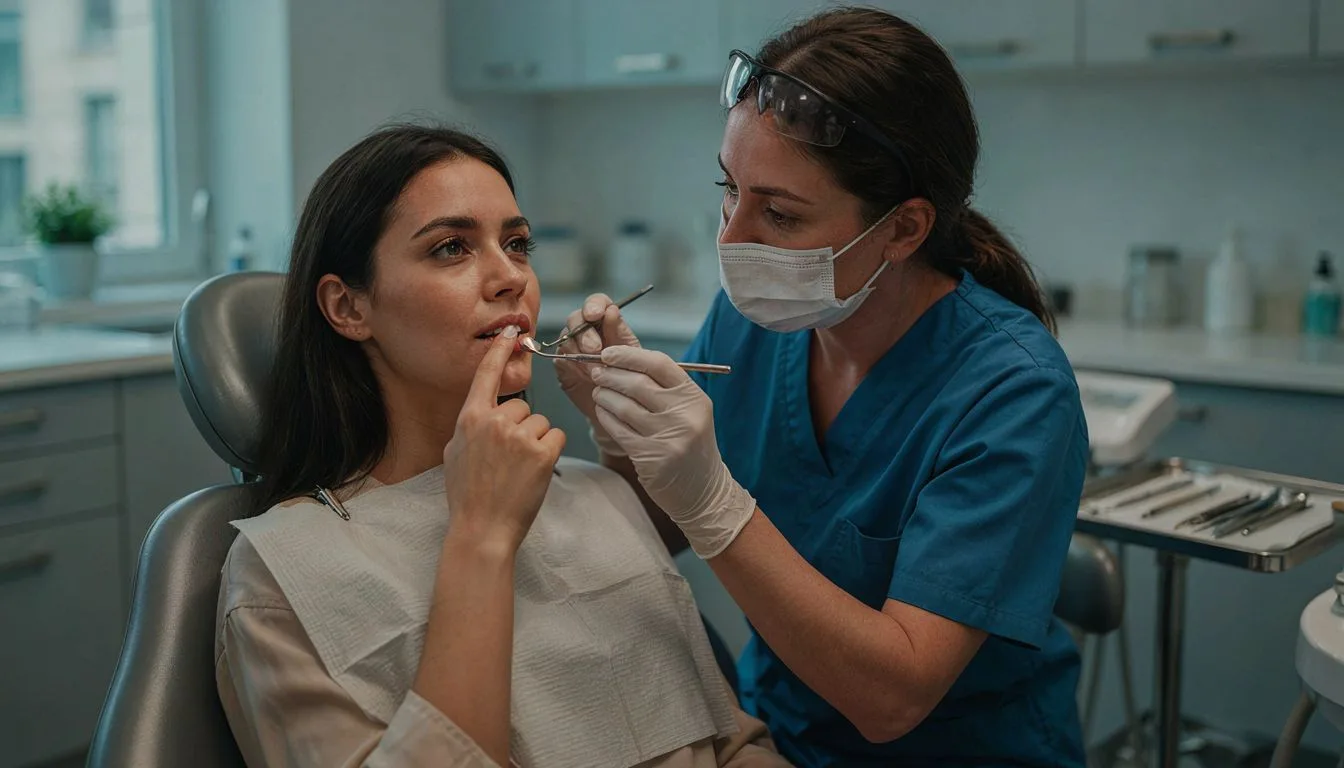
The right time to contact your dentist depends on whether the chip affects comfort, function, or the underlying tooth. A small cosmetic defect may allow time for a routine appointment, but delaying care can expose the veneer to additional stress or make a sharp edge more irritating. Even when discomfort is mild, professional assessment helps determine whether the veneer is stable and whether the natural tooth underneath remains protected.
- Contact your dentist promptly if you have persistent pain, new sensitivity, bleeding, or swelling near the veneered tooth.
- Request an urgent dental assessment if the veneer feels loose, your bite has changed, or a sharp edge is cutting your tongue, cheek, or lip.
- Seek same-day care after trauma if the chip followed a fall, blow, or accident, particularly when the natural tooth may also be cracked or displaced.
- Arrange a routine appointment for a stable, painless chip with no sharp edge, bite change, or visible concern involving the tooth beneath it.
- Use emergency services for severe facial injury, uncontrolled bleeding, difficulty breathing or swallowing, or rapidly increasing swelling.
Until you are assessed, avoid biting hard foods with that tooth and do not glue the veneer back in place. A dentist can determine whether the problem is limited to the veneer or involves the tooth, gums, or bite, then recommend the appropriate next step. Prompt advice can help prevent further damage, reduce irritation, and clarify whether the veneer needs repair, replacement, or simple monitoring.
How Chipped Veneers Are Repaired or Replaced
At the appointment, your dentist will examine the veneer, the bond holding it in place, your bite, and the tooth underneath. They may also check whether the chip is limited to the visible porcelain or whether the veneer is loose, fractured, or no longer protecting the natural tooth properly. The location and depth of the damage help determine the safest option.
A very small defect may be smoothed and polished if it does not affect appearance, comfort, or function. In selected cases, a limited chip can be restored with composite material, although the repair may not have the same long-term strength or appearance as a new veneer. This approach is generally more suitable when the remaining veneer is firmly bonded and the supporting tooth is sound.
If the veneer is significantly fractured, detached, repeatedly failing, or unable to provide proper coverage, replacement may be recommended. A dentist may also need to treat the underlying tooth first if decay, a crack, or weakened tooth structure is present. Bite adjustment or a protective night guard may be discussed when excess force could place the repaired or replacement veneer at risk.
FAQs
What are the early signs of veneer chipping after dental veneers?
Early signs include a rough or sharp edge, a small visible notch, a change in the veneer’s shape, or sensitivity when biting or drinking hot or cold beverages. You may also notice floss catching near the veneer or a new area that feels different when your tongue passes over it. Avoid biting hard foods and contact your dentist promptly, especially if the chip is painful, enlarging, or affecting your bite.
When should a chipped veneer be treated as a dental emergency?
A chipped veneer is a dental emergency if it causes severe pain, exposes sharp edges, leads to significant bleeding, or results from an injury that may have damaged the underlying tooth. Seek prompt dental care if the veneer has become loose or fallen off, especially if you have sensitivity or swelling. Save any detached piece and avoid chewing on that side until your dentist examines it.
Can a small veneer chip be repaired, or does the veneer need replacement?
A small veneer chip may sometimes be smoothed, polished, or repaired with composite resin, depending on its size, location, and the condition of the underlying tooth. Larger chips, cracks, or veneers that have become loose usually require replacement. Have your dentist assess the damage promptly to prevent further breakage and protect the tooth.