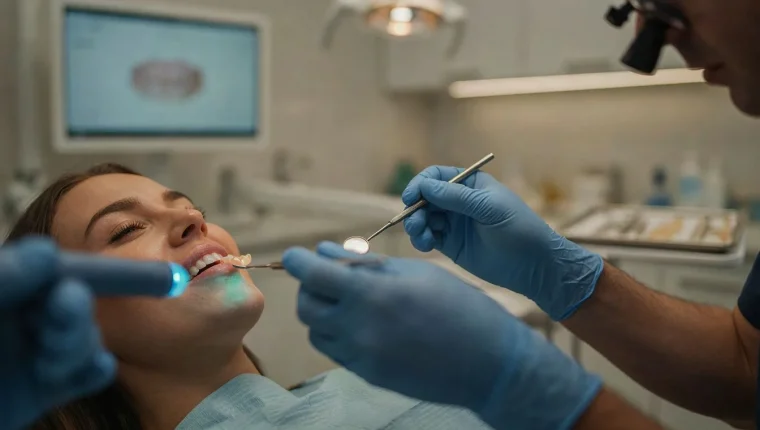
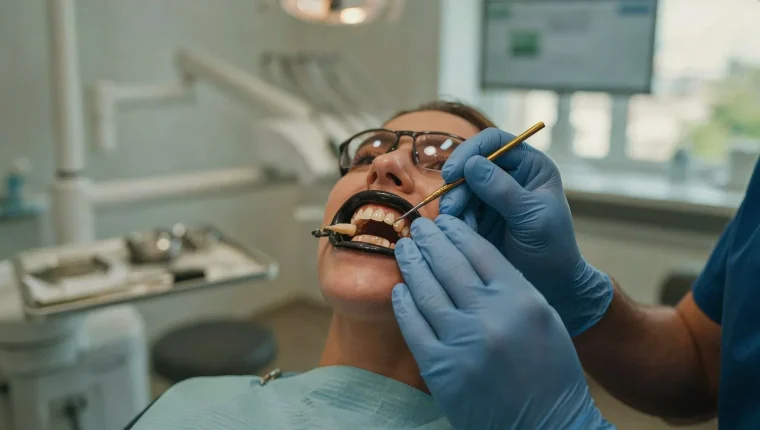
Tooth sensitivity can make the decision to get dental veneers feel less straightforward. Sharp pain from cold drinks, hot foods, sweets, or brushing may point to an issue that should be checked before cosmetic treatment begins. Sensitivity does not automatically rule out veneers, but its cause, severity, and effect on the tooth’s structure matter when planning treatment. A dentist may need to check for enamel wear, gum recession, cracks, decay, or other conditions before recommending veneers. The preparation process and veneer type can also affect how your teeth feel afterward. With careful assessment, treatment planning, and aftercare, many patients can achieve a comfortable result. Knowing what is normal during recovery—and which symptoms need prompt attention—helps you make a safer, more informed choice.
What Causes Tooth Sensitivity Before Veneers?
Before planning veneers, it is important to understand why a tooth reacts to cold, heat, sweets, or brushing. Sensitivity often occurs when exposed dentin allows sensations to travel more easily toward the tooth’s nerve. However, the same symptom can result from different conditions, and each one may affect treatment planning in a different way.
- Enamel wear: Acid erosion, aggressive brushing, or teeth grinding can thin the protective enamel and leave sensitive areas exposed.
- Gum recession: When gum tissue pulls away from the tooth, the exposed root surface lacks the same enamel protection and may respond sharply to temperature changes.
- Tooth decay: A cavity can cause sensitivity, particularly with sweet foods or temperature changes, and should be treated before cosmetic work is considered.
- Cracks or fractures: A damaged tooth may hurt when biting or releasing a bite, sometimes alongside sensitivity to cold.
- Inflammation or previous dental treatment: Irritation inside the tooth, a large filling, or recent restorative work can contribute to sensitivity that needs separate assessment.
A dental examination helps identify whether the discomfort comes from the tooth surface, gumline, bite, or internal pulp. The dentist may review your symptoms, inspect the enamel and gums, and use dental imaging or sensitivity tests when needed. Treating an underlying problem first can prevent veneers from covering up a condition that requires different care and provides a more reliable basis for treatment planning.
Are Dental Veneers Safe for Sensitive Teeth?

Having sensitive teeth does not automatically rule out dental veneers, but safety depends on why the teeth are sensitive and how much healthy enamel remains. A dentist should first examine the teeth, gums, bite, and existing restorations rather than treating sensitivity as an isolated symptom.
Preserving healthy enamel is central to safe veneer planning. Veneers usually require some enamel preparation, and bonding is most predictable when the veneer can be attached primarily to sound enamel. If sensitivity is linked to significant enamel loss, extensive decay, cracks, or weakened tooth structure, removing additional tissue may increase risk or make veneers unsuitable. In some cases, another treatment may better protect the tooth.
The dentist may also check for gum recession, defective fillings, signs of grinding, and sensitivity that is sharp, prolonged, or difficult to explain. These findings can point to an underlying problem that should be treated before cosmetic work begins. X-rays or other diagnostic tests may be recommended when the examination suggests decay, infection, or damage beneath the visible surface.
Treatment planning should also account for bite forces and the number of teeth being treated. A stable bite, appropriate veneer thickness, and careful preparation can reduce unnecessary stress on the teeth. When the cause of sensitivity is controlled and the tooth remains structurally sound, veneers may be considered safely; when disease or weakness is present, delaying or changing the plan is often the more protective choice.
How Veneers Can Affect Tooth Sensitivity

Veneer treatment can change sensitivity because the procedure affects how the tooth responds to temperature, pressure, and biting forces. During preparation, a small amount of enamel may be reshaped, and this can temporarily increase the tooth’s response to cold or air. Even when preparation is conservative, the dental pulp may need time to settle after the tooth has been cleaned, bonded, and covered.
In many cases, this discomfort is mild and improves as the tooth adapts. The veneer itself may also provide protection once it is securely bonded, particularly when sensitivity is related to exposed areas. However, the result depends on the condition of the tooth and the quality of the seal around the restoration. A tooth with existing irritation, decay, a crack, or extensive previous treatment may remain sensitive despite veneer coverage.
Bite adjustment is another important factor. If the veneer is slightly too high or receives excessive force during chewing, pressure may trigger discomfort or make the tooth feel sore. Sensitivity that is severe, worsening, occurs without a clear trigger, or persists beyond the expected adjustment period may indicate that the tooth or restoration needs closer evaluation rather than being treated as routine post-treatment sensitivity.
Managing Sensitivity After Veneer Placement
Mild sensitivity after veneer placement can occur as the teeth and surrounding tissues adjust, especially when symptoms are triggered by temperature or pressure. The most helpful approach is to reduce irritation while following the specific aftercare instructions provided by your dentist. Paying attention to daily brushing, food and drink temperatures, and chewing habits can help minimize discomfort during this adjustment period. These simple steps also support the health of the gums and the areas surrounding the veneers.
- Use a soft-bristled toothbrush. Brush gently with fluoride toothpaste and avoid aggressive pressure around the gumline.
- Choose moderate temperatures. Let very hot foods and drinks cool, and avoid exposing the treated teeth to sudden temperature changes.
- Limit acidic and highly sugary foods. These can increase discomfort and contribute to an environment that irritates sensitive tooth surfaces.
- Chew carefully during the adjustment period. Avoid biting hard objects or using the veneered teeth to open packaging, particularly while your bite feels unfamiliar.
- Follow prescribed recommendations. If your dentist suggests a desensitizing toothpaste, fluoride product, or another measure, use it exactly as directed.
Symptoms may be easier to manage when you note which foods, drinks, or chewing movements trigger them. Continue normal cleaning rather than avoiding the area, because consistent oral hygiene helps protect the gums and the margins around the veneers. If your dentist adjusted your bite or gave temporary dietary instructions, those individualized recommendations should take priority over general self-care advice.
Sensitivity should gradually become easier to manage as the teeth and surrounding tissues adapt. Contact your dentist if discomfort persists, becomes more severe, or is accompanied by pain when biting, because these symptoms may require a professional evaluation rather than additional self-care measures.
When to See a Dentist About Veneer Sensitivity
Contact your dentist if sensitivity is severe, interferes with eating or sleeping, or does not gradually improve after the expected adjustment period. Symptoms that steadily worsen rather than settle also deserve prompt evaluation, especially if they affect one specific tooth.
Pain when biting, lingering pain after hot or cold foods, swelling, or a visible chip, crack, or loose veneer should not be managed by continued observation alone. These signs can have several possible causes, so a dentist may need to examine the veneer, the bite, and the underlying tooth before recommending treatment. Seek urgent dental care if swelling is accompanied by fever or difficulty swallowing.
FAQs
Can dental veneers worsen tooth sensitivity?
Dental veneers can temporarily increase tooth sensitivity, especially to hot, cold, or sweet foods, because placing them may require removing a small amount of enamel. Sensitivity usually improves within a few days to weeks, but persistent, severe, or worsening discomfort may indicate an underlying problem that requires dental evaluation.
How can existing tooth sensitivity affect veneer treatment?
Existing tooth sensitivity may make the veneer preparation and bonding process feel more uncomfortable, especially if enamel is thin or dentin is exposed. Your dentist should assess and manage the underlying cause before treatment, since veneers do not automatically eliminate sensitivity and may worsen it if the tooth is not healthy. Sensitivity is often temporary after placement, but persistent or severe discomfort requires a dental evaluation.
What can reduce sensitivity after getting dental veneers?
Using desensitizing toothpaste, avoiding very hot, cold, acidic, or sweet foods, and brushing gently with a soft-bristled toothbrush can help reduce sensitivity after veneers. Sensitivity usually improves as the teeth and surrounding tissues adjust, but persistent, worsening, or severe discomfort requires evaluation by your dentist.