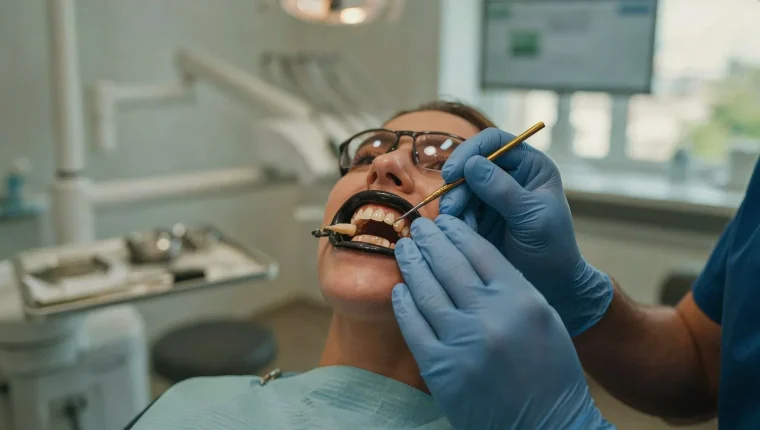
Choosing between dental veneers and dental bonding affects more than the appearance of your smile. Both treatments can improve chipped, stained, uneven, or slightly misshapen teeth, but they differ in cost, durability, treatment time, and how much tooth structure is changed. Dental bonding usually offers a quicker and more affordable way to make minor cosmetic repairs, often with little or no removal of natural enamel. Veneers offer a more complete cosmetic transformation and can deliver consistent results, but they typically cost more and may require some enamel preparation. The better option depends on the condition of your teeth, your cosmetic goals, your budget, and how long you want the results to last. Understanding these differences helps you choose treatment that fits your smile and long-term dental health.
How Dental Veneers and Bonding Work

Although both treatments improve the appearance of teeth, they do so through different techniques. Dental bonding uses a tooth-colored composite resin that is applied directly to the tooth, shaped by the dentist, and hardened with a curing light. Because the material is sculpted in place, the dentist can adjust the contour, shade, and bite during the same appointment.
Veneers are thin coverings, usually made from porcelain or a ceramic-based material, that are bonded to the front surfaces of prepared teeth. Treatment typically involves evaluating the smile, selecting a suitable shade, preparing a small amount of enamel when necessary, and taking impressions or digital scans. The final veneers are then manufactured and permanently cemented during a later appointment.
A key difference is the role of enamel. Veneers generally require more detailed planning and may involve removing a limited layer of enamel to create space and support a natural-looking result. Bonding often preserves more natural tooth structure and can sometimes be completed with little or no enamel removal.
Adhesion is central to both procedures. The tooth surface must be carefully cleaned and prepared so the bonding agent or dental cement can form a secure connection. Proper moisture control, accurate shade selection, and careful finishing help the restoration blend with surrounding teeth and function comfortably when biting and speaking.
Which Cosmetic Concerns Can Each Treatment Fix?
Both treatments can improve a smile, but they are best suited to different types and degrees of cosmetic concerns. The right choice depends on whether the problem involves the tooth’s shape, color, surface, or structural integrity.
Dental bonding is often effective for minor chips, small cracks, slight gaps, and teeth that appear uneven or mildly worn. A dentist can also use composite resin to lengthen a short-looking tooth or make small corrections to its contour. Because the material is applied directly to the tooth, bonding works particularly well when only a limited amount of reshaping is needed.
Veneers are generally more suitable for broader or more noticeable changes. They can address persistent discoloration, multiple irregularly shaped teeth, moderate spacing, worn edges, and smile-wide concerns involving symmetry. Porcelain veneers may also create a more uniform appearance when several teeth need to be improved at the same time. However, they are not a substitute for treating decay, gum disease, or significant structural damage.
Tooth structure and the extent of the cosmetic concern are central to treatment planning. Bonding may be preferable when the tooth is largely healthy and the goal is conservative correction. Veneers may offer more comprehensive coverage when surface appearance cannot be improved predictably with whitening or small additions of resin.
A dental examination is essential before deciding. Existing cavities, enamel loss, bite problems, or teeth grinding can affect which option is safe and likely to produce a stable result.
Durability, Maintenance, and Long-Term Results
Long-term performance depends on more than the initial cosmetic improvement. Veneers and bonding respond differently to everyday chewing forces, staining, and changes in the surrounding teeth, so durability should be considered alongside the appearance you want to maintain.
Material longevity is one of the clearest practical differences. Porcelain veneers commonly remain functional for about 10 to 15 years or longer with appropriate care, while composite bonding often needs touch-ups or replacement sooner, frequently within three to ten years. Actual results vary according to bite pressure, oral hygiene, the number of teeth treated, and whether a person clenches or grinds their teeth.
- Daily habits: Biting ice, pens, fingernails, or very hard foods can chip either material, although veneers may offer greater resistance to surface wear.
- Staining: Porcelain is highly stain-resistant, whereas composite resin can gradually absorb color from coffee, tea, red wine, and tobacco.
- Oral hygiene: Brushing with fluoride toothpaste, cleaning between teeth, and attending regular dental visits help protect the treated teeth and the nearby gums.
- Bruxism protection: Patients who grind or clench may benefit from a professionally fitted night guard to reduce stress on veneers or bonded areas.
Maintenance appointments allow a dentist to check the margins, polish composite surfaces, and identify small chips before they become more extensive. Veneers cannot usually be repaired invisibly if they fracture and may require replacement, while bonding is often easier to repair or add to without removing significant additional tooth structure.
Comparing Cost, Treatment Time, and Reversibility

Cost, treatment time, and reversibility often create the clearest practical difference between these options. Dental bonding is usually completed in one appointment and generally costs less because the dentist applies and shapes a tooth-colored composite directly on the tooth. The procedure may take roughly 30 to 60 minutes per tooth, depending on the number of teeth and the complexity of the changes.
Veneers typically require more planning. The process may involve a consultation, preparation, digital scans or impressions, and a second visit to place custom-made porcelain shells. This means treatment can take several weeks from planning to final placement. Veneers also tend to have a higher initial cost because they involve laboratory fabrication and more advanced materials.
Reversibility is another important consideration. Bonding is often reversible because little or no enamel needs to be removed; the composite can usually be adjusted, repaired, or removed. Veneers are generally considered irreversible when enamel preparation is required. Once placed, they may eventually need replacement rather than simple removal.
These differences can affect the overall financial picture. Bonding may be more affordable at first, but repairs or periodic touch-ups can add to long-term costs. Veneers require a larger initial investment, yet their longer expected service life may make them attractive for patients seeking a more stable cosmetic change. A dentist should assess enamel thickness, bite forces, and the number of teeth involved before giving an accurate estimate.
How to Choose Between Veneers and Dental Bonding
The best choice depends on how much change your smile needs, how much healthy enamel is available, and what you expect from the result. A dentist will assess the condition of each tooth, your bite, gum health, and whether habits such as grinding could affect the treatment. This evaluation is especially important when several cosmetic concerns overlap.
Treatment goals should guide the decision. Dental bonding may be appropriate for a small chip, a minor gap, or limited reshaping when preserving natural tooth structure is the priority. Veneers may be more suitable when discoloration, uneven shape, or multiple visible imperfections require a broader and more consistent change across the smile.
Your preferred balance between immediate improvement and long-term performance also matters. Bonding usually involves a simpler procedure and can often be adjusted or repaired, while veneers may provide more uniform aesthetics and greater resistance to everyday wear. However, veneers require enamel preparation and are generally considered a long-term commitment.
A consultation should include a discussion of your budget, desired shade and shape, timeline, maintenance expectations, and bite-related risks. Ask to see realistic treatment options for your specific teeth rather than choosing based only on photographs or advertised prices. The most suitable option is the one that achieves your cosmetic goals while protecting healthy tooth structure and supporting stable oral function.
FAQs
How do dental veneers vs dental bonding differ in cost and durability?
Dental bonding is generally less expensive upfront, while veneers cost more because they use custom-made porcelain or composite shells and require more extensive treatment. Bonding typically lasts about 3–10 years, whereas porcelain veneers can last 10–15 years or longer with proper care. Both may eventually need repair or replacement, and your dentist can recommend the best option based on your goals, oral health, and budget.
Which option is better for repairing chipped or discolored teeth?
Dental bonding is usually better for minor chips and discoloration because it is more affordable, minimally invasive, and can often be completed in one visit. Veneers may be the better choice for extensive damage, severe discoloration, or a longer-lasting, more uniform cosmetic result. A dentist can recommend the most suitable option based on your tooth’s condition, bite, and aesthetic goals.
Are veneers or dental bonding easier to maintain and replace?
Dental bonding is generally easier to maintain and replace because it can often be repaired or reapplied without removing much tooth structure. Veneers typically require more careful maintenance and may need full replacement if they chip or fail, although they can last longer with proper care.