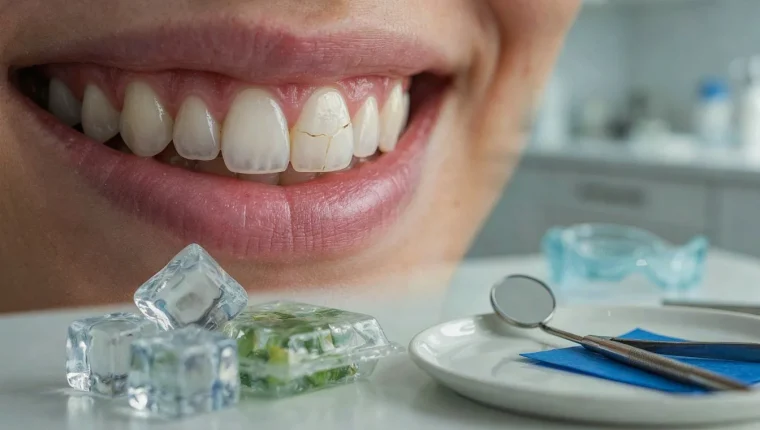
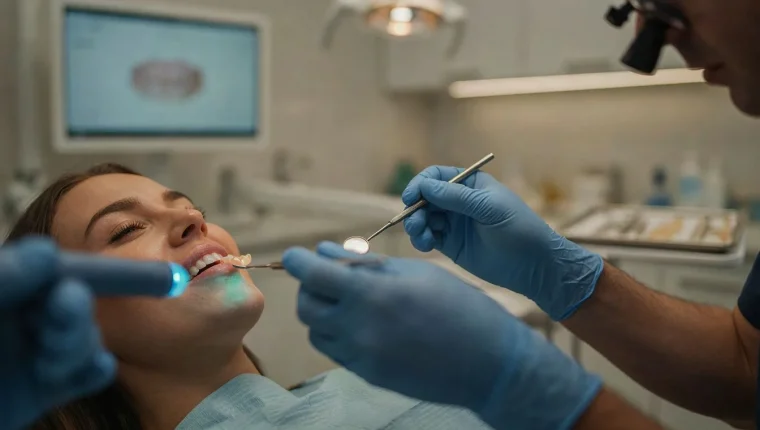
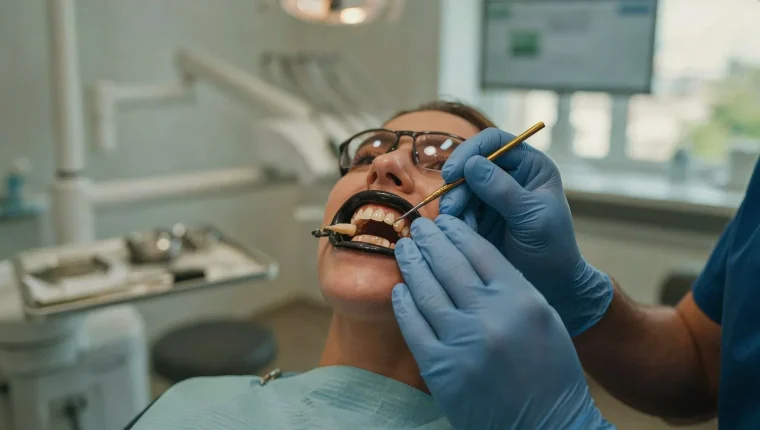
A dental veneer may look like a small cosmetic detail, but its condition can affect the tooth’s appearance, comfort, and protection. If a veneer has chipped, feels loose, has changed color, or makes your bite feel different, it should be assessed rather than ignored. Veneer replacement after dental veneers is not based on age alone. The decision depends on the veneer’s stability, the health of the tooth underneath, and whether the restoration still fits and functions properly. In some cases, a dentist may be able to leave the veneer in place or repair a minor issue. In other cases, replacement is safer and more predictable. A professional examination can find problems that are not visible at home and help determine the best next step to protect the tooth and restore a natural, comfortable result.
Why Do Dental Veneers Need Replacement?
Dental veneers are designed to be durable, but neither the veneer material nor the bond securing it to the tooth remains unchanged forever. Daily biting forces, teeth grinding, acidic foods, and normal aging can gradually place stress on the restoration. Porcelain veneers may chip or fracture, while composite veneers can wear, stain, or lose their surface polish over time.
Replacement may also become necessary when the tooth beneath the veneer changes. Tooth decay, a weakened bond, or movement of the tooth can affect how securely the veneer fits. Changes in the gums, including recession, may expose an edge of the restoration and alter the appearance of the smile. In these situations, the concern is not simply whether the veneer still looks attractive, but whether the restoration and the underlying tooth remain healthy together.
A veneer can therefore need replacement even without a dramatic break. Discoloration, progressive wear, or a change in the bite may mean that the original restoration no longer provides the intended protection or appearance. The key issue is the condition of the veneer-tooth bond, because its stability influences both comfort and long-term tooth health. A dentist must assess the cause before deciding whether replacement, repair, or continued monitoring is appropriate.
Common Signs a Veneer Is Failing
A failing veneer does not always break dramatically. More often, small changes in comfort, appearance, or the way the tooth feels during biting suggest that the restoration is no longer stable or well adapted. Not every change means replacement is necessary, but a persistent or worsening change deserves a dental assessment rather than home repair. Paying attention to these signs can help identify problems before they affect the underlying tooth or require more extensive treatment.
- New looseness or movement: A veneer that shifts, clicks, or feels detached when you speak or eat may have a weakened bond or damage beneath it.
- Chips, cracks, or sharp edges: Visible damage can affect the veneer’s appearance and create areas that irritate the tongue or catch on floss.
- Changes in the bite: If the tooth feels higher, uneven, or uncomfortable when you close your teeth, the veneer may no longer fit the bite properly.
- Persistent sensitivity or pain: Ongoing discomfort, especially with heat, cold, or chewing, can indicate an issue involving the tooth under the veneer.
- Darkening or a visible margin: Discoloration near the edge, gum changes, or a widening gap may signal leakage, gum recession, or altered fit.
A loose veneer, significant crack, sudden pain, or swelling should be assessed promptly. Cosmetic changes such as staining or a noticeable edge may feel less urgent, but they still require professional evaluation because the visible problem may reflect changes in the underlying tooth or the veneer-tooth bond. A dentist can examine the veneer, check the surrounding gums and tooth, and determine whether repair, replacement, or another treatment is appropriate. Avoiding home repair and arranging an assessment can help prevent further damage while preserving the health and appearance of the tooth.
How Dentists Assess Damaged Veneers
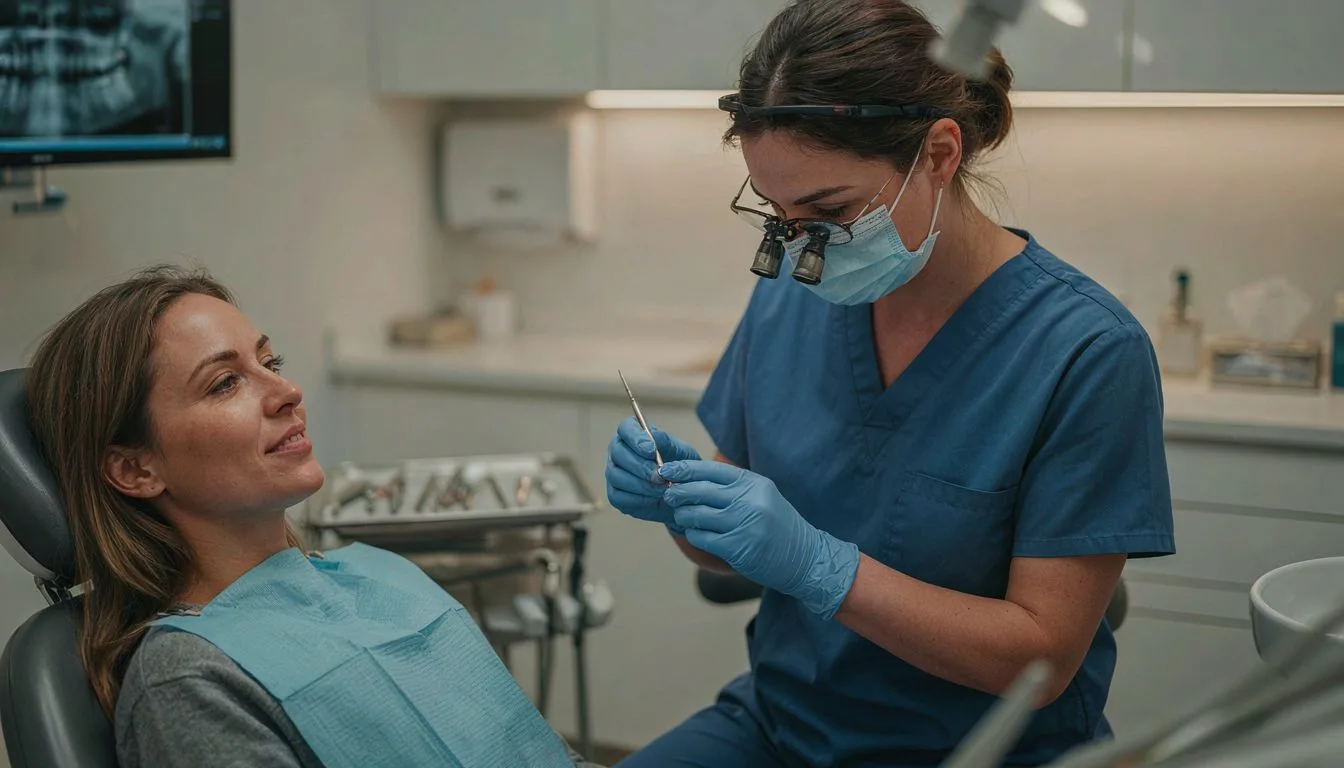
A dentist begins by asking what changed, when it began, and whether the problem followed an impact, biting habit, or recent dental treatment. Your description helps place the concern in context, but symptoms alone cannot show whether the veneer itself is damaged or whether the tooth beneath it is affected.
During the examination, the dentist checks the veneer’s surface, edges, color, position, and relationship with neighboring teeth. They may also assess your bite to see whether excessive contact is putting pressure on the restoration. The gums around the veneer are examined for irritation, bleeding, or signs that the margin is no longer fitting well.
A key part of the assessment is evaluating the veneer-tooth bond. The dentist may gently test the veneer’s stability and inspect for gaps, decay, cracks, or changes in the underlying tooth. If the findings are unclear, dental X-rays or other tests may help assess areas that cannot be seen directly.
These findings guide the recommendation. A stable veneer with a minor surface concern may simply be monitored or, in selected cases, repaired. A weakened bond, significant damage, poor fit, or an unhealthy supporting tooth may make replacement more appropriate. The decision depends on the condition of both the restoration and the tooth, not on one symptom alone.
What Happens During Veneer Replacement?
Replacement usually begins with careful removal of the existing veneer. The dentist loosens and lifts it while protecting the tooth underneath, using techniques that depend on how securely it is bonded and whether it is fractured. Once the veneer is off, the underlying tooth is examined for decay, cracks, enamel loss, or other changes that could affect the new restoration.
The tooth surface may need cleaning or limited preparation before records are taken. Impressions or digital scans capture the shape of the tooth and surrounding teeth, while photographs and shade assessment help the laboratory create a veneer that blends with the smile. If the tooth needs protection or the permanent veneer cannot be fitted immediately, a temporary covering may be placed.
At the fitting appointment, the dentist checks the veneer before permanent placement. Its margins, contact with neighboring teeth, color, and overall shape are assessed, and you may be asked to bite gently so the dentist can evaluate comfort and function. Adjustments can be made at this stage. The key technical step is final bonding: after the tooth and veneer are prepared and kept clean and dry, dental cement secures the restoration in place. Excess material is removed, the bite is checked again, and the veneer is polished for a natural finish.
How to Extend the Life of New Veneers

Protecting a new veneer starts with reducing the daily forces and habits that can strain its bond or affect the tooth beneath it. Consistent home care also helps keep the surrounding gums healthy, because inflammation or plaque buildup can compromise the appearance and comfort of the restoration.
- Clean gently: Brush twice daily with a soft-bristled toothbrush and fluoride toothpaste, and clean between the teeth every day.
- Limit excessive force: Do not bite pens, fingernails, ice, or other hard objects, and avoid using veneered teeth to open packaging.
- Manage staining habits: Coffee, tea, red wine, and tobacco can discolor natural tooth structure around a veneer, even when the veneer itself resists staining.
- Consider protection: A custom night guard may help shield veneers from grinding or clenching forces during sleep.
Regular dental visits allow changes in the restoration, bite, gums, or underlying tooth to be addressed before a minor concern becomes damage. If looseness, a rough edge, or new sensitivity develops, arrange an evaluation rather than adjusting the veneer yourself.
FAQs
When is veneer replacement after dental veneers necessary?
Veneer replacement may be necessary when a veneer becomes cracked, chipped, loose, stained, or worn, or when decay develops around or beneath it. Your dentist may also recommend replacement if the veneer no longer fits properly or the underlying tooth has changed. Regular dental checkups can identify these problems early and help determine whether repair or complete replacement is appropriate.
How long do dental veneers typically last before replacement is needed?
Dental veneers typically last 10 to 15 years before replacement may be needed, although some can last longer with proper care. Their lifespan depends on the material, oral hygiene, bite forces, and habits such as teeth grinding or chewing hard objects. Regular dental checkups can help identify damage or wear early and determine the right time for replacement.
Can a damaged veneer be repaired, or does it require replacement?
A minor chip or edge defect may sometimes be repaired with composite resin, depending on the veneer’s material and the extent of the damage. Cracks, fractures, loosening, or significant damage usually require complete veneer replacement to restore proper fit, appearance, and protection. Your dentist should assess the veneer and underlying tooth before recommending the appropriate option.