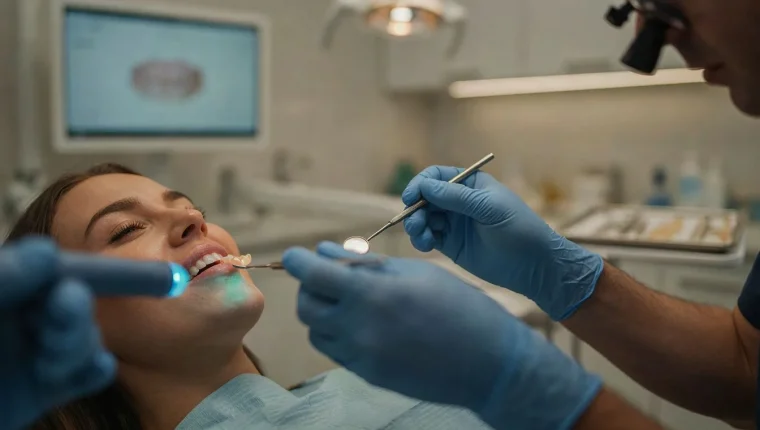
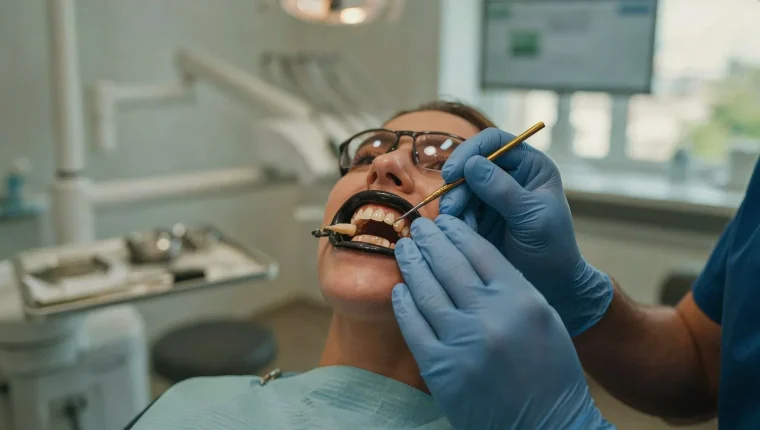
Gum soreness after dental veneers can be normal during healing, especially when the gumline was gently reshaped or exposed during placement. Mild tenderness, sensitivity while brushing, or slight irritation often improves as the tissues settle. However, discomfort that persists, worsens, or affects eating may indicate more than temporary sensitivity. The timing, intensity, and pattern of the soreness can help distinguish routine recovery from irritation caused by the veneer’s fit, contour, or contact with the gums. Pay attention to swelling, bleeding, persistent redness, bad taste, or pain when biting, as these symptoms deserve professional attention. Gentle oral care may support comfort, but a dentist should assess symptoms that do not steadily improve. Knowing what is typical and what is not helps you protect your gums and address a possible problem before it becomes harder to correct.
Why Gum Soreness Happens After Dental Veneers

Veneer placement can leave the gums temporarily sensitive because the procedure brings instruments, retraction, cleaning, and bonding materials close to the gumline. Even when the veneers are properly placed, this contact may cause mild inflammation in the surrounding tissue. Preparation can also expose areas that were previously covered, making the gums feel more reactive while they adjust.
Another common cause is the relationship between the veneer edge and the gum margin. If the edge sits very close to the tissue, the gums may need time to adapt to the new surface. Small amounts of residual bonding material can also irritate the area until they are removed. This does not automatically mean the veneer has failed, but persistent material or an edge that presses on the gums can prevent comfortable healing.
Gum inflammation may also be influenced by plaque collecting around the new restorations. Tenderness can be more noticeable if brushing and flossing feel awkward during the first few days, or if the gums were already mildly irritated before treatment. In some cases, the bite or veneer contour can add pressure during chewing, although the significance of those issues depends on how symptoms develop. The pattern and progression of discomfort are therefore more useful than soreness alone when judging whether the tissue is recovering normally.
What Normal Gum Healing Feels Like

Normal healing usually feels like mild tenderness along the gumline rather than deep, escalating pain. The tissue may feel sensitive when you brush, floss, speak, or eat foods that press against the veneers. Some people also notice a slight tightness, pressure, or awareness around the treated teeth as the gums adjust to the new contours.
The discomfort is typically mild and localized. It may affect the edges of the gums near the veneers without spreading across the mouth. The area can look a little pinker than usual or feel tender to light contact, especially after the placement appointment. These sensations should remain manageable and should not prevent normal eating, gentle oral hygiene, or sleep.
Another reassuring feature is that the gums gradually feel less reactive between daily activities. Brushing with a soft-bristled toothbrush and cleaning carefully along the gumline should become easier, not increasingly uncomfortable. Temporary sensitivity to pressure or temperature can occur, but it should not be accompanied by a persistent throbbing sensation or a feeling that the veneer is cutting into the tissue.
Pay attention to the overall direction of your symptoms rather than judging recovery from one moment. Healing gums may fluctuate slightly after meals or cleaning, yet the general pattern should be mild, limited to the treated area, and settling as the tissue becomes accustomed to the veneers.
How Long Gum Discomfort Should Last
For most people, gum discomfort begins to settle within several days after veneer placement as the surrounding tissue adjusts. The exact timeline can vary, however, depending on how much gum manipulation was involved, the condition of the tissues beforehand, and each person’s healing response. A small amount of tenderness may remain for up to a couple of weeks, but it should gradually become less noticeable.
The direction of your symptoms is more useful than a rigid deadline. Soreness that steadily improves, responds to routine comfort measures, and does not interfere with eating or brushing is generally more reassuring than discomfort that remains unchanged. Temporary sensitivity after adjustments can also take a little time to calm as the gums recover.
Progressive improvement is the key expectation. If discomfort is still significant after the initial healing period, begins worsening instead of easing, or repeatedly returns after seeming to resolve, the recovery may not be following a typical pattern. This does not automatically mean the veneers are failing, but it does suggest that the tissues and veneer area should be assessed rather than watched indefinitely.
Signs of Irritation or Veneer Fit Problems
Healing-related tenderness should gradually become less noticeable. Concern is more justified when the discomfort follows a different pattern, especially if it becomes stronger after initially improving or remains focused around one veneer. These changes can indicate that the gum is being repeatedly irritated or that the restoration needs a closer fit assessment. Paying attention to changes in appearance, chewing comfort, cleaning, and sensitivity can help distinguish expected healing from signs that require professional review.
- Persistent redness or swelling: Gum tissue that stays puffy, bleeds easily, or looks increasingly inflamed around one veneer may be reacting to plaque retention, a rough margin, or pressure from the restoration.
- A veneer that feels bulky: A contour that seems too thick near the gumline can make cleaning difficult and may cause ongoing rubbing or localized soreness.
- Sharp sensitivity when biting: Pain when the teeth meet, particularly on one veneered tooth, may point to an occlusion or fit concern rather than surface gum healing alone.
- Food repeatedly catching in one area: A new gap or ledge that traps food can irritate the surrounding gum and deserves professional evaluation if it continues.
- Unusual discharge, bad taste, or worsening tenderness: These symptoms are not typical signs of simple recovery and should not be dismissed as normal sensitivity.
The pattern matters more than a single mildly uncomfortable moment. A veneer fit problem can continue irritating the same tissue each time you chew or brush, preventing the expected improvement. Avoid trying to reshape the veneer yourself; a dentist can examine the gum margin, contact points, and bite to determine whether the restoration or another issue is responsible. Seeking advice promptly is particularly important when symptoms are worsening, persist despite careful hygiene, or are accompanied by discharge, a bad taste, or significant pain. A professional assessment can identify the cause and help protect the surrounding gum and the veneer.
When to Contact Your Dentist for Relief
For mild discomfort, keep the area clean with gentle brushing and follow the aftercare instructions provided by your dental office. Avoid picking at the gumline or repeatedly testing the veneer with your tongue. If you use an over-the-counter pain reliever, choose only one that is safe for you and follow the label directions; your dentist or pharmacist can help if you are unsure.
Contact your dentist if soreness is not improving, interferes with eating, or returns after initially settling. Arrange a prompt evaluation for increasing swelling, unusual discharge, a persistent bad taste, or significant pain when biting. These changes may indicate ongoing irritation or a veneer fit concern rather than routine healing.
Timely dental evaluation allows the dentist to examine the gums, veneer margins, and bite together. That assessment can identify the source of discomfort and determine whether professional cleaning, monitoring, or an adjustment is appropriate.
FAQs
How long does gum soreness after dental veneers usually last?
Gum soreness after dental veneers usually improves within a few days and may last up to one or two weeks as the tissues adjust. Gentle brushing, flossing, and following your dentist’s aftercare instructions can support healing. Contact your dentist if the soreness worsens, persists beyond two weeks, or occurs with significant swelling, bleeding, or severe pain.
Is gum soreness after veneers normal, or could it indicate a problem?
Mild gum soreness is common for a few days after veneers as the tissues adjust to the procedure. However, persistent or worsening pain, swelling, bleeding, pus, bad taste, or sensitivity may indicate irritation, an improper veneer fit, or gum infection. Contact your dentist if symptoms do not improve within a few days or if they become severe.
What can relieve gum soreness after dental veneers?
Rinsing gently with warm salt water, using a soft-bristled toothbrush, and applying a cold compress can help reduce gum soreness after veneers. Over-the-counter pain relief may also help if it is safe for you to take. Contact your dentist if soreness worsens, persists beyond a few days, or occurs with swelling, bleeding, or an uneven bite.