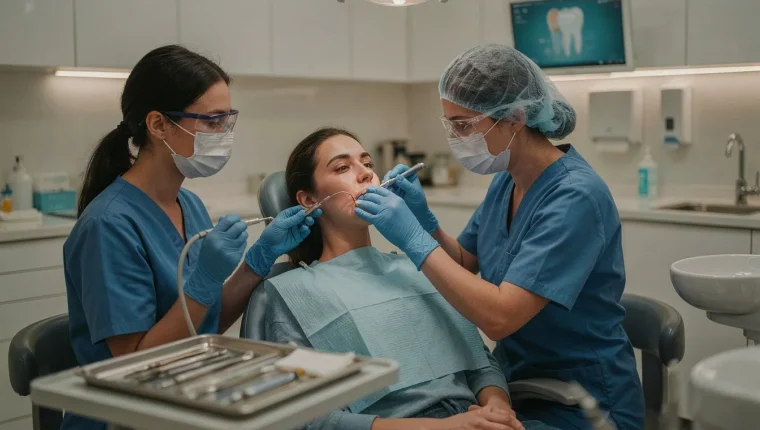
Dental veneers can improve the color, shape, and appearance of teeth, but they are not risk-free cosmetic treatments. These thin coverings are bonded to natural tooth surfaces, so dental veneers safety risks depend on more than the material used. Your oral health, bite, gum condition, tooth preparation, treatment planning, and long-term maintenance all influence the outcome. Well-planned veneers may provide lasting cosmetic benefits, while unsuitable treatment or poor care can contribute to sensitivity, chipping, gum irritation, or damage to the underlying tooth. Some veneers require permanent removal of enamel, making the decision difficult to reverse. A safe choice begins with realistic expectations, healthy supporting tissues, and an experienced dental professional who can assess whether veneers suit your teeth and goals.
What Are Dental Veneers and How Safe Are They?
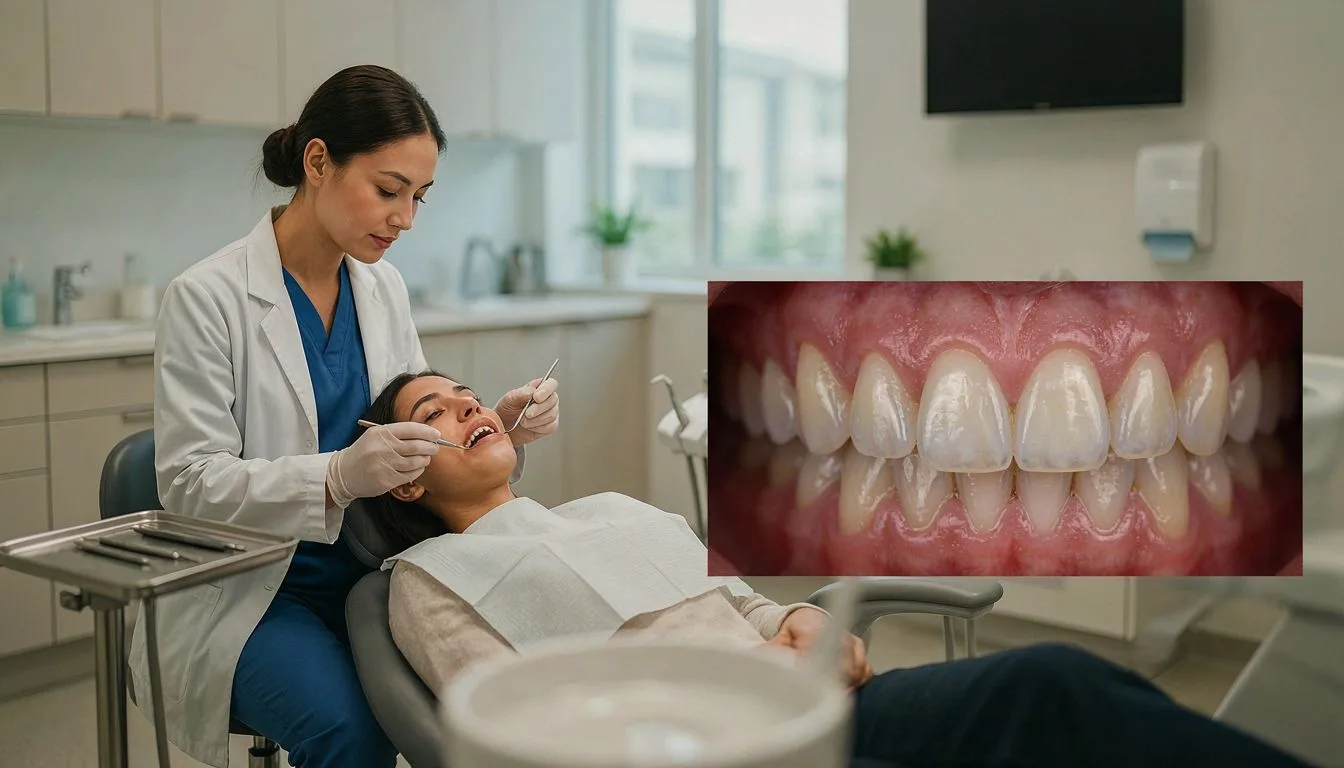
Dental veneers are thin coverings made from materials such as porcelain or composite resin. They are bonded to the visible surfaces of teeth to change their color, shape, size, or minor spacing. Although the procedure is generally controlled and planned in stages, it is not entirely reversible when enamel must be removed to create space for the veneer.
Their safety depends largely on careful diagnosis and conservative treatment planning. A dentist must assess the condition of the teeth, bite, gums, and available enamel before recommending veneers. Factors such as the chosen material, the amount of tooth preparation, and the quality of the bonding procedure can all affect how well the restorations perform over time.
Conservative tooth preparation is especially important because preserving healthy enamel can support a more reliable bond and reduce unnecessary alteration of the natural tooth. Veneers placed on unsuitable teeth, designed without considering the bite, or maintained poorly may be more likely to create problems. A personalized professional assessment is therefore essential, even when the cosmetic change appears straightforward.
Who Is a Good Candidate for Veneers?
Good candidates for veneers generally have healthy teeth and gums, enough sound enamel for predictable bonding, and realistic expectations about what cosmetic treatment can and cannot change. A dentist should first confirm that the teeth are stable and that concerns such as sensitivity, discoloration, or uneven shape are suitable for veneers rather than another treatment.
Untreated cavities, active gum disease, or poorly controlled oral-health problems should usually be addressed before cosmetic treatment. Significant enamel loss, severe tooth wear, cracks, or a history of extensive restorations may affect how securely veneers can be placed and whether another option would provide better long-term support. These conditions do not automatically rule out veneers, but they require careful professional evaluation and planning.
Bite forces and daily habits also matter. Severe clenching or grinding, known as bruxism, can increase stress on veneers, while nail biting, chewing ice, opening packages with the teeth, or using teeth as tools may make treatment less suitable. A dentist may need to assess the bite and discuss protective measures before proceeding.
Stable oral health is therefore a key consideration. Patients who maintain regular dental care, follow recommended hygiene practices, and understand that veneers require ongoing maintenance are generally better positioned for a predictable result.
Common Risks and Side Effects of Dental Veneers
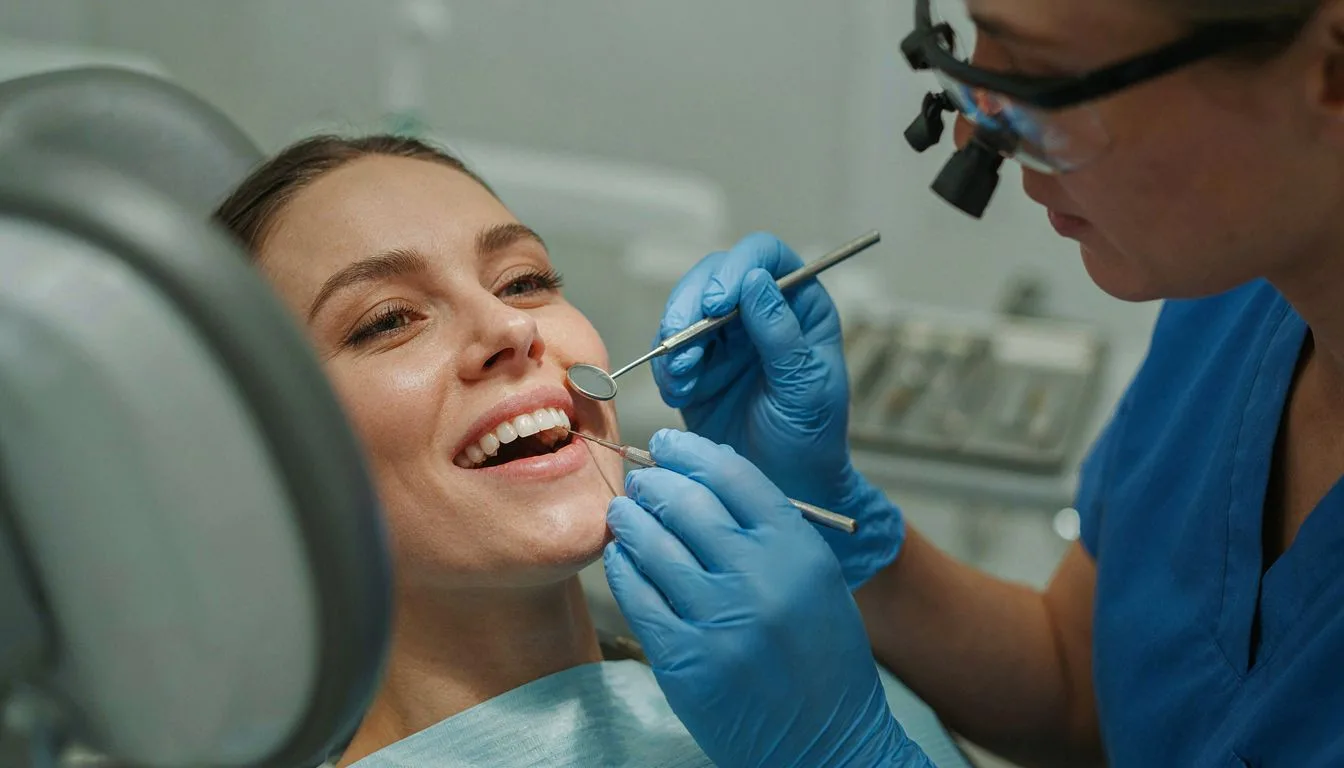
Most veneer complications are manageable, but they can affect comfort, appearance, or the function of your bite. Mild sensitivity to cold or pressure may occur after placement and often improves as the teeth and surrounding tissues adjust. Temporary tenderness or a slightly unfamiliar feeling when chewing can also be normal during the early adjustment period.
Some symptoms deserve closer attention. Persistent or worsening sensitivity, sharp pain when biting, or discomfort limited to one tooth may indicate an underlying issue rather than routine adjustment. Gum irritation, bleeding, or swelling can develop when the veneer edge is overcontoured, rough, or difficult to clean. A changed bite may feel minor at first, but ongoing uneven contact can place excessive force on the restoration or the opposing teeth.
Veneers may also chip, crack, loosen, or come off. These problems are more likely when bonding is compromised or when the restoration is exposed to strong bite forces, teeth grinding, nail biting, or hard objects. A loose veneer should not be glued back at home; it needs professional assessment to check the veneer, tooth, and bonding surface.
Veneer debonding can result from preparation, moisture control, material choice, bite forces, or individual oral-health conditions. Contact a dentist promptly if a veneer moves, a sharp edge develops, pain persists, swelling appears, or your bite suddenly feels different. Early evaluation can distinguish a normal adjustment from bonding failure, poor fit, decay, or another dental condition.
How Veneers May Affect Natural Teeth and Gums
Preparing a tooth for a veneer can affect more than its visible appearance. Enamel removal is irreversible, so the amount prepared should be clinically justified and limited to what is needed for the veneer’s material, shade, and fit. If preparation extends into dentin, the tooth may become more sensitive because dentin transmits temperature changes more readily than enamel.
A veneer does not protect a tooth from decay. Plaque can collect around an overhanging or poorly finished edge, particularly where the veneer meets the gumline. Over time, this may increase the risk of recurrent decay or make cleaning difficult. Accurate margins help create a smoother transition and support easier hygiene, while preserving a healthy distance from the gum tissue can reduce irritation.
Gum inflammation may develop when margins are bulky, poorly positioned, or difficult to clean. Symptoms can include redness, swelling, bleeding, or persistent tenderness. The bite also matters: excessive contact or uneven forces may place stress on the veneered tooth and its supporting tissues. A careful bite assessment before bonding and after placement helps identify these problems early.
Regular professional monitoring allows a dentist to check the margins, enamel and dentin exposure, gum condition, and neighboring teeth. If sensitivity, bleeding, or discomfort persists, prompt evaluation can help determine whether the cause is plaque retention, decay, bite pressure, or another dental condition.
How to Reduce Complications and Protect Veneers
Reducing veneer complications starts with careful planning rather than cosmetic treatment alone. Arrange a comprehensive dental examination and ask about alternatives, the amount of preparation required, the proposed material, total costs, and expected maintenance. Any decay, gum disease, an unstable bite, or untreated grinding should be addressed before veneers are bonded, because these problems can compromise comfort and longevity.
After placement, brush gently with a soft-bristled toothbrush and fluoride toothpaste, clean between the teeth daily, and avoid biting hard objects or using veneered teeth to open packaging. If you clench or grind, ask your dentist whether a custom night guard is appropriate. Regular follow-up visits allow early detection of cracks, loosening, gum changes, or problems with the bite. Consistent preventive maintenance protects both the veneers and the natural teeth supporting them.
FAQs
Are dental veneers safe for long-term use?
Yes, dental veneers are generally safe for long-term use when properly placed and maintained by a qualified dentist. Porcelain veneers can last 10–15 years or longer, while composite veneers typically have a shorter lifespan. Good oral hygiene, regular dental visits, and avoiding habits such as biting hard objects help protect them, although veneers may eventually need repair or replacement.
What are the most common risks and side effects of dental veneers?
Common risks include tooth sensitivity, gum irritation, chipping or cracking, and veneers becoming loose or discolored over time. Because some enamel is usually removed, the procedure is generally irreversible, and poorly fitted veneers may increase plaque buildup or affect the bite. Good oral hygiene and regular dental checkups help reduce these complications.
How can I reduce dental veneers safety risks before treatment?
Choose a qualified, licensed dentist and ask about their experience, materials, and expected outcomes. Share your complete medical and dental history, including allergies, medications, gum problems, tooth grinding, and any existing decay, and complete recommended examinations before treatment. Address untreated oral health issues first and discuss conservative alternatives, maintenance needs, and risks specific to your teeth.