After dental veneers are placed, recovery usually involves adapting to changes in your bite, tooth shape, and mouth sensation rather than tissue healing. Mild sensitivity, unfamiliar fullness, or slight awareness when speaking and chewing can occur as you get used to the veneers. Most people return to normal activities quickly, but comfort and confidence may settle at different speeds depending on the number of veneers, the condition of the teeth underneath, and individual sensitivity. A realistic dental veneers recovery timeline allows for gradual adjustment rather than expecting everything to feel completely natural immediately. Good oral care, sensible food choices, and attention to how your bite feels can support a smoother transition, while persistent or worsening problems deserve professional assessment.
What Happens Immediately After Veneer Placement
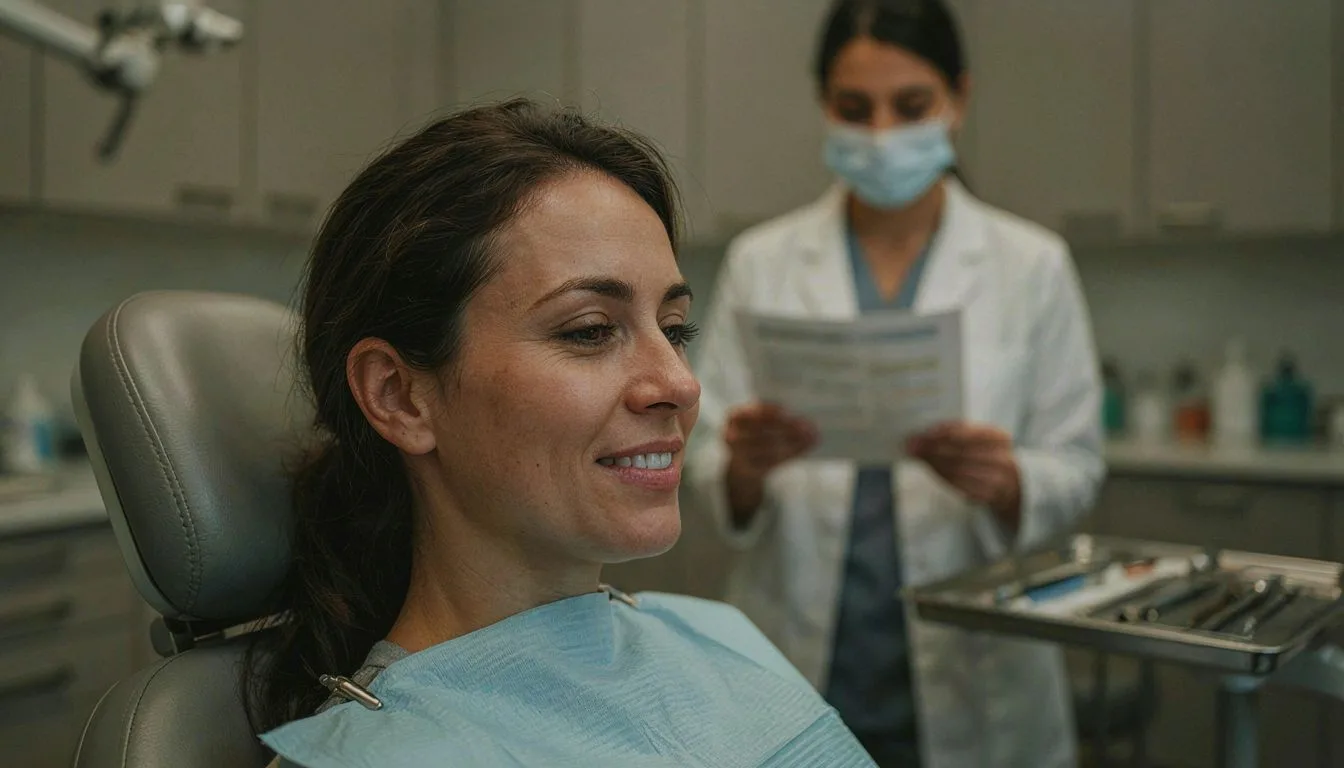
In the first hours after veneer placement, your mouth may feel unfamiliar even when the procedure itself was comfortable. Local anesthesia can leave your lips, cheeks, or gums numb, while the new restorations may make your teeth feel slightly different when you close your mouth. Mild gum sensitivity or a feeling of pressure around the treated teeth can also occur as the surrounding tissues settle.
While sensation is reduced, avoid chewing until feeling has returned. This helps prevent accidentally biting your cheek or tongue and reduces the risk of burning your mouth with hot food or drinks. Follow your dentist’s specific instructions about eating, brushing, and any temporary restrictions, since recommendations can vary depending on the bonding procedure and your individual treatment.
Before leaving the office, pay attention to how your teeth meet when you bite gently. Bite alignment should feel natural rather than noticeably high or uneven. If one veneer seems to contact first, or your bite feels uncomfortable once the numbness fades, tell the dental office promptly so the restoration can be evaluated and adjusted if needed.
Days 1–3: Managing Sensitivity and Discomfort
During the first one to three days, mild sensitivity is common as your teeth and surrounding tissues adjust to the veneers. Cold drinks, hot foods, or cool air may trigger a brief sharp sensation, while biting can feel slightly different because the new surfaces are still becoming familiar. This discomfort should generally be manageable and gradually less noticeable.
You may also notice pressure awareness or tenderness along the gums, particularly if the gumline was gently shaped or irritated during placement. Keeping foods and drinks at moderate temperatures can reduce stimulation during this early period. Follow your dentist’s specific guidance about eating and oral care, and choose softer options if chewing feels uncomfortable without forcing pressure on sensitive areas.
If your dentist has confirmed that an over-the-counter pain reliever is appropriate for you, use it only as directed on the label or according to the dental office’s instructions. Avoid starting prescription medication or changing a recommended dose without professional advice. A useful way to judge recovery is to watch the pattern: symptoms that steadily improve are usually more reassuring than discomfort that intensifies, spreads, or remains unchanged.
Gum tenderness may ease over several days, while sensitivity can fluctuate depending on temperature and pressure. Try to avoid repeatedly testing the veneers with very hot, cold, or hard items. Contact your dental office if discomfort becomes difficult to control or does not follow the improvement pattern your dentist described; they can determine whether an adjustment or examination is needed.
The First Week: Eating, Speaking, and Daily Care

During the first week, most people can begin returning to ordinary meals and routines, but a little caution helps protect the new veneers while the mouth adapts. Choose softer, manageable foods at first, cut firmer foods into small pieces, and chew with the back teeth rather than biting directly into hard items with the veneered teeth.
Avoid chewing ice, hard candy, fingernails, pens, or other objects, since these habits can place excessive force on the veneers. Sticky foods may also feel awkward while your bite is still settling. If a particular food causes pressure or discomfort, set it aside and try again later instead of forcing through it.
Speech may sound slightly different at first, especially with “s,” “f,” or “th” sounds, because the tongue is adjusting to the veneers’ new contours. Reading aloud or having relaxed conversations can help you become familiar with the changed sensation. There is no fixed adaptation schedule; speech usually becomes more natural as coordination improves.
Continue brushing and flossing according to your dentist’s instructions. Clean gently along the gumline, where plaque can collect around veneer edges, and avoid scrubbing aggressively. Floss should pass between the teeth without being snapped downward. Use any recommended toothpaste or rinsing products, particularly if sensitivity remains noticeable.
Pay attention to comfort during meals, speaking, brushing, and other normal activities. A mild sense of unfamiliarity can be expected, but persistent pressure or a feeling that one tooth contacts first should not be ignored. These changes may indicate that your dentist should review the fit or bite.
Weeks 2–4: Adjusting to Your New Smile
By the second week, the veneers often begin to feel less noticeable as your tongue, lips, and jaw become familiar with their shape and texture. You may still notice the edges or feel slightly more aware of your teeth when chewing, but this awareness should gradually become less distracting. Your bite may also feel different as you learn how the restored teeth meet during normal eating and speaking.
Speech usually becomes more natural with practice, particularly if the veneers initially affected sounds such as “s” or “f.” Confidence can follow a similar pattern: looking in the mirror or seeing your smile in photographs may feel unusual before it starts to feel like your own. There is no universal deadline for this adjustment, so progress is better judged by increasing comfort and ease in daily activities.
If your teeth still feel as though they meet unevenly, one area consistently takes pressure, or chewing remains uncomfortable, a follow-up visit can be useful. Your dentist can assess the bite relationship and make a minor adjustment when appropriate. Normal adaptation should trend toward greater comfort; ongoing functional difficulty deserves professional review rather than continued self-adjustment.
When to Contact Your Dentist During Recovery
Recovery should generally become more comfortable as the days pass, and mild awareness, speech changes, or appearance-related questions may be part of becoming accustomed to the veneers. Contact your dentist if a new symptom appears, a problem stops improving, or something feels mechanically wrong rather than simply unfamiliar. Early advice can often prevent a minor adjustment issue from becoming more disruptive. Pay attention to changes in comfort, bite, the condition of the veneer, and the surrounding gums so that concerns can be assessed at the appropriate time.
- Worsening pain or persistent sensitivity: Pain that intensifies, interferes with sleep, or does not gradually settle deserves professional evaluation.
- A high or uneven bite: If one veneer feels as though it contacts first, or your bite remains noticeably uncomfortable, your dentist may need to check the bite alignment.
- Damage or movement: A loose, chipped, cracked, or displaced veneer should be reported promptly. Do not try to glue or reposition it yourself.
- Gum changes or infection signs: Significant swelling, ongoing bleeding, pus, fever, or a bad taste can require prompt dental advice.
Routine questions about speech, appearance, or mild awareness can usually be addressed at a scheduled follow-up, but sudden changes should not be ignored. Your dentist can determine whether an adjustment, examination, or additional treatment is needed and can help protect the veneer and the underlying tooth. If a veneer comes off completely or severe swelling affects breathing or swallowing, seek urgent care immediately.
FAQs
How long does the dental veneers recovery timeline usually take?
Most people adjust to dental veneers within a few days, although mild sensitivity or gum tenderness can last up to one or two weeks. The veneers themselves do not require a lengthy healing period, but your bite and speech may take a short time to feel completely natural. Contact your dentist if discomfort persists, worsens, or affects your ability to eat.
What should I eat during recovery after getting dental veneers?
Choose soft, lukewarm foods such as yogurt, eggs, soup, mashed vegetables, pasta, and smoothies during the first few days. Avoid hard, crunchy, sticky, or chewy foods, as well as very hot or cold items, which may irritate your teeth or put pressure on the veneers. Gradually return to your usual diet as your dentist recommends.
When can I return to normal brushing and flossing after veneers?
You can usually resume normal brushing and flossing immediately after veneers are placed, unless your dentist gives different instructions. Use a soft-bristled toothbrush, fluoride toothpaste, and gentle flossing to protect the veneers and your gumline. If your gums feel tender, brush carefully and avoid forcing the floss.