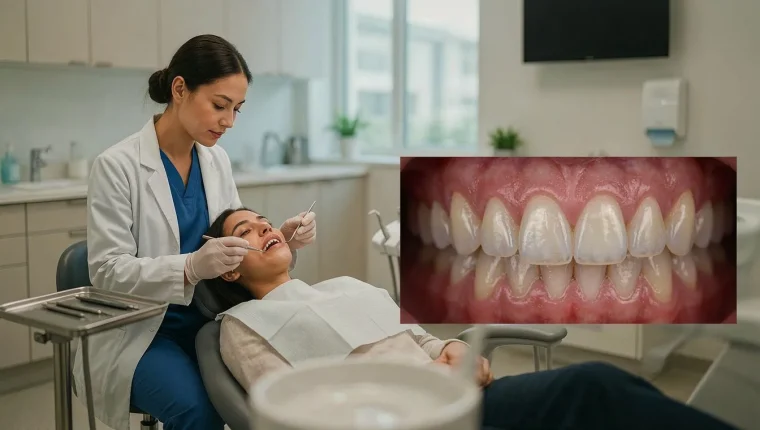
Dental veneers usually cause little to moderate discomfort, but the experience varies from person to person. Tooth preparation, existing sensitivity, gum health, and your pain response can affect how treatment feels. Local anaesthetic helps keep the procedure comfortable, but you may notice pressure, vibration, or tenderness afterward. After the veneers are placed, your teeth may feel sensitive to cold, heat, or biting for a short time as you adjust to the new surfaces. Good planning and clear communication with your dentist can make the process easier, but no responsible provider should promise a completely pain-free experience. Understanding what may happen before, during, and after treatment helps you make a confident decision and recognise discomfort that does not follow a normal recovery pattern.
What Does Getting Dental Veneers Feel Like?
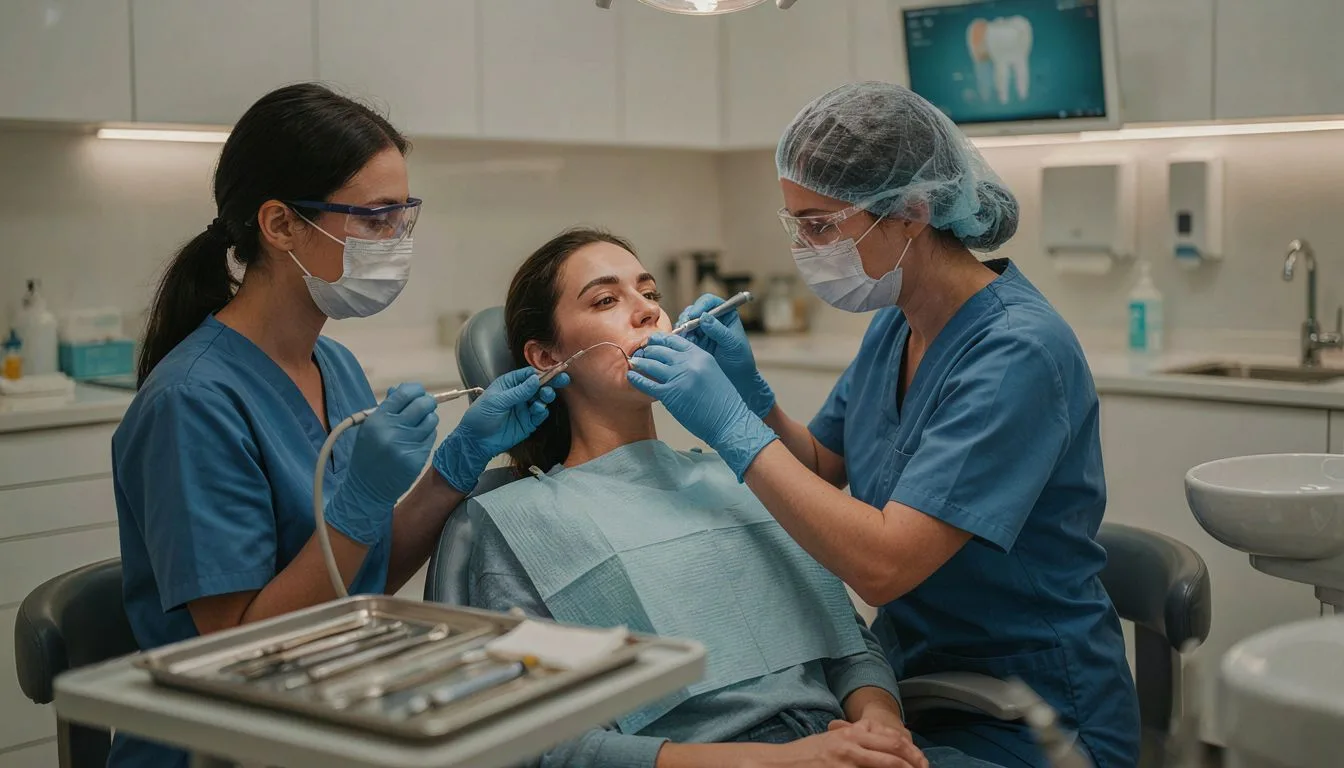
Getting dental veneers often feels more like pressure and vibration than sharp pain. Before treatment begins, your dentist may use local anesthesia if the teeth require preparation, which numbs the area while you remain awake. You may still notice movement, water, suction, or firm pressure, but these sensations should not be painful. The amount of preparation varies: some teeth need minimal reshaping, while others require more enamel removal, which can affect sensitivity and comfort.
During impressions or digital scans, you may feel pressure from the scanning device or impression material against your teeth and gums. This part is usually brief. If temporary veneers are placed, they can feel slightly unfamiliar at first, particularly when you bite, speak, or move your tongue across them. Mild sensitivity may also occur if the underlying enamel has been altered.
At the final appointment, the veneers are tried in and adjusted before bonding. You may feel pressure as they are positioned and checked, followed by the vibration of polishing or bite adjustments. Once the anesthetic wears off, tell your dental team if any area feels uncomfortable or unusually sensitive. They can pause, provide additional numbing, or make an adjustment so the appointment remains manageable.
How Much Pain Do Dental Veneers Cause?
For most patients, the level of discomfort from veneers is manageable rather than severe. Local anesthesia can make tooth preparation essentially painless, although you may still notice pressure, vibration, or movement while the dentist works. These sensations can feel unusual, but they do not necessarily indicate that anything is wrong.
After the anesthetic wears off, the teeth and surrounding gums may feel mildly sore or sensitive. Cold drinks, hot foods, or pressure from biting can temporarily feel more noticeable, particularly if a small amount of enamel was removed during preparation. Patients who already have sensitive teeth, gum irritation, tooth wear, or a history of dental discomfort may experience the procedure more strongly than someone without these concerns.
The amount of enamel preparation also matters. Minimal-preparation or no-preparation veneers may involve less irritation, while teeth requiring more reshaping can be more tender afterward. Even so, discomfort is generally expected to remain limited. Short-term sensitivity is usually more typical than intense, persistent pain.
Individual pain responses vary, so one person’s experience cannot reliably predict another’s. Your dentist can adjust anesthesia, pause during treatment, and check the fit of the veneers if you feel uncomfortable. The length and severity of sensitivity after placement are addressed separately as part of the normal recovery process.
Which Steps During Treatment May Feel Uncomfortable?

Veneer treatment is completed in stages, and each stage can create a different sensation. Knowing what may feel uncomfortable helps you distinguish ordinary dental pressure from pain that should be addressed during the appointment. Your dentist should explain the planned extent of preparation in advance, since the amount of enamel removed varies according to the tooth, veneer design, and bite. Understanding these steps can make the appointment feel more predictable and help you communicate your comfort needs clearly.
- Examination and planning: Taking photographs, checking your bite, and discussing the desired shape are generally comfortable, although holding your mouth open for an extended time may cause jaw fatigue.
- Tooth preparation: Local anesthetic should reduce pain during enamel shaping. You may still notice pressure, vibration, water spray, or brief gum tenderness rather than sharp pain.
- Impressions or digital scans: Traditional impression material can feel bulky and may trigger a short-lived gagging sensation. Digital scanning usually involves a small handheld camera moving around the teeth.
- Temporary veneers: If temporaries are used, they may feel unusual against the tongue or slightly tender near the gums. Temperature sensitivity can also occur while you wear them.
- Bonding and placement: Try-in materials, rinsing, suction, and the pressure used to seat the veneers may feel noticeable, but sharp pain should be reported immediately.
Communicating throughout the appointment is important. Ask for a pause if you feel strain, and tell the dentist if numbness seems insufficient before preparation begins. Clear communication allows the team to adjust comfort measures rather than expecting you to tolerate unnecessary pain. Mild pressure, vibration, jaw fatigue, gum tenderness, or temporary sensitivity can be ordinary parts of treatment, while sharp pain should always be reported immediately.
What Is Recovery Like After Veneer Placement?
After veneer placement, the first few days are usually an adjustment period rather than a prolonged recovery. Your teeth may feel different when you close your mouth, and the treated teeth can respond to hot, cold, sweet foods, pressure, or biting. This temporary sensitivity often settles as the teeth and surrounding tissues adapt, although the duration varies depending on the extent of preparation and individual response.
Choose softer foods initially and avoid biting directly into very hard or sticky items. Eating slowly and using the opposite side of the mouth can reduce pressure while your bite feels unfamiliar. Continue gentle brushing and flossing around the veneers, following any specific instructions from your dentist. Good oral hygiene helps protect the teeth beneath and around the restorations.
It is reasonable to monitor whether discomfort is gradually improving. Sensitivity that remains strong, becomes worse, affects one tooth disproportionately, or occurs with persistent pain during biting should not be dismissed as routine recovery. Contact your dentist for advice, especially if a veneer feels high, loose, or unusually sharp, since a simple review may identify a bite or fit issue.
When Should Veneer Pain Be Checked by a Dentist?
Some discomfort after veneer placement is expected, but symptoms that are intense, worsening, or slow to settle deserve professional attention. Contact your dental office if pain remains significant beyond the early recovery period, interferes with sleep or daily activities, or becomes more noticeable instead of gradually improving. Marked sensitivity to hot, cold, or pressure should also be assessed, particularly when it affects one tooth.
Persistent pain when biting can indicate that the veneer or bite needs adjustment, while swelling, fever, pus, or increasingly red and tender gums may point to infection or inflammation. A veneer that feels loose, sharp, unusually high, or uncomfortable when you close your teeth should be checked rather than left to adapt on its own. Seek urgent dental advice for facial swelling, severe pain, or difficulty swallowing or breathing. Even without a clear timeline, unusual symptoms are a valid reason to request an examination.
FAQs
How painful are dental veneers during the procedure?
Most people experience little to no pain during dental veneer placement because the dentist can use local anesthetic to numb the teeth and gums. You may feel pressure, vibration, or mild sensitivity afterward, especially to hot and cold, but this usually improves within a few days.
What can help relieve dental veneers pain afterward?
Over-the-counter pain relievers such as ibuprofen or acetaminophen can help, if they are safe for you and used as directed. Rinsing gently with warm salt water and avoiding very hot, cold, hard, or sticky foods may also reduce discomfort while your teeth adjust. Contact your dentist if pain is severe, worsens, lasts more than a few days, or comes with swelling, because the veneer or underlying tooth may need evaluation.
How long does sensitivity last after getting dental veneers?
Sensitivity after dental veneers usually lasts a few days to two weeks as your teeth and gums adjust. It should gradually improve, but persistent, worsening, or severe sensitivity may indicate an issue with the veneer or underlying tooth and should be evaluated by your dentist.