For US patients, choosing dental veneers in Istanbul involves more than booking a flight and selecting a package. It is a cross-border healthcare decision requiring careful planning around clinical suitability, dentist selection, treatment logistics, pricing, communication, and follow-up. This guide explains practical questions to consider before committing and helps you compare providers without treating advertisements or estimated costs as guarantees. It also clarifies what can be assessed in advance and what requires an individual dental examination, so you can approach treatment abroad with realistic expectations.
Why US Patients Choose Dental Veneers in Istanbul
For many US patients, Istanbul is attractive because it can combine access to experienced cosmetic dentistry with coordinated care for international visitors. Clinics that regularly treat overseas patients may offer remote consultations, airport transfers, interpreter support, and appointment scheduling that fits a limited travel window. These services can make the process easier to organize, particularly for patients who want several visits managed within one trip.
However, convenience varies by provider and should be confirmed before booking. Ask how the clinic handles medical records, treatment changes, urgent concerns, and communication after you return home. The decision should also reflect your dental goals rather than location alone. Individual candidacy determines whether veneers are appropriate, how much tooth preparation may be needed, and whether the proposed shape and shade can produce a natural result. A thorough examination, photographs, and clear discussion of alternatives are essential before committing to treatment abroad.
How the Veneer Treatment Process Works

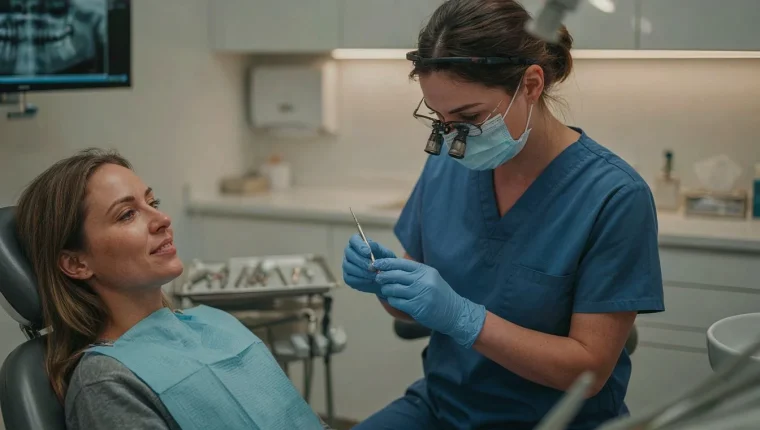
The veneer journey usually begins before you book a flight. During a remote consultation, the dentist may review photographs, dental records, X-rays, and your goals for tooth shape, color, and alignment. This preliminary discussion can identify obvious concerns, but an in-person examination is still needed to assess gum health, enamel, cavities, bite forces, and whether veneers are appropriate for your individual candidacy.
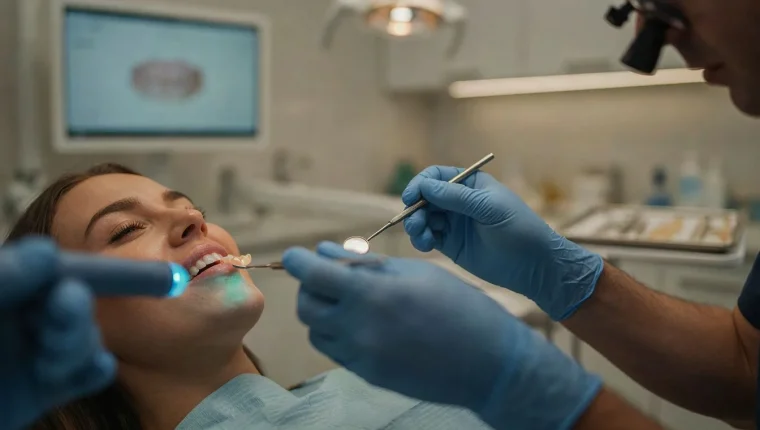
At the clinic, the dentist typically develops a smile plan and discusses the proposed material, shade, tooth proportions, and laboratory process. A bite evaluation is especially important because clenching, grinding, or an uneven bite can affect comfort and veneer longevity. Ask whether a digital preview, wax-up, or trial smile will be available before any permanent changes are made.
If treatment proceeds, a small amount of enamel may be prepared when necessary, although the extent varies by case and technique. Impressions or digital scans are then sent to the dental laboratory. Where applicable, temporary veneers protect the prepared teeth and allow you to assess appearance, speech, and comfort while the final restorations are being made.
At the placement visit, the dentist checks fit, contacts, shade, and bite before bonding the final veneers. Confirm in advance how many visits are expected, who performs the laboratory work, how revisions are handled, and what happens if a veneer requires adjustment. The exact sequence and number of appointments are provider-specific and should be documented in your treatment plan.
Costs, Savings, and What the Package Includes

Compare veneer quotes by looking beyond the advertised price. A reliable estimate should explain whether the consultation, dental examination, imaging, tooth preparation, laboratory work, temporary veneers, and final restorations are included. It should also identify the planned veneer material, number of teeth, and any conditions that could change the treatment plan.
The most useful document is an itemized written treatment plan, rather than a headline package price or an assumed percentage of savings. Ask whether the quoted amount includes local taxes, laboratory fees, adjustments, and routine communication with the clinic. If the provider cannot clearly explain what you are paying for, comparing that quote with another clinic becomes difficult.
Budget separately for flights, accommodation, meals, airport or hotel transfers, travel insurance, prescribed medication, and possible dental repairs. A package may include transportation while excluding hotel nights, or cover one consultation but not additional imaging or treatment for decay, gum disease, or an unsuitable tooth. Clarify cancellation terms and payment stages before booking.
Also ask how complications, damaged temporaries, or an unsatisfactory fit would be handled after you return to the United States. The least expensive initial quote may not represent the lowest overall cost if correction visits, replacement work, or local dental care become necessary.
How to Check Dentist Credentials and Clinic Standards
Before committing to treatment abroad, verify the people and systems responsible for your care—not just the clinic’s marketing. A polished website can show attractive results, but it cannot confirm who will perform the procedure, how decisions are made, or what happens if concerns arise. Begin by requesting the treating dentist’s full name, professional registration details, and documented experience with restorative and cosmetic cases similar to yours. You should also assess whether the clinic follows appropriate standards throughout the consultation, diagnosis, treatment planning, and follow-up process. These checks can help you distinguish a provider with transparent clinical systems from one that relies mainly on persuasive advertising.
- Professional registration: Confirm the dentist’s license with the relevant Turkish authority and ask who is legally responsible for diagnosis, preparation, placement, and consent.
- Clinical records: Expect an examination, appropriate imaging, photographs, and a documented assessment rather than a quote based only on submitted pictures.
- Facility standards: Ask about sterilization protocols, infection-control procedures, equipment maintenance, and whether veneers are produced through an identified dental laboratory.
- Case evidence: Review authenticated before-and-after records, while treating testimonials and social media images as supplementary evidence rather than proof of typical results.
- Policies and communication: Obtain written consent, revision or warranty terms, complaint procedures, and a reliable contact for urgent questions before traveling.
These details should be considered together rather than evaluated in isolation. A clinic may present strong case evidence, for example, but still provide insufficient information about licensing, laboratory arrangements, or aftercare. Clear documentation and consistent answers indicate that the provider has considered both the clinical and practical responsibilities of treatment abroad.
A trustworthy provider should answer these questions clearly and without pressuring you to pay immediately. Vague credentials, inconsistent explanations, reluctance to share records, or package promises that replace clinical evaluation are practical reasons to pause and seek another opinion.
Aftercare, Travel Timing, and Long-Term Results
Plan your return journey around the expected recovery period rather than the clinic’s appointment schedule alone. Sensitivity, gum irritation, or changes in bite can occur after placement, and temporary restorations may require extra care if they are used before the final veneers are fitted. Allow enough time for any recommended review, adjustment, or unexpected clinical assessment before flying home.
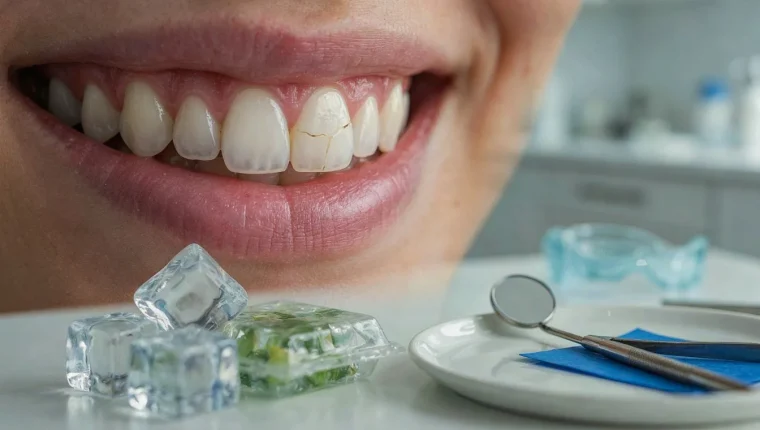
During the first days, follow the dentist’s instructions on brushing, flossing, food texture, and temperature sensitivity. Avoid biting hard objects, opening packages with your teeth, and habits such as nail biting or chewing ice. Patients who grind or clench may need a professionally made night guard, since excessive bite force can damage veneers or the underlying teeth.
Long-term care remains essential after you leave Istanbul. Maintain thorough oral hygiene, attend regular examinations and professional cleanings, and ask a US dentist to monitor your gums, bite, and supporting teeth. Arrange this follow-up before treatment where possible, but do not assume every dentist will repair or adjust another clinician’s work. Some may need records, consent, or an examination before providing care.
There is no guaranteed lifespan for veneers. Durability depends on the material, tooth preparation, bite forces, hygiene, diet, and maintenance. A careful routine and prompt attention to chips, looseness, sensitivity, or gum changes can help protect the result, while future repairs or replacement may still be necessary.
FAQs
How much do dental veneers in Istanbul cost for US patients?
Dental veneers in Istanbul typically cost US patients about $150–$400 per tooth, depending on the material, clinic, dentist’s expertise, and treatment package. This is often significantly less than US prices, but patients should also budget for flights, accommodation, consultations, and any follow-up care.
Are Istanbul veneer dentists experienced with treating US patients?
Many Istanbul veneer dentists regularly treat international patients, including those from the United States, and are familiar with common US dental expectations and communication needs. Before choosing a clinic, verify the dentist’s qualifications, experience with cosmetic cases, treatment planning process, sterilization standards, and independent patient reviews.
What should US patients know about follow-up care after getting veneers in Istanbul?
US patients should schedule a follow-up with their Istanbul dentist, typically within a few days or weeks, to check the veneers, bite, and gum health. Before returning home, obtain treatment records, veneer details, care instructions, and an emergency contact number. Arrange ongoing checkups with a local US dentist, who can monitor the veneers and address problems such as sensitivity, looseness, chipping, or gum irritation.