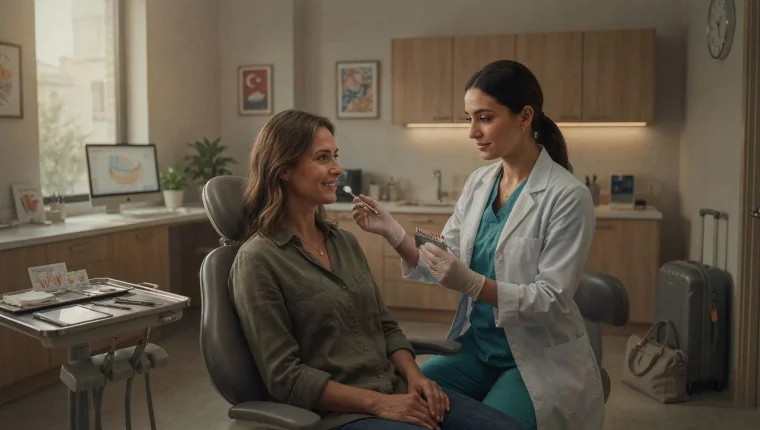
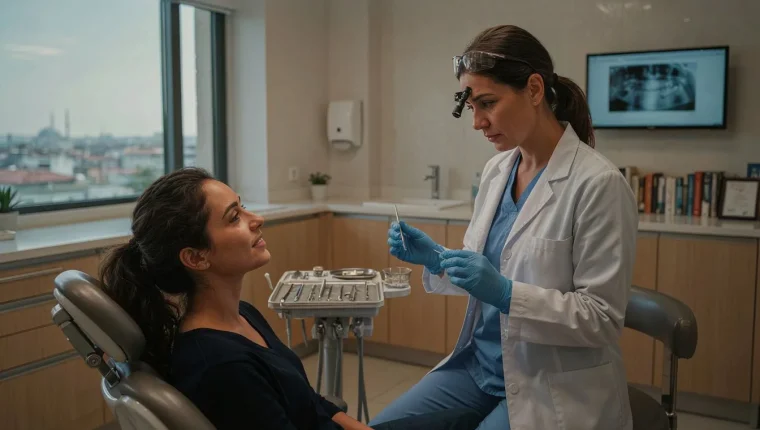
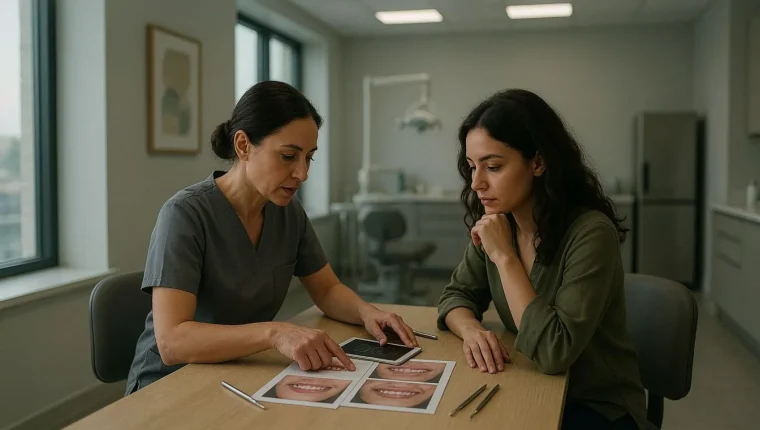
Returning to the USA after getting dental veneers abroad requires more than maintaining a new smile. Your veneers need protection while your bite, gums, and surrounding teeth adjust, and consistent care is essential for long-term results. Focus on gentle oral hygiene, sensible eating habits, monitoring changes, and reliable follow-up care with a dentist near home. Keep any treatment records, material details, and instructions from your original provider so your USA dentist can make informed decisions. Good dental veneers aftercare in the USA also means promptly addressing discomfort, sensitivity, looseness, or gum changes rather than waiting for a minor concern to require a larger repair.
First 24 Hours of Dental Veneers Aftercare USA
The first day with new veneers is a time to protect the bond, avoid unnecessary pressure, and pay attention to how your bite feels. Follow the written instructions from the treating clinic, especially if the veneers were placed abroad and your USA dentist is not yet familiar with the case. During the first 24 hours, take a careful and gentle approach to eating, cleaning, and monitoring your comfort so the treated teeth and gums have time to adjust.
- Use gentle oral care: Brush carefully with a soft-bristled toothbrush, but avoid vigorous pressure around the newly treated gumline. If the clinic advised waiting before brushing or flossing, follow that specific guidance.
- Protect the bite: Do not bite pens, fingernails, ice, hard packaging, or other objects. Keep your jaw relaxed, and avoid testing the veneers by deliberately clenching or biting hard foods.
- Expect mild sensitivity: Brief sensitivity to cold or pressure can occur during the first day as the teeth and surrounding tissues adjust. It should generally remain manageable and gradually settle.
- Allow treated gums to settle: Minor tenderness or irritation along the gumline may be present, particularly after preparation. Avoid manipulating the area with your fingers or tongue.
Continue to treat the veneers carefully throughout the remainder of the first day, and pay attention to any changes in your bite, sensitivity, or gum comfort. If a veneer feels loose, your bite suddenly feels uneven, or discomfort is strong, persistent, or worsening, contact the treating clinic promptly. When travel, time zones, or unclear instructions make that difficult, a USA dentist can assess the situation and advise whether an in-person visit is needed. Do not attempt to adjust or reattach a veneer yourself.
Eating and Drinking Safely With New Veneers

As your veneers settle, let comfort guide how quickly you return to your usual diet. If cold or hot foods trigger sensitivity, choose lukewarm drinks and softer meals for a few days, then reintroduce more challenging temperatures gradually. Avoid biting directly into very hard foods such as ice, hard candy, popcorn kernels, and uncut nuts, since concentrated pressure can chip porcelain or composite material.
Sticky foods also deserve caution. Caramel, taffy, and chewy sweets may pull against veneer edges or remain around the gumline. Strongly staining drinks and foods, including coffee, tea, red wine, and heavily colored sauces, can contribute to discoloration, particularly with composite veneers or areas of exposed bonding. You do not necessarily need to eliminate them, but limiting contact and choosing water afterward can help protect the appearance of your smile.
Use your back teeth for foods that require firm chewing, and cut apples, crusty bread, and similar items into smaller pieces rather than tearing them with your front teeth. Most importantly, avoid using veneers as tools: do not open packages, bite thread, chew pens, or crack shells with them. These habits create unnecessary leverage and may damage a veneer even after normal eating feels comfortable.
Daily Brushing and Flossing for Veneer Protection
Keep your daily routine gentle but consistent, because the areas around veneer edges still depend on healthy gums and clean natural teeth. Use a soft-bristled toothbrush and a fluoride toothpaste that is not highly abrasive. Brush twice a day with light pressure, holding the brush at a slight angle toward the gumline and using small, controlled movements rather than vigorous scrubbing. This cleans plaque from the margins without unnecessarily irritating the gums or wearing the surrounding enamel.
Gentle plaque control is especially important where a veneer meets the natural tooth. Plaque left along this boundary can contribute to gum inflammation, bleeding, unpleasant breath, and decay in the exposed tooth structure. An electric toothbrush may be suitable if it has a pressure sensor and you allow the brush to do the work, but avoid pressing firmly or using whitening products with aggressive polishing ingredients unless your dentist recommends them.
Floss at least once a day, guiding the floss carefully between the teeth instead of snapping it downward. Curve it around each tooth in a C shape and move it gently beneath the gumline. When removing the floss, slide it out from the side rather than pulling it forcefully upward, particularly if the contact is tight. If ordinary floss repeatedly catches, shreds, or will not pass through, do not force it; ask a dental professional to check the contact and recommend an appropriate floss threader or interdental cleaner.
Bleeding that continues despite careful cleaning deserves attention, since it may reflect gum inflammation rather than a problem with the veneer itself. Maintaining clean margins every day helps protect periodontal health and supports the long-term appearance and function of your veneers.
When to Schedule Follow-Up Checks in the USA
Arrange a follow-up with a USA dentist according to the treatment you received, the instructions from your original provider, and how your veneers feel after you return. If your overseas dentist recommended a specific review date, share that guidance with the new office rather than replacing it with a general timetable.
Before contacting a practice, gather your treatment records, veneer material details, before-and-after images, X-rays, bonding information, and a list of any medications or procedures completed. These details help the dentist understand what was placed and identify the right type of examination. Ask whether the office evaluates cosmetic restorations completed abroad, reviews the bite, checks the veneer margins and gums, and can provide continuing care if adjustments are needed.
Individualized follow-up timing is important because an examination may be appropriate soon after treatment, during a routine dental visit, or earlier when your bite feels uneven or a veneer does not feel secure. The USA dentist should determine the timing after reviewing your records and examining your teeth, gums, bite, and restorations. Keep the original provider’s contact information available so the two dental teams can clarify materials, cement, and recommended maintenance when necessary.
Signs Your Veneers Need Professional Attention
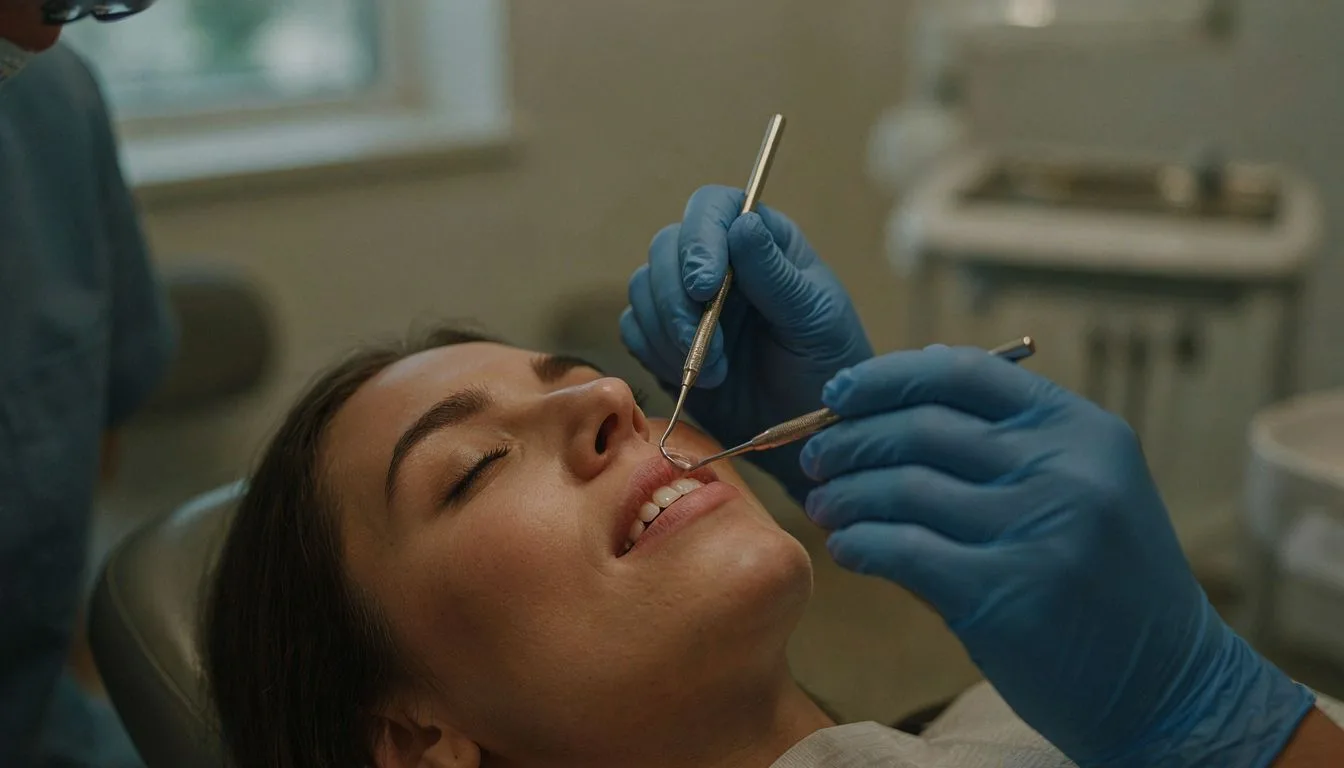
Most veneer concerns are easier to manage when they are assessed early. A change may be cosmetic, or it may signal a problem involving the veneer, the bite, the underlying tooth, or the surrounding gums. Pay attention to symptoms that persist, worsen, or affect how you chew rather than trying to correct the area yourself. Professional evaluation can help identify the cause, protect the underlying tooth, and prevent a minor concern from becoming more difficult to treat.
- Looseness or movement: If a veneer shifts, feels unstable, or seems partially detached, avoid biting with that tooth and arrange a dental assessment promptly.
- Sharp or rough edges: A new edge that catches your tongue, cheek, or floss may indicate chipping or separation and should be examined rather than filed at home.
- Persistent sensitivity: Sensitivity that does not gradually improve, especially with pain during chewing, may require evaluation of the veneer and the tooth beneath it.
- Bite changes: If your teeth meet differently, one veneer feels too high, or chewing creates pressure, contact a dentist to check the bite.
- Gum or tooth changes: Swelling, bleeding, bad taste, discoloration, or increasing discomfort can point to a dental-health issue rather than a purely cosmetic concern.
These signs do not always mean that a veneer must be replaced, but they should not be ignored. A dentist can determine whether the issue involves the veneer, the tooth beneath it, the bite, or the surrounding gums and recommend the appropriate treatment. If a veneer comes off, keep it in a clean container and bring it to the dentist. Do not use household glue or attempt self-repair, as this can damage the tooth and complicate professional treatment. Severe pain, swelling, trauma, or signs of infection warrant urgent dental care.
FAQs
What should I avoid eating after returning to the USA with dental veneers?
Avoid hard, sticky, or chewy foods that can chip, loosen, or pull on your veneers, such as ice, hard candy, caramel, taffy, and chewing gum. Limit highly staining foods and drinks, including coffee, tea, red wine, and dark sauces, especially during the first few days after placement. Cut firm foods into small pieces and chew with your back teeth.
How soon should I schedule a follow-up with a US dentist for dental veneers aftercare?
Schedule a follow-up with your dentist about one to two weeks after veneer placement so they can check your bite, gum response, and veneer fit. Contact the office sooner if you experience persistent pain, sensitivity, swelling, or a veneer that feels loose or chipped.
What should I do if a veneer feels loose or sensitive after returning to the USA?
Contact your dentist or the clinic that placed the veneer as soon as possible, especially if it moves, causes pain, or affects your bite. Avoid chewing on that side and do not attempt to reattach it yourself; keep the veneer safely if it comes off. A local dentist in the USA can assess the tooth and provide temporary care while coordinating with the original clinic.