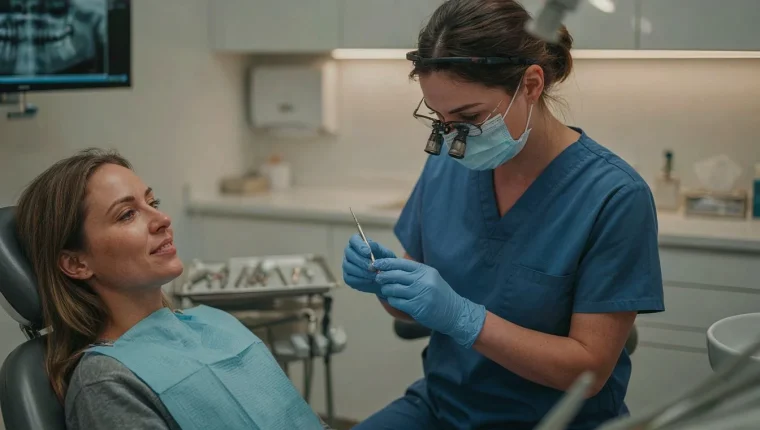
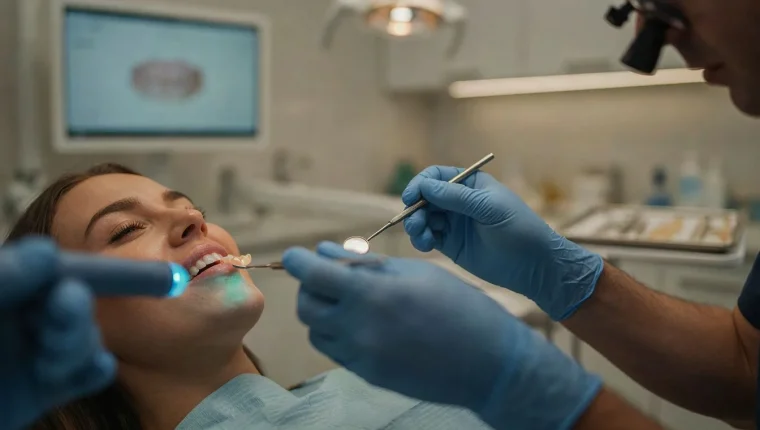
Returning to Canada after getting dental veneers abroad means protecting your investment while your mouth adjusts to the new restorations. Mild sensitivity, gum tenderness, or a slightly unfamiliar bite can occur early in recovery, especially after travel and changes in routine. Good aftercare starts with gentle cleaning, sensible food choices, and careful attention to how your teeth feel when you chew. Continue brushing with a soft-bristled toothbrush, cleaning between your teeth, and following your treating dentist’s instructions. Avoid putting unnecessary pressure on the veneers while your gums settle and your bite feels natural again. If you did not receive clear follow-up guidance, ask a Canadian dentist to check that your veneers, bite, and surrounding teeth are healing properly.
Understanding the First Few Days After Returning to Canada
The first few days after veneer placement are often a period of adjustment rather than a sign that something is wrong. Your teeth may feel unfamiliar, and mild sensitivity, gum tenderness, or awareness of the new contours can occur while your mouth adapts. Speech and chewing may also feel slightly different at first, particularly after a long journey or a change in routine.
Keep the treating dentist’s written instructions readily available and follow them over general advice. Details such as the bonding material used, any temporary restorations, recommended products, and planned review date can help a Canadian dentist understand your treatment if questions arise.
At home, pay attention to whether each veneer feels stable and whether your bite closes comfortably. Notice persistent rough edges, a veneer that feels loose, worsening gum irritation, or a change that develops after eating or clenching. These observations are more useful when recorded with the date and the specific tooth involved. Keep copies of your treatment records, dental images, invoices, and the clinic’s contact information so they can be shared if needed.
Early changes should be monitored, not guessed at. A brief adjustment period can be normal, but an unexpected change in fit or function deserves professional guidance rather than attempts to smooth or alter the veneer at home.
Managing Pain, Sensitivity, and Oral Hygiene at Home

Mild sensitivity to cold, warmth, or pressure can occur while the teeth and gums adjust after veneer treatment. Keep meals and drinks at comfortable temperatures, and give the area time to settle rather than repeatedly testing it. A bite that feels slightly unfamiliar may also improve as you adapt, but avoid forceful biting or deliberately checking the veneers against hard objects.
For daily cleaning, use a soft-bristled toothbrush and gentle, fluoride toothpaste. Brush with light pressure along the gumline and veneer surfaces, taking care not to scrub aggressively. Floss carefully between the teeth once a day; guide the floss through the contact point instead of snapping it downward, then curve it around each tooth to clean beneath the gumline. Healthy gums support the appearance and stability of veneers, so bleeding, swelling, or persistent tenderness should not be ignored.
When discomfort requires medication, follow the instructions provided by your treating clinician or pharmacist. Use only clinician-approved pain relief and avoid adding whitening products, abrasive powders, strong antiseptic rinses, or desensitizing treatments unless a dental professional recommends them. Products that are too abrasive can irritate the gums or gradually dull the surrounding tooth surfaces.
Continue normal brushing and flossing, but keep the routine gentle while sensitivity is present. If symptoms become intense, persist instead of gradually improving, or are accompanied by a change in bite, swelling, or a loose-feeling veneer, arrange a dental assessment rather than trying to correct the problem at home.
Foods and Habits to Avoid During Veneer Recovery
As your bite settles after veneer treatment, familiar foods and routines can place unnecessary stress on newly restored teeth. For the first several days, choose foods that require less force and avoid testing the veneers with extreme temperatures if your teeth remain sensitive. These precautions are especially useful after travelling, when you may be returning quickly to normal meals and habits.
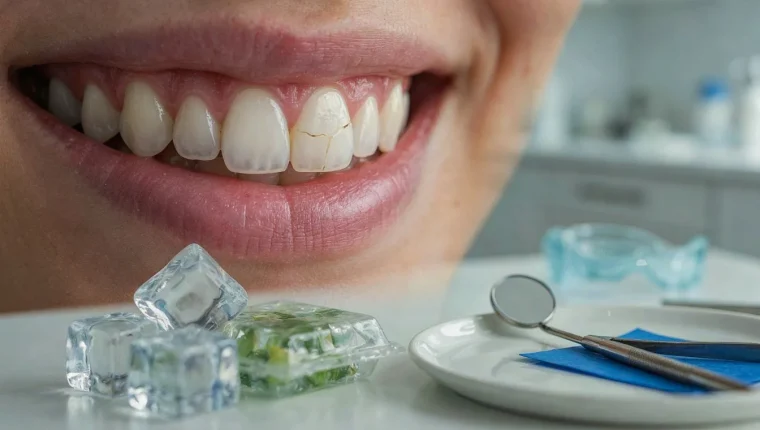
- Hard foods: Pause ice, hard sweets, popcorn kernels, nuts, and bones. Biting directly into these items can create concentrated pressure that may chip a veneer or irritate the tooth beneath it.
- Sticky foods: Avoid chewy caramel, taffy, and similar sweets that can pull against the restoration or become difficult to remove around the gumline.
- Temperature extremes: Modify very hot or very cold drinks and foods according to your sensitivity. Letting them cool or choosing lukewarm options may make eating more comfortable.
- Tool-like use: Do not open packaging, cut thread, or bite pens with your front teeth. Veneers are designed for eating, not for gripping non-food objects.
- Repetitive pressure: Nail biting, ice chewing, and teeth grinding can threaten veneer edges and increase wear. If grinding occurs during sleep, discuss appropriate protection with a dentist.
Some restrictions are temporary, but avoiding destructive chewing patterns remains important after recovery. Resume harder foods gradually, use your back teeth for appropriate chewing, and stop if a bite feels unusually high, painful, or unstable.
When to Contact Your Canadian Dentist
A local assessment is sensible when a change continues, worsens, or affects how you bite. A Canadian dentist can examine the veneers, the underlying teeth, and your gums rather than assuming that every concern is part of normal healing. Contact the office promptly if you notice any of the following:
- Persistent pain: Pain that does not gradually improve, wakes you at night, or becomes stronger should be assessed.
- Bite problems: If one veneer feels high, your teeth meet unevenly, or chewing causes sharp discomfort, arrange a check-up.
- Looseness or sharp edges: Movement, a rough margin, or an edge catching your tongue may indicate a bonding or fit problem.
- Visible damage: Cracks, chips, discoloration, or a noticeable change in shape deserve professional review.
- Swelling or infection concerns: Facial swelling, increasing gum swelling, drainage, fever, or difficulty swallowing requires faster dental attention; breathing difficulty warrants emergency care.
When booking, explain that treatment was completed elsewhere and provide the clinic’s records, veneer material and tooth numbers if available, imaging, prescriptions, and written aftercare instructions. Bring photographs of any recent change as well. These details help the Canadian dentist evaluate the situation efficiently and determine whether monitoring, an adjustment, repair, or referral is appropriate.
Long-Term Care for Dental Veneers in Canada
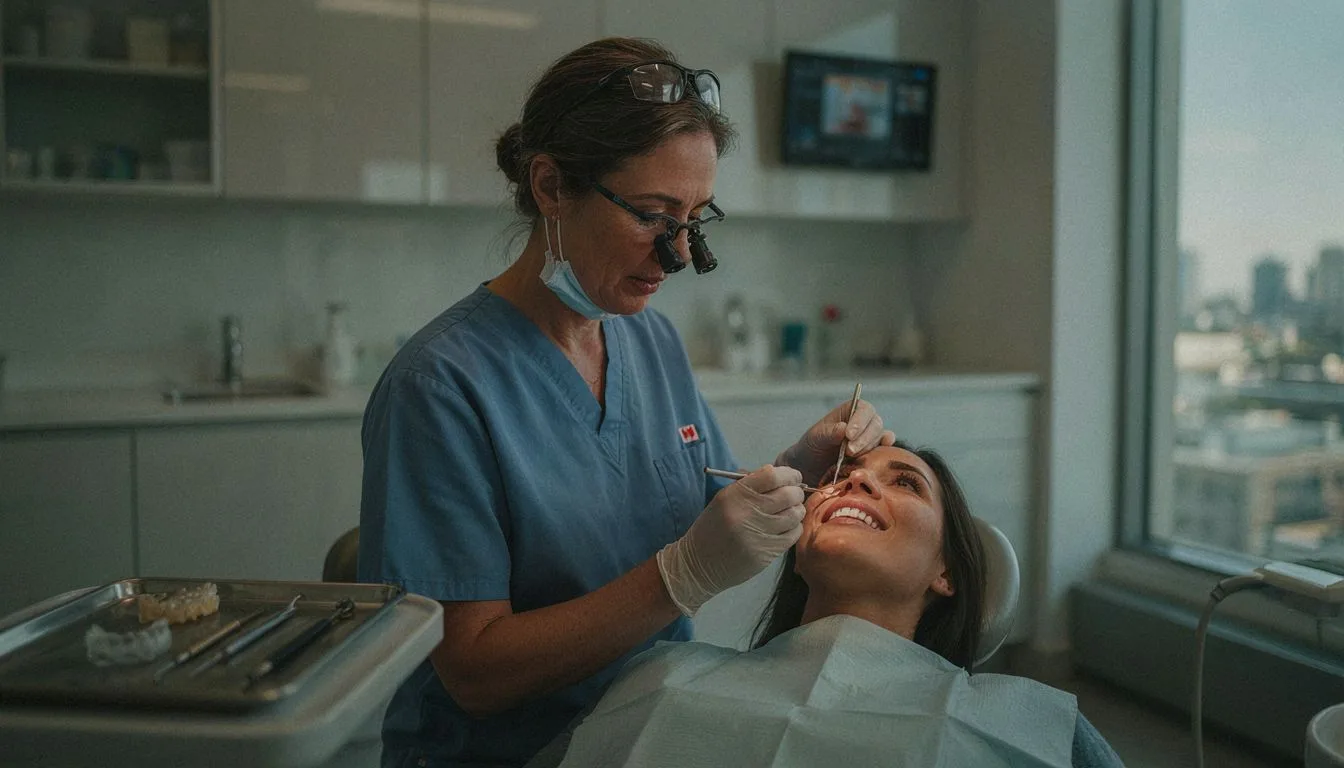
Long-term veneer care continues well beyond the initial adjustment period. Schedule regular examinations with a Canadian dentist so the veneers, natural teeth, bite, and surrounding tissues can be assessed together. Professional cleaning helps control plaque and tartar without replacing careful daily brushing and flossing at home. Your dentist can also monitor gum health, since inflammation or recession may affect both comfort and the appearance of the veneer margins.
Bite monitoring is particularly important if you clench or grind your teeth. Discuss a custom night guard if grinding is suspected, as repeated pressure can increase the risk of chipping, debonding, or wear. Replacement timing varies rather than following one fixed schedule; the material used, oral hygiene, diet, habits, and clinical findings all influence how long veneers remain suitable.
Before using whitening products or undergoing another cosmetic procedure, confirm that it is appropriate with your dentist. Whitening changes natural tooth colour but does not lighten porcelain or composite veneers, which may create uneven results. Regular Canadian dental care keeps maintenance decisions based on examination findings rather than appearance alone.
FAQs
What dental veneers aftercare is needed after returning to Canada?
After returning to Canada, maintain excellent oral hygiene by brushing twice daily with a soft-bristled toothbrush, flossing carefully, and attending regular dental checkups. Avoid biting hard objects and limit foods or drinks that may stain or damage the veneers. Arrange a follow-up with a Canadian dentist, especially if you experience pain, sensitivity, looseness, chipping, or changes in your bite.
When should I see a Canadian dentist for a veneer check-up?
See your Canadian dentist for a veneer check-up at least every six months during your routine dental examination and cleaning. Schedule an earlier visit if a veneer feels loose, chipped, painful, sensitive, or changes in color, or if your gums become swollen or bleed.
What should I do if my veneers become sensitive or damaged after returning home?
Contact your dentist promptly if veneers become sensitive, chipped, cracked, or loose after you return home. Avoid very hot, cold, hard, or sticky foods, and do not attempt to repair or reattach a veneer yourself. Seek urgent dental care if you experience severe pain, swelling, or signs of infection.