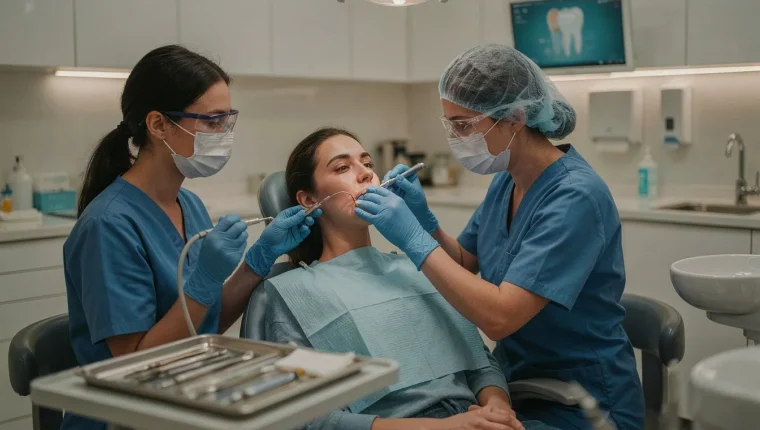
Choosing dental veneers is a cosmetic decision that also requires careful preparation to protect your teeth, gums, expectations, and investment. Before committing, confirm that veneers suit your smile goals and that your oral health is stable enough for treatment. A thorough consultation helps clarify the available materials, expected appearance, tooth reshaping, treatment timeline, comfort, and total cost. Preparation also means addressing problems such as decay, gum disease, worn enamel, or habits that could damage the veneers. Knowing what happens before, during, and after fitting makes the process more predictable and helps you make informed decisions. With realistic expectations and a healthy foundation, veneers can provide a natural-looking improvement that is easier to maintain over time.
Why Are Veneers Right for You?

Veneers may be a good option if you want to improve the visible appearance of teeth affected by uneven shape, discoloration that does not respond well to whitening, small gaps, or minor chips. They can create a more balanced smile while preserving a natural-looking variation in tooth color and contour when carefully planned.
Suitability depends on more than cosmetic goals. Your dentist will consider the amount and strength of your enamel, the condition of each tooth, your bite, and the health of your gums. Active decay, untreated gum disease, significant enamel loss, or heavy grinding may make veneers unsuitable or require attention first. Veneers also cannot correct every alignment or functional concern, so another treatment may better match your needs.
It is equally important to understand that irreversible enamel removal may be necessary for some veneers. Once prepared, those teeth will generally need ongoing coverage, and veneers can eventually require repair or replacement. They are durable, but not indestructible; habits such as biting hard objects or frequently clenching your teeth can shorten their lifespan.
If your expectations are realistic and you are willing to maintain good oral hygiene and attend regular dental visits, veneers may align well with your goals. A careful assessment can help determine whether they are an appropriate long-term choice before you commit to treatment.
What to Discuss During Your Consultation
A productive consultation turns your cosmetic goals into a treatment plan you can evaluate clearly. Bring a few reference photos if they help explain the smile you prefer, but expect your dentist to adapt those ideas to your facial features, tooth proportions, and bite. The discussion should also establish whether veneers are appropriate for your teeth and whether a less invasive option could achieve a similar result. Taking time to discuss your priorities, ask specific questions, and understand the recommended process can help you make an informed decision without overlooking important clinical or practical details.
- Desired design: Ask how shade, translucency, shape, and the number of teeth treated will affect the balance and natural appearance of your smile.
- Clinical assessment: Ask what the examination and any recommended imaging reveal about enamel, existing restorations, tooth alignment, and bite forces.
- Treatment preview: Find out whether a digital simulation, wax-up, or trial mock-up is available, and how you can request changes before approval.
- Procedure planning: Clarify the number of visits, temporary veneers, laboratory involvement, anesthesia or sensitivity expectations, and how revisions are handled.
- Alternatives and risks: Ask about tooth whitening, bonding, orthodontic treatment, or crowns when relevant, along with possible chipping, sensitivity, shade limitations, and maintenance needs.
- Financial details: Request an itemized estimate covering consultations, imaging, temporaries, laboratory fees, placement, adjustments, and future repairs or replacements.
Before approving the plan, ask how long the result is expected to last and what habits could shorten that period. Confirm any instructions to follow before treatment, and disclose medications, grinding, previous dental work, and concerns about discomfort. A clear written plan helps you compare options and recognize which decisions must be made before treatment begins. It also gives you an opportunity to clarify expectations with your dentist, confirm that the proposed treatment suits your oral health, and feel prepared for each stage of the process.
How to Prepare Your Teeth and Gums
Before veneer treatment begins, your teeth and gums need to provide a healthy, stable foundation. Your dentist should check for cavities, cracks, worn enamel, active decay, and bite-related concerns that could affect the strength or appearance of the result. These issues may require treatment first; covering them with veneers does not resolve the underlying problem.
Gum health is equally important. Redness, swelling, bleeding, tenderness, or signs of periodontal disease may need attention before cosmetic treatment can proceed. Inflamed gums can affect both comfort and the final fit, particularly around the visible edges of veneers. A professional cleaning may be recommended to remove plaque and hardened deposits, followed by a review to confirm that the tissues are responding well.
At home, maintain consistent brushing with a soft-bristled toothbrush and clean carefully between the teeth each day. These habits support gum health while you wait for treatment, but they do not replace a dental examination or treatment for decay and gum disease. Avoid attempting to whiten, reshape, or otherwise alter your teeth without professional guidance, since these changes may affect planning.
Active dental disease should be treated before veneer placement. Your dentist will determine which treatments are necessary and when your mouth is ready for the next appointment. Confirm the timing of any fillings, periodontal care, bite management, or prescribed products directly with your provider rather than assuming that routine preparation alone is sufficient.
What to Expect During the Fitting Appointment

The fitting appointment usually follows a planned sequence, although the exact steps depend on your treatment design and the condition of your teeth. The dentist may begin by cleaning the teeth and preparing the surfaces for placement. If your veneers were made in a laboratory, temporary veneers may be used while the final restorations are being completed.
Before bonding, the dentist can place the veneers temporarily to assess their shade, shape, alignment, and overall appearance. This is an important opportunity to discuss anything that feels or looks different from what you expected, including speech, tooth length, and facial balance. Local anesthetic may be offered if preparation or gum-area sensitivity makes it helpful, and mild sensitivity afterward is possible.
Once the fit and appearance are approved, the veneers are bonded to the teeth. Your dentist will then check your bite carefully, asking you to close and move your jaw in different directions so premature contact can be adjusted. Follow the clinic’s specific instructions about eating, medications, and transportation, particularly if sedation or extensive anesthetic is planned. Raise concerns before final bonding, because changes are generally easier at the trial placement stage than afterward.
How to Care for Veneers After Placement
Once veneers are bonded, consistent daily care helps preserve their appearance and protects the natural teeth and gums beneath them. Veneers are durable, but they can still chip, loosen, or become affected by plaque and gum inflammation. Use a soft-bristled toothbrush, non-abrasive toothpaste, and gentle pressure when brushing. Clean between the teeth every day with floss or an interdental cleaner, taking care not to snap the material against the gum line.
- Keep regular examinations: Dental checkups allow your dentist to monitor the veneers, bite, underlying teeth, and gum health.
- Avoid damaging habits: Do not bite ice, pens, fingernails, or hard objects, and never use your teeth as tools to open packaging.
- Protect against grinding: If you clench or grind, ask whether a professionally fitted night guard is appropriate for you.
- Report changes promptly: Persistent pain, looseness, rough edges, altered bite contact, bleeding, or swollen gums should be assessed rather than repaired at home.
Continue normal oral hygiene even when the veneers look intact, because the supporting teeth remain vulnerable to decay and the surrounding gums require daily plaque control. Avoid attempting to file, glue, or polish a veneer yourself; professional evaluation is the safest way to address damage or discomfort.
FAQs
What should I do before my dental veneers preparation appointment?
Before your appointment, maintain good oral hygiene and eat a light meal unless your dentist advises otherwise. Make a note of any dental concerns, sensitivities, medications, or cosmetic goals you want to discuss, and bring details of relevant medical or dental history. Avoid whitening treatments or making irreversible cosmetic decisions beforehand without consulting your dentist.
Do I need to treat cavities or gum problems before getting veneers?
Yes. Cavities and active gum disease should be treated before veneers because veneers do not stop decay or infection and may fail if the underlying teeth and gums are unhealthy. Your dentist will assess your oral health first and recommend any necessary treatment before planning the veneers.
How long does dental veneers preparation usually take?
Preparing teeth for veneers usually takes about 1–2 hours per appointment, although the total process may require two or more visits. Your dentist will assess your teeth, remove a minimal amount of enamel, take impressions, and place temporary veneers while the permanent ones are made.