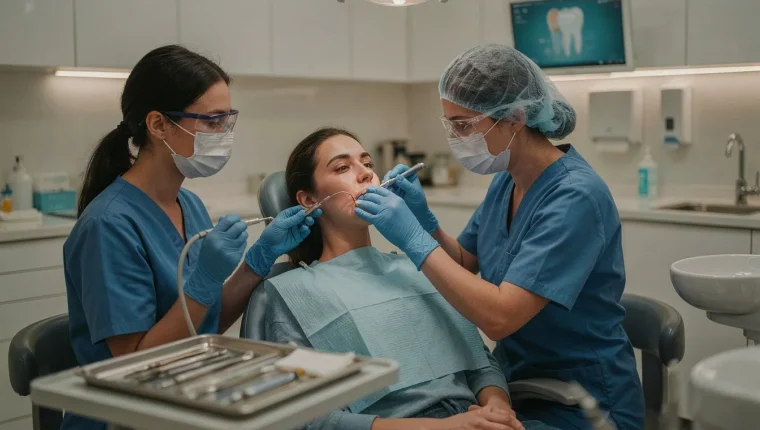
Dental veneers can keep your smile bright and natural for many years, but their results are not permanent. Longevity means more than maintaining the original color: veneers also need to stay securely bonded, comfortable, and functional during everyday eating and speaking. Material quality, the health of your teeth and gums, your bite, daily habits, and regular dental care all influence how long the results remain reliable. Good oral hygiene helps protect the supporting teeth and surrounding gums, while untreated grinding, decay, or bite problems can put extra stress on the veneers. With appropriate care and professional monitoring, many patients enjoy durable cosmetic and functional results. However, even well-maintained veneers may eventually wear or need replacement as your mouth and dental needs change.
What Determines How Long Dental Veneers Results Last?
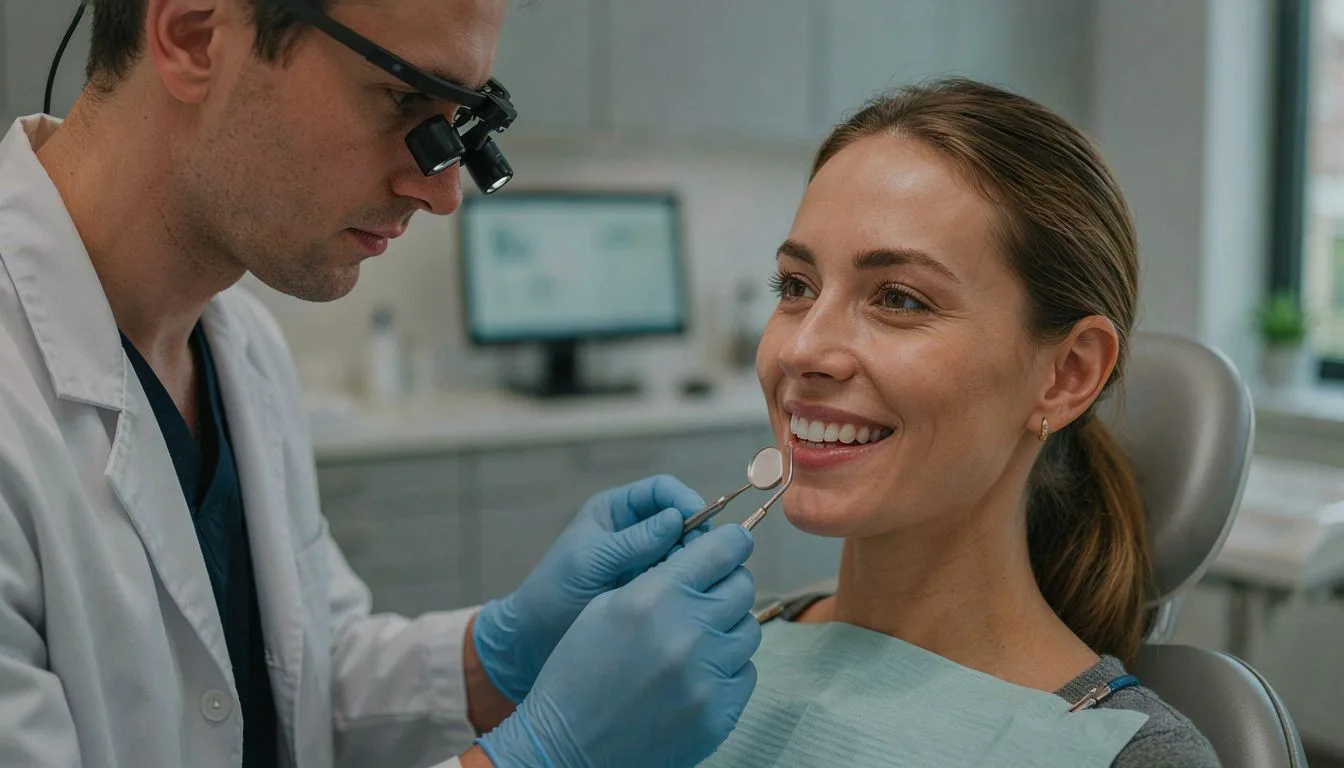
Veneer longevity begins with the foundation beneath the visible smile. The condition of the tooth, the amount of healthy enamel available for bonding, and the accuracy of the preparation all influence how securely a veneer remains attached. A carefully controlled bonding procedure creates a stronger interface, while weakened enamel, untreated decay, cracks, or an unstable restoration can reduce reliability from the start.
Occlusal forces are another major determinant. Clenching, grinding, an uneven bite, or heavy contact on a veneer can place repeated stress on the ceramic or composite and its bond. A dentist may identify these risks during examination and, when appropriate, recommend bite adjustment or a protective night guard.
Oral hygiene and gum health also affect the long-term result. Plaque accumulation around veneer margins can contribute to gum inflammation, recession, and decay in the exposed tooth structure. These problems may make otherwise attractive veneers look uneven or compromise their support. Consistent professional monitoring helps detect small changes before they become functional failures.
Not every change means a veneer is breaking down. Mild surface staining or subtle shifts in gum appearance are primarily cosmetic concerns, whereas looseness, cracking, pain, sensitivity, or altered chewing contact may indicate a structural or functional problem requiring prompt dental assessment. Individual risk factors therefore matter as much as the veneer itself.
How Long Do Dental Veneers Results Last by Material?
Material choice strongly influences how long veneer results remain attractive and functional. Porcelain and composite veneers can both produce a natural-looking smile, but they respond differently to chewing pressure, staining agents, and everyday maintenance.
| Consideration | Porcelain veneers | Composite veneers |
|---|---|---|
| Durability | Generally more resistant to surface wear and capable of providing long-term coverage when bonded well and protected from excessive forces. | More vulnerable to wear, edge chipping, and surface changes, particularly in areas exposed to heavy biting. |
| Stain resistance | Usually maintains its color well because the glazed ceramic surface resists many staining substances. | Can absorb or retain stains more readily, especially if the surface becomes rough or is frequently exposed to coffee, tea, tobacco, or dark foods. |
| Appearance | Offers stable translucency and color when carefully planned and matched. | Can look highly natural, although color and surface polish may change sooner. |
| Maintenance | Requires normal oral hygiene and professional monitoring; repair may be more complex if fractured. | Often allows easier in-office repair or reshaping, but may need polishing or periodic touch-ups more frequently. |
These are general patterns, not guarantees. Preparation design, bonding quality, bite alignment, tooth condition, and the clinician’s experience can substantially affect performance. A dentist should confirm which material suits your enamel, cosmetic goals, and occlusal forces before treatment.
Daily Habits That Can Shorten Veneer Lifespan
Everyday behavior can place repeated stress on veneers, even when the original dental work was sound. Small forces accumulate over time, affecting the veneer, the bonding margin, or the tooth underneath. The most important risk is repetitive mechanical stress, particularly when a habit concentrates pressure on one or two teeth. Recognizing these habits can help you protect the veneers and maintain their appearance and function for as long as possible.
- Nail biting: Biting nails can create concentrated edge pressure that chips veneer margins and may also contribute to uneven wear.
- Chewing hard objects: Ice, pen caps, fingernails, and hard candy can fracture or dislodge a veneer because they expose it to sudden, localized force.
- Using teeth as tools: Opening packages, cutting thread, or holding objects with the teeth can overload the veneer and weaken its bond.
- Bruxism and clenching: Grinding or clenching subjects veneers to frequent bite-related stress, increasing the risk of cracks, wear, or loosening.
- Staining and poor hygiene: Coffee, tea, tobacco, and inadequate plaque control can discolor exposed bonding areas or neighboring teeth, although veneers do not all respond identically to staining.
These habits may also disturb the bite, allowing one veneer to contact its opposing tooth more heavily than intended. Acidic drinks and frequent snacking can further affect the surrounding enamel and bonding margins, making consistent dental care important for preserving both appearance and function. Avoiding unnecessary pressure, maintaining good oral hygiene, and addressing grinding or clenching with a dental professional can reduce preventable damage and help support the long-term condition of the veneers.
Signs Your Veneers Need Repair or Replacement
Changes in a veneer’s appearance or comfort can signal more than normal aging. Pay attention to differences that persist, worsen, or affect how you bite and speak. A dental assessment is especially important when a change suggests the veneer may no longer be securely bonded or may be affecting the surrounding tooth and gums. Acting promptly can help prevent minor damage from becoming more extensive and can clarify whether the veneer can be preserved or needs further treatment.
- Chips or cracks: Small fractures can progress under everyday biting forces and may create sharp edges that irritate the tongue or cheeks.
- Looseness or movement: A veneer that feels mobile, clicks, or seems to lift should be examined promptly rather than repositioned at home.
- Rough or uneven edges: New texture changes may indicate damage, wear, or bonding failure.
- Altered bite: A veneer that feels too high or changes the way your teeth meet can place uneven pressure on the restoration.
- Sensitivity or gum irritation: New discomfort, redness, swelling, or bleeding near a veneer may require evaluation of the restoration and the underlying tooth.
- Visible gaps: A space between the veneer and neighboring teeth or along the gumline can allow plaque accumulation and may reflect shifting or bond failure.
These signs do not automatically mean replacement is necessary. Depending on the damage, a dentist may be able to polish, repair, or rebond the veneer; in other cases, replacement may provide a more predictable result. Only a clinical examination can determine whether the problem involves the veneer, the tooth beneath it, or the surrounding tissues. Seeking care before discomfort or damage worsens may support a simpler solution and help protect the underlying tooth and surrounding gums.
How to Extend the Life of Your Veneers

A consistent care routine helps preserve both the appearance and function of veneers over time. Brush twice daily with a soft-bristled toothbrush and a nonabrasive fluoride toothpaste, using gentle pressure along the gumline. Floss every day to remove plaque between the teeth, where inflammation can affect the supporting tissues and veneer margins.
Routine dental examinations and professional cleanings allow your dentist to monitor the veneers, gums, bite, and the teeth beneath them. These visits can identify small changes before they place unnecessary stress on the restorations. If you grind or clench your teeth, ask about a custom night guard; a properly fitted guard can reduce damaging forces during sleep. A mouthguard is also advisable for contact sports or activities that could cause facial impact.
Prompt treatment of underlying oral health problems is equally important. Decay, gum disease, and bite changes can weaken the supporting teeth or alter how forces reach the veneers. Managing these conditions and attending recommended follow-up appointments helps maintain a stable foundation for long-term results.
FAQs
How long do dental veneers results last?
Dental veneers typically last 10 to 15 years with good oral hygiene and regular dental checkups. Porcelain veneers often last longer than composite veneers, which may need replacement after about 5 to 7 years. Avoid biting hard objects and address teeth grinding to help extend their lifespan.
What factors can shorten the lifespan of dental veneers?
Teeth grinding, jaw clenching, biting hard objects, and using teeth as tools can chip or loosen veneers. Poor oral hygiene, untreated decay or gum disease, acidic foods, smoking, and trauma may also shorten their lifespan. Regular dental checkups, a night guard when needed, and good oral care help protect them.
Can dental veneers be replaced when their results fade?
Yes. Dental veneers can usually be replaced if they become worn, chipped, stained, or loosened, although the underlying tooth may need preparation again. A dentist will assess the veneers and your oral health to determine the most suitable replacement option.