Why Choose Turkey for Dental Veneers?
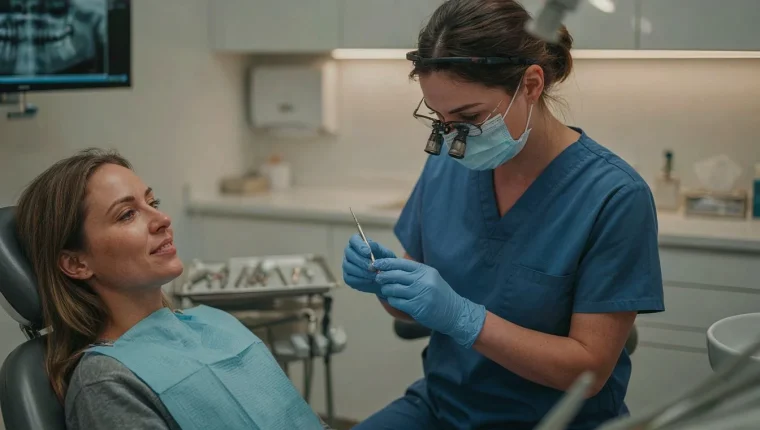
Turkey attracts many veneer patients because it offers many cosmetic dental services and has substantial experience treating international visitors. In major cities, clinics may offer English-speaking coordinators, digital smile planning, airport transfers, and appointment assistance, making it easier to organise the process from abroad. These conveniences can be valuable, but they should support—not replace—careful clinical judgment.
Lower quoted prices may also make treatment appear accessible compared with fees in some other countries. However, cost alone does not show whether veneers are appropriate, conservatively planned, or supported by reliable follow-up. The key consideration is clinical suitability: your teeth, gums, bite, expectations, and long-term oral health should determine the recommendation.
Before committing, consider the practical demands of travelling for treatment. Ask how many visits are needed, what happens if adjustments become necessary, and whether a local dentist can manage complications after you return home. A convenient destination and polished international-patient service are useful advantages, but the treatment plan must remain the deciding factor.
How to Verify a Cosmetic Dentist’s Credentials
A polished clinic website is not proof of a dentist’s qualifications. Before committing to treatment, verify who will assess your teeth, design the smile, prepare the teeth, bond the veneers, and manage any follow-up. These responsibilities may belong to different clinicians, so the name of the clinic alone does not provide enough information.
- Professional registration: Confirm that the treating dentist is legally registered with the relevant dental authority and check whether the registration is current.
- Relevant education: Ask where the dentist completed their dental degree and whether they have additional training in restorative, aesthetic, or prosthodontic dentistry.
- Veneer experience: Request details about how regularly the dentist performs veneer treatments and whether they routinely manage cases similar to yours.
- Named treatment provider: Establish which dentist will conduct the examination, tooth preparation, fitting, and review appointments, rather than assuming every clinician shown online is involved.
- Documented planning: Expect an examination supported by photographs, dental records, and an explanation of how your bite, gums, enamel, and existing restorations affect suitability.
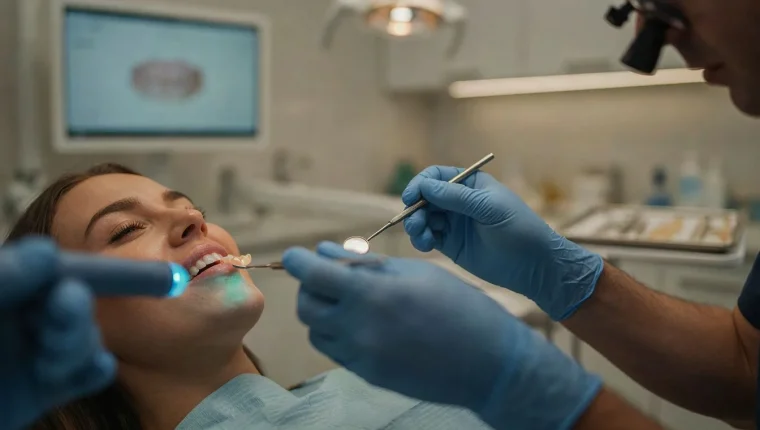
Independent verification makes credential claims more reliable. Use the appropriate professional register where available, ask the clinic for the dentist’s full name and registration details, and request evidence of relevant training if the information is unclear. A careful consultation should also allow time for questions, explain alternatives, and identify limitations instead of promising an identical result for every patient.
Pay attention to communication before booking. If the clinic avoids naming the treating dentist, gives inconsistent answers, or recommends veneers without a proper clinical assessment, treat that as a warning sign and continue comparing providers.
Which Veneer Materials and Techniques Suit Your Smile?
Veneer selection should begin with the condition of your teeth, not with the material featured in an advertisement. Porcelain veneers generally offer a highly natural appearance, strong stain resistance, and good long-term durability when bonded to suitable teeth. They usually require careful enamel preparation and may be more difficult to repair if chipped. Composite veneers can often be placed with less removal of tooth structure, are easier to modify or repair, and may be more affordable, but they can stain or wear sooner and may need more maintenance.
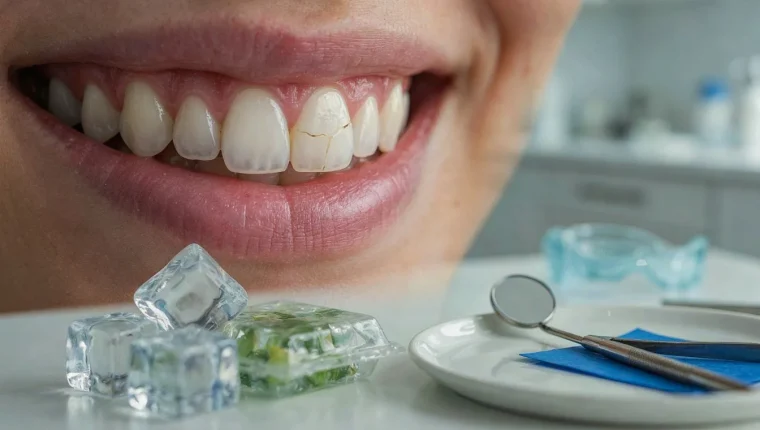
Your enamel thickness, bite, tooth alignment, discoloration, gum health, and existing fillings all influence which option is appropriate. Severe grinding, untreated decay, active gum disease, or insufficient enamel may make conventional veneers unsuitable until these issues are addressed. In some cases, limited orthodontic treatment or enamel-preserving alternatives may create a safer foundation for the final result.
A reliable plan may include digital smile design, diagnostic models, a temporary mock-up, and carefully documented shade selection. These steps allow you to assess proposed tooth length, width, and visibility before irreversible preparation begins. Ask whether the dentist will coordinate directly with a qualified dental laboratory and how the chosen technique supports your bite and facial features.
The most suitable recommendation is therefore individualized treatment planning, rather than choosing “porcelain,” “no-prep,” or any other technique solely because it is promoted as superior. Ask what will be removed, how the veneers will be bonded, how long they are expected to last in your circumstances, and whether future repairs or replacement can be managed realistically.
What Should You Check in Before-and-After Results?
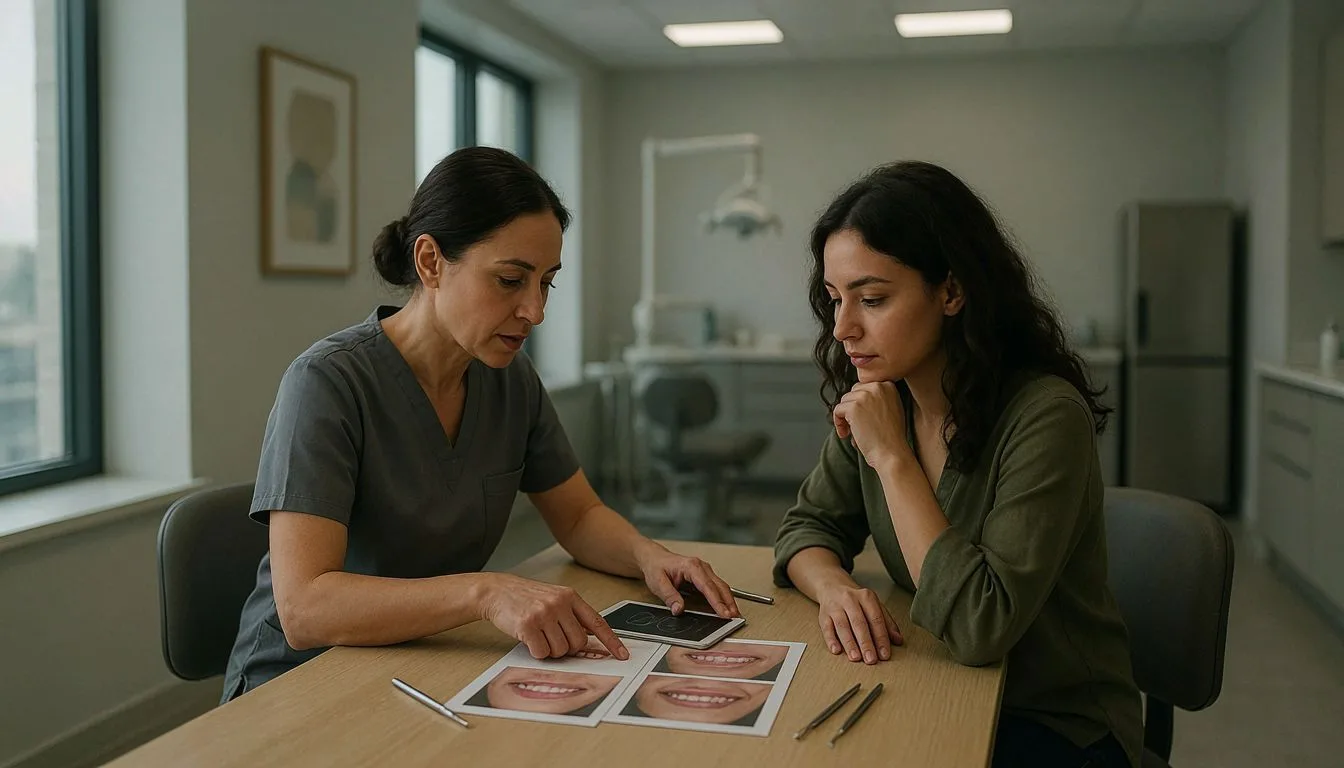
Before-and-after photographs are useful only when they allow a fair clinical comparison. A dramatic smile makeover may reflect different lighting, whitening, makeup, camera angles, or selective case presentation rather than the veneers themselves. Review the images as evidence of the dentist’s planning and finishing standards, while remembering that another patient’s result cannot guarantee your own. Before drawing conclusions, compare the overall conditions shown in each photograph and consider whether the images provide enough detail to assess both appearance and treatment quality.
- Comparable starting conditions: Check whether the patient had a similar level of staining, wear, spacing, alignment, or gum exposure to your situation.
- Consistent photography: Look for matching tooth numbers, facial angles, lighting, distance, and relaxed versus smiling views in both images.
- Natural proportions: Examine tooth length, width, symmetry, incisal edges, gum contours, and shade transitions rather than judging whiteness alone.
- Functional context: Ask whether the case includes close-up views, bite information, speech considerations, or photographs taken after healing.
- Case transparency: Confirm that the images represent the dentist’s own work and ask whether consent, treatment details, and the time between photographs are available.
These details can help you distinguish a carefully documented result from an image selected mainly for visual impact. Pay attention to whether the final appearance looks balanced from multiple angles and whether the photographs show healed tissues, realistic shade transitions, and appropriate tooth proportions rather than an artificially enhanced presentation.
Use strong examples to prepare specific consultation questions: What would need to change to achieve a similar balance, and which features would remain different because of your teeth or facial proportions? This approach turns photographs into a discussion tool instead of treating them as a promise.
How to Compare Treatment Costs, Guarantees, and Aftercare?

Price comparisons become meaningful only when every quotation covers the same stages of care. A low headline figure may exclude diagnostics, temporary veneers, laboratory work, fitting, medication, or follow-up support. Request an itemised written plan and check whether the named clinic, laboratory, and treating dentist remain the same throughout treatment.
| Comparison point | Questions to ask | Why it matters |
|---|---|---|
| Included treatment | Are consultation, scans, X-rays, temporaries, laboratory fees, fitting, and medicines included? | Prevents unexpected charges. |
| Guarantee terms | What does the guarantee cover, and are adjustments, remakes, complications, or retreatment excluded? | Shows the practical value of the promise. |
| Aftercare | Who provides remote advice or local care after you return home, and how are urgent problems handled? | Clarifies responsibility after treatment abroad. |
| Payment and cancellation | When are deposits due, and what happens if treatment is changed or cancelled? | Protects your budget and decision-making flexibility. |
Read the guarantee alongside its exclusions, time limits, maintenance requirements, and travel responsibilities. Written aftercare responsibility is especially important: confirm who pays for assessment, repairs, or replacement if an issue develops after you return home. Keep copies of the quotation, consent documents, invoices, and communication, and avoid choosing solely because one provider advertises the lowest price.
FAQs
How do I choose a qualified dental veneers cosmetic dentist in Turkey?
Choose a dentist with recognized dental qualifications, extensive experience in cosmetic dentistry, and specific expertise in veneers. Verify professional registration, review before-and-after cases, confirm the clinic uses accredited facilities and high-quality materials, and ask for a detailed treatment plan, risks, costs, and aftercare arrangements. An independent consultation can help you compare options and ensure the dentist recommends veneers only when clinically appropriate.
What should I check when comparing veneers clinics and treatment costs in Turkey?
Compare clinics by dentist qualifications, verified patient reviews, accreditation, treatment planning, and the quality and origin of veneer materials. Check whether the quoted cost includes consultation, imaging, temporary veneers, laboratory work, fitting, follow-up care, and any necessary treatments such as fillings or gum care. Confirm the clinic’s aftercare policy, warranty terms, total number of visits, and whether travel or accommodation packages could compromise clinical quality.
How long do dental veneers from a Turkey cosmetic dentist typically last?
Dental veneers from a Turkey cosmetic dentist typically last 10 to 15 years with proper care. Porcelain veneers may last longer than composite veneers, while durability also depends on oral hygiene, bite forces, diet, and regular dental checkups.