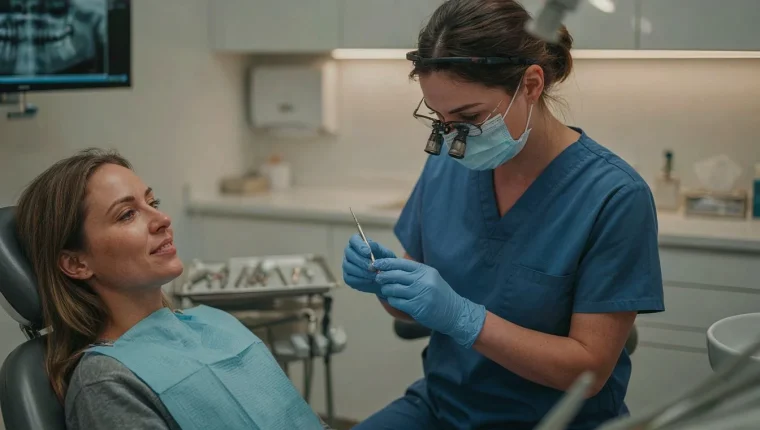
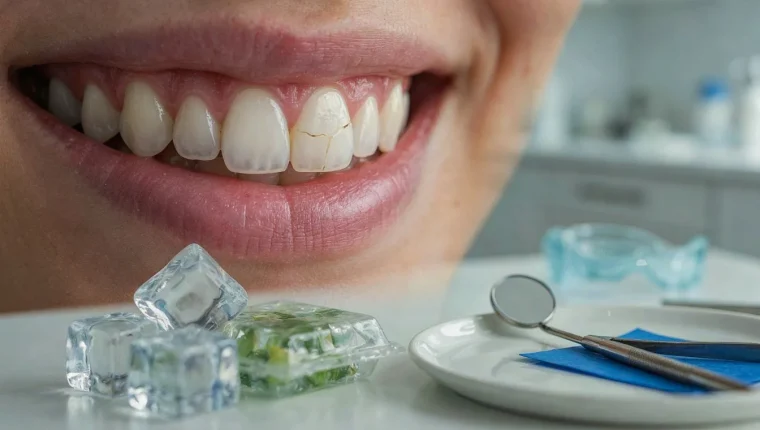
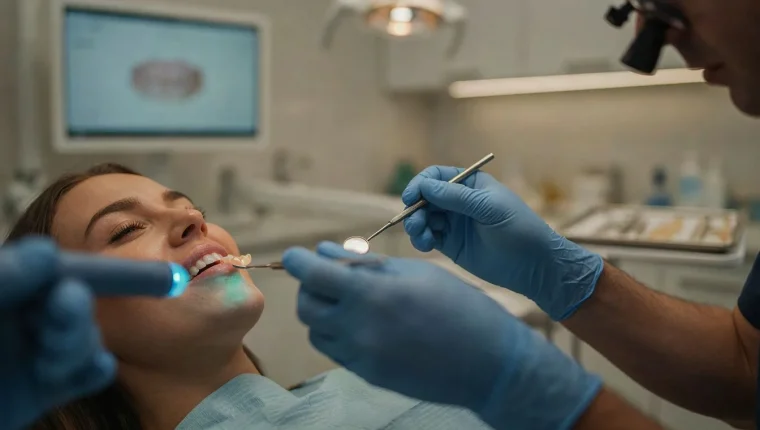
Booking dental veneers in Turkey can offer access to experienced clinics and competitive prices, but a polished website or low quote is not enough to make a safe decision. Red flags often appear as gaps in professional information, unclear costs, rushed treatment planning, vague material claims, or weak aftercare arrangements. Location alone does not prove quality, and price alone does not prove value. Before paying a deposit, assess both the clinic and the proposed treatment. You should understand who will perform the procedure, why veneers are suitable for your teeth, what is included in the quoted price, and who will support you if problems develop after returning home. Careful checks can prevent avoidable dental, financial, and travel-related complications.
Unclear Dentist Credentials and Clinic Accreditation
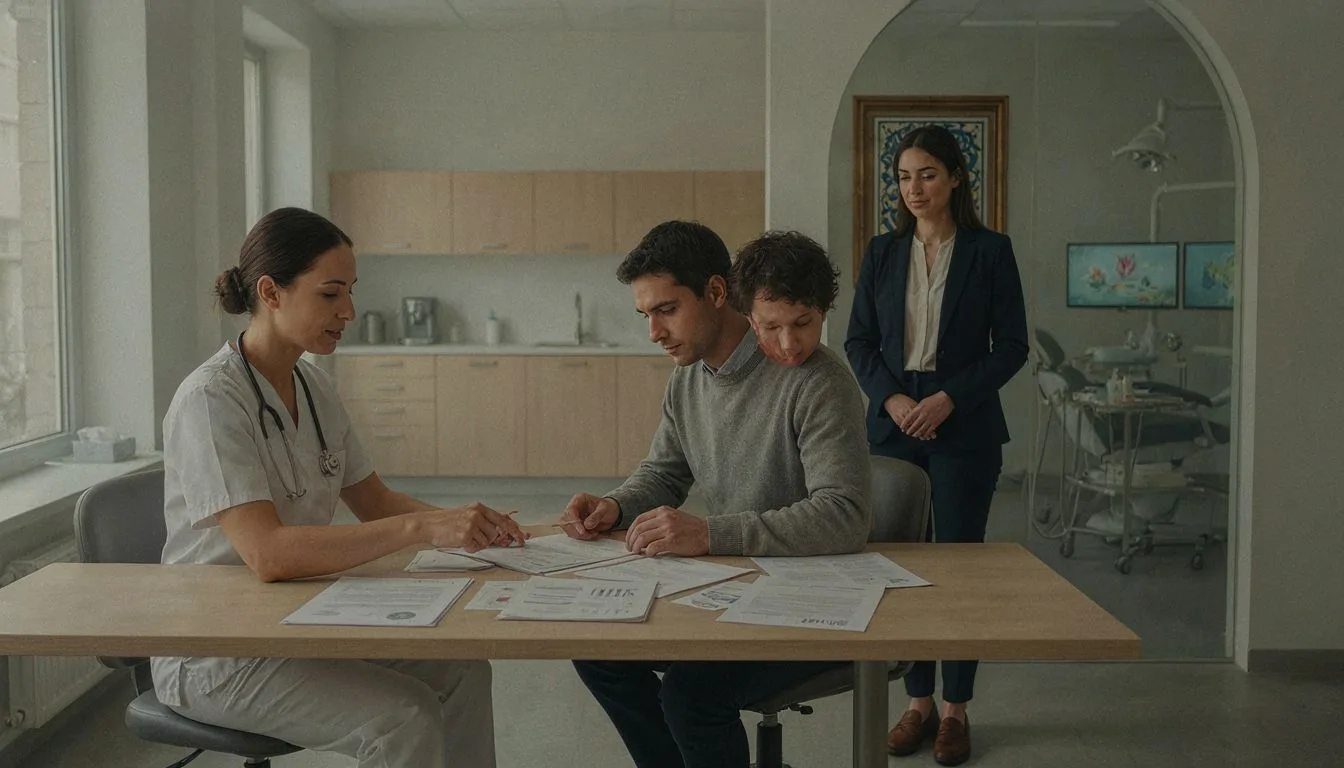
A trustworthy veneer provider should make it easy to identify who is responsible for your care. Before booking, ask for the treating dentist’s full name, professional registration details, qualifications, and experience with restorative or cosmetic dentistry. These details should be provided clearly rather than hidden behind a generic clinic profile or a salesperson’s assurances.
- Confirm the dentist’s identity: Check that the person discussing your case is the same dentist who will examine you, prepare your teeth, and place the veneers.
- Verify professional registration: Use relevant official registers or recognised professional bodies to confirm that the dentist is licensed to practise.
- Review relevant experience: Look for credible information about the dentist’s restorative dentistry training and experience, not just general claims about cosmetic treatments.
- Check clinic authorisation: Ask how the clinic is licensed or accredited and verify those claims through appropriate official or professional sources.
- Question unclear staffing: Be cautious if coordinators cannot explain which clinician will diagnose you or if the provider changes depending on availability.
Marketing language such as “specialist team” or “internationally accredited clinic” is not a substitute for verifiable information. A reputable provider should answer these questions before requesting a deposit and should identify the clinician responsible for your treatment in writing. If basic credentials remain vague, inconsistent, or impossible to verify, treat that lack of transparency as a serious booking warning.
Suspiciously Low Prices and Hidden Treatment Costs
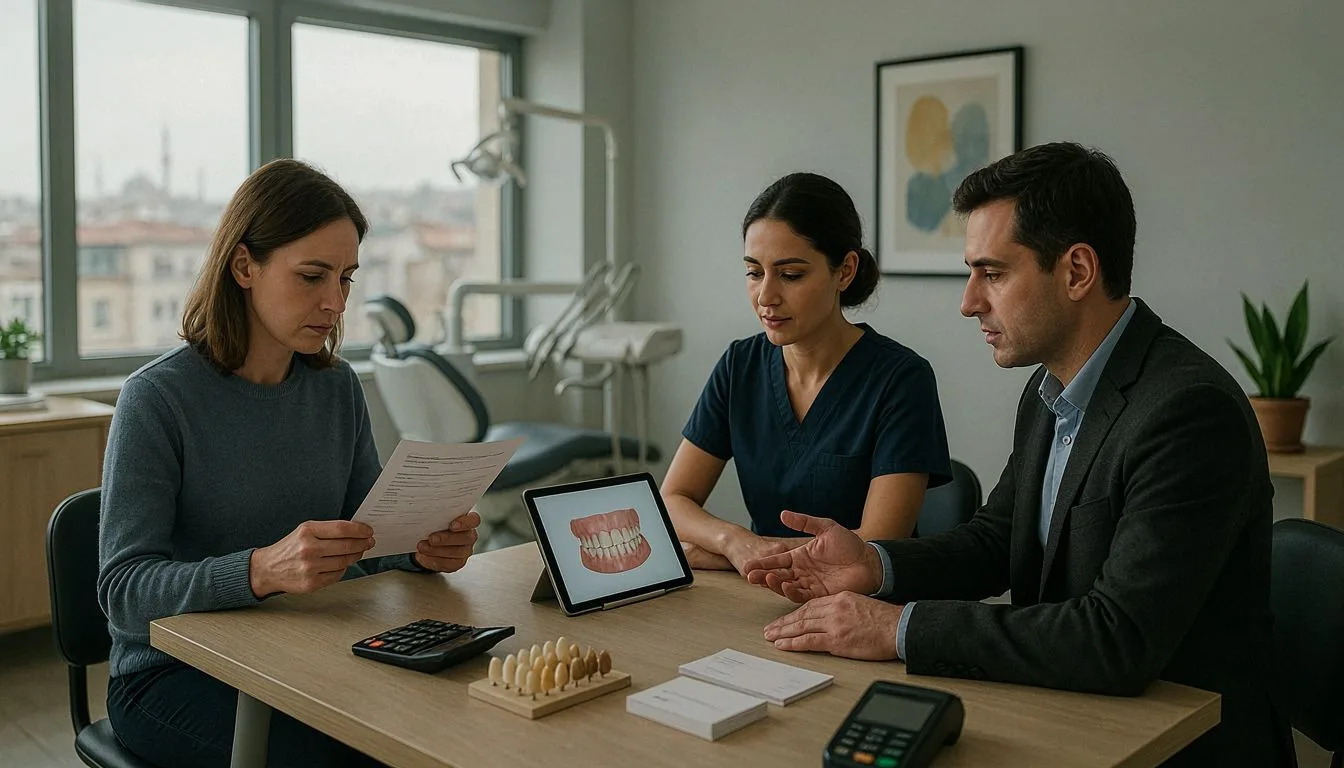
A very low veneer quote deserves careful scrutiny because the headline figure may cover only the visible crowns or veneers, not the complete treatment journey. Before paying a deposit, ask for a written breakdown that separates the veneer fee from consultation, dental imaging, treatment planning, tooth preparation, temporary restorations, and scheduled follow-up appointments.
Request clear answers about what the package includes and excludes. Confirm whether prices apply per tooth or to the full proposed smile, whether additional appointments are charged separately, and what happens if the final invoice changes after an in-person assessment. A vague estimate, unexplained supplement, or invoice that uses broad terms such as “premium package” makes meaningful comparison difficult.
Be especially cautious when a clinic pressures you to transfer money quickly, offers a discount that expires within hours, or avoids sending itemised costs. These sales tactics can make it harder to question unexpected charges later. The key issue is total treatment cost, rather than the lowest advertised price.
Compare quotations on an equivalent basis: the same number of teeth, comparable clinician involvement, similar appointment coverage, and clearly defined follow-up arrangements. A higher quote may reflect a more complete service, while an unusually cheap offer may simply leave important stages outside the advertised package.
Insufficient Consultation and Unsuitable Treatment Plans
A rushed consultation can reveal more about a veneer provider than an attractive price or polished website. Before recommending treatment, the dentist should assess whether veneers are clinically appropriate for your teeth and expectations, rather than confirming a plan from photographs alone. A generic smile design offered without an examination is a significant warning sign.
A thorough assessment should cover your dental history, current symptoms, previous restorations, tooth decay, gum health, and bite. The dentist should also explain how your teeth function together and identify issues such as grinding or inadequate enamel that could affect the result. If these questions are skipped, important risks may remain undiscovered until after treatment.
Ask for a personalized plan that clearly states the proposed number of veneers, which teeth will be treated, how much tooth preparation is expected, and the likely treatment timeline. You should also receive a realistic explanation of what veneers can and cannot change. Promises of a flawless result without discussing limitations suggest that your expectations may not have been properly assessed.
Pay close attention to whether alternatives are explained. Whitening, orthodontic treatment, bonding, or repairing existing dental problems may sometimes be more suitable than veneers. Because tooth preparation can be irreversible, you should understand exactly what will be removed and why before agreeing to proceed.
You should have enough time to ask clinical questions and consider the answers without pressure to book immediately. A provider who avoids discussing suitability, risks, or alternatives may be treating veneers as a standard package rather than designing care around your needs. In this setting, the absence of a proper clinical suitability assessment is one of the clearest warning signs.
Low-Quality Veneer Materials and Laboratory Standards
The proposed veneer material should be explained in relation to your bite, aesthetic goals, and the design of the treatment. Ask whether the restorations will be made from porcelain, lithium disilicate, composite, or another material, and why that option is appropriate for your case. A credible provider should be able to discuss strengths, limitations, appearance, and maintenance without relying on vague claims such as “premium” or “permanent.”
Also ask who will fabricate the veneers. The clinic should identify the dental laboratory or explain its in-house process, including the qualifications of the technicians involved. Clear answers about the laboratory’s location, communication with the dentist, and quality-control procedures are reassuring; evasive responses may indicate that the restorations are being sourced through an undisclosed process.
Before final bonding, clarify how shade selection and shape changes are managed. Ask whether digital planning, a mock-up, or a physical try-in will be used, and confirm when you can approve the proposed appearance. Shade and shape verification should happen before the veneers are permanently placed, because adjustments become more limited afterward. Claims about exceptional durability should also be supported by material information and realistic care guidance, rather than treated as guarantees.
Poor Aftercare, Warranty, and Complication Support
Aftercare should be agreed before treatment, especially when you will return home soon after the procedure. A credible provider should explain how concerns will be assessed remotely or in person, who remains responsible for your care, and what happens if symptoms appear after the clinic visit. Vague promises of “lifetime support” are not a substitute for a written plan.
- Follow-up arrangements: Request written details of review appointments, maintenance advice, emergency contact routes, and the clinician or team responsible for responding.
- Warranty terms: Check the duration, exclusions, geographic limits, and conditions that could invalidate coverage, such as missed reviews or unsuitable home care.
- Remedial responsibility: Clarify who pays for assessment, repairs, remakes, or necessary travel if a veneer fails or requires adjustment.
- Complication handling: Ask how the provider responds to persistent sensitivity, gum problems, bite changes, debonding, or dissatisfaction without dismissing the symptoms.
Read the policy carefully rather than relying on sales representatives’ verbal assurances. A provider that avoids specific answers about complaints or makes support conditional on returning immediately may leave you dependent on a local dentist at your own expense. Clear post-treatment accountability is therefore an essential safeguard when arranging veneers abroad.
FAQs
What are the biggest dental veneers Turkey red flags to check before booking?
Watch for clinics that promise unrealistically low prices, instant results, or a perfect smile for everyone without a proper examination. Other red flags include unlicensed dentists, unclear treatment plans, pressure to pay quickly, no written breakdown of costs, and reluctance to explain materials, tooth preparation, risks, aftercare, or emergency support. Verify the dentist’s credentials, clinic reviews, hygiene standards, and what happens if you need adjustments or treatment after returning home.
How can I verify a Turkish dental clinic’s dentist qualifications and accreditation?
Check the dentist’s registration with the Turkish Ministry of Health and verify specialist credentials through official professional records. Confirm that the clinic holds the required operating license and ask for current accreditation certificates from recognized national or international organizations. You can also request the dentist’s qualifications, treatment experience, and written treatment plan, then independently verify the issuing institutions.
Could an unusually cheap veneer package indicate hidden costs or unsafe treatment?
Yes. An unusually low price may exclude essential costs such as consultations, scans, temporary restorations, follow-up care, or treatment for complications, and it can sometimes reflect poor-quality materials or inadequate infection control. Verify the dentist’s qualifications, treatment plan, materials, clinic standards, and all-inclusive pricing before proceeding.