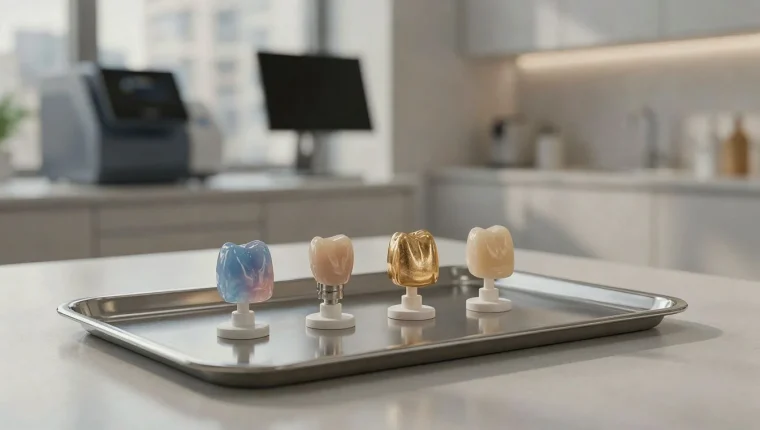
You have had your dental crowns placed in Turkey, your return flight to the USA is booked, and you now wonder: is it safe to fly? This is one of the most common concerns we hear from patients who combine dental treatment abroad with a trip home. The concern is not the flight itself, but whether cabin pressure, long hours in a seat, or the timing of your healing could put your new crown or your health at risk. This guide covers the practical side of flying after dental crowns Turkey USA journeys: how to judge your timing, what Turkish clinics typically advise, how healing progresses, what cabin pressure does, how to manage discomfort in the air, which paperwork to carry, and when to see a US dentist once you land. No single safe day fits everyone, so we will help you think through your case.
How Soon Can You Fly After Getting Dental Crowns in Turkey?

The short answer most Turkish dental clinics give is that you can usually fly 48 to 72 hours after a simple crown placement. That window exists because the local anesthesia needs to wear off completely, the gum tissue needs to settle, and any temporary cement or bonding needs time to stabilize before you put it under the pressure changes of a flight.
That baseline shifts depending on what your appointment actually involved. A single crown on a healthy tooth with no extraction is the easiest case, and some dentists will clear you for travel after 24 hours if you feel comfortable. More involved work pushes the date later. If you had an extraction before the crown, a surgical crown lengthening, or any sinus involvement in the upper jaw, most clinics recommend waiting at least 7 to 10 days. The reason is clot stability: air travel changes pressure and can dislodge a healing clot, which risks a dry socket and significant pain at altitude.
Multiple crowns placed in one session also matter. Four or more crowns mean more trauma to the gums, more swelling, and a longer recovery before your mouth feels normal enough to sit through a long-haul flight.
A “day after” flight is almost always too early unless your dentist explicitly clears it. If you have a booked ticket and want a clear decision, ask your treating dentist directly: “Am I fit to fly on this date, and would you put that in writing?” A written fly/no-fly note protects you if an airline or a US dentist later questions your timing.
What Dental Clinics in Turkey Advise Before International Travel
Before you leave the clinic, most Turkish dental teams run through a short but important checklist. They check your bite and crown fit, confirm that bleeding has stopped, and assess swelling and pain levels. If anything looks off, they will adjust the crown on the spot rather than send you home with a problem that could worsen at altitude. You should expect a written fit-to-fly note or clearance letter that states your treatment date, the type of crowns placed, and any restrictions. Ask for it in English, since this document may be useful later.
They will also tell you what to pack and prepare. That usually means a full supply of any prescribed medication in your carry-on, soft foods for the first days, a basic oral hygiene kit, and a direct emergency contact at the clinic. Before leaving Turkey, ask specific questions: What symptoms mean I should delay my flight? How do I reach you if something feels wrong mid-flight? What should I do if a crown feels loose before boarding? Getting clear answers now saves confusion later.
Clinics often advise a soft diet and gentle cleaning around the treated area for the first few days. They may also suggest avoiding very hot or cold drinks, which can trigger sensitivity in a freshly prepared tooth. If you were given antibiotics or painkillers, confirm the dosage schedule and whether they interact with anything you already take. Knowing these details before you fly helps you manage the first leg of recovery with confidence.
Healing Timeline for Dental Crowns and Its Impact on Air Travel

Healing after a dental crown is not a single event but a sequence of overlapping stages, and each stage changes what your mouth can tolerate during a flight. In the first 24 to 72 hours, the gum tissue around the prepared tooth is still inflamed from the procedure, the cement is finishing its initial set, and the tooth often feels sensitive to temperature and pressure. This is the least forgiving window for air travel, which is why most clinicians treat it as a recovery period rather than a travel period.
By roughly day three to day seven, the picture shifts. Gum tenderness fades, the cement has reached most of its functional strength, and the crown feels more like part of your mouth than a foreign object. This mid phase is when soft tissue healing and bite settling do most of their work, and it is the point at which routine short flights usually become comfortable for most patients.
The later phase, stretching from about two weeks to a month, is where full adaptation happens. The periodontal ligament re-establishes its normal cushioning, the bite feels natural rather than noticeable, and the crown responds to pressure changes much the way your other teeth do. Long-haul flights and their repeated cabin pressure cycles are far less likely to cause discomfort once you reach this stage.
Individual healing speed varies with the number of crowns placed, whether any surgical work was involved, your general health, and how well you follow aftercare. Treat the timeline as a guide, not a rule, and let your own symptoms tell you whether your mouth is ready for the trip.
Why Cabin Pressure and Sinus Changes Matter After Crown Work
Once the cabin door closes, the pressure inside the aircraft begins to drop, and your body has to adjust. That shift is felt most in the ears and sinuses, and it can reach the upper teeth as well. The maxillary sinuses sit directly above the roots of the upper molars and premolars, so when cabin pressure changes, the air trapped in those sinus cavities expands and presses downward. If you have a new crown on an upper tooth, that pressure can translate into a dull ache, a feeling of fullness, or a sharp twinge when the plane climbs or descends.
This is why a flight feels different from sitting at home after crown work. On the ground, the pressure around your sinuses stays stable. In the air, especially on a long-haul route to the USA, the cabin environment cycles through pressure changes during takeoff, cruise, and landing. A crown that fits well and sits on a healthy tooth usually handles this without drama. But if the crown is near a sinus that is already inflamed, or if the tooth underneath is still healing, the pressure can amplify normal sensitivity.
The key distinction is between barotrauma and ordinary adjustment. Normal adjustment feels like mild tenderness that fades within minutes of landing. Barotrauma brings persistent pain, a blocked ear that will not clear, or pressure that worsens instead of easing. Simple habits help: swallow, yawn, or chew sugar-free gum during descent, and use a decongestant spray before takeoff only if your dentist or doctor approves it. If you feel pressure building, do not pinch your nose and blow hard, as that can push air into already sensitive areas.
Managing Pain, Swelling, and Medication on a Long-Haul Flight
On a long-haul flight back to the US, expect some soreness and mild swelling around the crowned tooth — this is usually normal and not a sign that something has gone wrong. Pain typically peaks in the first day or two after your final appointment and then gradually eases. If you were given anti-inflammatory medication or antibiotics, take them exactly on the schedule your clinic set, and keep them in your carry-on rather than checked luggage. Bring the original packaging or a copy of your prescription, since cabin crew and, if needed, customs officers may ask about medications. Stay ahead of the pain by dosing before discomfort builds, not after.
To limit in-flight swelling, use a cold compress wrapped in cloth against the outside of your cheek for short intervals, drink plenty of water, and avoid salty snacks and alcohol, which can worsen fluid retention. Gentle rinsing with water or a prescribed mouthwash keeps the area clean without disturbing the crown. Chew on the opposite side and choose soft foods if you eat during the flight.
Alert cabin crew if you develop severe pain, heavy bleeding, facial swelling that spreads toward your eye or throat, or difficulty breathing or swallowing — these are not routine and may need urgent attention. Mild soreness, however, is something you can manage calmly with the steps above until you land.
Documents and Aftercare Instructions to Carry for US Customs and Your Dentist
Paperwork is the part of treatment abroad that patients most often underestimate. Before you leave the clinic in Turkey, ask for a written treatment summary that states the type of crowns placed, the materials used, the exact dates of treatment, and the name and contact details of the treating dentist. This single document answers most questions later, whether they come from a border officer or a dentist in your home city.
Carry your prescriptions in their original packaging, along with receipts for the treatment. If your clinic provides a medical note or fit-to-fly clearance, keep it in your hand luggage rather than a checked bag. US customs officers rarely ask about dental work specifically, but if they do, a short, plain answer works best: you traveled for dental treatment, it is complete, and here is the documentation. Keep the explanation factual and brief.
For follow-up care, the most useful item is a complete dental record that includes the crown type, materials, and any imaging taken before or after placement. Digital copies stored on your phone or email are easier to share than paper. When you contact a US dentist, send these records ahead of your appointment so the visit focuses on examination rather than reconstructing your history.
When to See a US Dentist After Returning from Treatment Abroad
Once you are back home, a routine check-up with a US dentist is one of the smartest things you can do after treatment abroad, even if everything feels fine. Most dentists recommend booking a visit within the first few weeks of returning. The goal is simple: confirm that the crowns are seated correctly, the bite is balanced, and the gum tissue around them is settling the way it should. A dentist can compare what they see against the normal healing timeline and catch small problems before they become expensive ones.
Some situations call for an urgent visit rather than a routine one. Contact a dentist promptly if you notice persistent pain, a loose or dislodged crown, a bite that suddenly feels uneven, or swelling that is getting worse instead of better. These signs can point to issues that will not resolve on their own.
When you go in, bring whatever records you have, including any X-rays, treatment notes, and a medication list. A US dentist may take new imaging, assess the crown margins, and adjust the bite if needed. It also helps to ask early about warranty terms, how your insurance treats work done abroad, and what any follow-up correction might cost.
FAQs
How soon can I fly after getting dental crowns in Turkey?
Most patients can fly home 24 to 48 hours after getting dental crowns in Turkey, provided the procedure was straightforward and no complications such as excessive bleeding or severe swelling occurred. The main concern with flying is not the crowns themselves but pressure changes and the small risk of bleeding or discomfort in freshly treated tissue, so many clinics advise waiting at least one to two days before a flight. If your crown placement involved extractions, bone grafting, or other surgical work, your dentist may recommend waiting longer, often around 7 to 10 days. Always follow the specific clearance and aftercare instructions given by your treating dentist before booking your return flight.
Is it safe to board a USA-bound flight the day after my crown procedure?
Flying the day after a routine crown procedure is generally safe, since the procedure is typically done under local anesthesia and does not involve significant bleeding or sedation. Most people can resume normal activities immediately, and the mild discomfort at the site is not affected by cabin pressure. You should still confirm with your dentist that no complications occurred and follow any specific aftercare instructions, such as avoiding hard foods or managing tenderness.
What should I do if a crown feels loose or painful during my flight back to America?
Avoid chewing on that side and stick to soft, cool foods, and take an over-the-counter pain reliever such as ibuprofen or acetaminophen if needed. If the crown comes off, keep it safe and do not try to force it back on with household glue. See a dentist promptly after you land, since a loose or painful crown can expose the underlying tooth to decay or infection, and temporary dental cement from a pharmacy can hold it in place short-term if it fully detaches.