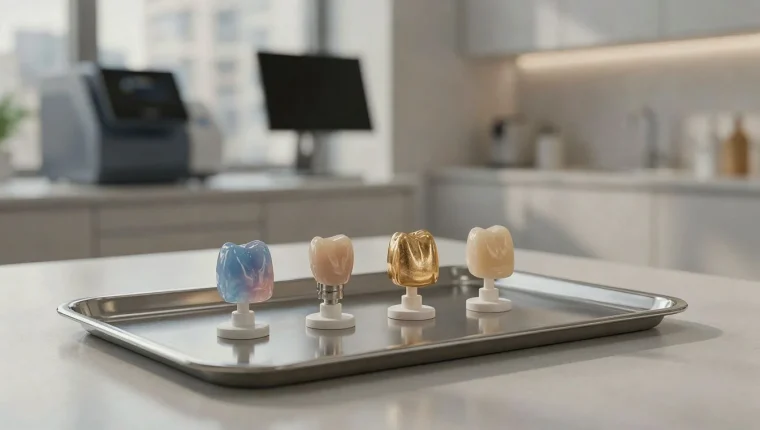
You flew to Turkey for dental crowns, had the work done, and now wonder whether your mouth is ready for the long-haul flight back to Canada. It’s a fair question, and a common one. Many people combine treatment abroad with travel, then worry about pressure changes, sore gums, or problems mid-air over the Atlantic.
The honest answer is that flying after dental crowns in Turkey to Canada is usually fine, but timing and preparation matter more than most people expect. The type of crown work you had, how your body is healing, and how soon you board all shape what the trip will feel like.
This guide walks you through the practical side: realistic recovery windows, what cabin pressure does to fresh dental work, how to handle discomfort at 35,000 feet, and what to do once you land in Canada. It’s not about scaring you off flying. It’s about making sure you board with a clear plan instead of crossed fingers.
How Dental Crowns in Turkey Affect Your Pre-Flight Recovery Window
The recovery window before a flight home isn’t a fixed number you can look up — it depends heavily on the scope of the work performed. A single crown on a healthy tooth with minimal gum disturbance is a very different situation from a full-arch restoration, multiple adjacent crowns, or treatment spread across several appointments. The more teeth involved and the more sessions required, the longer your mouth needs to settle before cabin pressure and dry cabin air become a factor.
What was actually done during your visit matters just as much. Local anesthesia wears off within hours, but the underlying tissue response takes longer. If your dentist placed a temporary crown with the intention of fitting the permanent one later, that provisional restoration is more fragile and less securely bonded — a detail that should directly shape how soon you book your return flight. Permanent cement needs time to reach full stability, and gums that were retracted or trimmed during preparation remain tender and inflamed for days afterward.
Individual healing differences are real and worth respecting. Age, smoking, diabetes, medications that affect clotting or immunity, and how aggressively the crown margins were prepared all influence how quickly your mouth recovers. Some patients feel essentially normal within two or three days; others need a week or more before they’d want to sit through a long-haul flight. Rather than relying on a generic timeline, treat your own comfort and your dentist’s specific discharge guidance as the deciding factors.
Why Timing Your Flight to Canada Too Soon Can Jeopardize New Crowns

Rushing your return flight compresses the most delicate phase of healing into the least forgiving environment. In the first few days after crown placement, your gums and the surrounding tissue are still at peak swelling and tenderness. That is exactly the window when many travelers book their cheapest ticket home — and exactly when your mouth is least equipped to handle the stress of a long-haul journey.
Swelling typically peaks within 48 to 72 hours, so a flight scheduled during that period means you are sitting upright for hours while your gum tissue is inflamed and your bite is still adjusting. Any pressure on the newly seated crown, from chewing or even from clenching during sleep, feels sharper and lasts longer than it would a week later.
The cabin environment compounds this. Low humidity dries out your mouth, reducing the protective saliva that normally cushions and cleans the area. Changes in air pressure can create a dull, throbbing ache in freshly worked teeth, a sensation that is far more noticeable when the tissue beneath the crown is still healing. This is barometric pressure sensitivity, and it is one of the most common reasons a rushed flight feels worse than expected.
There is also a practical risk that outlasts the flight itself. If something goes wrong mid-air — a crown feels loose, a margin irritates your gum, or pain escalates — you land in Canada without your treating dentist and without easy access to the records and materials used in Turkey. Arranging follow-up care then becomes reactive rather than planned, and a minor issue can turn into a replacement or root canal concern.
Giving your crowns even a few extra days before flying is not lost time. It is the difference between arriving home comfortable and arriving home already troubleshooting a problem at 35,000 feet.
Cabin Pressure and Oral Health: What Happens to Dental Work at Altitude
Once the cabin door closes, the environment around your new crowns changes in ways you can’t see but may definitely feel. Aircraft cabins are pressurized to simulate an altitude of roughly 6,000 to 8,000 feet, which means the air pressure inside is lower than what you’d experience at sea level. For most passengers, this is barely noticeable. For teeth that have recently been prepared, cemented, or restored, that pressure shift can produce a range of sensations worth understanding before you board.
The most commonly reported effect involves barometric pressure changes interacting with tiny pockets of trapped air. If a crown was seated over a tooth with even a microscopic void beneath it, or if temporary cement left small gaps, that trapped air can expand slightly as cabin pressure drops. The result is often a dull ache, a feeling of fullness, or a sharp twinge when you bite down. This doesn’t automatically mean the crown is failing, but it does mean your tooth is responding to the physical environment of flight.
Cabin air is also exceptionally dry, typically holding less than 20 percent humidity. That dryness can pull moisture from your gums and soft tissues, leaving them irritated and more sensitive, especially around fresh margins where tissue is still healing. The effect tends to be more pronounced on longer flights and in passengers who are already prone to dry mouth.
How much you notice these effects depends heavily on how recent your procedure was, how extensive the work was, and your own sensitivity threshold. Someone with a single well-seated crown from two weeks ago may feel nothing at all, while someone with multiple new crowns placed days earlier might experience noticeable discomfort during descent.
Essential Precautions Before Boarding with Fresh Dental Crowns
Before you head to the airport, the most important step is a direct conversation with the dentist who placed your crowns. A quick check-up or even a photo sent by message can confirm that the cement has set properly and that no adjustments are needed before you fly. If there is any sign of a loose crown, lingering tenderness, or a bite that feels off, it is worth delaying your departure rather than boarding with a problem that could worsen at altitude.
Once your dentist gives the green light, a few practical precautions can make the journey far smoother:
- Get explicit clearance to fly. Ask your dentist to confirm in writing or by message that you are fit to travel, and note any specific restrictions such as avoiding hard foods or certain medications.
- Carry documentation of your dental work. A brief letter or digital record describing the crowns, materials used, and your treating clinic’s contact details can help if you need to explain your situation to airline staff or a dentist in Canada.
- Time your medication carefully. If you have been prescribed pain relief or antibiotics, plan doses so they cover the flight duration, and check whether any medication needs to be taken with food.
- Avoid aggravating foods and drinks before boarding. Very hot, cold, sticky, or hard items can irritate freshly cemented crowns, so choose soft, lukewarm options in the hours before your flight.
- Do a final comfort check. Gently bite down and run your tongue over the crowns to confirm they feel stable; if anything feels sharp or loose, address it before you leave for the airport.
These steps are not about being overly cautious. They simply reduce the chance that a manageable issue on the ground becomes a painful distraction once you are sealed inside a pressurized cabin with limited options for help. A little preparation before boarding protects both your new crowns and your peace of mind during the long journey to Canada.
Managing Pain, Swelling, and Emergencies During a Long-Haul Flight
Once you are airborne, your options are limited to what you have on hand and what the cabin crew can provide. For routine discomfort, start with the basics: an over-the-counter pain reliever you have already cleared with your dentist, a cold compress improvised from ice wrapped in a napkin, and a saltwater rinse if you brought salt packets. Keeping your head elevated slightly and avoiding chewing on the treated side reduces pressure on the crown. If swelling is mild and stable, these measures are usually enough to get you through the flight.
The more serious scenario is a loose or dislodged crown. If the crown shifts but stays in place, avoid touching it with your tongue or fingers, stop chewing on that side entirely, and switch to soft foods or liquids only. If it comes completely off, keep it safe in a clean container or a piece of gauze, do not attempt to re-cement it yourself, and protect the exposed tooth from extreme temperatures. Pain that escalates despite medication, visible swelling that grows quickly, or difficulty swallowing or breathing are signals to alert cabin crew immediately. Flight attendants can page for medical support on the ground and, in serious cases, coordinate with a physician on board.
If a dental emergency coincides with signs of a systemic reaction, such as facial swelling spreading toward the neck or a fever, treat it as a medical priority rather than a dental inconvenience. Crew members are trained to respond to in-flight medical events and can access ground-based medical consultation. Do not wait until landing if your breathing or swallowing is affected.
What to Pack and How to Prepare for Dental Care in Transit
Packing for a long-haul flight with fresh crowns is less about bringing everything and more about bringing the right things in an order you can reach without digging. Keep your essentials in a small pouch in your seat pocket rather than in the overhead bin, because you may need them while the cabin is dimmed or the seatbelt sign is on. A basic in-flight dental comfort kit covers most situations you are likely to face between Istanbul and Toronto.
- Soft-bristle toothbrush and travel toothpaste: brush gently after meals to keep the crown margins clean, but avoid scrubbing directly along the gum line if it still feels tender.
- Saline rinses or alcohol-free mouthwash: these soothe irritated tissue without the sting that alcohol-based products can cause on healing gums.
- Prescribed pain relief and any antibiotics: keep them in your carry-on with the original pharmacy label, and set a phone alarm so doses are not missed across time zones.
- Dental records and clinic contact details: carry a printed copy of your treatment summary, crown materials, and the Turkish clinic’s emergency number alongside your dentist’s name in Canada.
- Dental wax or temporary cement: if your dentist supplied either, pack it — it can hold a loosened crown steady until you land.
- Lip balm and a refillable water bottle: dry cabin air dries out your mouth, and sipping water regularly is easier on a new crown than chewing ice or hard snacks.
On board, eat soft foods you brought yourself rather than relying on the meal tray, and chew on the opposite side from the crowned tooth. Drink water steadily instead of large amounts at once, and skip alcohol and caffeine, which both dry the mouth and can interfere with pain medication. If your medication schedule spans the flight, split doses around your normal intervals rather than the local clock.
When to Schedule a Follow-Up with a Canadian Dentist After Landing
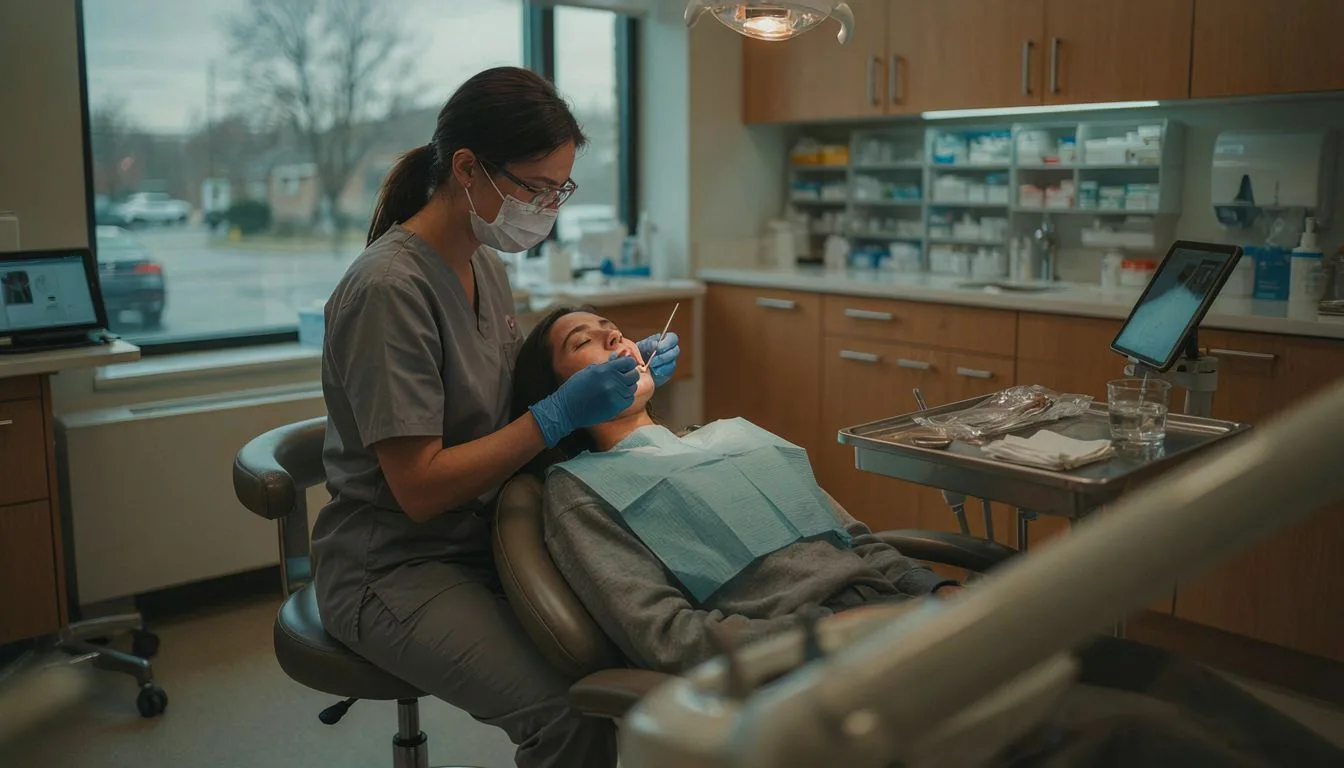
Once you land in Canada, the smartest move is to book a follow-up with a Canadian dentist within one to two weeks of arrival. This window gives your crowns time to settle from the flight while still catching any problems early, before small issues like a slightly high bite or a loose margin turn into bigger ones.
Bring your Turkish clinic’s records to that first appointment: the materials used, the date of placement, and any X-rays or notes you received. A Canadian dentist can then confirm the crowns are seated correctly, check the bite, and document a baseline for future care.
Do not wait for the two-week mark if you notice warning signs. Book sooner if you have persistent pain, sensitivity that does not fade, a crown that feels loose or dislodged, swelling, or a bite that feels uneven. These signals can point to cement failure, infection, or nerve involvement that needs prompt attention.
FAQs
How soon can I fly after getting dental crowns in Turkey before returning to Canada?
Most patients can fly safely 24 to 48 hours after getting dental crowns in Turkey, provided they have no severe pain, significant swelling, or complications from the procedure. Simple crown placements typically cause minimal trauma, so there is usually no medical reason to delay a return flight to Canada beyond a day or two. However, if the crowns were combined with extractions, implants, or bone grafting, your dentist may recommend waiting 3 to 7 days before flying to reduce the risk of bleeding, swelling, or sinus pressure issues. Always follow your treating dentist's specific advice, since your individual healing and the complexity of the work determine the safest timeframe.
Does the cabin pressure during a flight from Turkey to Canada affect new dental crowns or the healing process?
Cabin pressure changes during a flight from Turkey to Canada are generally too small to damage properly cemented dental crowns, since commercial aircraft maintain a pressurized cabin equivalent to roughly 6,000–8,000 feet of altitude. The main concern is not pressure itself but trapped air under a temporary crown or within a recently treated tooth, which can cause discomfort if a root canal or extraction site is still healing. If you have a temporary crown or recent extraction, flying is usually safe, but avoiding flights for a few days after major dental surgery reduces the risk of pain or bleeding.
What should I do if a dental crown feels loose or painful during my flight back to Canada?
Avoid chewing on that side and switch to soft, cool foods and drinks to keep pressure and temperature changes off the tooth. If the crown is loose, do not try to glue it back on yourself; keep it safe and see a dentist promptly after landing, since a dislodged crown can expose the underlying tooth to damage. For pain, an over-the-counter painkiller such as ibuprofen or acetaminophen may help, but seek urgent dental care if you develop severe pain, facial swelling, fever, or difficulty swallowing or breathing.