Getting a dental crown is usually straightforward, but recovery in the days and weeks after matters just as much as the appointment. Most people leave the chair wondering how long sensitivity will last, when chewing will feel normal again, and whether slight gum pressure is expected or a warning sign. The dental crowns recovery timeline moves through distinct phases, from the first few hours of numbness and tenderness to the crown gradually settling over the coming weeks.
Knowing what belongs to each stage helps you tell ordinary adjustment from something that needs a call to your dentist. Mild soreness, a temporary change in bite, and sensitivity to hot or cold are common early on and typically ease with time. Sharp pain, a loose crown, or swelling that worsens is not part of normal healing.
Timelines vary from person to person, but the general arc is predictable enough to plan around. The practical steps for each phase, from the first day through long-term care, are what keep the process on track.
What Happens Immediately After Crown Placement
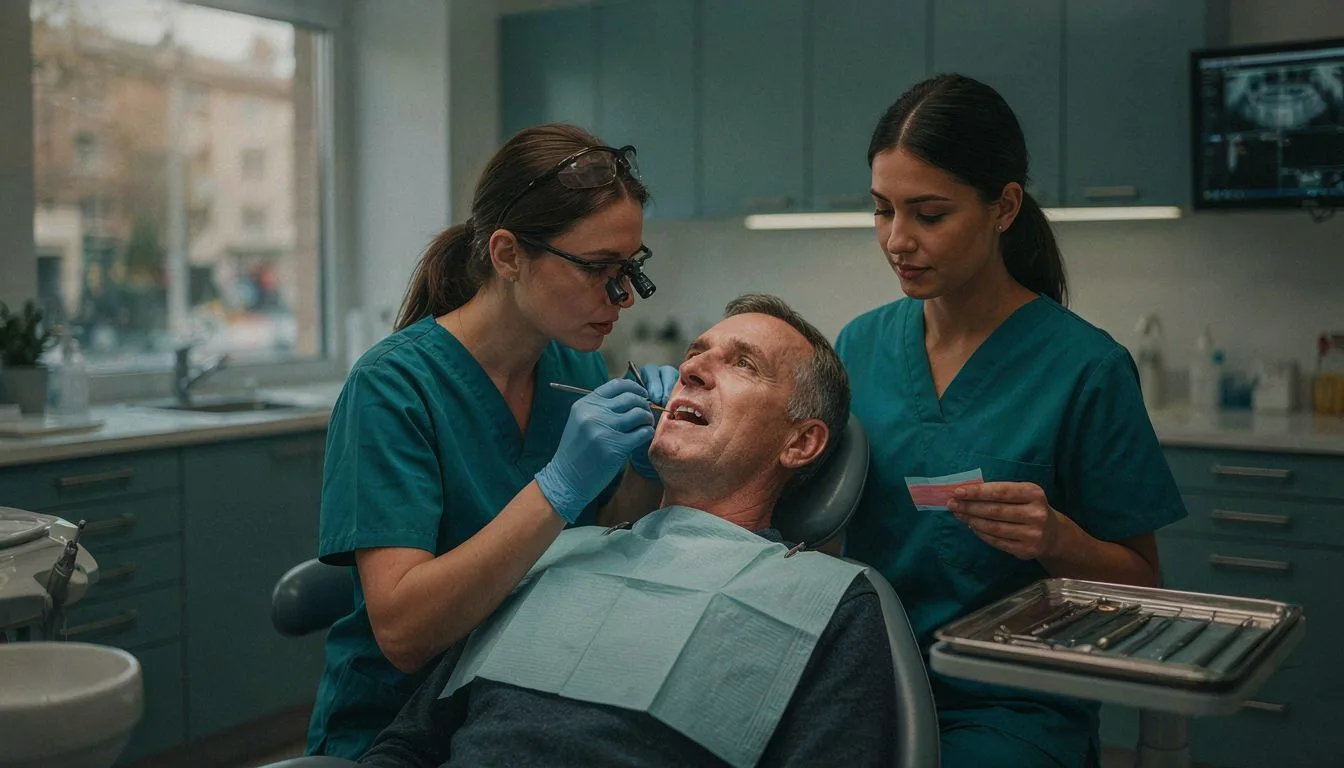
Once the crown is seated, most people notice a few predictable sensations within minutes. The most common is pressure around the tooth as the restoration settles into place, often described as a tight or “full” feeling rather than sharp pain. If local anesthesia was used, the numbing effect usually lingers for one to three hours, fading gradually from the lips and cheek inward. Until it fully wears off, avoid chewing on that side and be careful with hot drinks, since you could bite your tongue or cheek without realizing it.
Before you leave the chair, your dentist typically runs a short checklist. They verify the bite by asking you to tap and grind lightly, then adjust the surface if any spot feels high. They also check the margins, where the crown meets the gum line, to confirm a smooth seal with no lip or ledge. Floss is passed around the tooth to make sure it slides through without catching. If everything checks out, you should feel even contact when you close your mouth.
Temporary and permanent crowns differ in this early window. A temporary is usually acrylic or resin, cemented lightly so it can be removed later, and it may feel slightly rough or less precise. A permanent crown, whether ceramic, metal, or zirconia, is bonded more securely and should feel closer to a natural tooth from the start. Mild tenderness around the gum is normal for both and typically eases within a day or two.
Managing Pain and Sensitivity in the First Few Days
In the first few days after a crown is placed, some soreness and sensitivity are expected and usually manageable. Most people notice gum tenderness around the treated tooth, a dull ache when biting, and a sharp twinge with cold drinks. This discomfort typically peaks within the first 24 to 48 hours and eases steadily over the next week as the tissue settles. Cold sensitivity often lingers a little longer, especially if the tooth underneath was prepared close to the nerve, but it should fade gradually rather than intensify.
For routine relief, an over-the-counter pain reliever such as ibuprofen or acetaminophen is usually enough, taken as directed on the label. If you have stomach, kidney, or bleeding concerns, check with your dentist or pharmacist before choosing one. When soreness is more stubborn, it is reasonable to call the office and ask whether a stronger option or a different approach makes sense for you. There is no prize for enduring pain silently.
Reducing triggers helps as much as medication. Try sipping cold beverages through a straw, avoiding very hot or icy foods for a few days, and chewing on the opposite side. A soft diet and gentle brushing around the area keep irritation low. The key is knowing what counts as normal post-crown sensitivity versus something that needs a call: mild soreness that improves daily is normal, while pain that worsens, throbs at night, or keeps you awake is not.
When Temporary Crowns Come Off and What to Do
Temporary crowns are provisional restorations, and they are not bonded with the same strength as a permanent crown. That is by design: your dentist needs to remove the temporary easily once the final crown is ready. Because the cement is weaker and the material is thinner, a temporary can loosen or come off before your next appointment. This is common and rarely a disaster, but it does need a prompt response.
If your temporary crown falls off, retrieve it if you can and keep it safe. Rinse your mouth gently with warm salt water, and avoid chewing on that side. Exposed tooth structure can shift or become sensitive within a short time, so call your dentist’s office the same day. Most practices will see you quickly or offer same-day re-cementation. If the office is closed and you have no pain, covering the tooth with dental wax or a small piece of sugar-free gum (if you have no allergies) can protect it until you are seen.
What you should not do is attempt a permanent fix yourself. Over-the-counter dental adhesives, superglue, or firm pressure can damage the tooth or the temporary, and they make professional re-cementation harder. If the temporary is cracked but still in place, leave it alone and call for guidance. Sharp edges can be smoothed with an emery board if they irritate your tongue, but avoid trimming the crown itself.
Contact your dentist immediately if the tooth is painful, bleeding, or if you notice swelling or a bad taste. Those signs suggest something beyond a simple loose crown, and they should be evaluated rather than watched at home.
Eating and Drinking Safely During Early Healing
Your new crown may feel solid, but the tissues around it are still adjusting, and what you put in your mouth during the first days can make or break that adjustment. The safest approach early on is to favor soft, room-temperature foods that demand minimal chewing. Think scrambled eggs, yogurt, mashed potatoes, smoothies, oatmeal, and well-cooked pasta. Cold items can aggravate lingering sensitivity, while hot soup or coffee may sting freshly prepared gum margins, so let things cool before eating.
Certain habits carry real risk right now. Crunchy, sticky, or hard foods — ice, nuts, popcorn kernels, caramel, crusty bread — can catch an edge and dislodge a temporary crown or irritate tender gums. Chewing directly on the crowned tooth is best avoided; shift your bite to the opposite side instead. Skip chewing gum entirely, and be cautious with straws, since the suction can tug at a loose temporary. If you must snack between meals, choose something soft and neutral.
As the soreness fades over the first week or so, you can begin reintroducing firmer textures gradually. Try one new food at a time and pay attention to how the tooth responds. Sharp pain when biting down is your cue to back off and let things settle longer. Once your gums feel calm and chewing is comfortable, most normal foods return without trouble — just keep up gentle, consistent care as healing continues.
How to Care for Your Crown as Gums Adjust

Once the crown is in place, your gums still have some adapting to do. The margin where crown meets tooth is the area that needs the most attention, because plaque collects there easily and irritated tissue can feel sore for a week or two. Use a soft-bristled brush and angle it gently toward the gum line, sweeping away from the crown rather than scrubbing back and forth. Flossing matters just as much, but thread the floss carefully: slide it out to the side instead of snapping it upward, since a sharp pull can tug at the margin.
Some tenderness and light bleeding during the first weeks is common as the gum contour reshapes around the restoration. A soft-bristled brush plus warm saltwater rinses usually calm that irritation. Skip stiff brushes, abrasive toothpastes, and water flossers aimed directly at the margin, as these can aggravate healing tissue. If bleeding persists beyond two weeks or the gum pulls away from the crown, that is worth a call to your dentist rather than a wait-and-see approach.
Warning Signs That Need a Dentist's Attention
Most discomfort after a crown placement fades within a week, so the key question is not whether you feel anything at all, but whether your symptoms are improving or moving in the wrong direction. Pain that keeps getting worse after the first few days, or that never eases, deserves a call to your dentist rather than another dose of pain relief.
Watch for signs that an infection has taken hold: swelling in your gum, jaw, or face, a fever, pus or a strange discharge around the crown, or a persistent bad taste that rinsing does not fix. These are not part of a normal recovery and should be evaluated promptly.
Bite problems also matter. If the crown feels high, your other teeth meet unevenly, or the crown rocks or feels loose when you press on it, the fit needs adjusting. Left alone, a high bite can strain the tooth and surrounding tissue and delay healing.
Finally, numbness or tingling that lingers well beyond the expected numbing period, or any new nerve-like sensations, is not something to wait out. Contact your dentist so the cause can be checked and addressed early.
Long-Term Crown Care and When Replacement Is Needed
Once the immediate recovery phase is behind you, the real work of protecting your crown begins. Daily habits matter more than most people expect: avoid chewing ice, hard candy, or unpopped popcorn kernels, and if you grind your teeth at night, ask your dentist about a night guard. Bruxism is one of the most common reasons a crown chips, loosens, or wears down prematurely.
Routine dental visits remain essential because a crown can fail underneath while looking perfectly fine on the surface. At checkups, your dentist monitors the crown margins, checks for recurrent decay around the edges, evaluates your bite for uneven contact, and watches for gum recession that can expose the crown’s border. These problems often develop silently, which is why X-rays and probing at regular intervals catch them early.
Know the signs that a crown is failing: a visible crack, a chip, a crown that feels loose or shifts when you bite, persistent bad taste or odor near the tooth, or new sensitivity to hot and cold. Any of these warrant a prompt visit rather than a wait-and-see approach.
Crown lifespan varies widely. With good hygiene, a healthy bite, and regular professional care, many crowns last ten to fifteen years or longer; heavy grinding, poor oral hygiene, or a misaligned bite can shorten that considerably. When replacement becomes necessary, it is usually because of decay at the margin, structural failure, or gum changes, not simply the passage of time.
FAQs
How long does the dental crowns recovery timeline typically last from placement to full adjustment?
Most people adjust to a new dental crown within a few days to two weeks after placement. Mild sensitivity or a slightly foreign feeling usually fades as the bite settles and the gum tissue heals. If discomfort or an uneven bite persists beyond two to four weeks, the crown may need occlusal adjustment by your dentist.
What can you eat and drink during the first few days of the dental crowns recovery timeline?
During the first few days after getting dental crowns, stick to soft, cool, or lukewarm foods such as yogurt, scrambled eggs, mashed potatoes, smoothies, soup, and applesauce to avoid irritating sensitive gums or temporary crowns. Avoid very hot, crunchy, sticky, or hard foods and drinks, and skip alcohol and acidic beverages like citrus juice or soda, which can sting or weaken temporary cement. Drink plenty of water and avoid chewing on the crowned side of your mouth until any soreness subsides.
When should you call your dentist if pain or sensitivity persists beyond the expected dental crowns recovery timeline?
Call your dentist if pain or sensitivity lasts longer than one to two weeks after getting a crown, since mild discomfort during the first few days is normal but persistent symptoms can signal an ill-fitting crown, a bite problem, or an underlying issue like decay or nerve inflammation. You should also contact the office right away if the pain becomes severe, worsens over time, or is accompanied by swelling, a bad taste, or a loose crown. Early evaluation lets your dentist adjust the crown or treat the cause before the problem progresses.