If you’re a Canadian weighing a crown quote from your local dentist against the cost of treatment abroad, you’re facing a real decision. A single crown at home can cost hundreds or more, and a full set of restorations can exceed what many households can afford. That gap leads many Canadians to search for dental crowns Turkey for Canadians, but the answer isn’t as simple as a price tag.
This guide walks through the questions that actually matter: what drives the cost difference, how to judge clinic quality, what the timeline looks like, and what happens when you’re back home and something needs attention. We’ll give you a framework to decide for yourself — not clinical advice, and not a promise that cheaper always means better.
Why Canadians Consider Dental Crowns in Turkey
Most Canadians who start researching overseas crown work aren’t chasing a bargain for its own sake. They’re reacting to a specific set of pressures that make staying home feel impractical. Understanding those pressures helps explain why Turkey has become a realistic option rather than a last resort.
The first driver is insurance coverage gaps. While basic exams and cleanings are often partially reimbursed, crowns typically fall outside standard Canadian plans or are covered at a fraction of the real fee. When a dentist quotes a crown at several hundred to well over a thousand dollars, that gap lands entirely on the patient. For someone needing a single crown, it’s an inconvenience. For someone facing multiple crowns or full-mouth restoration, it becomes a serious financial decision.
Access adds another layer. Wait times for specialist referrals and treatment vary widely across provinces, and in some regions the delay between diagnosis and a finished crown stretches across weeks. That timeline matters when a tooth is cracked, painful, or at risk of further damage.
Then there’s the travel factor. Turkey offers a chance to combine treatment with a trip, which softens the sense that the whole exercise is purely medical. For many Canadians, that combination of cost relief, faster scheduling, and a destination they’d genuinely enjoy visiting is what moves Turkey from curiosity to shortlist.
Typical Cost of Dental Crowns in Canada vs Turkey
Cost is usually the first thing Canadians want to pin down, and it’s also where the gap is widest. In Canada, a single crown typically runs from about $800 to $2,000 per tooth, depending on the material and where you live. A porcelain-fused-to-metal crown often lands in the lower half of that range, while all-ceramic or zirconia crowns push toward the top. Province matters too: fees in Ontario, British Columbia, and Alberta tend to sit higher than in parts of the Prairies or Atlantic Canada, and a specialist rather than a general dentist can add another few hundred dollars.
In Turkey, the same crown commonly costs between $150 and $400 per tooth at a reputable clinic, with all-inclusive packages frequently bundling the crown, temporary, x-rays, and sometimes accommodation or transfers. What’s usually not included: flights, travel insurance, meals, and any follow-up visit back in Canada. Those extras can add several hundred to over a thousand dollars, so the true comparison is rarely as dramatic as the headline price suggests.
| Factor | Canada | Turkey |
|---|---|---|
| PFM crown (per tooth) | $800 – $1,200 | $150 – $250 |
| All-ceramic / zirconia | $1,200 – $2,000 | $250 – $400 |
| Included in price | Crown, fitting, local follow-up | Crown, temporary, x-rays, often transfers |
| Typically excluded | — | Flights, hotels, insurance, Canadian follow-up |
These figures shift with exchange rates and clinic pricing, so treat them as a starting point and confirm current quotes before committing. The real question is whether the lower Turkish price reflects a genuine saving or a shortcut on materials and lab work — which is exactly what the next section examines.
How Turkish Clinics Set Themselves Apart in Crown Quality
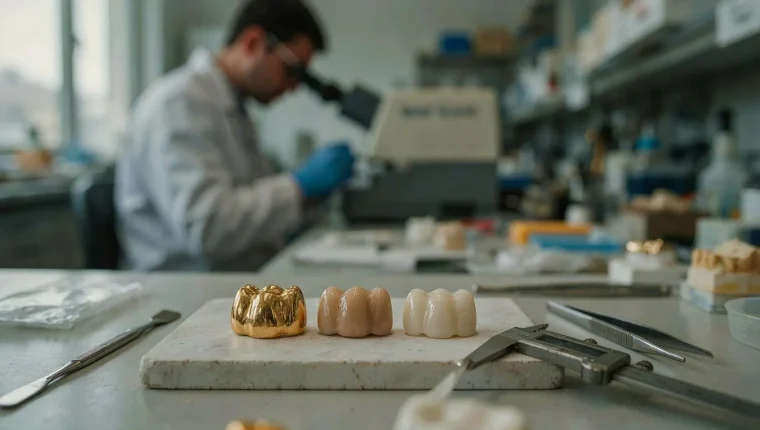
Quality in crown work comes down to what goes into your mouth and who puts it there. Turkish clinics that treat international patients tend to stock the same materials Canadian dentists use: zirconia for strength and a natural look, lithium disilicate (often called e.max) for front teeth where light transmission matters, and metal-ceramic for molars where durability outweighs aesthetics. The difference is rarely the brand — it’s how consistently a clinic uses the right material for the right tooth instead of defaulting to whatever is cheapest.
Behind the scenes, many established Turkish clinics have moved to digital scanning and CAD/CAM milling, which cuts down on the impression discomfort and lab turnaround that older methods required. A crown designed and milled on-site can be fitted in fewer visits, which matters when you’ve flown across an ocean. Labs attached to high-volume clinics also tend to run tighter quality control simply because they produce more units per week.
Dentist training is the variable Canadians should weigh most carefully. Turkey graduates a large number of dentists each year, and the strongest clinics employ practitioners with postgraduate specialization in prosthodontics and years of implant and crown case volume behind them. Many also hold ISO certifications or international accreditations and maintain dedicated coordinators for foreign patients — a signal that the clinic has built its workflow around people who arrive, get treated, and fly home within a week.
How you verify any of these signals before booking is a separate question, and one worth approaching with the same scrutiny you’d apply to any medical decision.
What the Treatment Timeline Looks Like for Canadian Patients

Planning a trip abroad for dental work is really a logistics exercise as much as a medical one, and most Canadians want to know exactly how many days they need to block off before they book flights. The honest answer is that the timeline depends on the crown type, the number of teeth involved, and whether any preparatory work such as a root canal is needed. For a single crown on a healthy tooth, the process is typically compressed into two short trips or one extended stay, and clinics that work with international patients are used to building schedules around arrival and departure dates.
Here is how the sequence usually unfolds from first contact to heading home:
- Consultation and treatment planning before travel. You send X-rays, photos, and a short history to the clinic, which then confirms whether a crown is appropriate and quotes a price and date range.
- First visit: preparation, impressions, temporary crowns. The tooth is reshaped, digital or physical impressions are taken, and a temporary crown is fitted while the permanent one is made.
- Second visit: fitting and cementing permanent crowns. The final crown is checked for fit, bite, and shade, then cemented into place.
- Total trip length and what affects it. A single crown often fits into five to seven days, while multiple crowns, implants, or gum treatment can stretch the stay to two weeks or more.
The gap between the two visits is the part that catches people off guard. Because the permanent crown has to be fabricated after your tooth is prepared, some clinics schedule the second appointment a few days later, while others ask patients to return after several weeks. That second option means two separate trips, which adds airfare and time off work to the equation. Many Canadian patients choose clinics that can complete the work in one continuous stay, and confirming this detail in writing before booking is one of the simplest ways to keep the trip predictable.
Choosing a Reliable Clinic for Dental Crowns Turkey for Canadians
Separating a well-run Turkish crown clinic from a risky one comes down to documentation, not marketing polish. Canadian patients cannot rely on the same provincial regulators they would at home, so the burden of verification shifts to the patient before any deposit changes hands. Because dental crowns in Turkey are typically priced far below Canadian rates, the savings are real, but so is the variation in quality between clinics. The practical response is to treat every clinic as unverified until it proves otherwise, and to judge it on the paper trail it is willing to put in front of you rather than on the testimonials and photos on its website. The checks below cover the areas where weak clinics most often fall short, and each one can be completed before you commit any money.
- Credentials and registration: Ask for the dentist’s diploma, specialty title, and registration with the Turkish Dental Association, then check that the name matches the practitioner actually performing your crown work.
- Before-and-after cases: Request real photos of completed crown cases, ideally including patients with a similar bite or material need, plus references you can contact directly.
- Warranty and revision terms: Get the warranty length, what voids it, and who covers a remake in writing — a promise made verbally is not a policy.
- Pricing transparency: A written quote should list crown material, number of units, lab fees, X-rays, and any revision costs, so the final bill cannot drift upward.
- Communication and contract terms: Response speed before payment is a fair preview of aftercare; read the treatment agreement for cancellation, refund, and complication clauses.
A clinic that answers these requests promptly and in writing is showing you its operating standard. One that deflects, delays, or answers only in vague terms is telling you something just as clearly. For Canadians weighing a trip abroad for crown work, that distinction matters more than any discount, because a failed crown means a second round of travel, time off work, and repair costs that erase the original saving. Work through the list methodically, keep every reply in writing, and let the clinic’s own responsiveness decide whether it has earned your trust.
Potential Risks and Aftercare After Returning to Canada
Even a well-made crown can cause problems once you’re back home, and knowing what’s normal versus what needs attention saves you a lot of worry. In the first days and weeks after cementing, post-cementation sensitivity is the most common complaint — a mild ache when biting or drinking something cold. It usually fades within two to four weeks as the ligament around the tooth settles. If your bite feels high or uneven, that’s a fit problem, not a sign the crown failed; it needs a simple adjustment from a dentist, and leaving it alone can cause jaw pain or crack the crown.
Longer-term risks are less frequent but more serious. Cement can wash out over time, letting bacteria seep under the crown and trigger decay or a root problem that may need a root canal or replacement. Crowns can also chip, loosen, or fracture at the margin, especially if the bite wasn’t balanced properly in the first place.
Finding a Canadian dentist willing to take on follow-up work is realistic but not guaranteed. Some are happy to adjust or re-cement a crown they didn’t place; others prefer not to touch another clinic’s work. Call ahead and be upfront about where the crown was made. For anything beyond a routine adjustment, you’ll need to coordinate with the Turkish clinic remotely — send clear photos, describe the symptoms, and ask what your warranty covers. Most reputable clinics will honor a revision or replacement, but you’ll typically pay for the flight or for a local dentist’s chair time, so factor that into your expectations before you travel.
Is the Savings and Outcome Worth It for Canadians

The savings only justify the trip when the math works for your specific case. If you need one or two crowns and live near a major airport, the gap between Canadian and Turkish pricing can still cover flights, hotel, and time off work with room left over. But once you factor in multiple trips, complex cases needing bone work or gum treatment, or unpaid leave, the advantage narrows quickly.
Price is not the only variable. Case complexity matters most: straightforward single crowns on healthy teeth travel well, while cracked roots, bite problems, or failed previous work raise the risk of needing revisions you cannot easily get fixed at home. Your comfort with travel, language barriers, and unfamiliar clinics also shapes whether the experience feels manageable or stressful.
Before booking, ask yourself a few honest questions. Can you afford a return trip if a crown needs adjusting? Do you have a Canadian dentist willing to handle follow-up care? Is your schedule flexible enough to absorb delays? Does the quoted price include the final cementation visit, or only the preparation stage?
There is no universal answer. For some Canadians, the savings and outcome clearly justify the trip. For others, staying local is the safer, simpler choice. Weigh your own priorities rather than chasing the lowest quote.
FAQs
How much can Canadians realistically save on dental crowns in Turkey compared to prices at home?
Canadians typically pay between CAD 800 and CAD 2,000 per dental crown at home, while clinics in Turkey often charge CAD 150 to CAD 400 for the same procedure, including materials like zirconia. This means realistic savings commonly fall in the range of 60% to 80% per crown, even after factoring in flights and accommodation for a combined dental trip. For patients needing multiple crowns, total savings can easily reach several thousand dollars, though final costs depend on the specific clinic, crown material, and any additional treatments required.
Are dental crowns Turkey for Canadians safe and held to reliable quality standards?
Dental crowns in Turkey are generally safe when performed at accredited clinics that use internationally certified materials and follow European Union or ISO quality standards. Many Turkish dental centers serving Canadian patients hold JCI accreditation or ISO 9001 certification, and their crowns often come with warranties of five to ten years. Because regulation varies between clinics, Canadians should verify a provider's credentials, lab certifications, and patient reviews before treatment.
What should Canadians know about follow-up care and complications after getting crowns abroad?
Canadians who get crowns abroad should arrange follow-up care with a Canadian dentist before or shortly after treatment, since most provincial plans and private insurers will not cover complications arising from overseas dental work. If a crown causes persistent pain, loosening, bite problems, or infection, a Canadian dentist can often adjust, recement, or replace it, but you will typically pay out of pocket for that corrective care. Serious complications such as nerve damage, infection, or a crown that fails soon after placement may require root canal treatment, extraction, or a new crown, so keep all treatment records and X-rays from the overseas clinic. Because standards and materials vary widely between clinics, getting a prompt post-return exam helps catch problems early and gives you a realistic estimate of any repair costs.