Getting dental crowns in Turkey usually starts with a question: how much do I pay upfront, and when is the rest due? International patients need to know the total price, what a deposit covers, which payment methods clinics accept, and how the final balance is settled. Most clinics structure costs around the crown type, the number of teeth, and any extra work such as root canal treatment or temporary crowns. A deposit typically secures your appointment and materials, while the remaining balance is paid during or after treatment. Understanding dental crowns Turkey payment terms before committing helps you avoid surprises. This guide covers pricing, deposits, payment methods, bank transfers, insurance, staged payments, and final balance terms.
How Dental Crown Pricing Works in Turkey
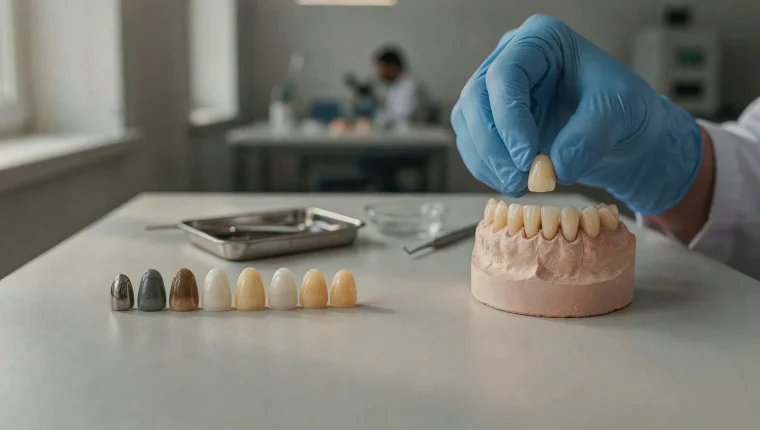
A crown quote in Turkey is not a single fixed number; it is a sum of several parts, and understanding those parts helps you compare offers fairly. The biggest factor is usually the crown material. A base metal alloy crown, a porcelain-fused-to-metal crown, a full zirconia crown, and a layered e.max crown sit at different price points, and brand-name blocks from established manufacturers often cost more than generic equivalents. Two clinics can quote very different totals for what sounds like the same tooth.
The number of crowns and the complexity of your case also shift the price. A single crown on a straightforward tooth is simpler to plan, prepare, and fit than a bridge, a full-mouth restoration, or a case needing root canal treatment, gum work, or bite correction first. More units mean more chair time, more lab work, and often a discount per unit as the total order grows.
Where the clinic sits matters too. Practices in major cities or popular dental tourism districts carry different overheads than smaller regional clinics, and that shows up in the quote. What is included also varies: some prices bundle consultation, X-rays, temporary crowns, and fittings, while others list them separately.
Watch for what an advertised price leaves out. Sedation, extra scans, replacement temporaries, or a second visit for final fitting are common exclusions. Reading the quote line by line tells you the real total before you commit.
Typical Deposit Requirements Before Treatment Begins
Clinics in Turkey rarely ask for the full treatment cost upfront. Instead, most request a deposit that secures your place in the schedule and signals that you are a serious patient, not a casual inquiry. The most common reasons are simple: a deposit protects the clinic’s time, covers the first lab steps, and reduces the risk of a no-show after a slot has been reserved for you.
Deposit size usually tracks the scope of your case. A single crown may require only a modest amount, while multi-crown or full-mouth work often calls for a larger upfront sum because more materials and lab hours are committed early. In practice, the deposit typically reserves three things: your appointment date, the initial lab work, and the materials ordered for your case.
Before paying, ask a few direct questions. Is the deposit fixed or a percentage of the quote? What exactly does it cover, and is it deducted from the final balance? What happens if your plans change? Get the answers in writing, because refund and cancellation terms belong in your agreement, and the payment methods available for deposits vary by clinic.
Accepted Payment Methods for International Patients
Once a quote and deposit are settled, the next practical question is how to actually move the money. International patients generally choose between card payments, cash, and bank transfers, and each option carries its own trade-offs in cost, speed, and convenience.
Cards are the most familiar route. Most clinics in Turkey accept major credit and debit cards, and this is often the simplest way to pay a deposit remotely or settle a balance on arrival. The catch is that your home bank may apply a foreign transaction fee, typically a small percentage of the total, plus a currency conversion markup if the charge is processed in Turkish lira. A large crown or full-mouth bill makes that percentage worth checking before you swipe.
Cash remains widely accepted for in-clinic payments and avoids card fees altogether, but it comes with its own risks. Carrying a substantial sum through airports and hotels is impractical and insecure, and not every clinic is comfortable handling large cash amounts. If you plan to pay this way, confirm it in advance rather than assuming.
Bank transfers are the standard method for larger treatments and cross-border deposits. They are secure, traceable, and usually the cheapest option for significant sums, though they take a few business days to clear and involve intermediary bank charges. Before committing, ask the clinic directly which currencies it accepts, who absorbs the transfer fees, and what exchange rate applies. Getting those answers upfront prevents unpleasant surprises when the final balance is calculated.
Using Bank Transfers and Currency Exchange Wisely

When you send money to a Turkish clinic, the two costs you can actually control are the transfer fee and the exchange rate. A traditional bank wire is often the most expensive route: sending banks, intermediary banks, and the receiving bank may each take a cut, and the exchange rate applied is rarely the one you see on Google. Dedicated transfer services usually charge a lower, more transparent fee and show you the exact rate before you confirm, which makes it easier to compare what the clinic will actually receive.
Timing matters too. Exchange rates move daily, so if your quote is in euros or US dollars and you are paying from a different currency, watching the rate for a few days before converting can save a meaningful amount on a large treatment bill. The safest approach is to match the currency of your quote to the currency you send, so the clinic is not applying its own conversion on top of yours.
Finally, always include a clear transfer reference, such as your patient name and case number, and keep the confirmation document. This makes your payment easy to trace and avoids confusion when the clinic reconciles incoming funds. If the clinic asks for a screenshot or SWIFT confirmation, send it promptly rather than waiting for the money to land.
Insurance, Refunds, and Written Payment Agreements
Most international patients pay for dental crowns in Turkey entirely out of pocket, because dental insurance rarely travels across borders. Even policies that cover crowns at home often exclude treatment abroad, reimburse only a small fraction, or require pre-authorization that a short trip cannot accommodate. Before you assume your insurer will help, call them and ask directly whether they cover overseas dental treatment and what proof they need. If reimbursement is possible, you will typically need itemized invoices, a treatment report, and proof of payment — documents worth requesting from the clinic on day one.
This is why a written payment agreement matters more than a verbal promise. Ask for a document that states the total price, what the deposit covers, the payment schedule, and the exact conditions for cancellation and refunds. Confirm in advance how much notice you must give to cancel, whether the deposit is refundable if lab work has already begun, and how long a refund takes to process.
Get every commitment in writing before you pay anything. If a clinic hesitates to put refund terms on paper, treat that as a warning sign rather than a minor detail.
Staged Payments for Multi-Crown and Full-Mouth Cases
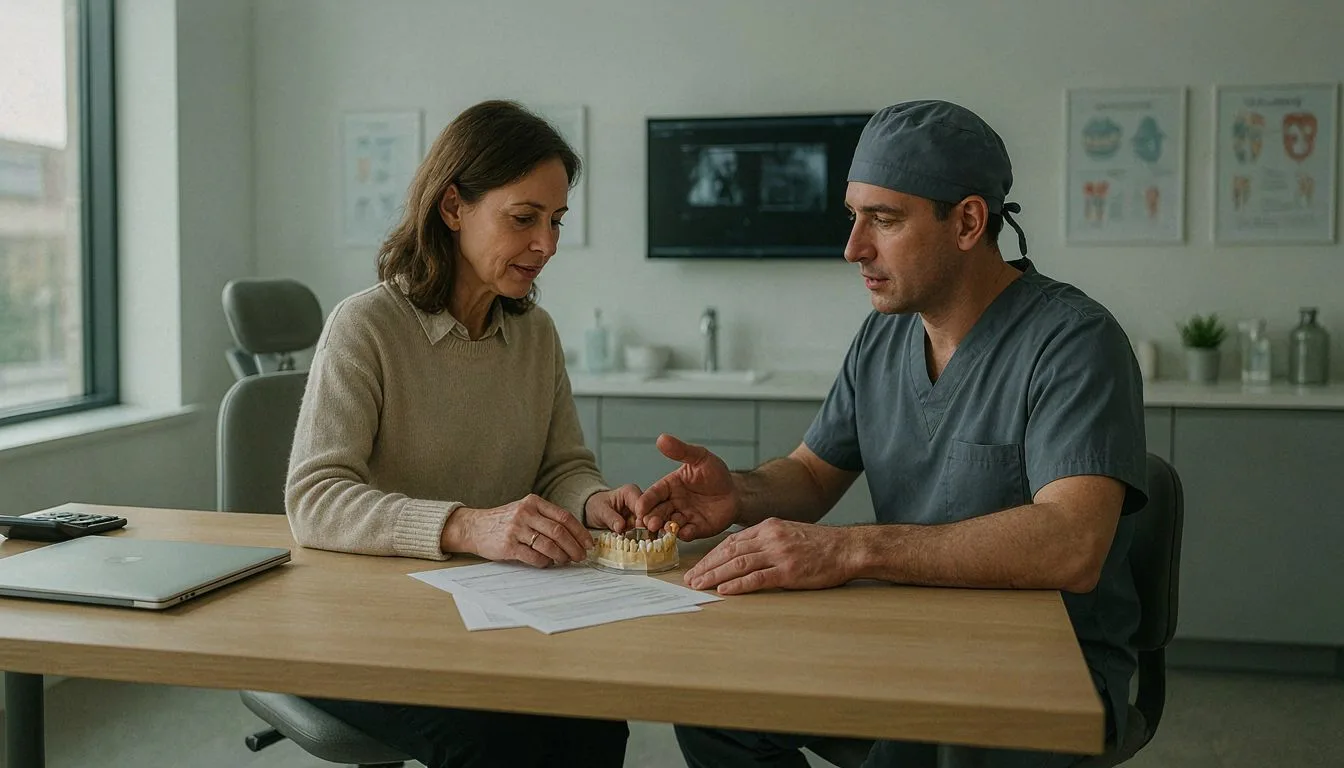
Multi-crown and full-mouth treatments rarely fit into a single appointment. When a case involves several crowns, bridges, or a full arch, the work is usually divided into stages: preparation and impressions, a try-in or fitting phase, and final cementation. Each stage opens a natural point to split the payment, so the amount you owe stays connected to the work actually completed rather than to a distant finish line.
Before the first stage begins, agree in writing on how the total is divided. A common approach is a deposit that covers initial lab work and materials, followed by one or two interim payments tied to specific milestones, with the remainder due at completion. Ask which stage each payment covers and confirm the amount in the currency of your quote, since mixing currencies mid-treatment can shift what you actually pay.
Travel dates and payment deadlines often collide. If a stage falls while you are back home, confirm whether the interim payment is due before the next visit or on arrival, and whether the clinic needs cleared funds before it can schedule lab work. Linking each payment to a treatment milestone keeps expectations clear on both sides.
Keep a simple record as you go: date, amount, currency, and the stage it covered. A short table or a folder of receipts is enough, and it makes the final balance straightforward to verify when treatment ends.
Final Balance, Receipts, and Aftercare Payment Terms
Most clinics expect the remaining balance to be settled on the day your crowns are fitted, or immediately after the final fitting appointment while you are still in the clinic. Some practices ask for it before the last session so the lab releases the finished work; others wait until you have seen the result and confirmed the fit. Ask at the start which point applies to you, because it changes how much cash or card limit you need available on that final day.
Before you leave, collect your final payment receipt along with a treatment summary that lists the crowns placed, the materials used, and the dates of each visit. These documents matter for insurance claims, for any warranty you were promised, and for your own records. If you paid by transfer, keep the bank confirmation alongside the clinic receipt so the two amounts match clearly.
Aftercare is where costs can quietly appear. A routine review or a minor bite adjustment is usually included, but replacement crowns, new impressions, or treatment for a complication may be charged separately. Confirm in writing what your aftercare covers and for how long.
If a payment issue surfaces after you return home, contact the clinic before disputing anything with your bank. Most problems are simple mismatches that a receipt and a short email can resolve. Keep every document until any warranty period ends.
FAQs
How much deposit do clinics typically require for dental crowns in Turkey?
Most clinics in Turkey ask for a deposit of around 10% to 30% of the total treatment cost to secure your appointment, though some request a fixed amount such as €50 to €200 per crown. The remaining balance is typically paid when the crowns are fitted. Policies vary widely, so confirm the exact deposit and refund terms directly with your chosen clinic before booking.
Can I use a credit card or bank transfer for my dental crowns Turkey payment?
Most dental clinics in Turkey accept major credit cards, and many also accept bank transfers for dental crown payments. Credit cards are convenient for international patients and often allow installment options, while bank transfers can be useful for larger amounts. It is best to confirm accepted payment methods and any currency or transaction fees directly with your chosen clinic before treatment.
What happens to my deposit if I need to cancel or reschedule my dental crown treatment?
Deposits for dental crown treatment are typically refundable if you cancel within the clinic's notice period, which is often 24 to 48 hours before your appointment. Cancelling later or missing the appointment may result in losing part or all of the deposit, since the clinic has already reserved time and possibly ordered custom materials. Rescheduling is usually allowed without penalty when you give sufficient notice, but policies vary by practice, so confirm the specific terms in writing before paying.