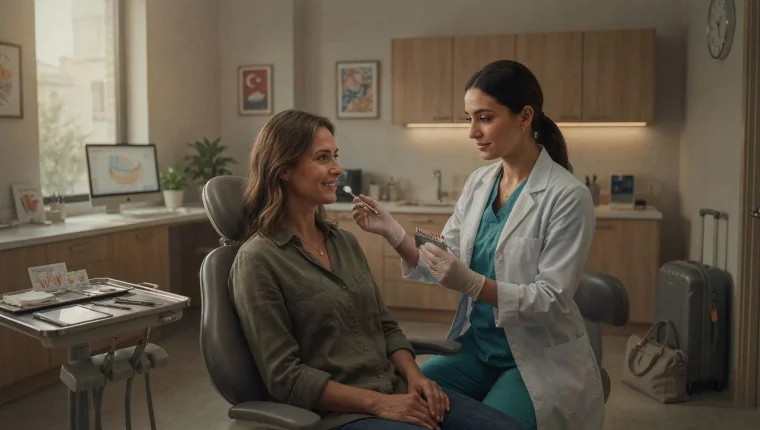
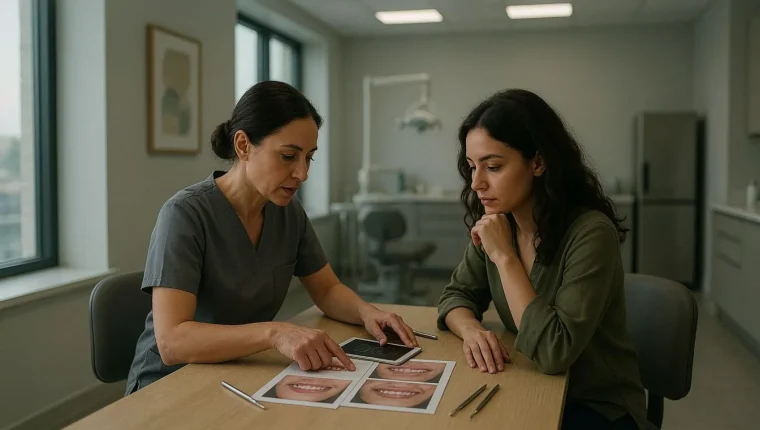
Planning dental veneers in Turkey involves more than arranging the procedure and booking a flight home. You need enough time for your teeth to be assessed, the veneers to be designed and fitted, and your dentist to confirm that everything is comfortable and functioning properly. Most patients stay for around 5 to 7 days, although the exact length depends on the treatment plan, the number of veneers, and whether additional procedures are needed. Some clinics may complete treatment faster, while more complex cases can require a longer visit or a second appointment. Staying for the recommended period gives your dentist time to make necessary adjustments and helps you return home with greater confidence. Understanding how long to stay in Turkey after dental veneers also makes it easier to plan flights, accommodation, and time away from work.
How Long Should You Stay in Turkey After Dental Veneers?
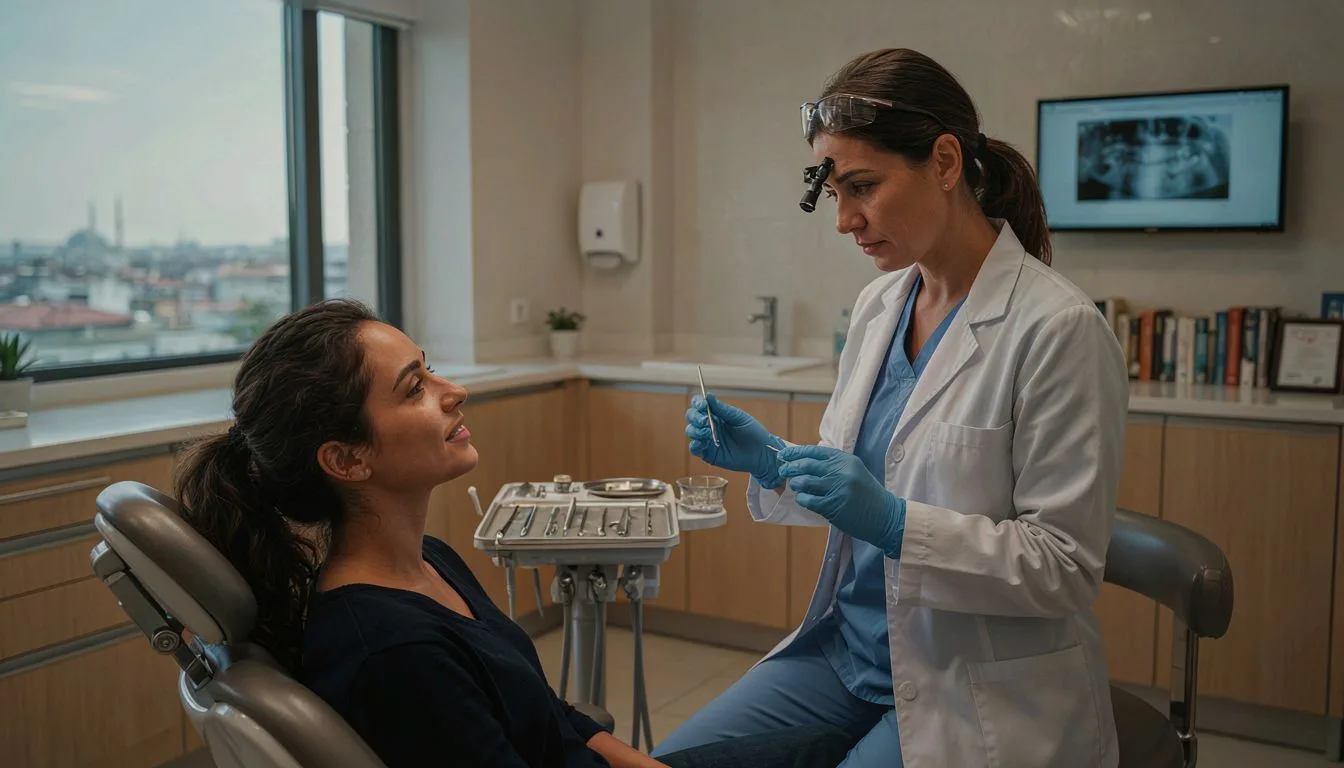
The ideal stay after dental veneers in Turkey is usually determined by the treatment plan, not simply by the procedure itself. For many international patients, 5 to 7 days provides enough time for preparation, veneer placement, bite assessment, and any minor adjustments before travelling home.
Patients receiving traditional porcelain veneers commonly need at least two clinical visits. During the first appointment, the dentist prepares the teeth and may place temporary veneers. After the laboratory creates the permanent restorations, a second appointment is used to check their fit, appearance, and bite before bonding them securely.
Staying longer may be sensible if you need extensive preparation, treatment on many teeth, or adjustments to your bite. It also allows the dentist to monitor sensitivity and confirm that your gums are settling normally. If an unexpected issue occurs, having extra time locally can make correction easier and less stressful.
Some clinics may complete treatment in fewer days, particularly when digital scanning and an in-house laboratory are available. However, a shorter schedule should not replace essential checks. Before booking flights, ask the clinic whether your itinerary includes the final fitting, bite evaluation, and time for possible adjustments. Your dentist can recommend the safest departure date based on your individual treatment and recovery.
What Happens During the Recovery Period?
The first few days after veneers are usually focused on adjustment rather than intensive healing. Your teeth and gums may feel sensitive, especially when exposed to hot, cold, sweet, or acidic foods. Mild gum tenderness can also occur if the surrounding tissue was gently shaped during treatment. These symptoms commonly settle as your mouth adapts to the new restorations.
You may notice that your bite feels slightly different at first. Veneers can change the shape and contact points of the teeth, so your dentist may check your bite and make small adjustments if necessary. Avoid testing the veneers by biting hard objects, opening packages with your teeth, or chewing very sticky foods during this early period.
Gum and tooth sensitivity is generally temporary, but it should gradually improve rather than become more intense. Brush gently with a soft-bristled toothbrush and use a toothpaste designed for sensitive teeth if recommended. Maintaining careful oral hygiene is important because plaque around the gumline can increase irritation.
Contact your dentist promptly if you experience severe or worsening pain, a veneer that feels loose, a sharp edge, swelling, or a bite that remains uncomfortable. Remaining in Turkey during the planned recovery window allows the clinic to assess these concerns and complete any necessary adjustments before you travel home.
When Can You Eat Normally After Veneers?
Most patients can begin returning to a normal diet soon after veneers, but the first meals should be approached carefully. Your teeth and gums may still feel sensitive, and the bonding material needs time to settle fully. In general, soft foods are most comfortable during the first 24 to 48 hours, especially if chewing feels awkward or your bite has been adjusted.
- First day: Choose foods such as yoghurt, eggs, pasta, soup, and mashed vegetables. Avoid very hot or cold items if sensitivity is noticeable.
- After 24 to 48 hours: Gradually reintroduce firmer foods, chewing evenly with both sides of your mouth rather than biting directly with the front veneers.
- Hard foods: Do not use veneers to crack nuts, bite ice, open packaging, or chew hard sweets, as excessive force can chip or loosen them.
- Sticky foods: Limit chewing gum, toffee, and caramel during the early adjustment period because they can place unnecessary stress on the veneers.
Normal chewing comfort often returns within a few days, although individual timing depends on the number of veneers, the condition of the teeth underneath, and any bite adjustments performed by the dentist. If your bite still feels uneven, a veneer catches when you chew, or pain persists instead of improving, contact the clinic before leaving Turkey or arrange an assessment with your local dentist.
Why Follow-Up Appointments Matter Before Flying Home
A follow-up appointment before you fly home gives your dentist an opportunity to confirm that the veneers are settling properly and that your bite is comfortable. This visit is especially valuable when your treatment has been completed within a short trip, because minor issues can often be corrected more easily while you are still near the clinic.
During the review, the dentist may examine the margins of each veneer, check your gums, assess your bite, and look for any signs of excess cement or an uneven contact point. They can also polish the restorations if needed and confirm that your cleaning routine is appropriate. Bite adjustment is one of the most important checks, since a veneer that contacts too heavily can cause discomfort or place unnecessary stress on the restoration.
Use the appointment to mention anything that feels unusual, even if the sensation seems mild. Tell your dentist about persistent sensitivity, difficulty biting, a rough edge, gum irritation, or a veneer that feels loose. Addressing these concerns before departure may prevent discomfort during travel and reduce the need for urgent arrangements after you return home.
Your clinic may also provide written aftercare instructions and contact details for support. Before leaving, make sure you understand how to protect your veneers, when to schedule your next routine dental examination, and what symptoms should prompt you to seek care from a dentist in your home country.
What to Do If You Notice Veneer Problems After Returning Home

Once you are back home, contact your veneer provider promptly if you notice a problem rather than waiting for it to resolve on its own. A slightly unfamiliar bite or mild sensitivity may occur during the adjustment period, but increasing pain, a veneer that feels loose, or a noticeable change in your bite should be assessed by a dentist.
Send the clinic clear photographs and a short description of your symptoms. If possible, explain when the issue started, whether it affects eating or speaking, and whether the veneer has chipped, cracked, or detached. The treating dentist may be able to advise you remotely or arrange an appointment with a trusted local dentist. Do not attempt to glue a veneer back yourself, as household adhesives can damage the tooth and surrounding tissues.
Until you receive professional advice, avoid biting hard foods with the affected tooth and keep the area clean. If a veneer has come off, store it in a clean container and take it to the dentist; do not force it back into place. A local dentist can provide temporary protection or treatment if travelling back to Turkey is not practical.
Urgent dental assessment is needed if you develop severe pain, facial swelling, fever, bleeding that does not stop, or difficulty swallowing or breathing. These symptoms may indicate more than a cosmetic veneer issue and should not be managed solely through messages with the overseas clinic.
FAQs
How long should I stay in Turkey after getting dental veneers?
Most patients should plan to stay in Turkey for about 5–7 days after getting dental veneers. This allows time for preparation, veneer placement, and a follow-up appointment to check your bite and make any necessary adjustments. Your dentist may recommend a longer stay if you need additional treatment or experience complications.
Is a longer stay needed for veneer adjustments or follow-up appointments?
Most veneer adjustments and follow-up appointments are completed during a single short visit, so a longer stay is usually unnecessary. However, your dentist may recommend additional time if you need multiple adjustments, have complex dental needs, or require treatment after the veneers are placed.
Can I fly home immediately after dental veneer treatment in Turkey?
Yes, most patients can fly home immediately or within a day after dental veneer treatment in Turkey, as the procedure is usually minimally invasive and does not involve general anesthesia. Arrange a follow-up with your dentist before traveling, especially if you experience significant pain, swelling, bleeding, or bite problems.