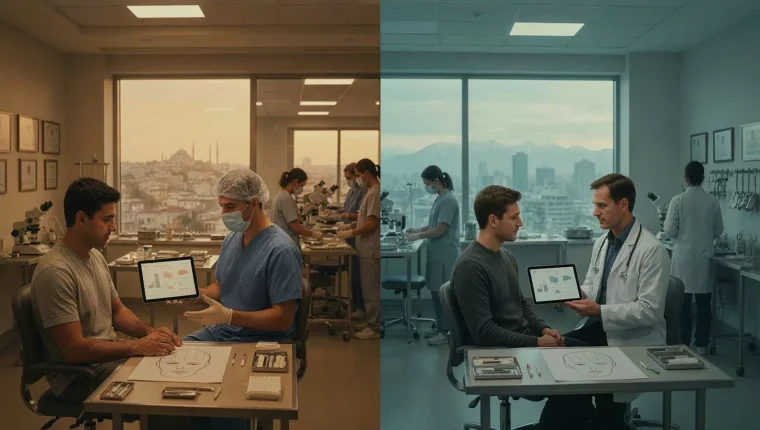
For Canadians considering a hair transplant abroad, the main challenge is not simply finding a lower-cost clinic. It is understanding what a hair transplant Turkey package for Canadians includes, which treatment method is appropriate, and how travel affects recovery and follow-up care. Packages may combine the procedure with accommodation, airport transfers, translation support, medications, and post-operative guidance, but details can vary significantly between clinics. A reliable decision depends on surgeon qualifications, clinic standards, graft planning, and clear communication about possible additional costs. Comparing these factors helps patients assess Turkey as a practical option without treating every advertised package as equivalent or assuming a convenient price guarantees a suitable medical result.
Why Canadians Choose Turkey for Hair Transplants
Turkey attracts many Canadian hair transplant patients because it combines a well-established medical tourism sector with extensive experience serving international visitors. Major cities such as Istanbul offer frequent international connections, multilingual coordinators, and clinics accustomed to arranging treatment for patients who live far from home. This can make the process feel more organized than contacting an unfamiliar provider overseas without dedicated patient support.
Convenience is another important factor. A bundled arrangement may coordinate airport transfers, accommodation, clinic appointments, and translation assistance, reducing the number of separate bookings a patient must manage. For Canadians balancing work schedules, travel logistics, and recovery time, that structure can be appealing. However, convenience should not be confused with clinical quality, and a package is not automatically comprehensive or medically appropriate.
Turkey’s competitive private healthcare market may also offer attractive value compared with some Canadian or international alternatives, but exact savings depend on the procedure, surgeon, graft requirement, travel dates, and services included. Patients should compare the medical plan rather than focusing only on the advertised price.
The most important consideration remains surgeon involvement. Before choosing a clinic, confirm who examines you, designs the hairline, performs the key surgical steps, and manages complications or follow-up. Review the surgeon’s credentials, the clinic’s licensing and hygiene standards, the proposed technique, and whether the assessment is based on clear medical information rather than photographs alone. Turkey can be a practical destination, but its advantages are meaningful only when convenience is matched by verified clinical standards and realistic expectations.
What Canadian Patients Should Expect from a Turkey Package
A Turkey package should be treated as a coordinated care plan rather than a simple travel deal. Before booking, Canadian patients need to understand exactly how the clinic will manage the consultation, procedure, local logistics, and communication. Package descriptions can sound comprehensive while leaving important responsibilities unclear, so the written offer should match the treatment plan discussed with the medical team. Reviewing each element in advance can help you compare clinics more accurately and identify what is included, what requires additional payment, and who is responsible at every stage of the journey.
- Consultation and assessment: The clinic should review your medical history, hair-loss pattern, donor area, expectations, and suitability before confirming a procedure. Ask whether this assessment is performed by the operating surgeon or delegated entirely to a coordinator.
- Procedure-day coordination: Confirm who will perform each stage, including extraction, channel opening, and implantation. The surgeon’s participation, the planned technique, and the estimated graft range should be documented rather than described only in general marketing language.
- Accommodation: Packages may include a hotel for a specified number of nights, but the room standard, location, breakfast, and arrangements for an accompanying person can vary. Check whether extra nights are available if your travel schedule changes.
- Airport and clinic transfers: Verify whether transportation covers airport pickup, hotel-to-clinic journeys, and return transfers. Clarify the vehicle arrangements, operating hours, and procedure for contacting the driver after arrival.
- Communication support: A patient coordinator may assist with scheduling, translation, and practical questions. This service does not replace medical access, so ask how you can reach the surgeon or clinical team if a medical concern arises.
Medical services and travel services should be separated when reviewing the offer. Prescribed medication, blood tests, additional nights, extra procedures, meals, flights, and treatment for complications may not be included. Request a dated itinerary and an itemized inclusion-and-exclusion list before paying a deposit. This documentation can make it easier to identify unexpected costs and understand the practical arrangements surrounding the procedure.
Follow-up arrangements also deserve confirmation before departure from Canada. Ask when the clinic will review photographs, who will assess healing remotely, and what records you will receive for your healthcare provider at home. Clear surgeon involvement, a defined treatment plan, and reliable communication make the package easier to evaluate and the experience more predictable. Taking time to confirm these details can also help ensure that the travel arrangements support, rather than distract from, the medical care itself.
Comparing Hair Transplant Techniques and Clinic Standards

Technique labels can make clinics appear easy to compare, but the method itself is only one part of the clinical decision. FUE removes individual follicular units from the donor area, while DHI generally refers to implantation with a specialized pen after extraction. In practice, the suitability of either approach depends on donor density, hair calibre, curl pattern, the extent of hair loss, and the patient’s long-term goals. A proper assessment should determine the number and distribution of grafts rather than allowing a package name to dictate the plan.
Ask whether the proposed design protects the donor area and accounts for future thinning. An ethical plan should consider hairline age, graft allocation, and the possibility that additional treatment may be needed later. Be cautious of clinics that promise a fixed graft number or guarantee a specific density before examining photographs, medical history, and donor supply. The most advanced-sounding technique cannot compensate for excessive extraction, poor placement, or unrealistic planning.
Clinic standards deserve the same attention as technique selection. Verify the operating surgeon’s qualifications, experience with hair restoration, and level of involvement during each stage. You should know who performs the consultation, donor extraction, channel creation, and graft placement. Also ask where the procedure takes place, how instruments are sterilized, whether emergency protocols are available, and whether the facility is appropriately licensed for surgical care.
Before consenting, request a clear explanation of the proposed method, expected limitations, potential complications, and recovery requirements. High-quality clinics should provide consistent clinical photographs, explain how results are assessed, and avoid presenting heavily edited images as typical outcomes. Surgeon involvement is a particularly important standard: technicians may assist within their permitted role, but responsibility for diagnosis, surgical planning, and appropriate medical decisions should remain with a qualified physician.
Travel Planning from Canada to Turkey
International treatment becomes easier to manage when the trip is planned around the procedure rather than around the cheapest flight. Canadian patients should confirm the clinic appointment before purchasing tickets, then build enough flexibility into the itinerary for consultation, treatment, and any clinic-requested checks. The central planning principle is recovery-friendly travel timing: avoid an itinerary that forces you to rush between arrival, surgery, and departure. Careful preparation also gives you time to address travel documents, insurance conditions, accommodation, communication, and transportation before leaving Canada.
- Passport and entry requirements: Check that your Canadian passport remains valid for the period required by Turkey and verify the latest entry or visa rules through official Canadian and Turkish government sources before travelling.
- Travel insurance: Ask whether your policy covers medical travel, complications, cancellations, and changes related to an elective procedure. Many standard policies exclude planned treatment abroad.
- Flight timing: Arrive with a buffer before the clinic appointment, particularly if you have a long connection or are travelling from western Canada. Avoid booking a same-day arrival before treatment.
- Transfers and accommodation: Confirm who arranges airport and hotel transfers, where you will stay, and how you will reach the clinic if plans change. Keep the provider’s phone number and address offline as well as on your phone.
- Communication planning: Save appointment details in local time and arrange a reliable way to contact the clinic across Canadian and Turkish time zones. Written instructions can help prevent misunderstandings.
Before departure, obtain a written itinerary showing appointment times, transfer contacts, hotel information, and the clinic’s emergency communication process. Keep your passport, medical documents, medication details, and booking confirmations accessible rather than in checked luggage. Ask the clinic specifically when it considers flying after the procedure appropriate, since travel timing can depend on the treatment plan and your individual instructions. Reviewing these details in advance can make the journey more organized and help you focus on the consultation, treatment, and recovery process.
Understanding Costs, Inclusions, and Payment Options

Package prices can look straightforward until you separate the medical fee from the travel and administrative costs around it. A useful comparison begins with the total treatment cost, not the headline quote. Confirm whether the amount covers the procedure, the estimated graft range, pre-operative tests, prescribed medication, accommodation, local transfers, and clinic support.
Ask the clinic for a written quotation before paying a deposit. It should state the currency, payment schedule, accepted payment methods, deposit amount, cancellation rules, and whether any refund is available if the treatment date changes or the procedure is not recommended after assessment. Also check whether flights, travel insurance, additional hotel nights, companion expenses, and optional services are excluded.
| Comparison field | What to confirm | Verification question |
|---|---|---|
| Procedure scope | Technique, surgeon involvement, and estimated graft range | Who performs each stage, and can the graft estimate change? |
| Included services | Tests, medication, hotel nights, transfers, and translation support | Which services are included in writing? |
| Excluded expenses | Flights, insurance, extra nights, meals, and companion costs | What could I need to pay separately? |
| Payment terms | Currency, deposit, balance deadline, cancellation, and refunds | What happens if plans or eligibility change? |
For a fair comparison, place quotes side by side using the same graft estimate, clinical scope, accommodation standard, and documented payment conditions. A lower price may reflect fewer included services rather than a better deal, while a higher price should be supported by clearly defined medical and logistical commitments.
Aftercare and Returning to Canada Safely
Once the procedure is complete, the quality of your recovery plan matters as much as the travel arrangements. Before leaving the clinic, ask for written aftercare instructions covering prescribed or recommended medication, the first wash, sleeping position, scalp protection, and restrictions on exercise, alcohol, swimming, and heavy lifting. Confirm which products to use and when, rather than relying on general online advice.
Keep the clinic’s patient coordinator and medical contact details accessible after returning home. Send photographs according to the clinic’s schedule and clarify how questions will be handled across time zones. Your provider should also explain when flying is considered reasonable for your situation; do not treat a standard package itinerary as individualized medical clearance. Arrange practical help at home if bending, carrying luggage, or completing the first washes may be difficult.
Continuity with a Canadian healthcare professional is useful, particularly if you have existing medical conditions or take regular medication. Share your procedure details and discharge instructions with them. Increasing pain, spreading redness, fever, pus-like drainage, significant bleeding, breathing difficulty, or sudden swelling warrants prompt clinical assessment. Contact the treating clinic as well, but do not delay local emergency care when symptoms appear serious.
FAQs
What is typically included in a hair transplant Turkey package for Canadians?
A hair transplant Turkey package for Canadians typically includes a consultation, treatment by a qualified medical team, airport transfers, clinic or hospital fees, medications, and post-operative instructions. Many packages also cover hotel accommodation and local transportation, while flights, travel insurance, and optional extra treatments are usually excluded. Confirm the exact inclusions, surgeon’s qualifications, follow-up care, and any additional costs before booking.
How much does a hair transplant in Turkey cost for Canadian patients?
A hair transplant in Turkey typically costs Canadian patients between CAD 2,500 and CAD 6,500, depending on the clinic, procedure type, graft number, and whether the package includes accommodation and transfers. FUE and DHI packages often include consultation, surgery, medications, hotel stays, and airport transportation, but flights are usually charged separately. Always confirm the total price and what the package covers before booking.
Are flights, accommodation, airport transfers, and aftercare included in the package?
Package inclusions vary by provider and treatment plan. Many packages include accommodation and airport transfers, while flights and aftercare may be included or offered at an additional cost; confirm the exact inclusions before booking.