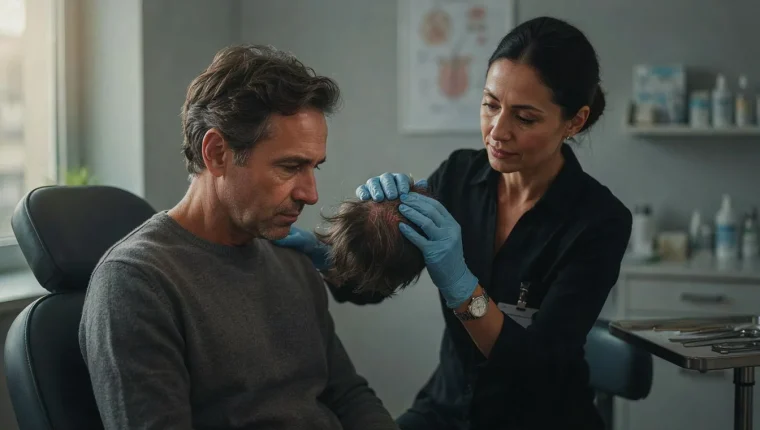
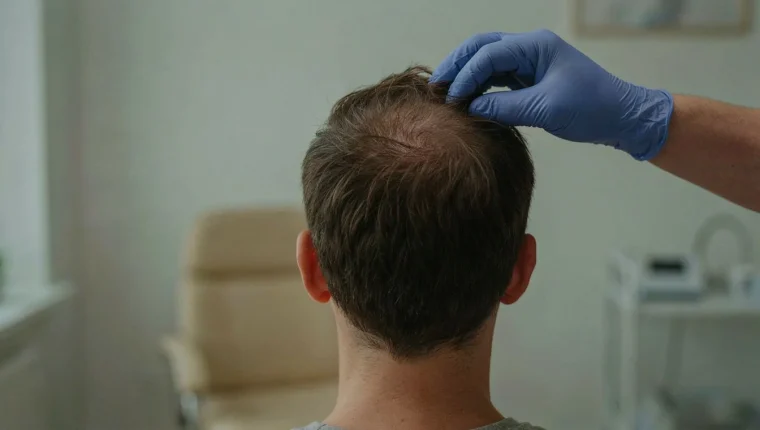
A hair transplant can look different a decade later, even when the transplanted follicles continue to grow. The change may come from gradual thinning or greying of the grafted hair, ongoing loss of surrounding natural hair, or shifts in styling and scalp coverage. These changes do not mean every transplant will deteriorate, and a decade alone cannot predict how one person’s result will look. Long-term appearance depends on the condition of both transplanted and native hair, as well as individual factors such as hair-loss patterns and treatment history. Understanding these changes helps set realistic expectations and informs decisions about continued care or whether a professional assessment may be useful.
What Changes Can Occur in a Hair Transplant Over 10 Years?
Over a decade, transplanted hair may change in how it grows and looks, even when the follicles continue producing hair. The strands can vary in thickness, texture, color, or growth pattern, so the treated area may not look exactly as it did once the initial result had settled. These changes differ from person to person and do not necessarily mean the transplant has failed.
The transplanted hairs generally continue to behave like hair from the area where they were taken, but their appearance can still be influenced by aging, health, and changes in hair characteristics over time. Styling, length, and lighting can also make density or coverage seem different in photographs or everyday life.
It is useful to distinguish changes in the transplanted strands from changes in the overall appearance of the scalp. A new or pronounced change, such as sudden shedding, persistent scalp symptoms, or an unexpected alteration in growth, merits assessment by a qualified clinician. A comparison with earlier photographs can help describe the change, but an examination is needed to determine its cause.
How Does Natural Hair Loss Affect the Transplanted Result?
A transplant does not stop the gradual thinning that may affect hair outside the treated area. Grafts are usually taken from areas less sensitive to pattern hair loss, while native hairs around and between them may remain vulnerable. As those hairs become finer or disappear, the transplanted hairs can still be present even as the overall result looks less full.
This change can affect the balance of the hairline and the density behind it. For example, thinning in the mid-scalp or crown may make a previously blended transition more noticeable, while loss between grafts can leave greater spacing. The contrast may be especially apparent when transplanted hair retains more coverage than the surrounding native hair.
It is therefore useful to distinguish native hair loss from graft loss: a reduction in visible density does not, by itself, show that transplanted follicles have failed. A clinician can assess the pattern and distribution of change, since several factors may influence how the scalp looks. Comparing photographs taken over time can also help clarify whether thinning is gradual and widespread or concentrated in particular areas.
What Can Influence Long-Term Graft Survival?
Long-term graft survival depends partly on what happens during the procedure. Careful handling, appropriate storage before placement, and precise positioning can help protect follicles and support a natural-looking result. The condition of the donor hair and the recipient scalp also matters, so the same surgical approach may not lead to identical outcomes for every person.
The early healing period is another consideration. Following the clinic’s aftercare instructions can help protect the scalp while it recovers; infection, significant inflammation, or disruption of grafts during healing may affect the result. A clinician can advise on symptoms that warrant review and on how to care for the scalp during recovery.
Over time, scalp health, medical conditions, medications, and habits that affect healing may also be relevant. These factors do not prove that a graft has survived or failed, and appearance alone cannot identify the cause of a change. Graft survival is best assessed in the context of the procedure, healing history, and current scalp examination. A qualified clinician can review those details and explain what they may mean for an individual result.
When Might a Hair Transplant Need Revision?

A change in coverage or an appearance that no longer feels balanced may prompt a discussion about revision, but it does not automatically mean another procedure is needed. A revision assessment can help clarify whether the concern relates to the placement or direction of existing grafts, visible scarring, changes in surrounding hair, or another factor.
Before considering surgery, a qualified hair-restoration clinician should examine the scalp and review the original procedure, current hair pattern, and any relevant medical history. The assessment should also consider the quality and availability of donor hair, since further surgery may be unsuitable or could limit options for the future. Photographs from earlier stages can help provide context, though they cannot replace an examination.
Revision may be discussed when a specific, addressable issue affects the result and the expected benefit is realistic. The proposed approach should match the person’s priorities, account for potential risks, and recognize that additional grafts cannot guarantee a particular density or appearance. If the cause of dissatisfaction is unclear, or the scalp needs further evaluation, it may be more appropriate to clarify the diagnosis before deciding whether to proceed.
How Can You Maintain Your Hair and Plan for Future Loss?
Ongoing care is most useful when it is based on what is actually changing. Keep track of shifts in coverage, hair texture, or scalp condition over time, and note when they occur. Consistent photographs taken in similar lighting and from the same angles can help you and a clinician compare changes more reliably than memory alone.
Discuss persistent or concerning changes with a qualified clinician, who can assess your scalp, medical history, and current hair-care routine. Ask which options are appropriate for your circumstances rather than assuming that a treatment used by someone else will suit you. A clinician can also explain potential benefits, limitations, and monitoring needs before you make changes to care.
Planning should consider the overall pattern of future hair loss, not only the area that was transplanted. Natural hair may continue to change, so decisions about medical management, styling, or further procedures may affect how balanced the result looks later. Your age, the pattern and pace of change, family history, and available donor hair are among the factors a clinician may consider when discussing longer-term options.
Review the plan as your hair changes and revisit it with your clinician when your goals or circumstances shift. This allows ongoing care to adapt over time without treating every change as a reason for intervention.
FAQs
Can transplanted hair thin or fall out after 10 years?
Yes, transplanted hair can thin or fall out over time, although transplanted follicles are often more resistant to pattern hair loss than surrounding hair. Natural aging, ongoing hair loss in untreated areas, and other health factors can change the overall appearance after 10 years. A dermatologist or hair transplant surgeon can assess the cause and discuss suitable options.
Will natural hair loss make the results look less dense over time?
Yes. A transplant’s relocated follicles are generally resistant to pattern hair loss, but untreated natural hair around them may continue to thin over the years, making the overall result look less dense. A surgeon may recommend ongoing medical treatment or a follow-up procedure, depending on the cause and extent of the change.
Can you have a second hair transplant after 10 years?
Yes, many people can have a second hair transplant 10 years after their first, especially if hair loss has continued or they want to improve density. A surgeon should assess the donor area, scalp health, and pattern of hair loss to determine whether another procedure is suitable and how many grafts are safely available.