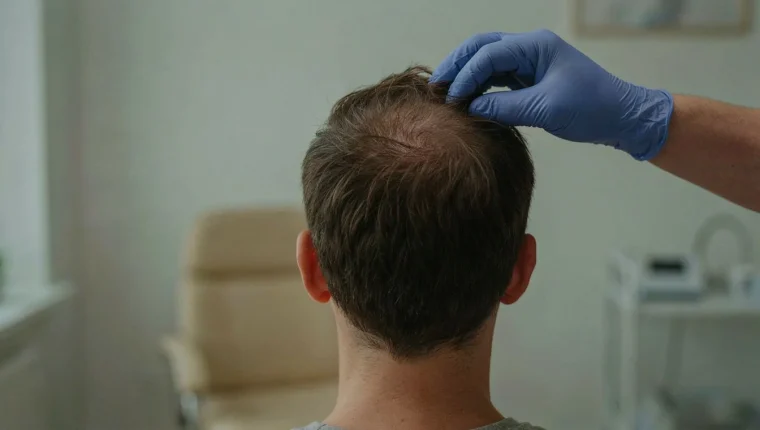
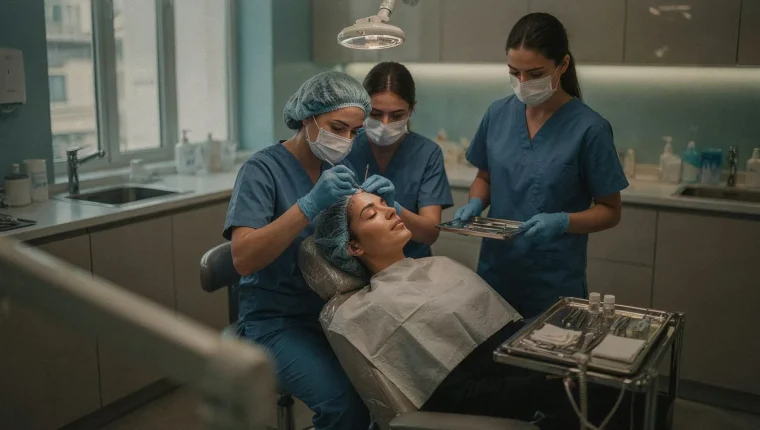
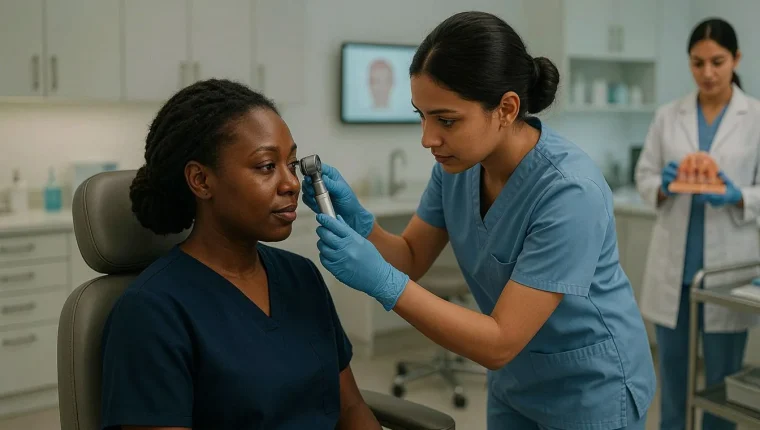
The price of a hair transplant Turkey package can look attractive, but the advertised figure is only one part of the decision. A worthwhile package should make the process easier without compromising medical standards, treatment suitability, or accountability. That means looking beyond flights, hotel nights, and the number of grafts included. The surgeon’s role, the proposed technique, clinic facilities, donor-area assessment, follow-up care, and possible extra charges all affect the real value. A low price may not be useful if communication is unclear, the treatment plan feels rushed, or aftercare becomes difficult once you return home. On the other hand, an organized package can reduce practical stress and make overseas treatment more manageable when its services are clearly defined and matched to your needs. The right choice depends on how well the package balances clinical quality, transparent costs, personal suitability, and realistic recovery expectations—not simply on how much money it appears to save.
What Do Turkey Hair Transplant Packages Include?

A package quote should be read as a description of the treatment journey, not simply as a price for graft placement. The core service usually covers a consultation, hairline planning, extraction, implantation, and immediate clinical care. However, the exact level of surgeon involvement and the number of grafts included should be confirmed in writing before you pay a deposit.
Many overseas providers combine clinical care with travel arrangements to make the process easier for international patients. A typical offer may include several of the following:
- Medical consultation: The clinic reviews your hair loss, donor area, medical history, and treatment goals, either remotely or in person.
- Transplant procedure: The package may cover the agreed technique, local anaesthesia, graft extraction, implantation, and routine supplies used during treatment.
- Airport and clinic transfers: Transportation between the airport, hotel, and clinic is often arranged, but the number of included journeys can vary.
- Accommodation: Some offers include a specified number of hotel nights, while extra nights, room upgrades, or companion stays may cost more.
- Aftercare support: Instructions, an initial wash, prescribed products, and follow-up communication may be included, although medication and additional treatments are not always covered.
The most important detail is the package’s inclusions and exclusions. Flights, travel insurance, additional procedures, extra grafts, medication, blood tests, and extended accommodation may fall outside the quoted amount. Ask for an itemised plan that states who performs each stage, what happens if the graft estimate changes, and which services are optional upgrades. This prevents a convenient-looking package from becoming more expensive or less comprehensive than expected.
How Much Do Hair Transplant Packages in Turkey Cost?
The advertised price is only one part of the financial picture. A package may replace several expenses that would otherwise be paid separately, such as local transfers, hotel nights, and some coordination services. To compare it fairly with a clinic in your home country, calculate which costs are genuinely included rather than comparing the headline figures alone.
Total treatment cost should also account for expenses outside the quoted package. Flights are often separate, and the final amount may change if you need additional nights, upgraded accommodation, or a longer stay before travelling safely. Medication, follow-up appointments at home, and translation or administrative charges can also affect the budget, depending on the provider’s arrangements.
Some costs are predictable before booking, while others depend on your circumstances. A companion may need separate flights and accommodation, and a delayed flight or slower recovery could create extra logistical expenses. You should also ask how post-operative concerns will be handled after you return home, particularly if an in-person review, corrective treatment, or eventual revision becomes necessary. These possibilities should not be assumed to be included simply because aftercare is mentioned.
Request a written quotation that separates the procedure from travel-related services and clearly identifies exclusions. Then compare it with a local option using the same categories: treatment, travel, accommodation, medication, follow-up, and possible additional care. This approach shows whether the overseas quote offers a meaningful financial advantage or merely appears cheaper because important costs have been left outside the advertised figure.
Which Clinics and Surgeons Can You Trust?
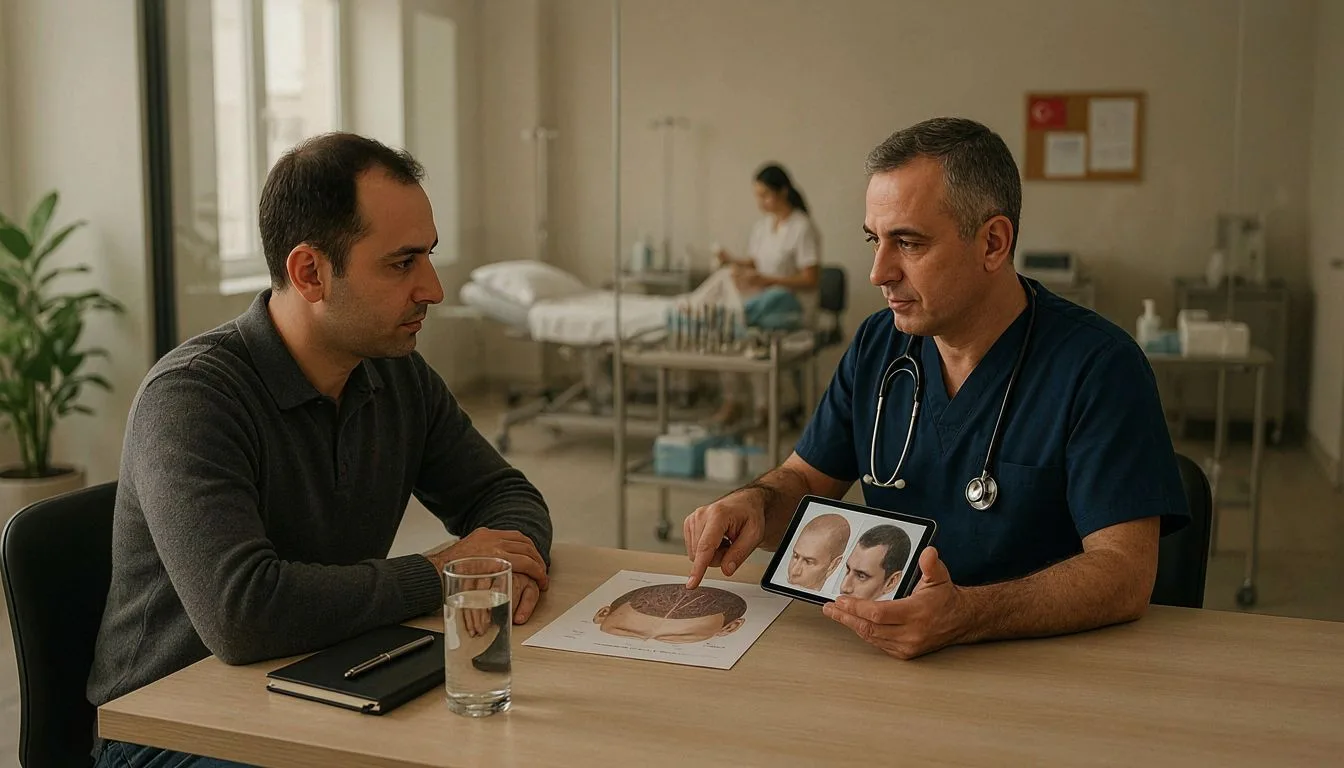
A trustworthy provider is easier to identify when you assess the medical team before comparing package prices. The clinic’s marketing materials may show polished facilities and impressive results, but the central question is who will examine you, design the hairline, perform the key stages of the procedure, and remain accountable if concerns arise afterward.
- Confirm the operating surgeon. Ask for the surgeon’s full name, professional credentials, and precise role during the procedure. A consultation with a doctor does not automatically mean that the same doctor will carry out the surgical work.
- Check the clinic’s facility details. Request the exact treatment location and verify that the procedure takes place in a properly equipped medical facility rather than an unclear or frequently changing setting.
- Review relevant patient cases. Look for before-and-after examples that show comparable hair loss patterns, lighting, angles, and follow-up periods. A large gallery is less useful than consistent, clearly presented evidence.
- Assess communication before booking. Staff should answer questions about candidacy, risks, planning, and responsibilities without pressuring you to pay quickly. Vague replies or promises of guaranteed results deserve caution.
- Obtain a written treatment plan. The document should identify the proposed surgeon, estimated graft range, clinic location, included follow-up, and what happens if the plan changes after examination.
Independent reviews can add context, but they should support rather than replace direct verification. Pay attention to whether patients describe consistent communication, realistic planning, and accessible aftercare instead of focusing only on the lowest total treatment cost. You can also ask who will be available if you develop a concern after returning home and whether medical records or post-treatment instructions will be provided.
The strongest sign of accountability is a consultation based on your donor area, pattern of loss, medical history, and long-term goals rather than a standard sales script. A reputable team should be willing to explain why its recommendation suits your situation and to say when treatment should be delayed, adjusted, or reconsidered.
What Should You Know About Treatment Techniques?
Technique selection matters because a package is not a standard product. The procedure should be matched to your hair-loss pattern, donor supply, hair characteristics, and expectations rather than chosen solely because a clinic advertises a familiar acronym.
In follicular unit transplantation (FUT), a strip of skin is removed from the donor area and divided into individual grafts for implantation. Follicular unit extraction (FUE) removes grafts individually, usually leaving small circular marks instead of a linear scar. Direct hair implantation (DHI) is generally a variation of follicular unit extraction in which grafts are placed with an implanting device. The practical differences include how grafts are harvested, how the recipient sites are created, and how much precision and handling the process requires.
Neither technique is automatically best for every patient. FUE may be considered when avoiding a linear scar is important, while FUT can provide an efficient way to obtain grafts in suitable candidates with adequate donor tissue. Hair thickness, curl pattern, donor density, the size of the thinning area, and whether future procedures may be needed all affect the plan. The quality of the result also depends heavily on graft handling, hairline design, site placement, and the skill of the people performing each stage.
Before accepting a package, ask which technique is recommended and why, how many grafts are planned, who will perform extraction and implantation, and what alternatives were considered. Be cautious if the technique is presented as universally superior or if the package label replaces an individualized assessment. A written plan should also clarify whether the quoted treatment includes only the procedure or additional medical care related to the chosen method.
What Results and Recovery Should You Expect?
Recovery begins immediately after the procedure, but the early appearance is not a reliable sign of the final outcome. Mild swelling, redness, tightness, scabbing, and tenderness can occur during the first days. These effects usually settle as the scalp heals, provided you follow instructions about washing, sleeping position, exercise, sun exposure, and prescribed medication.
The transplanted hairs may remain visible at first, then enter a temporary shedding phase several weeks after surgery. This is commonly known as shock loss and does not necessarily mean the grafts have failed. New growth is gradual: early changes may become noticeable after a few months, while density and texture continue to improve over the following months. The final result should therefore be judged only after sufficient maturation, not during the first weeks.
Before travelling home, clarify how aftercare will be provided once you leave the clinic. You should know who will review photographs, answer questions, and advise you if healing appears unusual. Ask for clear instructions on washing and activity restrictions, as well as the symptoms that require prompt medical attention, such as worsening pain, spreading redness, fever, heavy bleeding, or unusual discharge.
Recovery time also depends on the procedure performed, the number of grafts, your general health, and how closely you follow post-operative guidance. A realistic plan leaves room for temporary cosmetic changes and does not promise immediate density. Confirming the follow-up process before booking helps you manage the recovery period safely after returning home.
When Are Turkey Hair Transplant Packages Worth It?
These packages are worthwhile when the convenience of coordinated travel supports, rather than replaces, high-quality medical care. The most important question is whether the named surgeon, proposed technique, and estimated graft plan are appropriate for your hair loss and donor supply. A lower quote has limited value if the treatment is poorly matched to your needs or if responsibility becomes unclear after you return home.
Look beyond the headline price and compare the verified inclusions with your own travel requirements, possible extra nights, medication, and follow-up arrangements. The package may offer practical savings when transfers, accommodation, and clinic coordination would otherwise be difficult to organise, but convenience should not outweigh surgeon experience or facility standards.
For overseas patients, aftercare continuity is a decisive part of value. You should know who will answer questions after the flight home, how concerns will be assessed, and what happens if healing differs from expectations. A package is most defensible when its clinical plan, total financial commitment, travel logistics, and follow-up pathway are transparent enough for you to accept the remaining risks with confidence.
FAQs
What do hair transplant Turkey packages usually include?
Hair transplant Turkey packages usually include the procedure, surgeon and medical team fees, preoperative assessments, medications, airport transfers, accommodation, and follow-up support. Many also cover translation services and local transportation, but inclusions vary between clinics. Confirm whether flights, aftercare products, additional treatment sessions, and treatment for complications are excluded before booking.
Are hair transplant Turkey packages cheaper than undergoing the procedure locally?
Yes, hair transplant Turkey packages are often cheaper than undergoing the same procedure locally, even after factoring in flights and accommodation. Their lower cost typically reflects reduced clinic overheads and favorable exchange rates, but compare surgeon qualifications, clinic standards, package inclusions, and aftercare rather than choosing solely on price.
How can I assess the quality and safety of a Turkish hair transplant package?
Assess the clinic’s surgeon qualifications, accreditation, before-and-after results, patient reviews, and transparent pricing. Confirm that the package includes licensed medical care, a detailed treatment plan, proper hygiene standards, genuine aftercare, and clear information about what is excluded. Avoid providers that guarantee unrealistic results, pressure you to book quickly, or refuse to identify the responsible surgeon.